


2026 Final Results
The World Turned Out for the Birds — and Each Other
Few things are as inspiring as watching birds. They busily navigate their daily lives: singing, flocking, calling, feeding, socializing, and surviving. Closely rivaling the wonderment of birds are birders themselves. Birders from all corners of the world came together for the Great Backyard Bird Count, defying the barriers that seek to divide us in our quest to celebrate birds and the natural world. Like nothing else, birds are a unifying force of amazement. Together we found 8,257 species which is 179 more than in 2025. Thank you for participating in GBBC. Please enjoy the impressive results below, knowing you were an important part of this growing wave of bird-enthusiasm.




In a Snapshot
- 8,257 species of birds identified
- 216 countries or eBird subregions
- 467,696 eBird checklists
- 1,239,329 Saved Merlin Bird IDs (step-by-step, sound, or photo)
- 246,225 photos, videos, and sounds added to Macaulay Library
- 1,146,284 estimated global participants
- 435 reported community events
Numbers may change slightly as final checklists are added and validated by our reviewers. Data reflect totals through March 10, 2026.

Submissions Were Up Worldwide
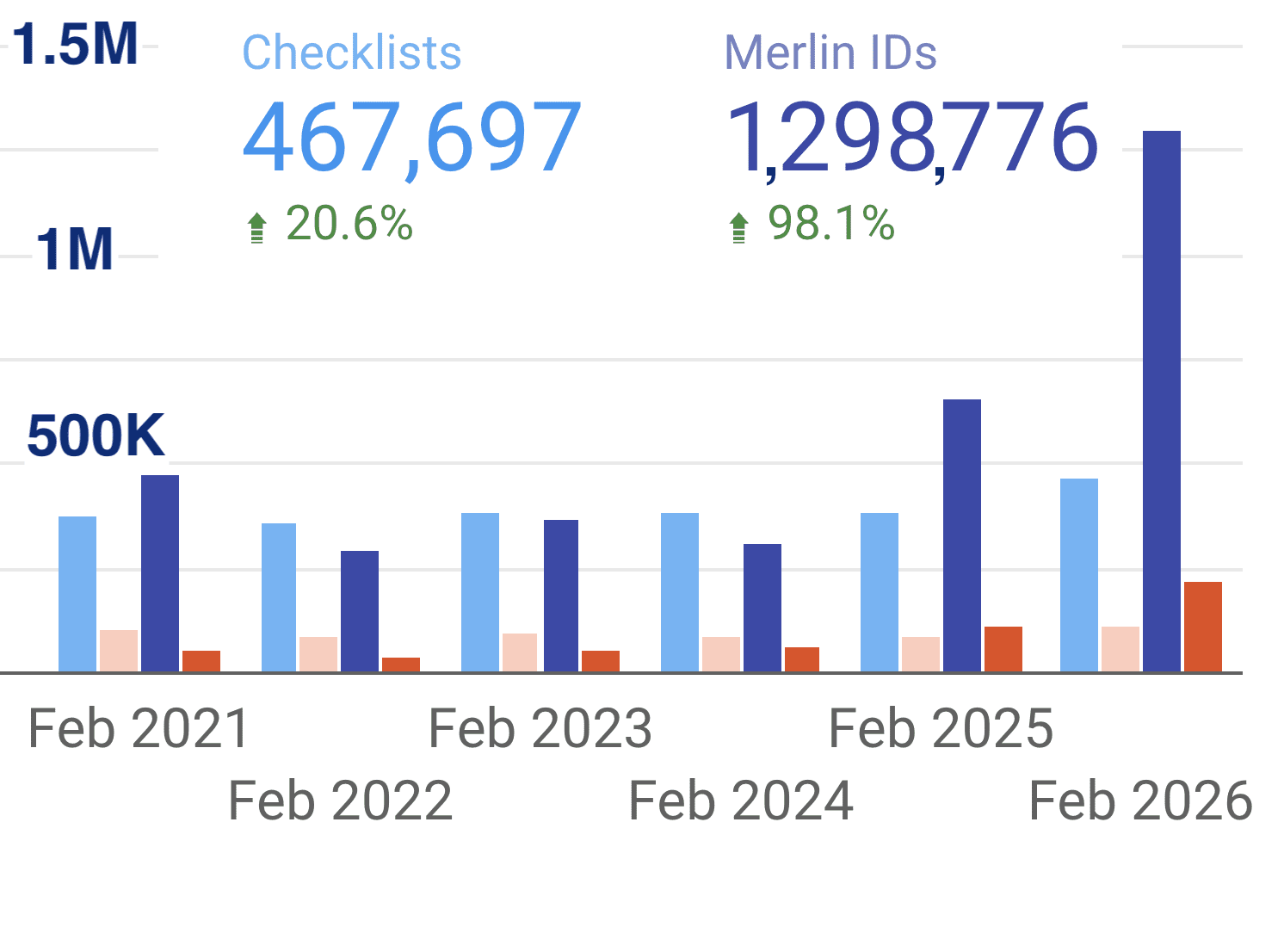
The continued growth and use of eBird and Merlin is awe-inspiring. These tools are quickly being adopted by people in almost every country as a way to deepen our relationships with birds and promote the importance of conservation. Merlin ID was up by almost 100%. These tools allow us not only to save our bird sightings, sounds, photos, and video recordings but also to learn in real time about the natural world—connecting us more intimately with our sense of place and each other.
Birds as a Source of Global Inspiration
Every year more countries turn a darker shade of blue, demonstrating growing engagement worldwide. Nearly every country in the world submitted at least one eBird checklist or Merlin Bird ID observation. Notable contributions include:
- The United States, had more than 1 million submissions of eBird checklists and Merlin Bird ID observations. India and Canada, the other two leading countries, also showed incredible growth in Merlin and eBird submissions.
- Costa Rica, Mexico, Colombia, Spain, the United Kingdom, Australia, Canada, and India all had 10,000 or more submissions using eBird and Merlin.
- It was incredible to see people in countries like Mali, Yemen, and Syria share birds in 2026.
- Central and South America, along with the Caribbean Islands are some of the fastest-growing regions where people are sharing bird observations.
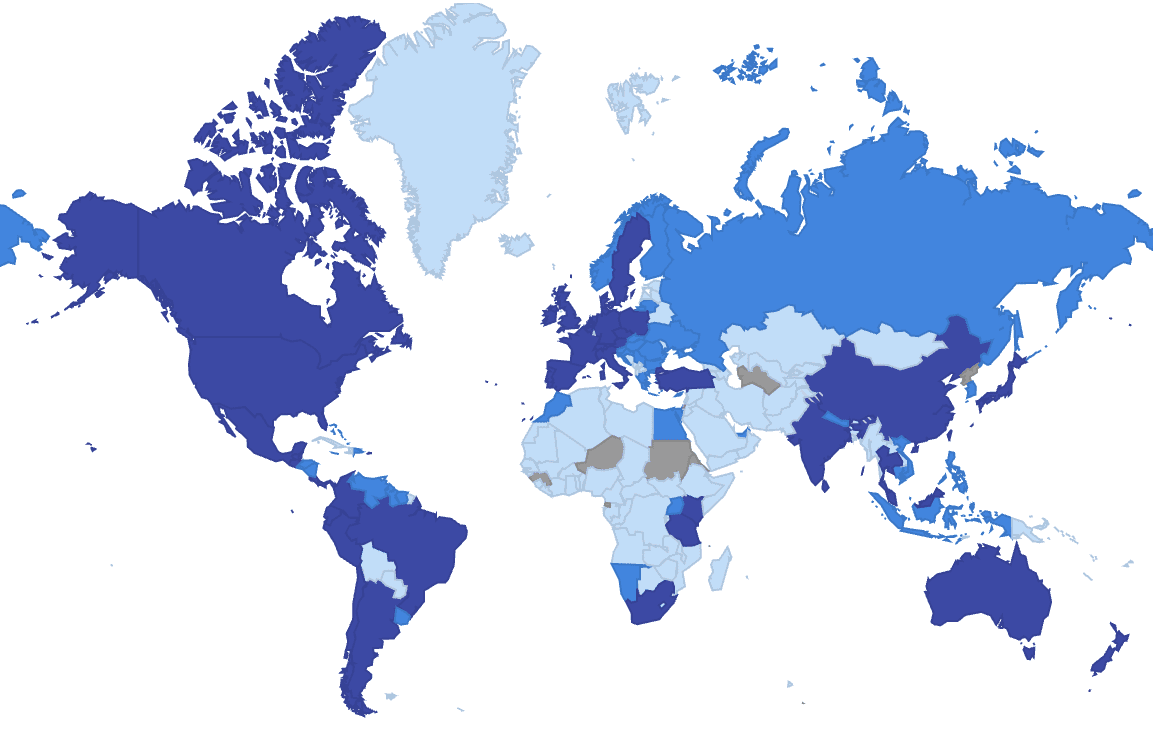

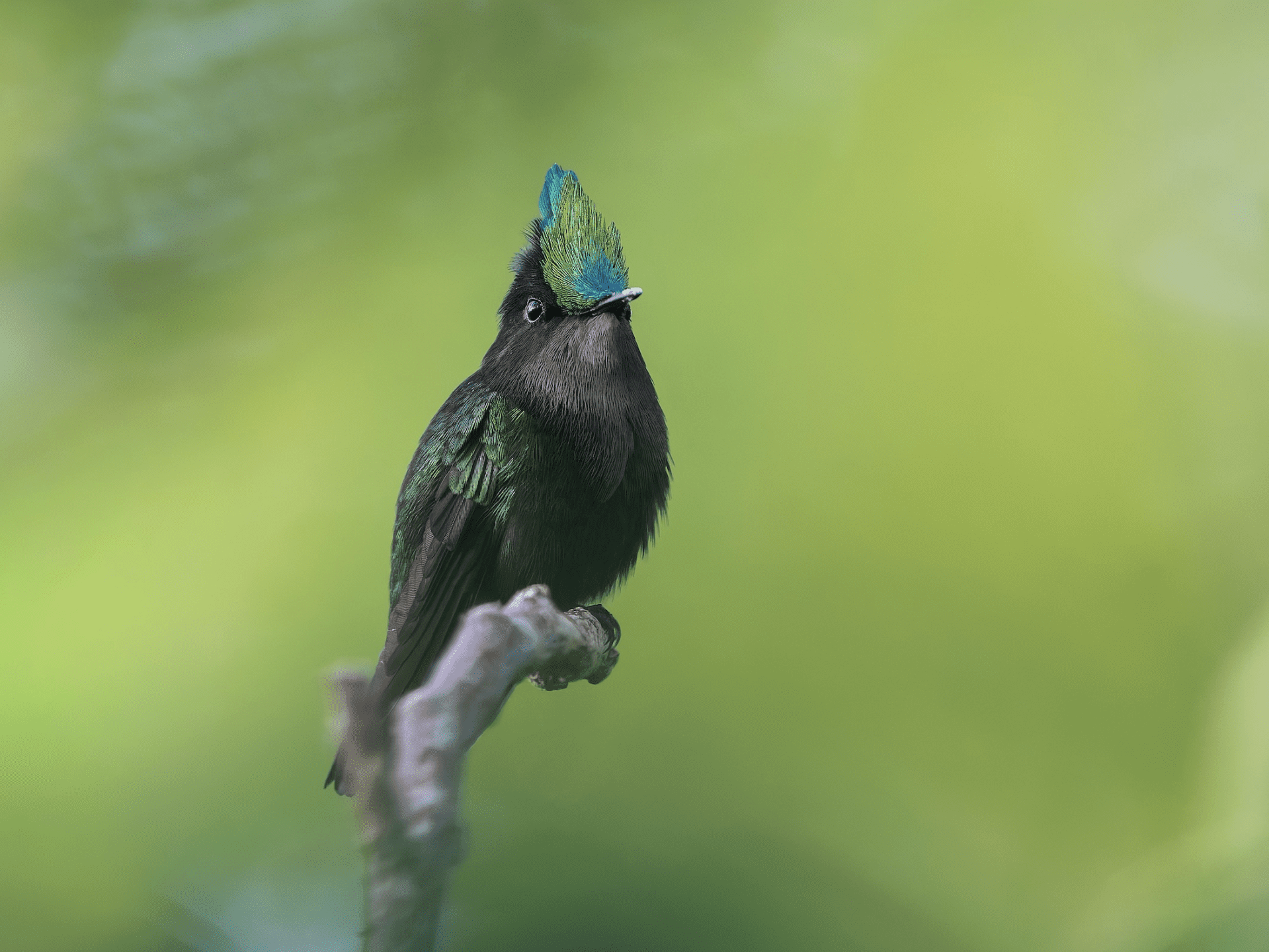
There is plenty more to see! Explore our graphs and data by clicking the button below. To explore global engagement, click on individual countries, states, provinces, or territories to see more detailed numbers.
Top Three Countries by the Numbers
United States
The United States had the most checklists with 253,053, identifying 696 species which is 26 more than in 2025. Merlin submissions soared to over a million. California, Florida, Texas and New York led with the most checklists. Other notable increases in Merlin use (over 100%) include states such as Alabama, Colorado, Pennsylvania, Illinois, Maine, Maryland, Massachusetts, Michigan, Minnesota, Missouri, New Jersey, North Carolina, Ohio, Oklahoma, Tennessee, Utah, Virginia, Washington, and Wisconsin.
India
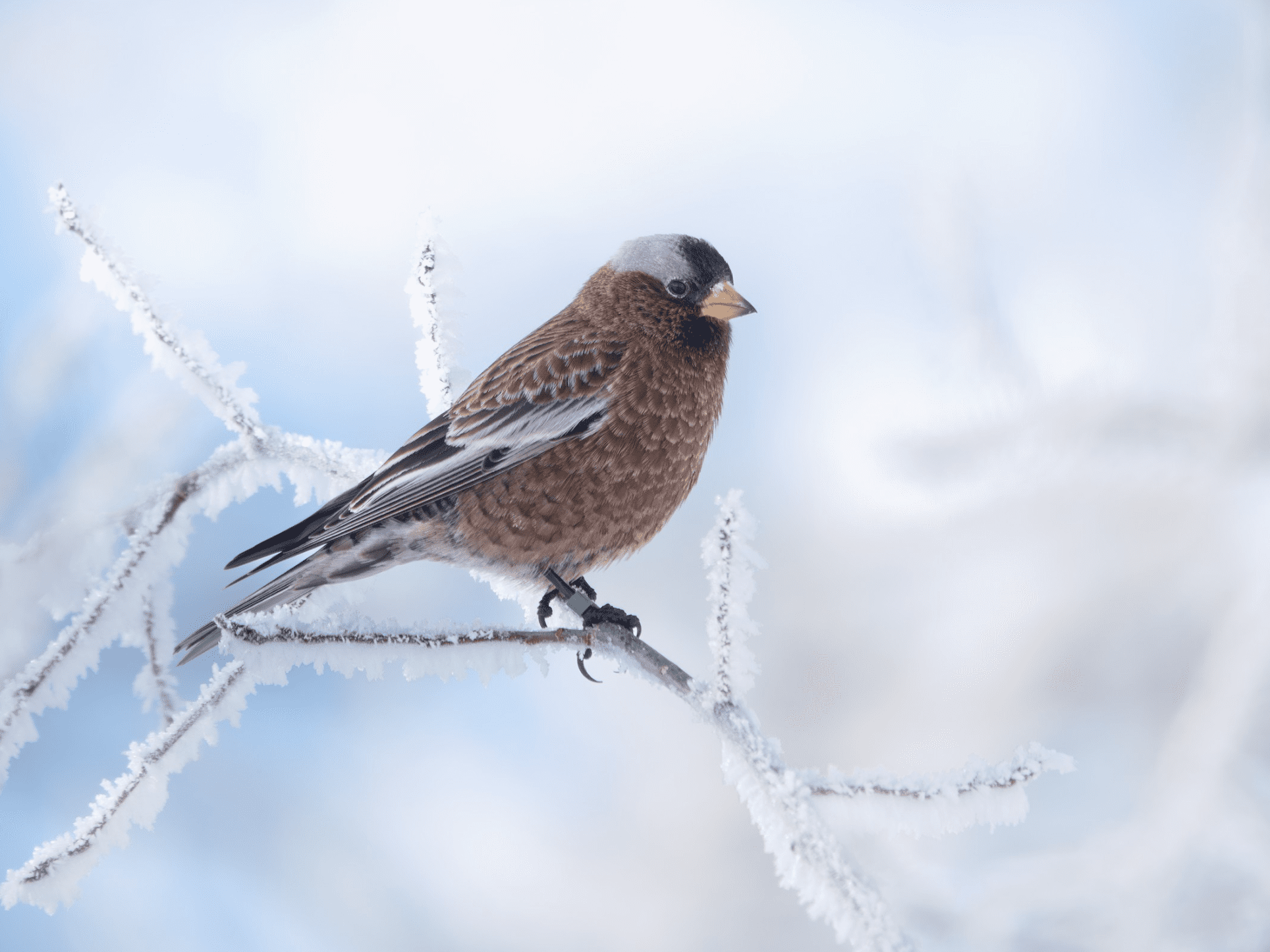
India saw a 3% increase in eBird use and an impressive 102% increase in Merlin submissions. Birders in India found 1,089 species this year, which is four more than in 2025. The state of West Bengal had the most species reported with 525. Almost every region across India had an increase in Merlin submissions. Tamil Nadu and Kerala combined had more than 30,000 checklists. Several territories and states saw increases in the number of Merlin ID observations including; Ladakh, Haryana, Puducherry, Jammu and Kashmir, Meghalaya, Telangana, Mizoram, and Bihar.
Canada
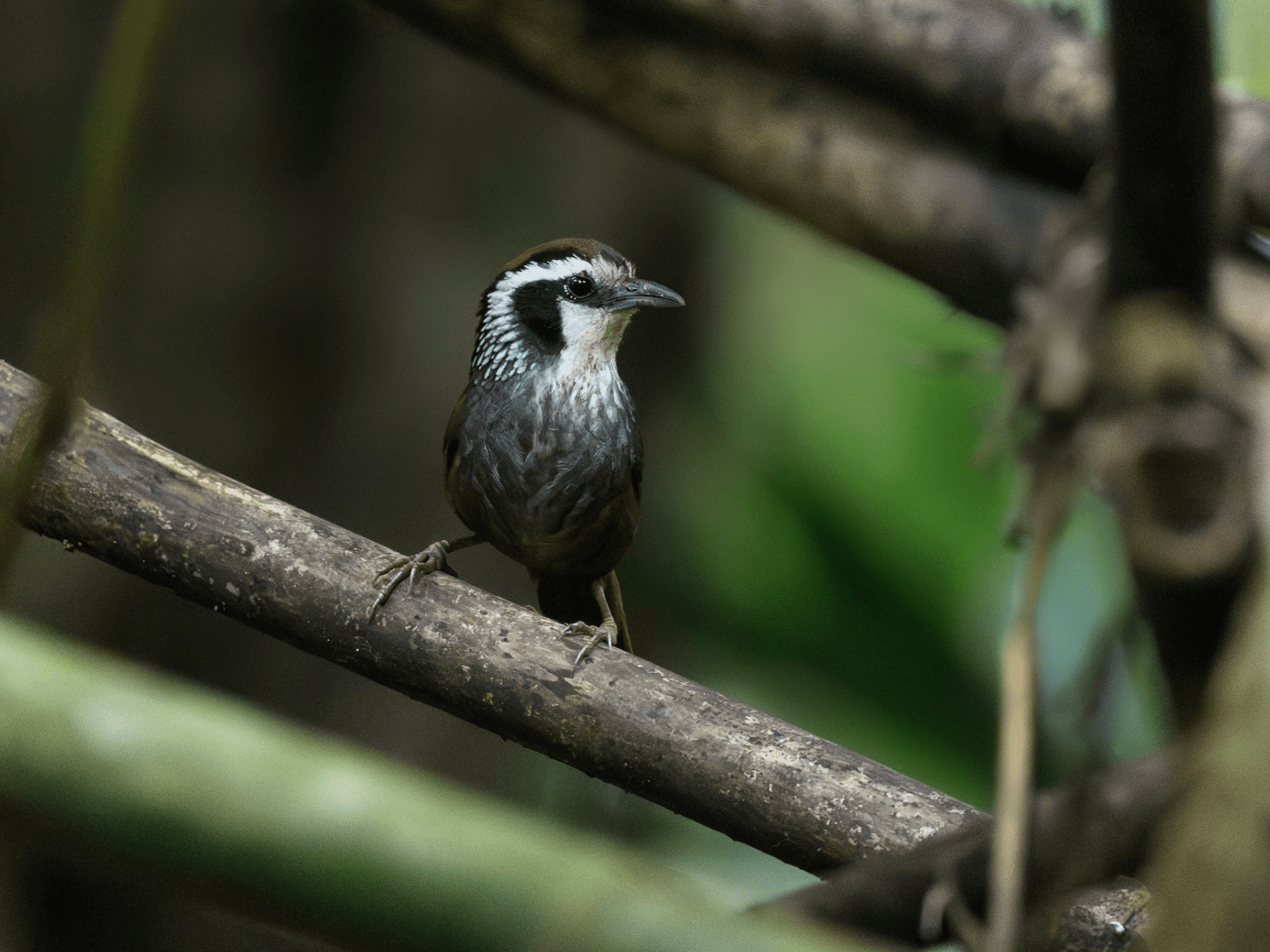
Canada had the third most eBird checklists with 35,723. Merlin use grew by 83%. People in each province contributed sightings to provide a grand total of 266 species reported throughout Canada, which is 19 more than were reported in 2025. The province of Ontario delivered 15,619 checklists, British Columbia provided 6,278 checklists. British Columbia had the most species reported at 212 with Ontario (146) and Nova Scotia (131) close behind. Ontario, Alberta, Nova Scotia, Saskatchewan, New Brunswick, Newfoundland and Labrador, Prince Edward Island, and Northwest Territories all had 100% or more growth in Merlin Bird ID observations.
Top Merlin Submissions
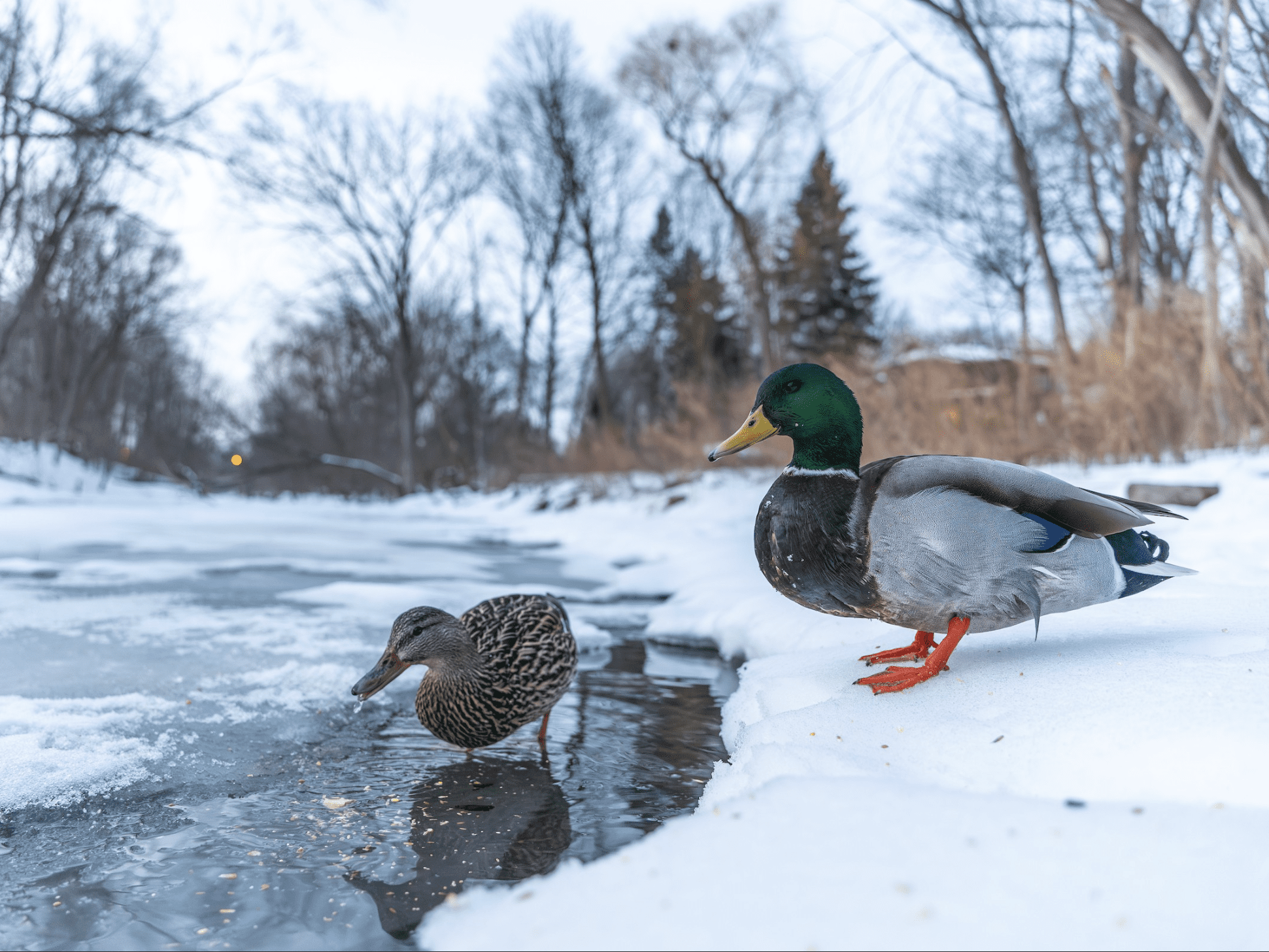
During the GBBC, we noticed that Merlin Bird ID app usage jumped around the world, especially in high-submitting countries such as the United States, United Kingdom, Canada, Australia, Germany, Costa Rica, India, Mexico, Netherlands, and France.
Most Frequently Identified Birds in Merlin:
United States
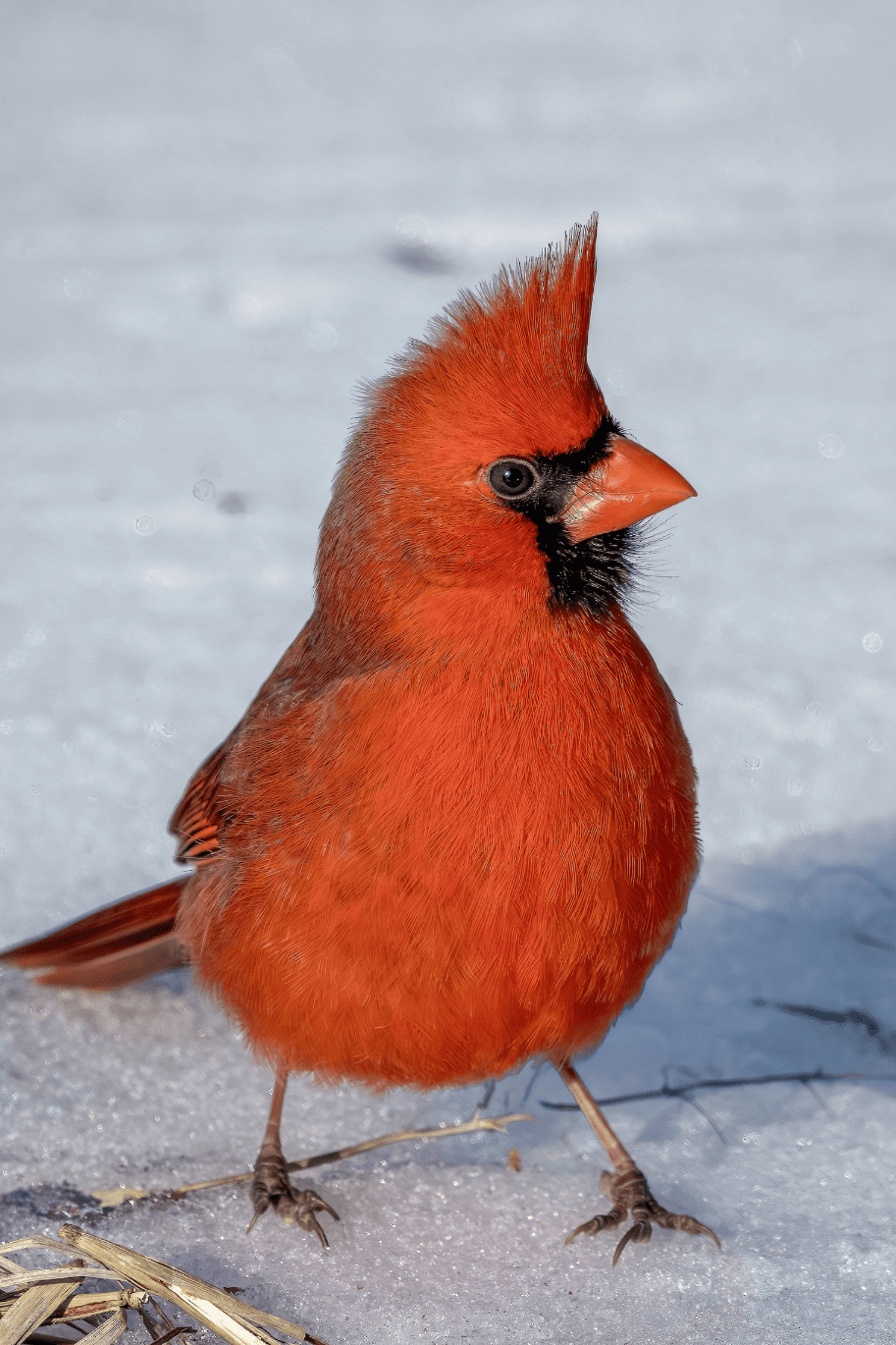
- Northern Cardinal
- House Finch
- Dark-eyed Junco
India
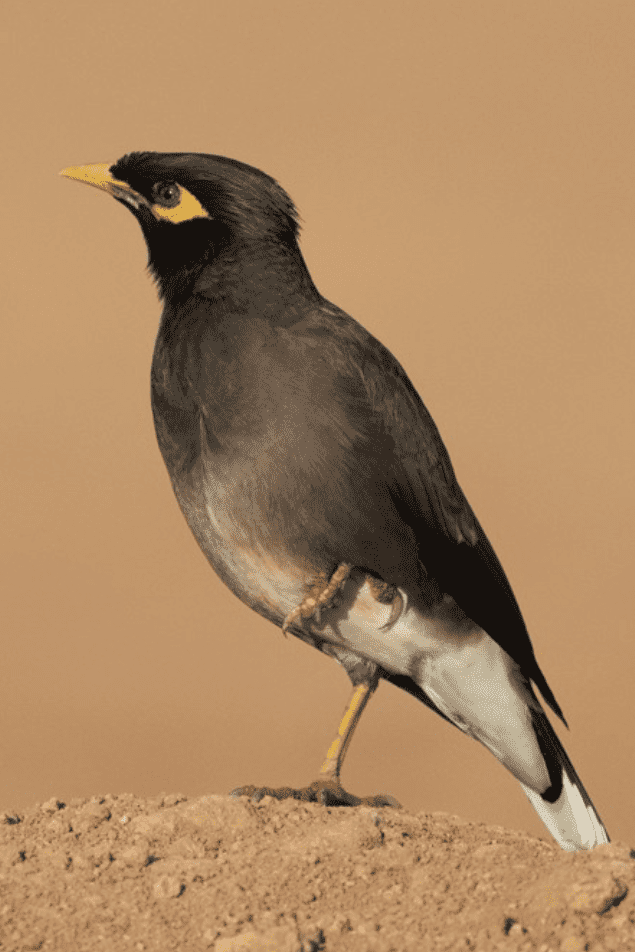
- Common Myna
- Red-vented Bulbul
- Rose-ringed Parakeet
Canada
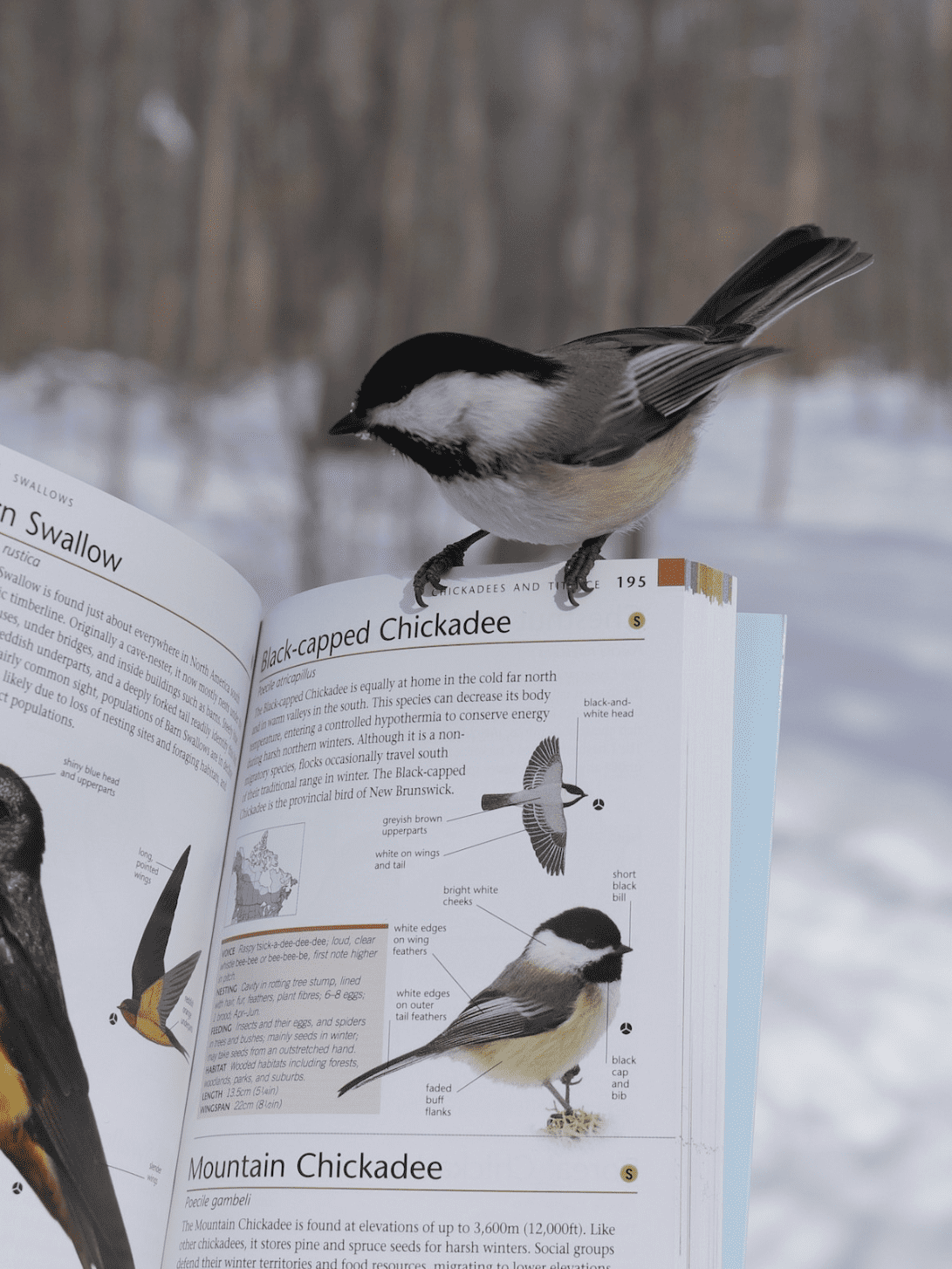
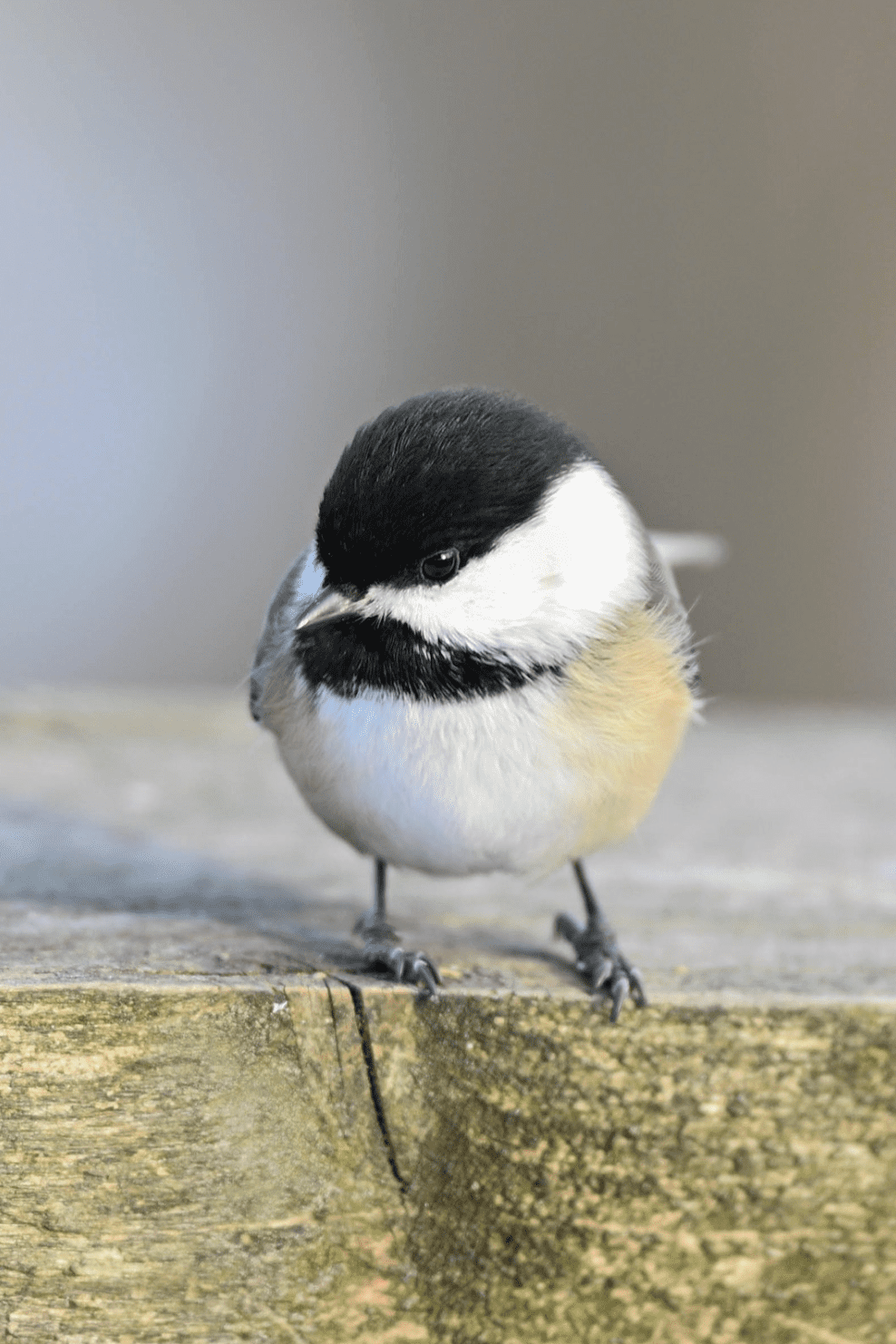
- Black-capped Chickadee
- Dark-eyed Junco
- Northern Cardinal
Search Local Results

The world is vast and while it’s fun to learn about new birds from places far from home, it is equally enjoyable to learn more about what was seen close by. Use this step-by-step guide to gain a deeper understanding of what was seen in your local area for the GBBC. Note, however, that not all submissions are viewable on these pages. This is especially true if there were a many submissions in your region. See your individual checklist page in eBird to revisit your personal observations.
8,257 of the World’s Known Species
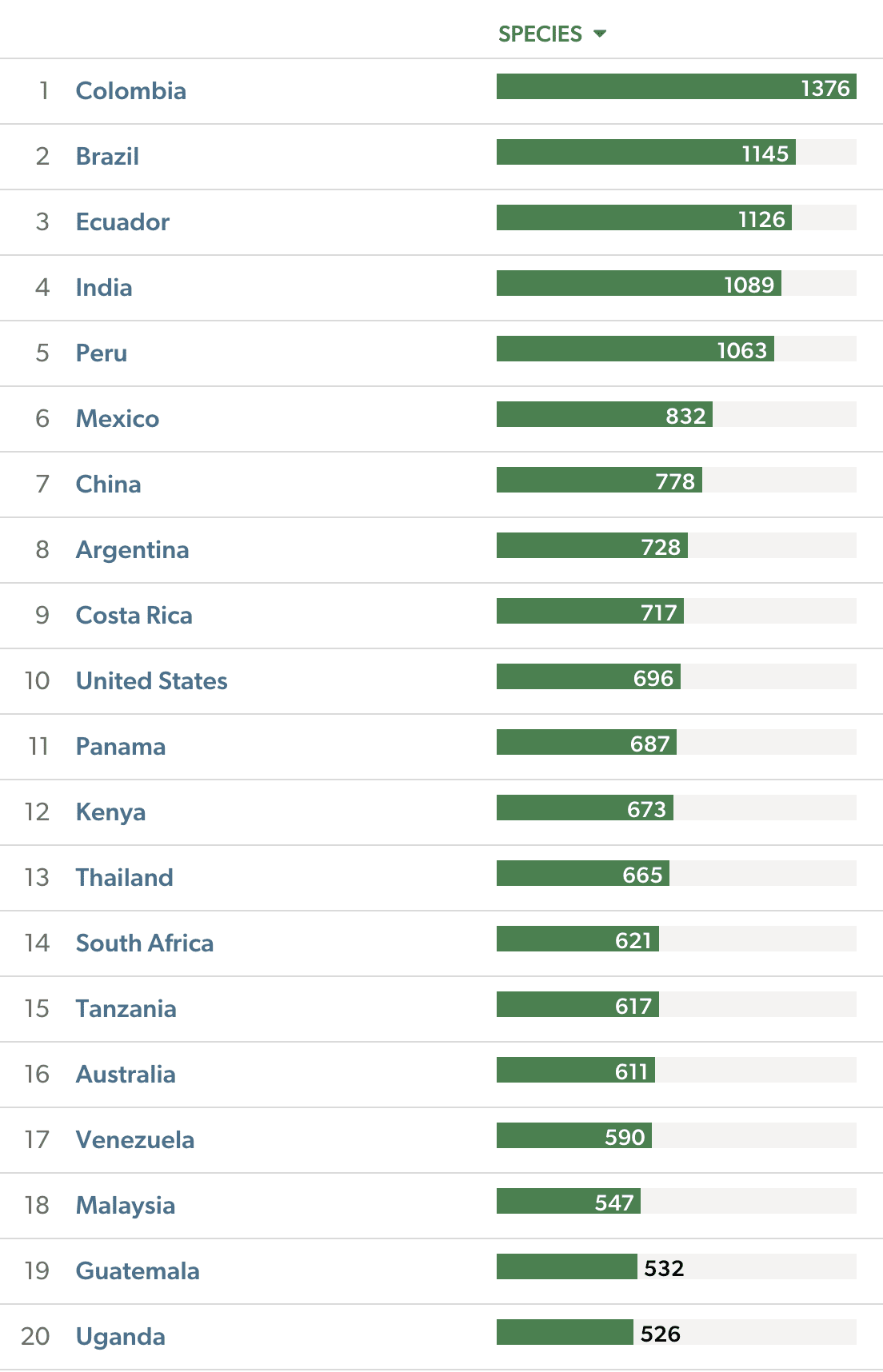
Scientists estimate that between 10,000 and 11,000 known species of birds exist world wide, and GBBCers found 8,257 of them. This is an incredible demonstration of global teamwork. The bar graph to the right shows the top 20 countries with the total number of unique species reported during GBBC. Colombia, the mecca of bird diversity, again took the top spot, beating last year’s record with 1,376 birds reported. Not too far behind, Brazil moved to the second spot with 1,145 unique species spotted. Ecuador had a few less than last year with 1,126. And, India continues to represent for the GBBC with 1,089 species reported.
A substantial number of countries reported 500 or more species including; Uganda, Guatemala, Malaysia, Venezuela, Australia, Tanzania, South Africa, Thailand, Kenya, Panama, the United States, Costa Rica, Argentina, China, Mexico, and Peru.
Inspiring Photo Submissions
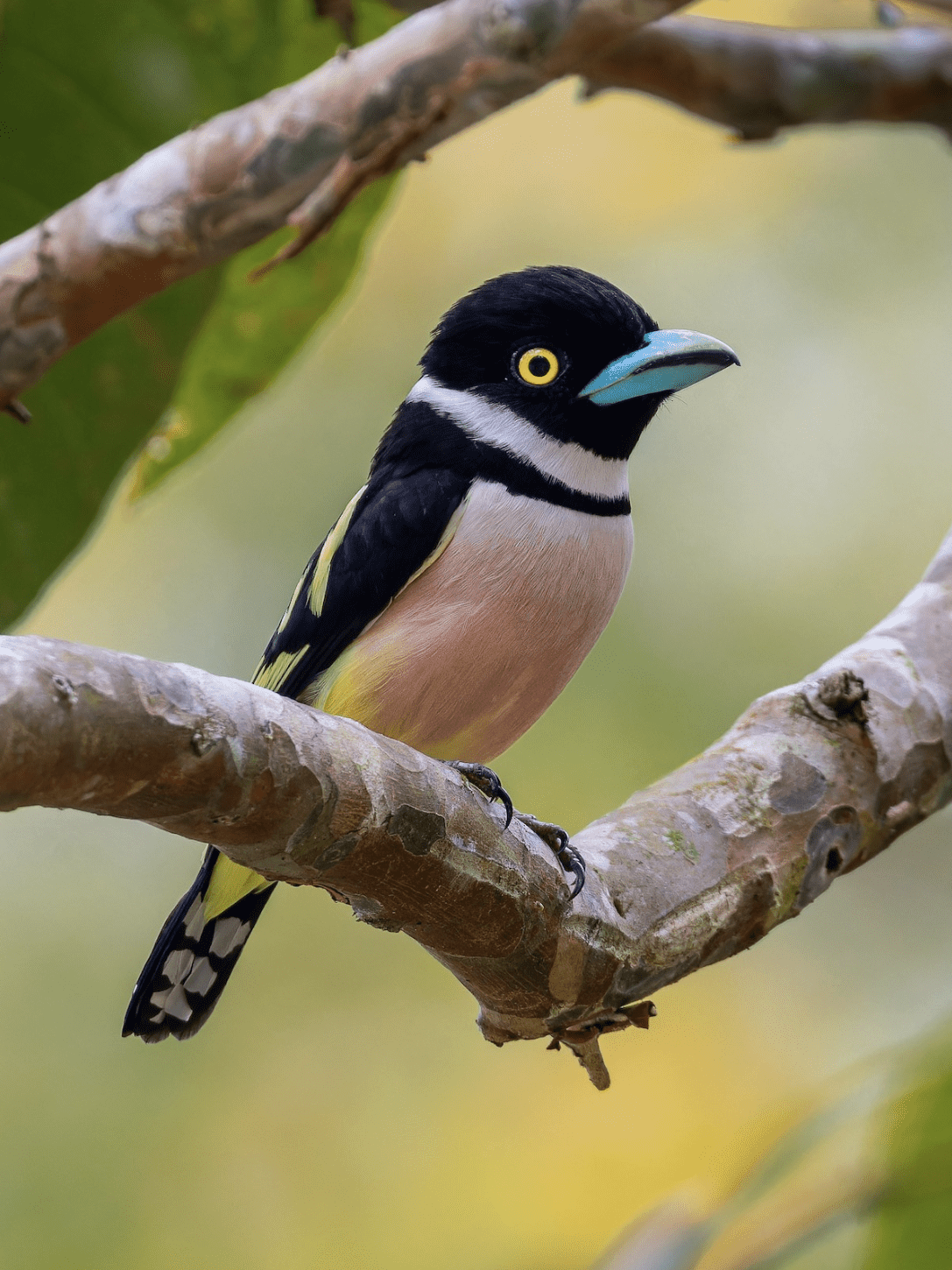
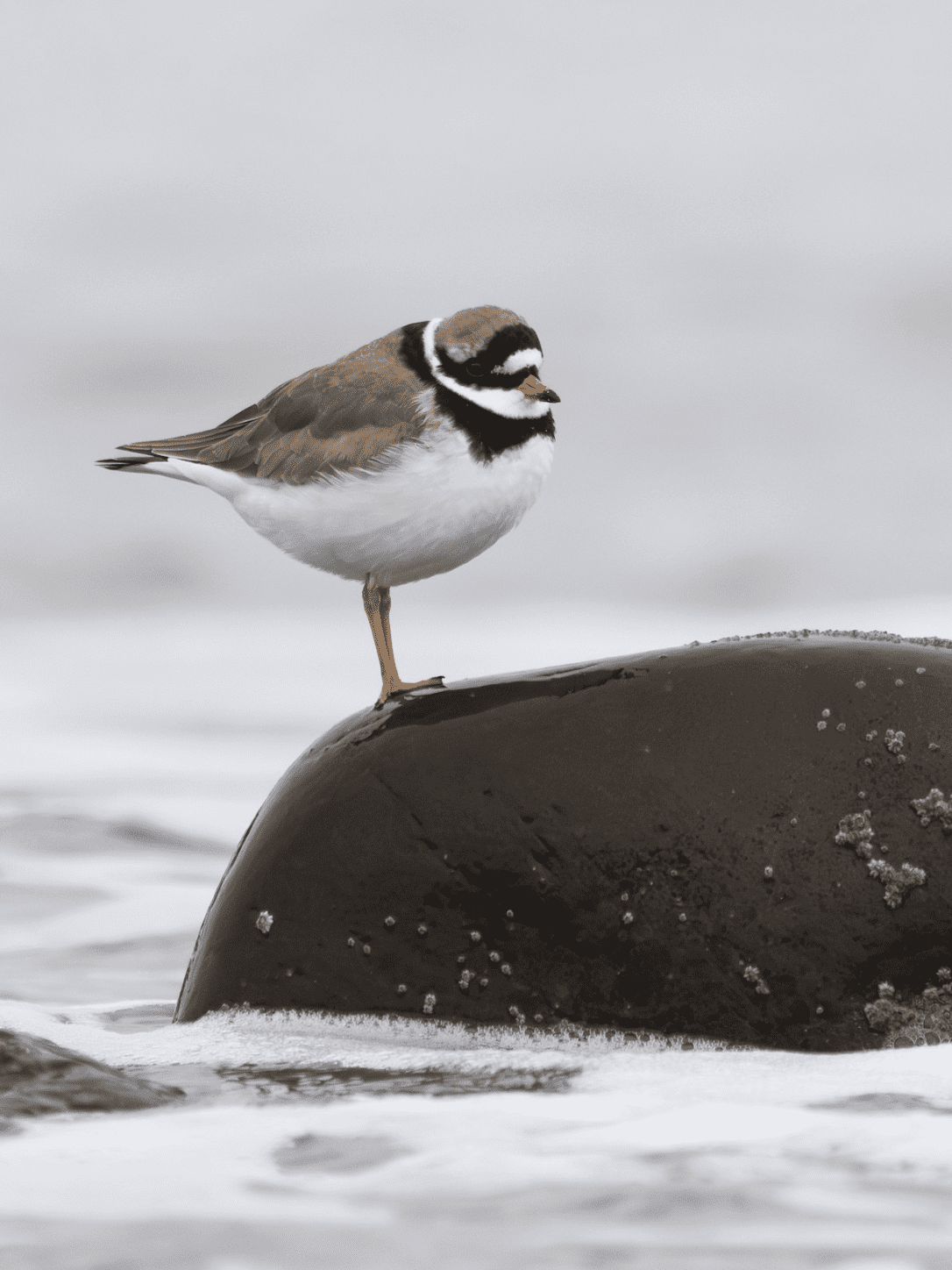
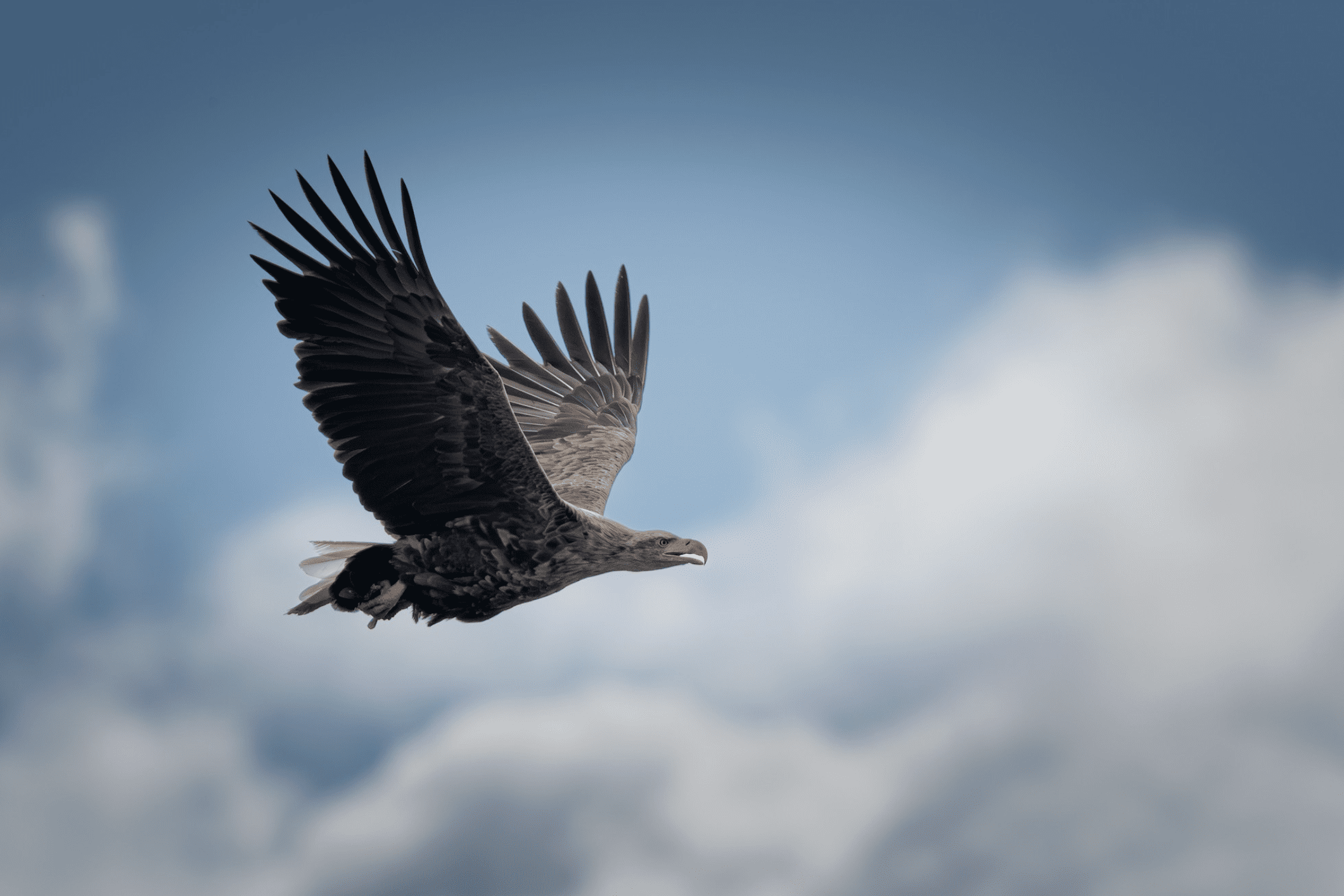
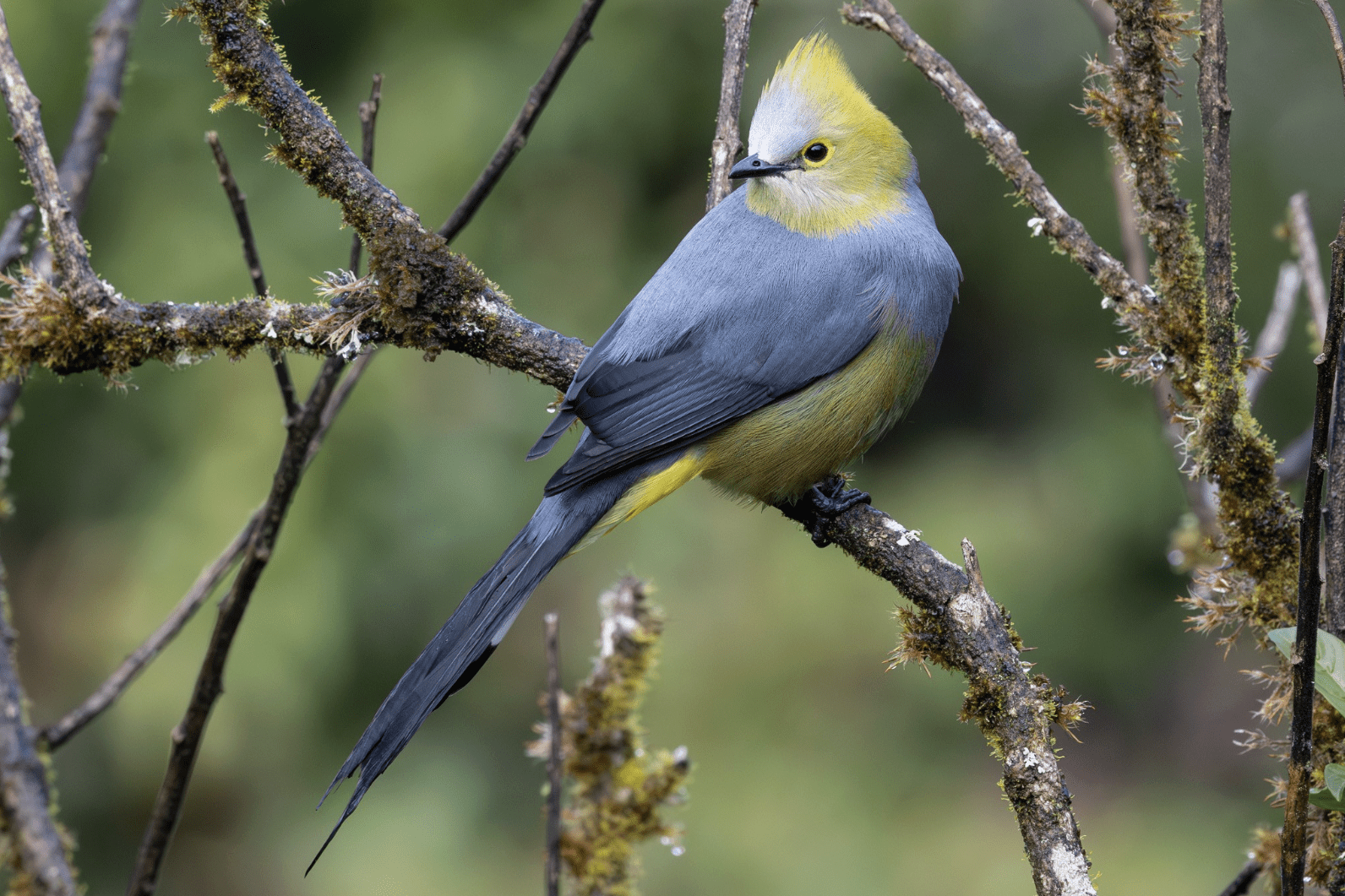
Birders submitted 236,225 photos, videos, and sounds to the Macaulay Library. Assets include photos, videos, and sounds from birds all over the world. Click the button below to see many more stunning bird photos.
Flock Highlights and a Few Rare Visitors
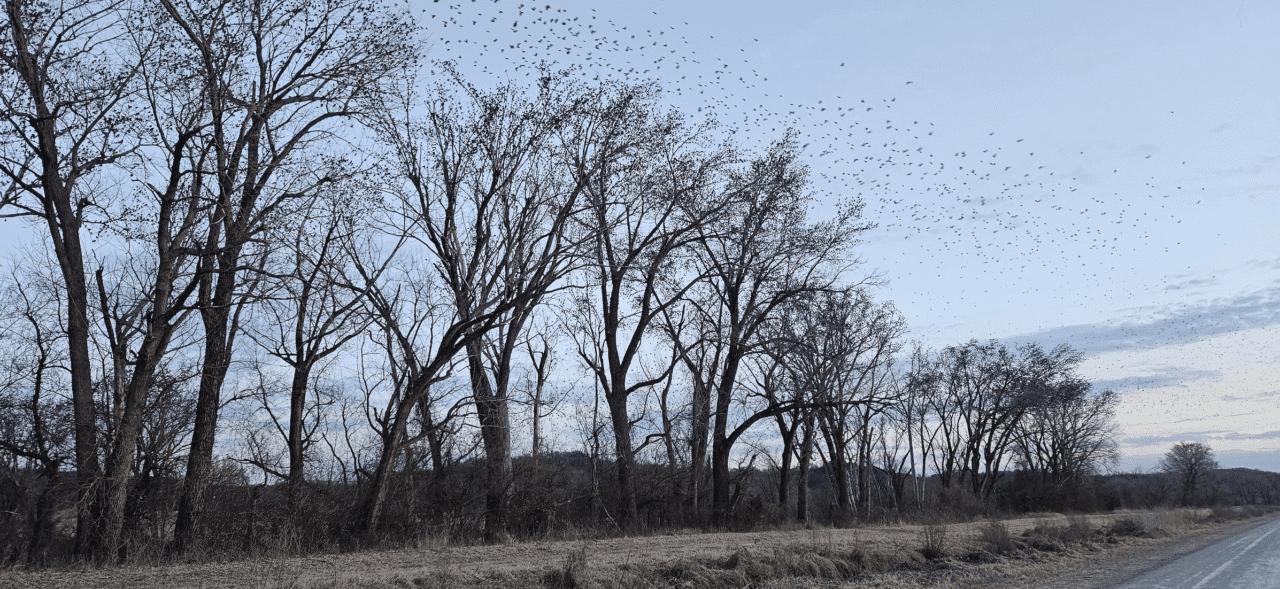
Birders spotted large flocks of birds around the world. A sure sign of spring in the northern portions of North America is the return of the Red-winged Blackbirds. As pictured to the right, more than 500,000 were spotted in Missouri along with a large flock of Snow Geese.
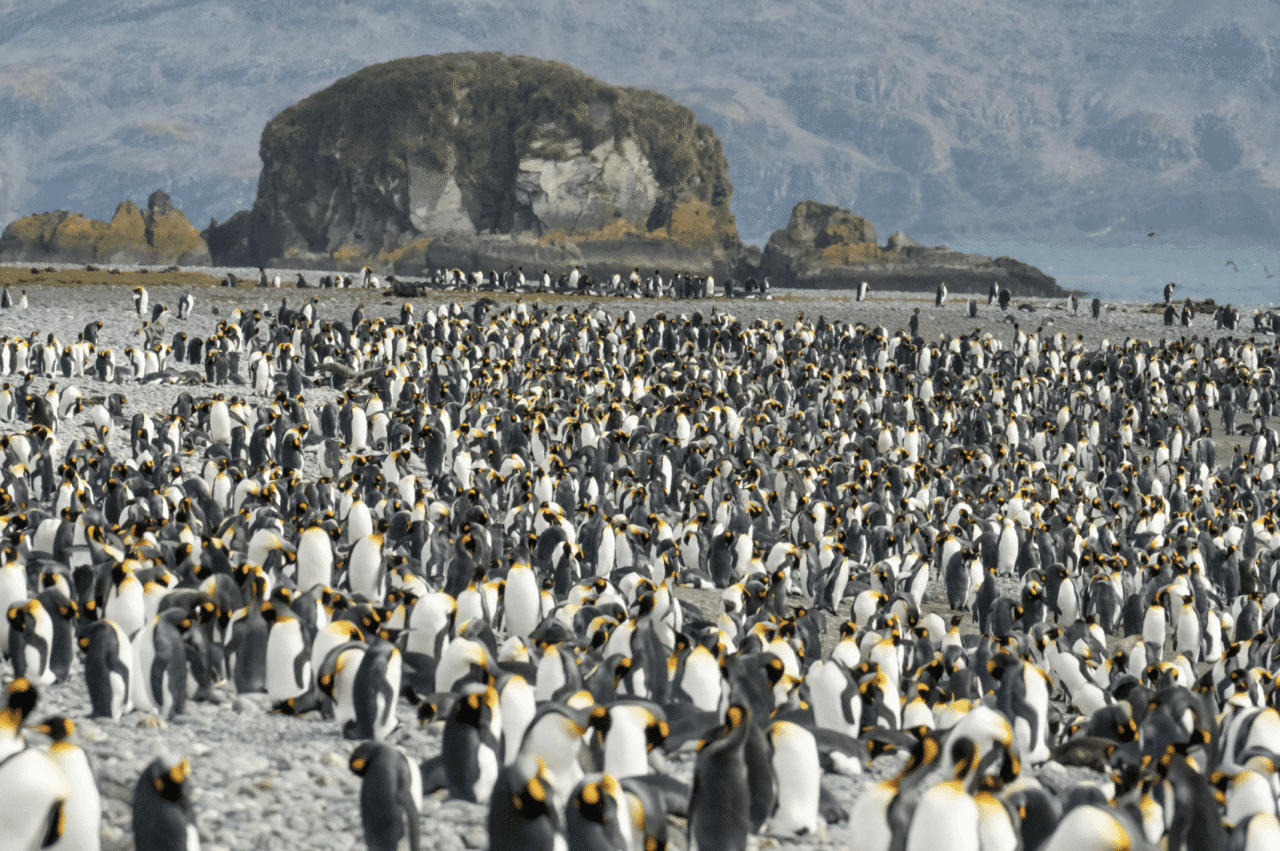
There was a surprisingly large reporting of King Penguins. As seen below, this flock consisted of approximately 120,000 individuals. How amazing it must have been to witness that.
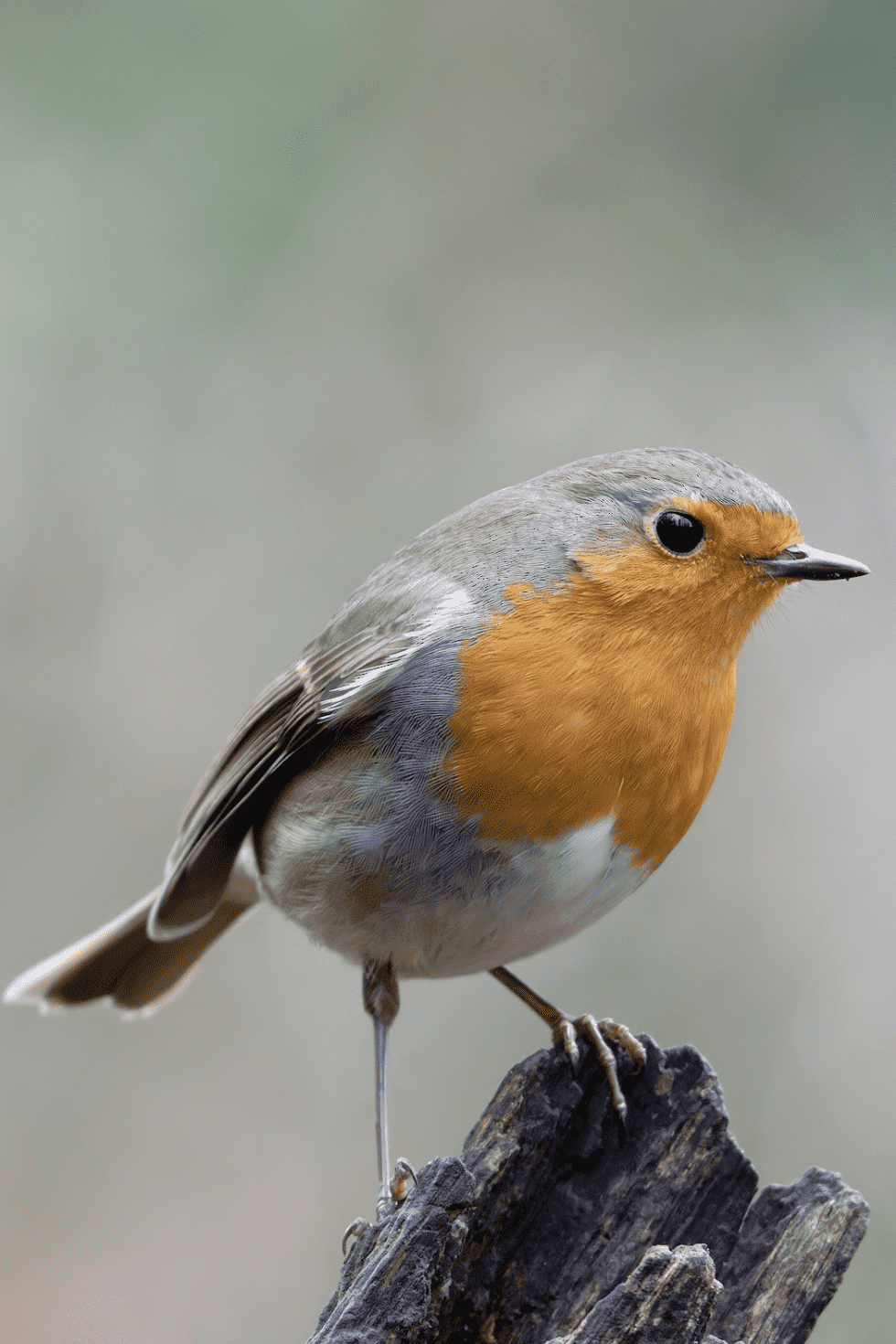
Rare birds were sighted all over the world. A variety of waterfowl including Taiga Bean-Goose, Barnacle Goose, Whooper Swan, Tufted Duck, Pink-footed Goose, and Eurasian Coot were seen in various places in the United States and Canada during GBBC. Quebec was a buzz with many sightings of a European Robin, a continent off from its normal range.
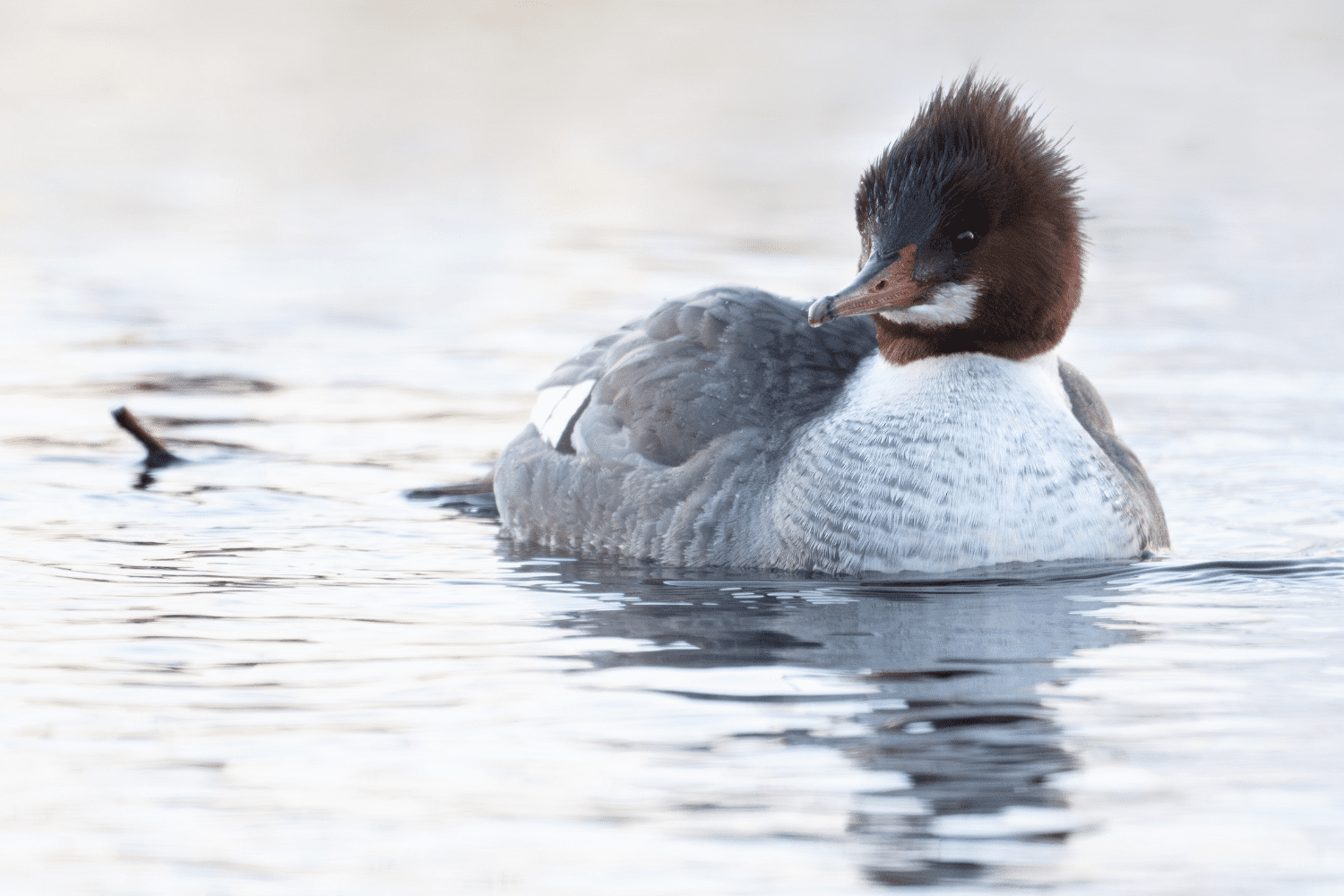
In India, unusual sightings of waterfowl included Graylag Goose, Lesser White-fronted Goose, and Knob-billed Duck. While in the United Kingdom birders spotted Smew and Bufflehead, rare finds in the UK.
We saw more engagement in Brazil this year where a Tropeiro Seedeater, which is considered a vulnerable species, was spotted. In Colombia, which supports the most bird species around the world, the elusive Dwarf Cuckoo was also spotted.
We invite you to explore our graphs and data to see more of the incredible contributions that you made as global citizens committed to understanding and preserving bird populations.
Record Number of People Images in 2026 — Thank You
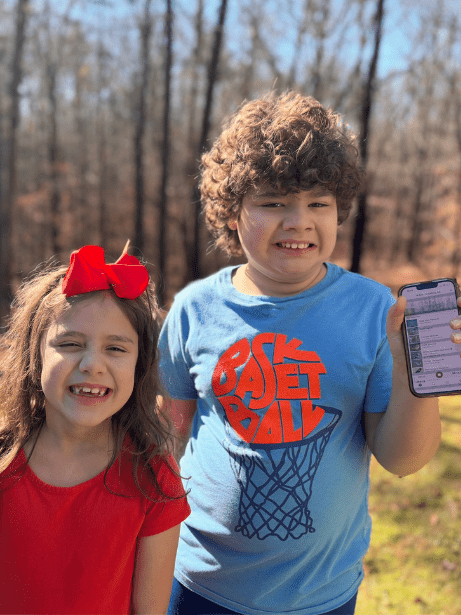
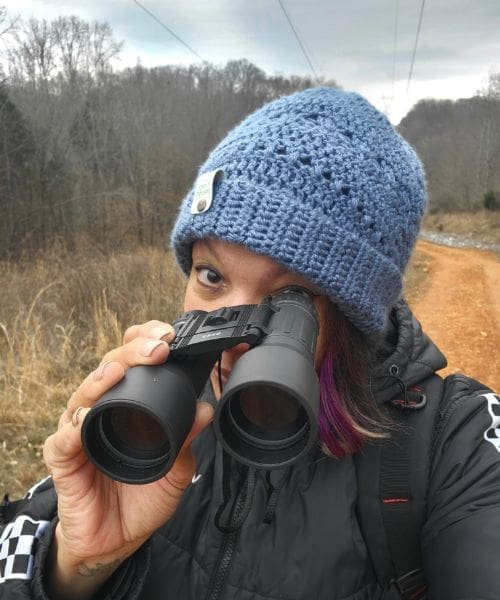
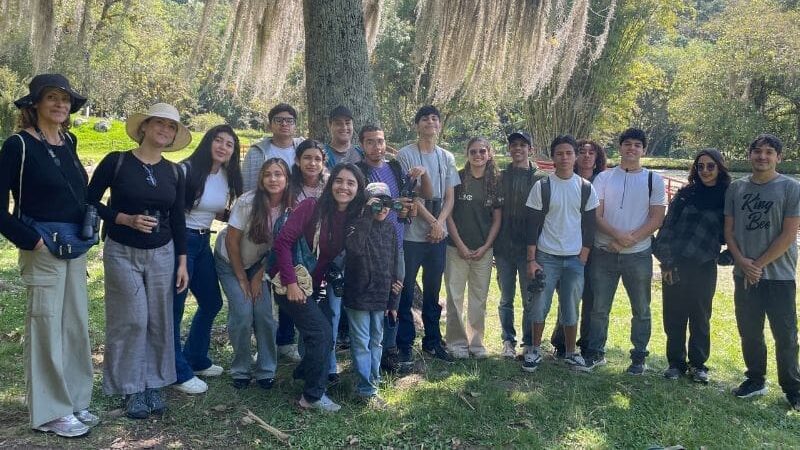
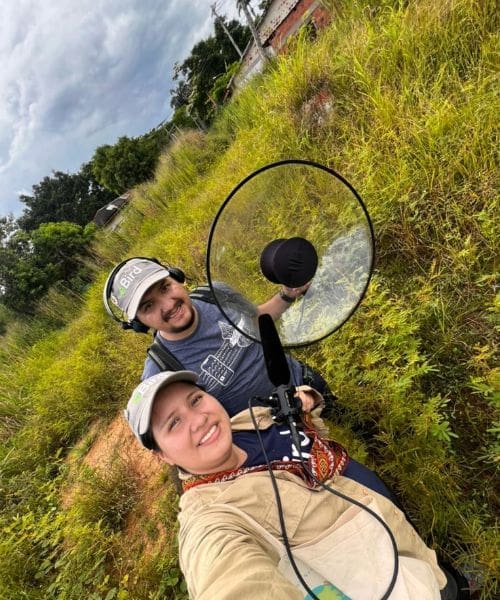
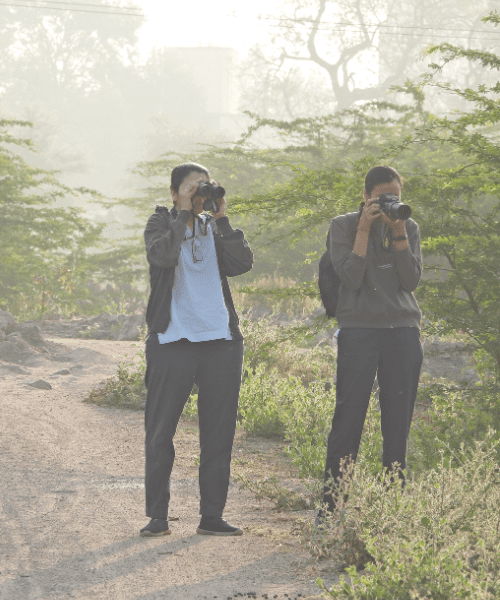
We were inspired to see happy birders of all ages enjoying the weekend. Photos show families, friends, couples, individuals, and communities out in nature or hunkered close to home sharing their bird observations. Don’t miss this special photo gallery created during the GBBC reflecting the diversity of birds and the people appreciating them.








Next GBBC is February 12–15, 2027.
We’ll celebrate 30 years of watching birds together in February.
Stay connected to the Great Backyard Bird Count.
By subscribing to stay connected to the Great Backyard Bird Count, you agree to receive communications from The Cornell Lab, Audubon, and Birds Canada. You may unsubscribe from any of the organizations' communications at any time.