

California 2025

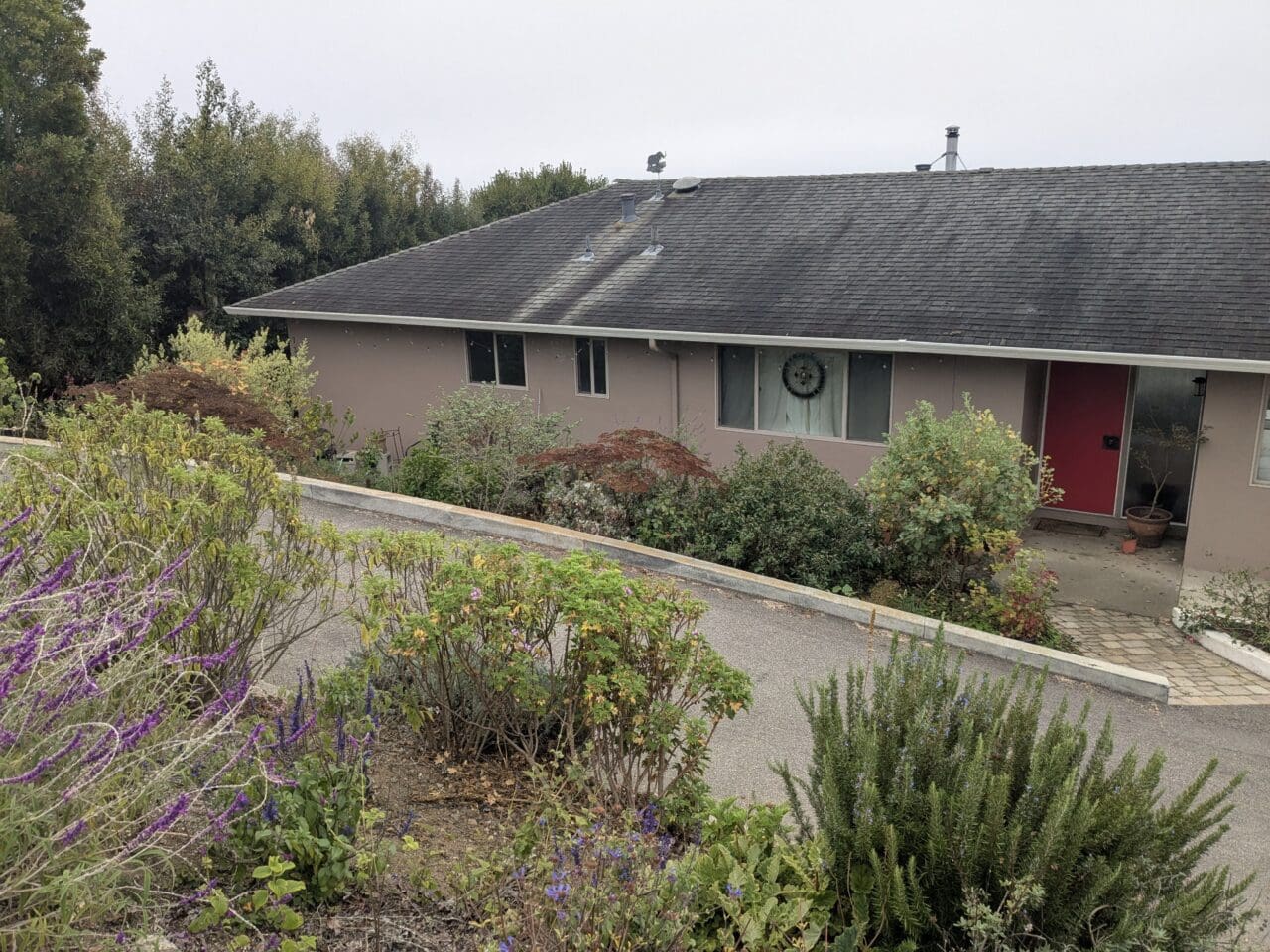
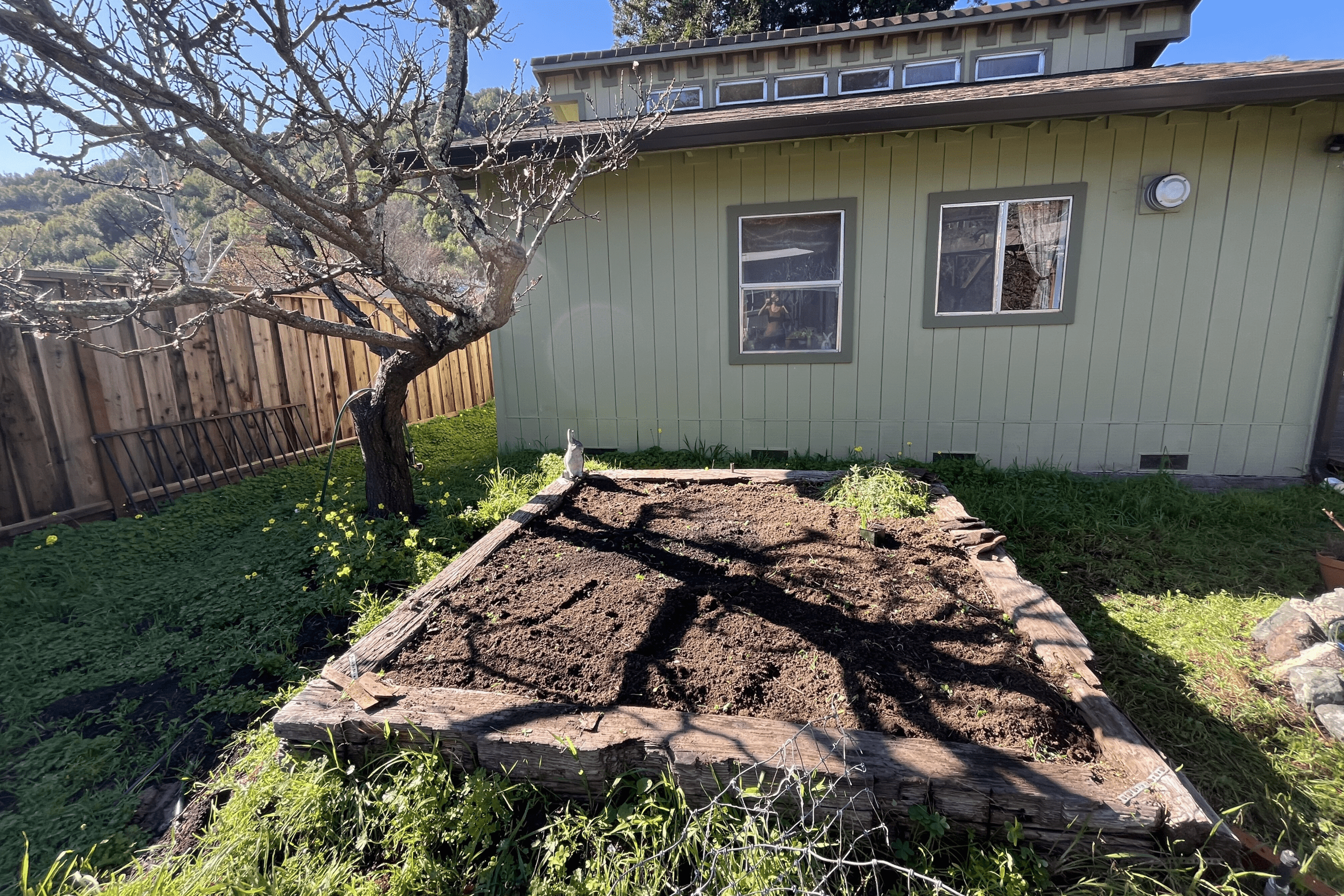
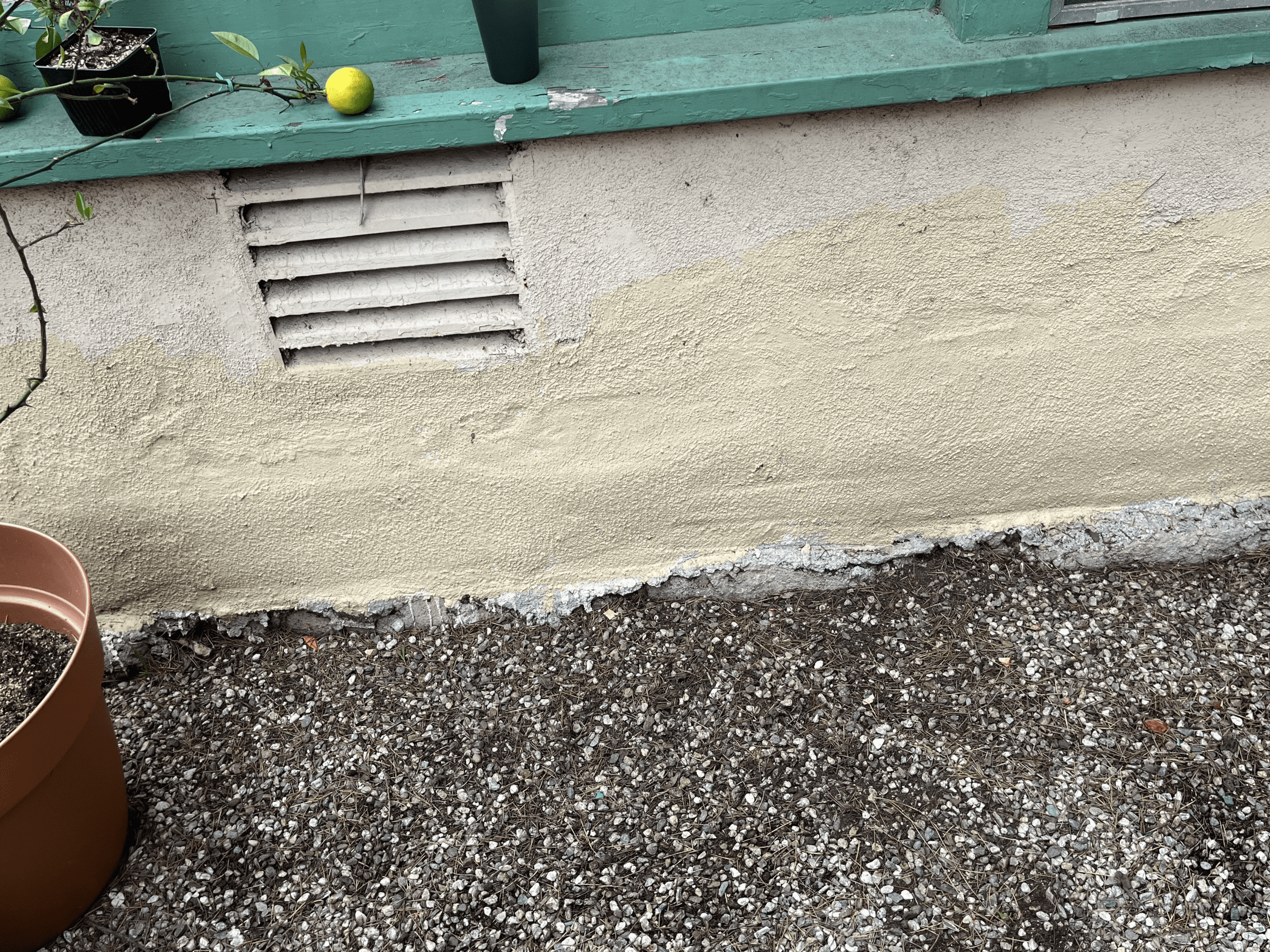
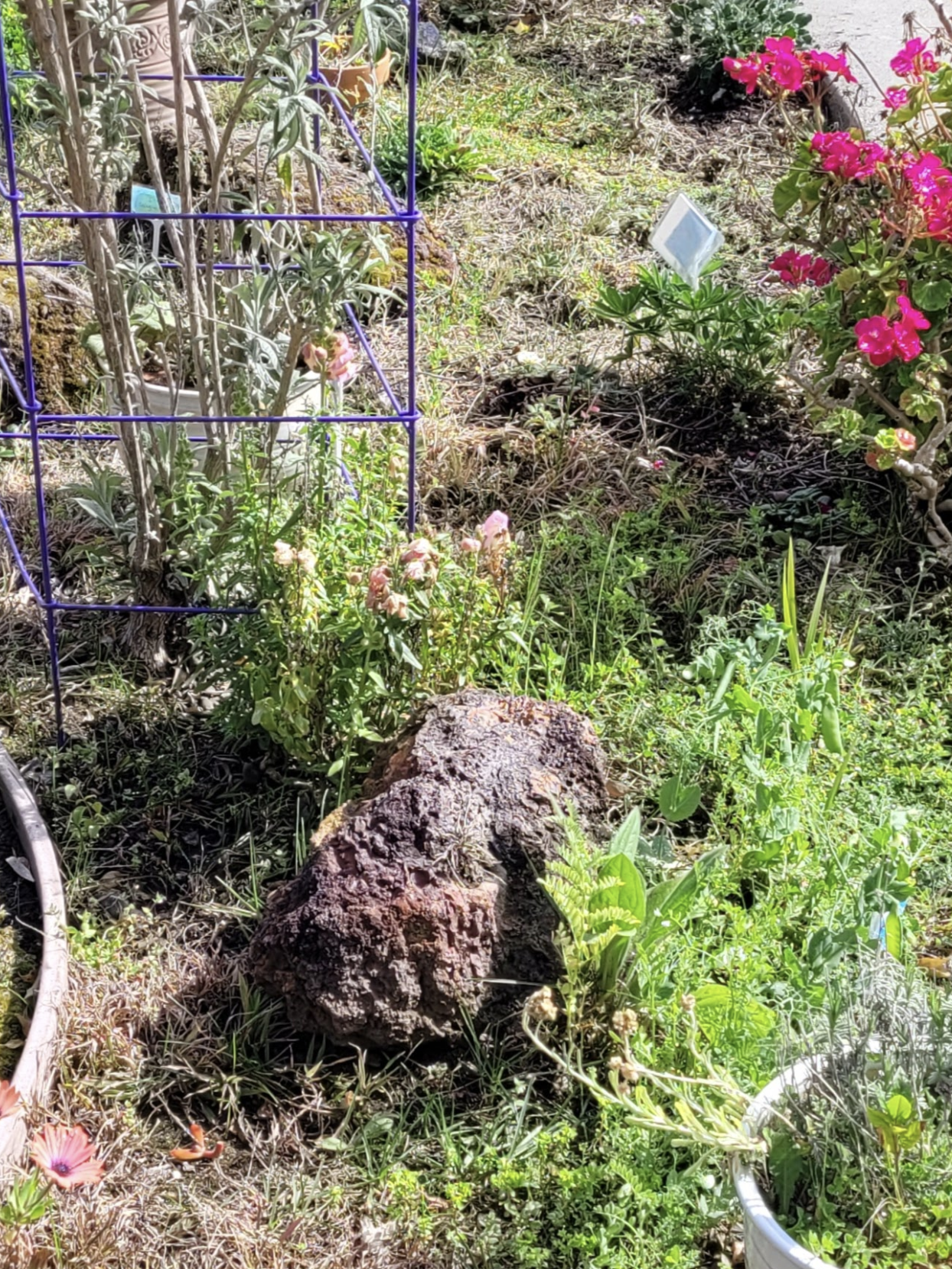
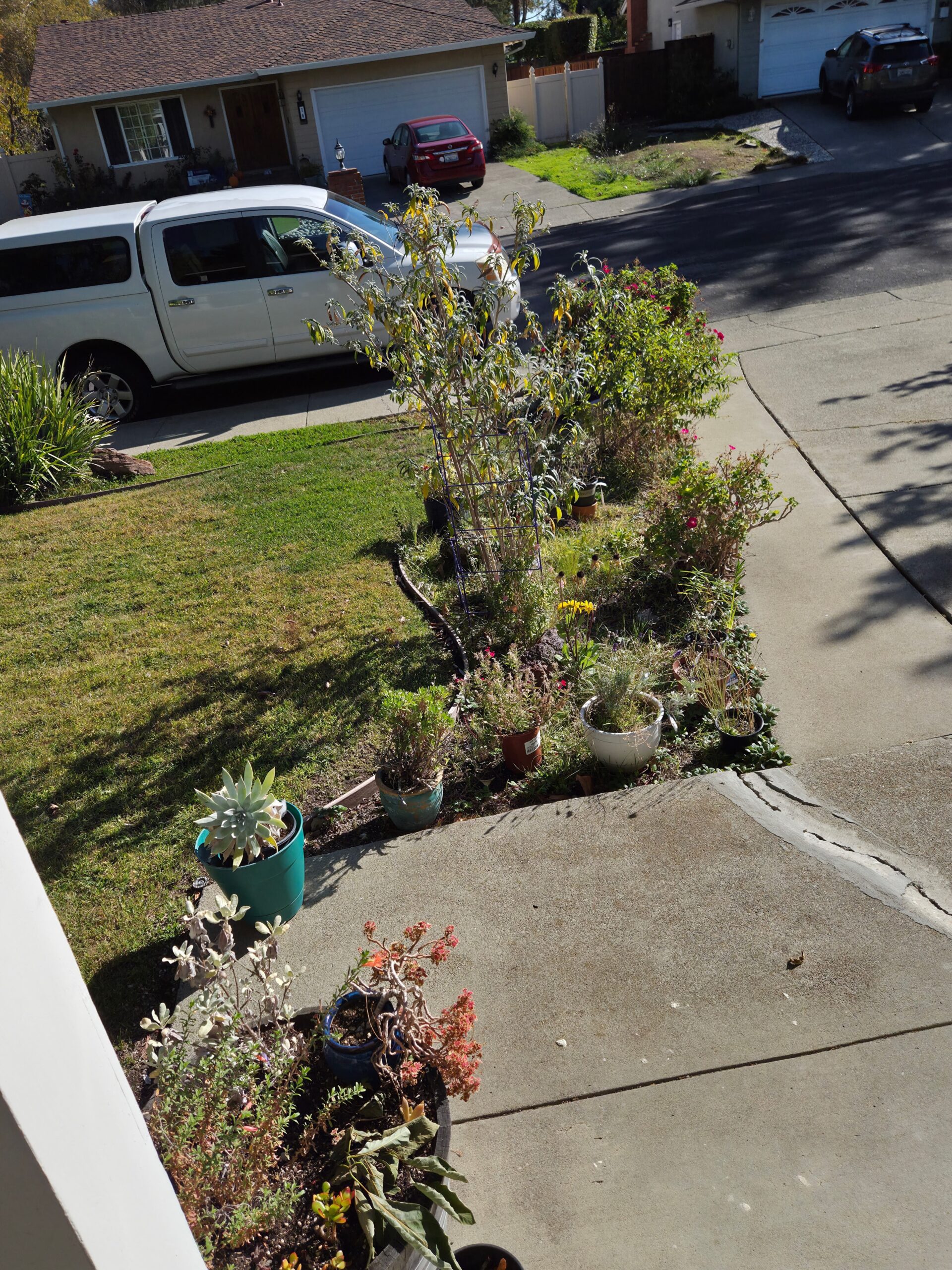
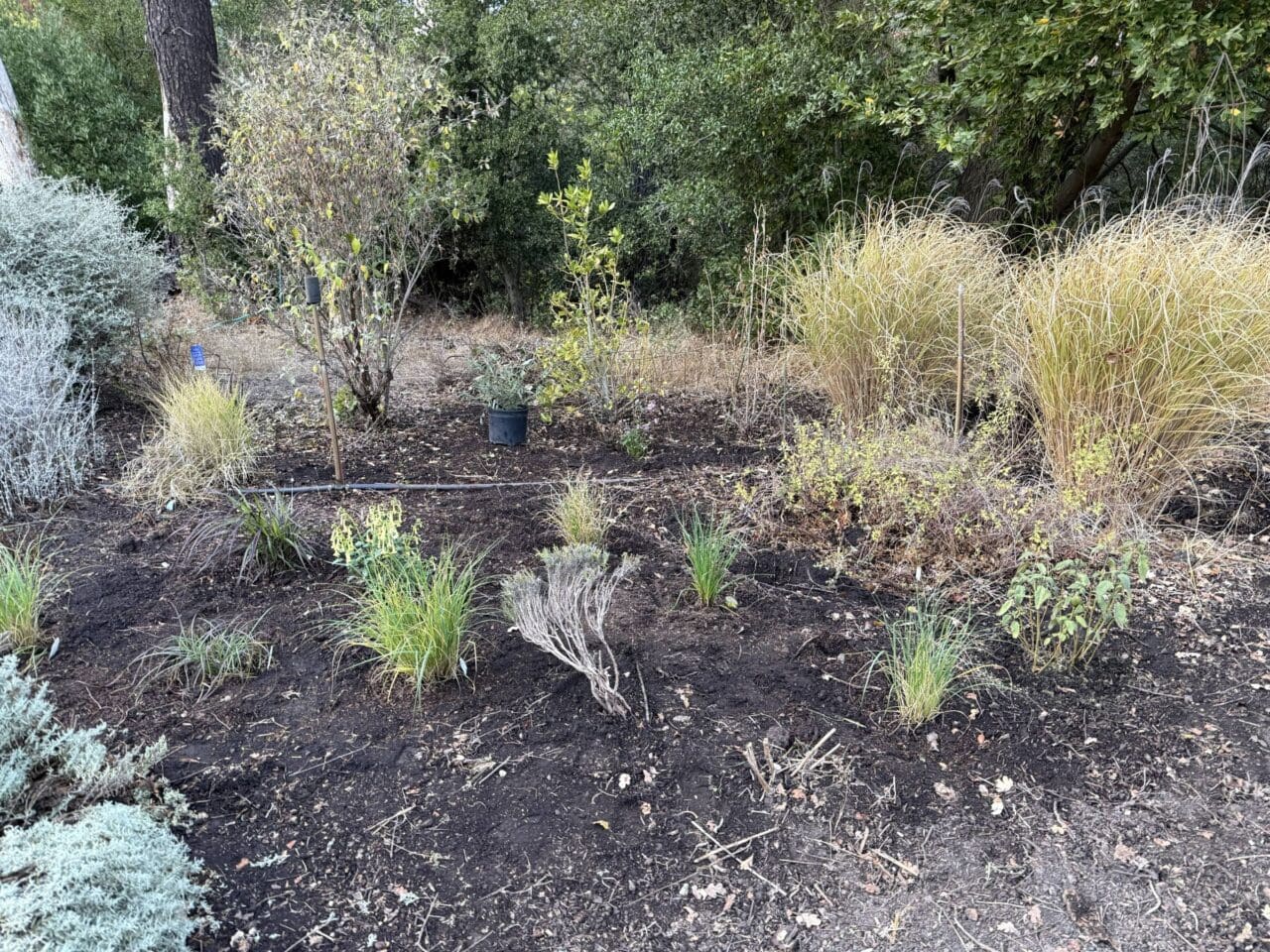
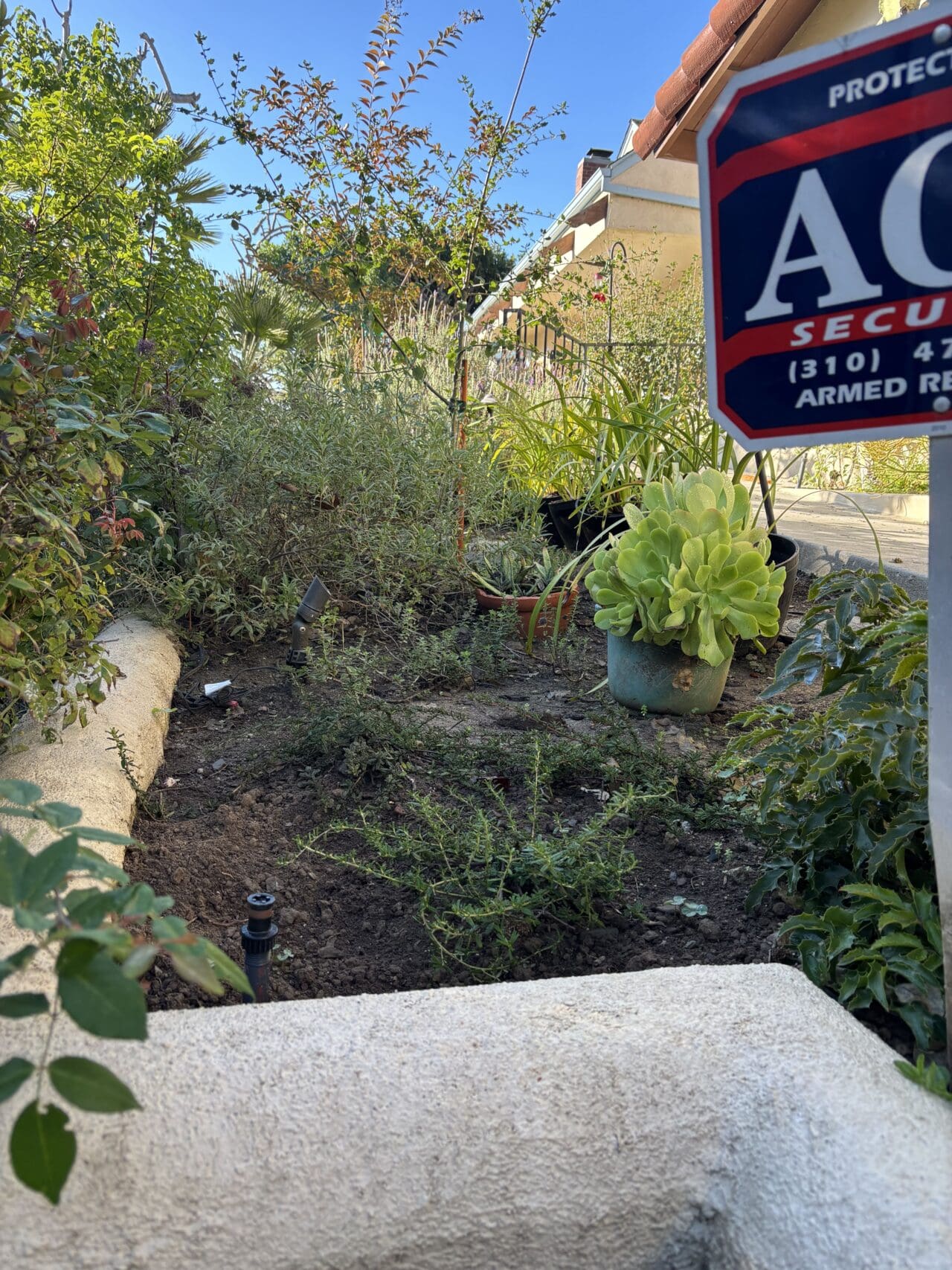
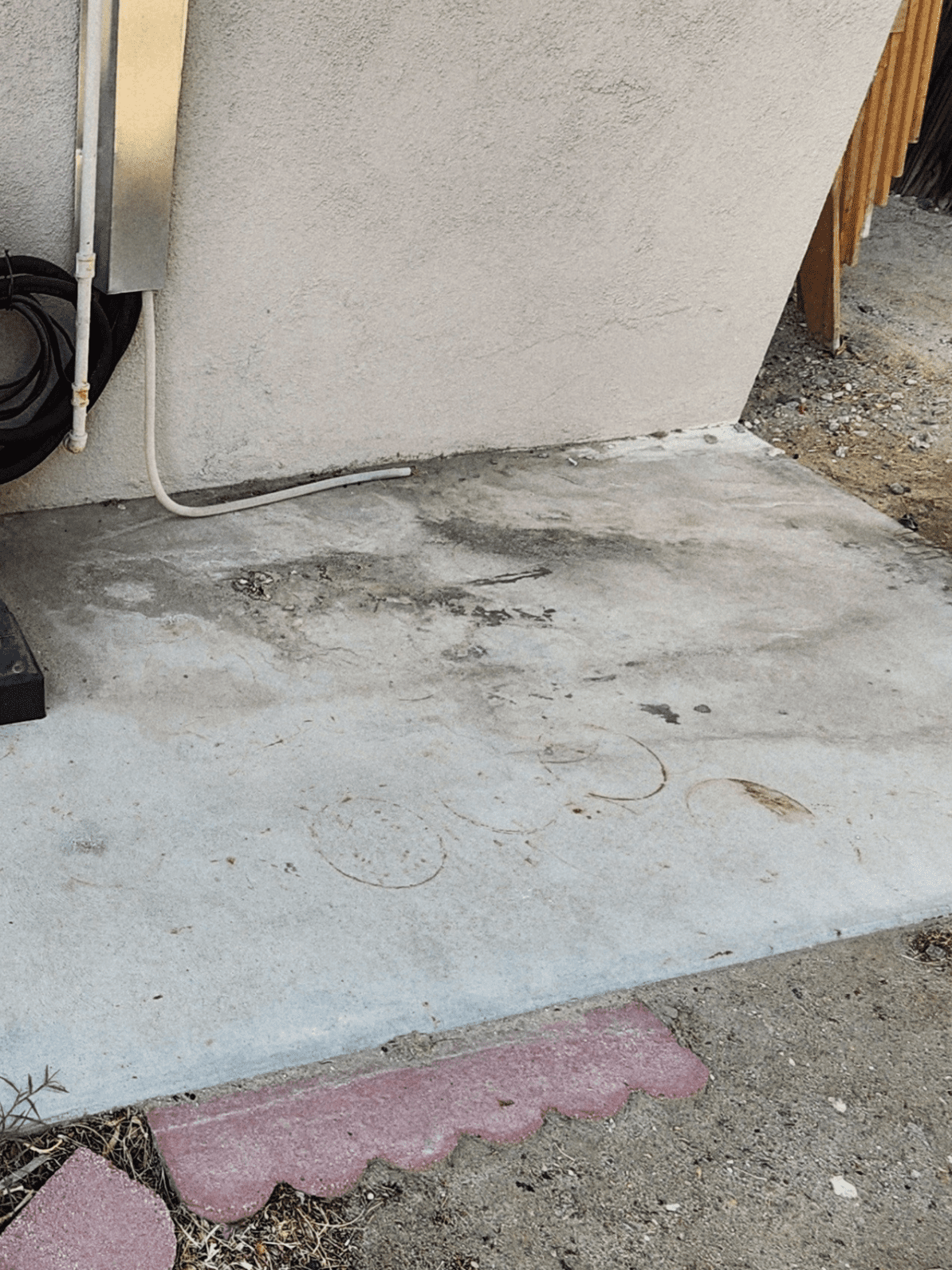
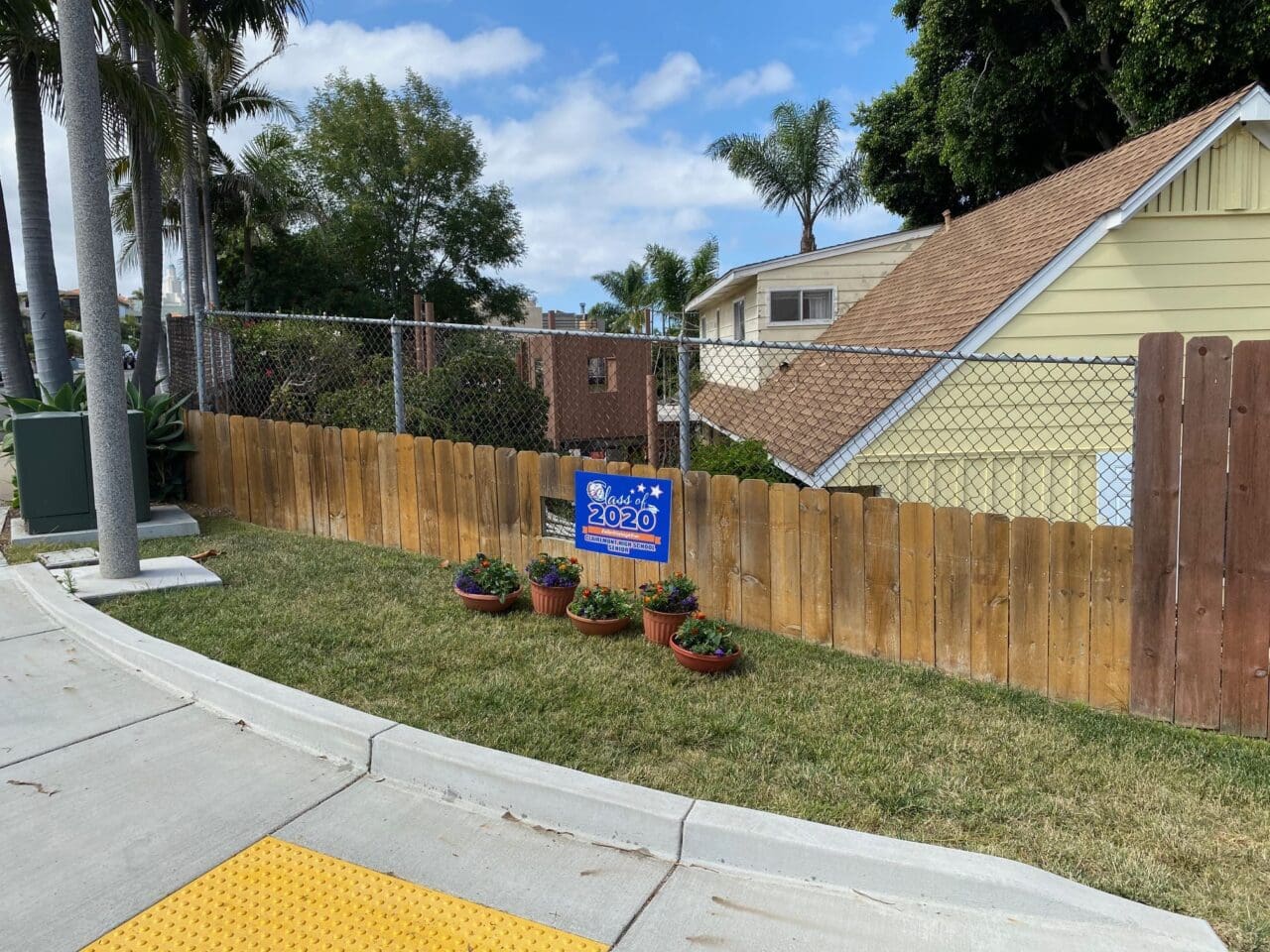
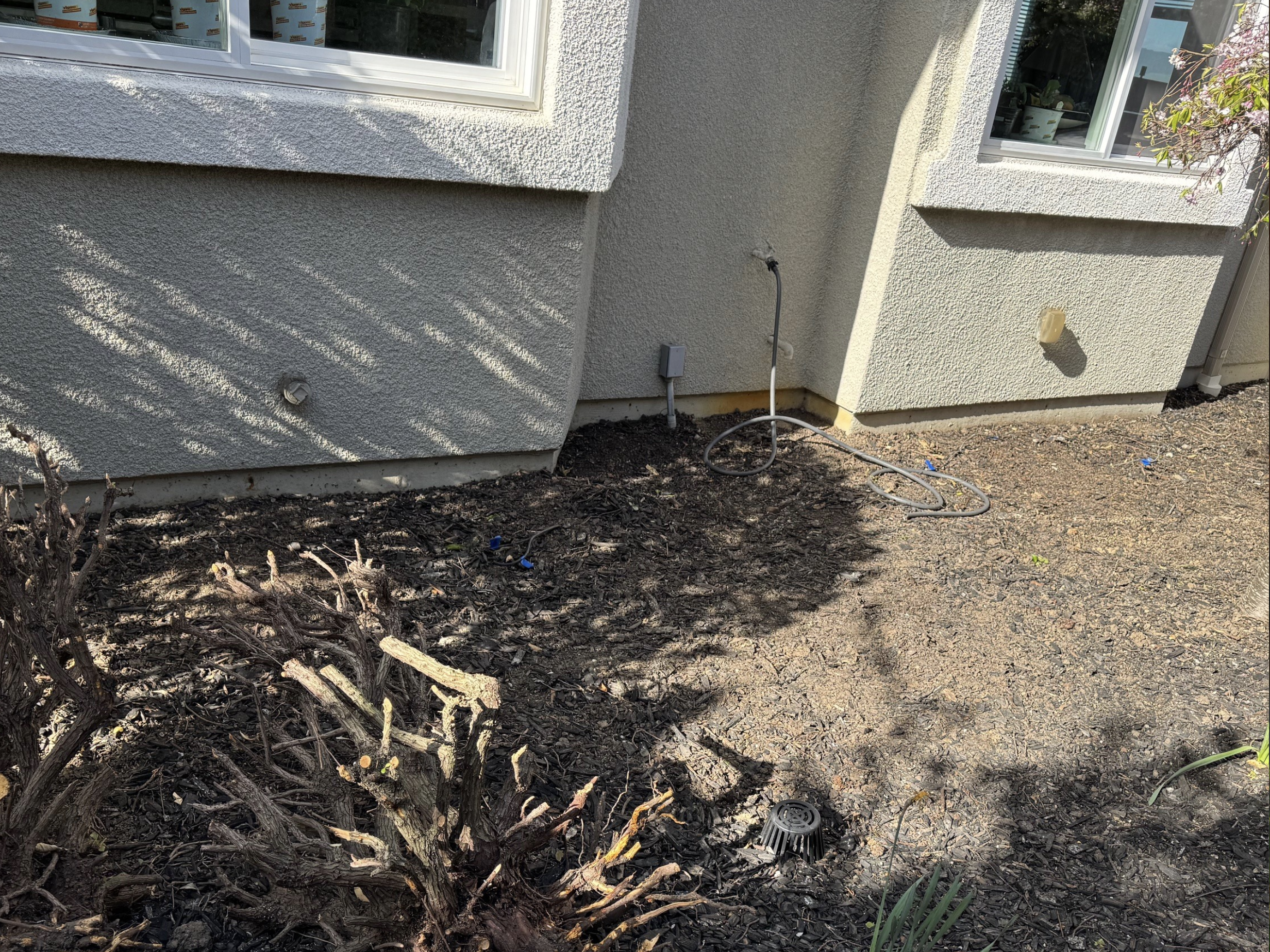
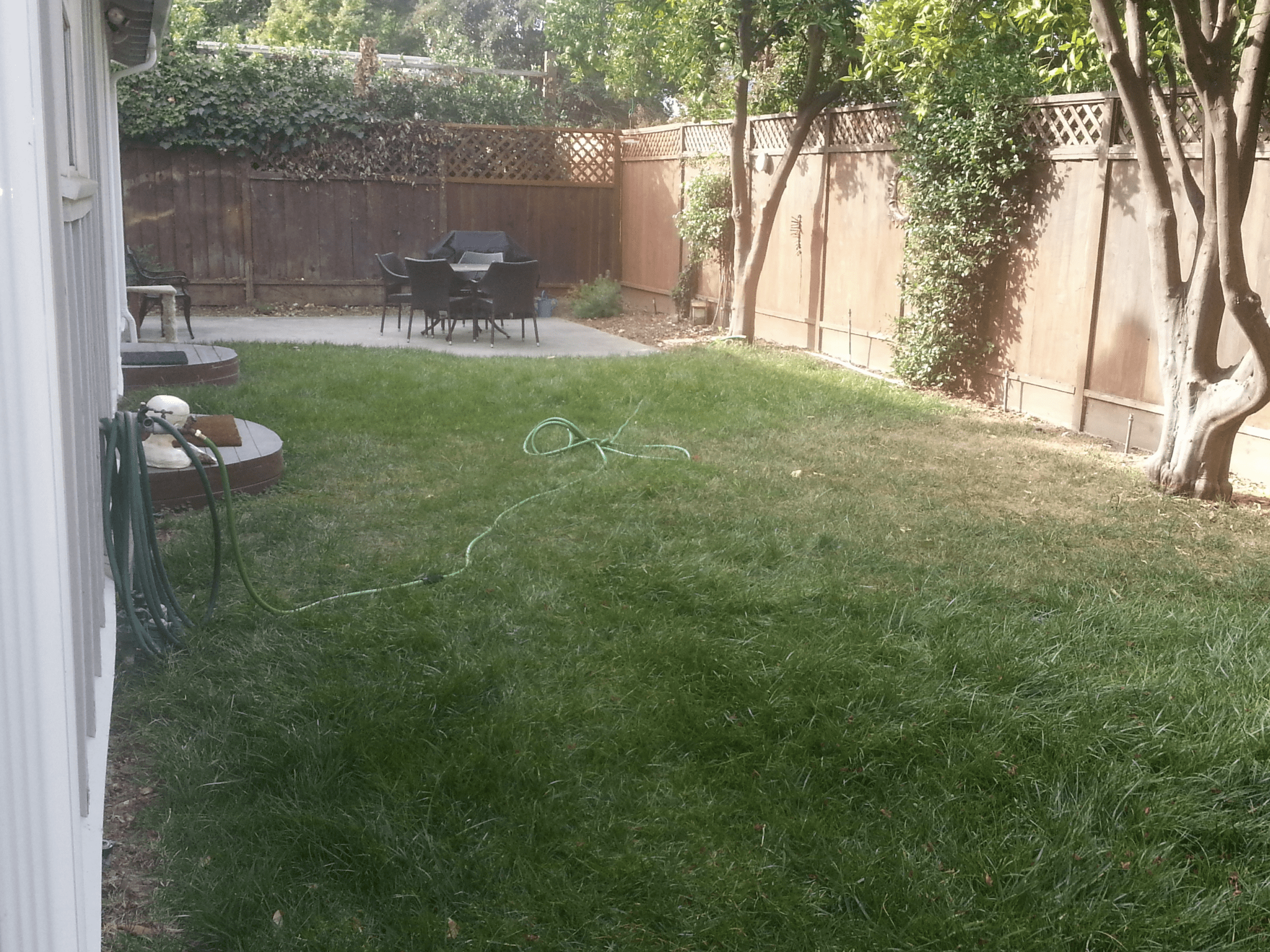
Before

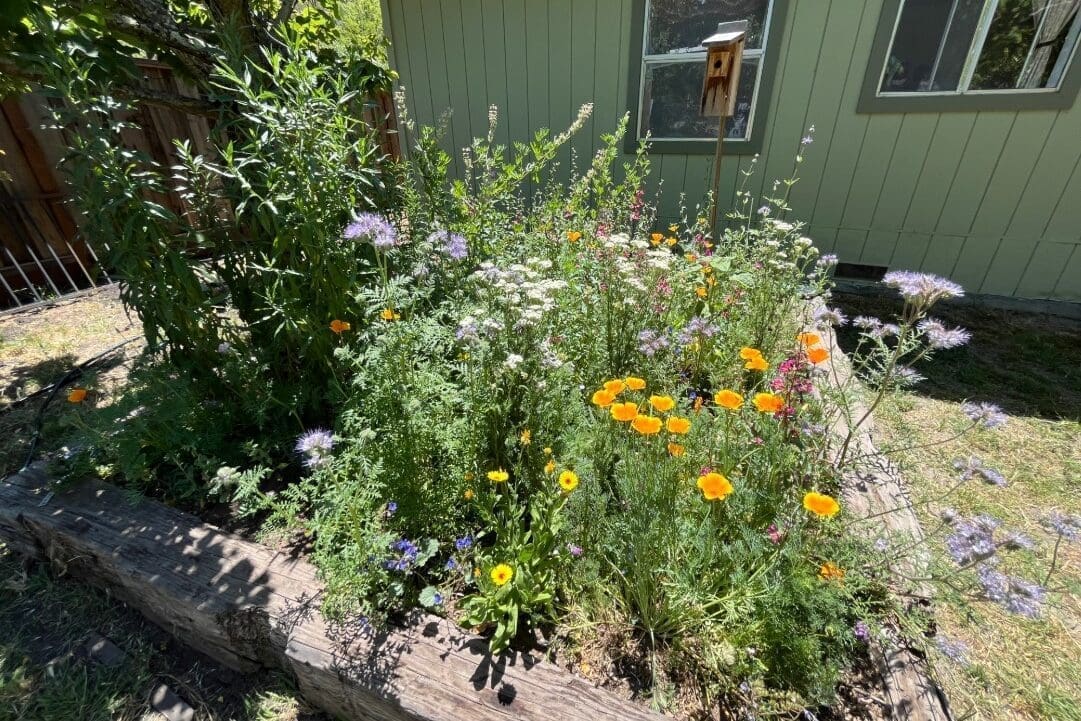
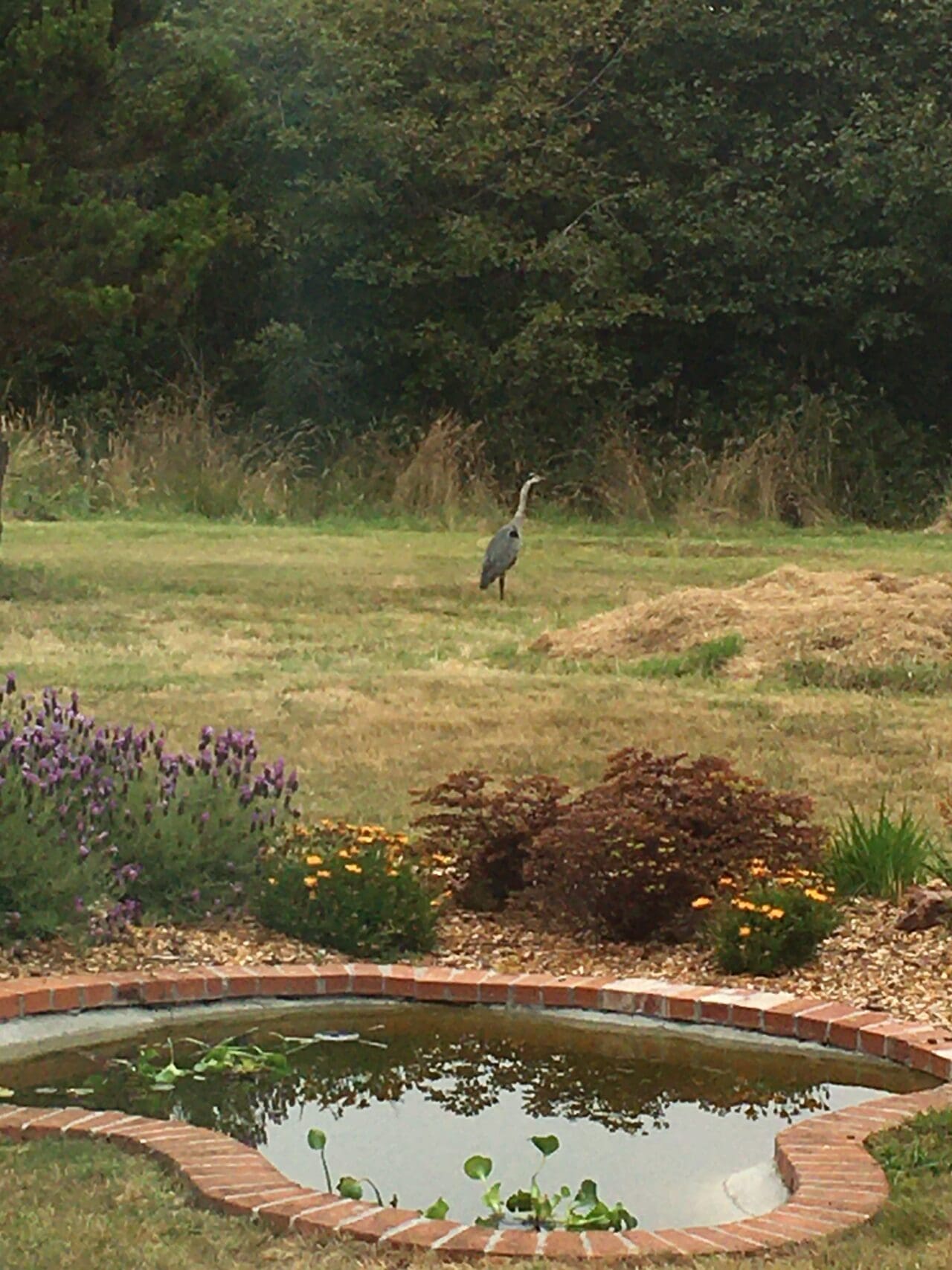
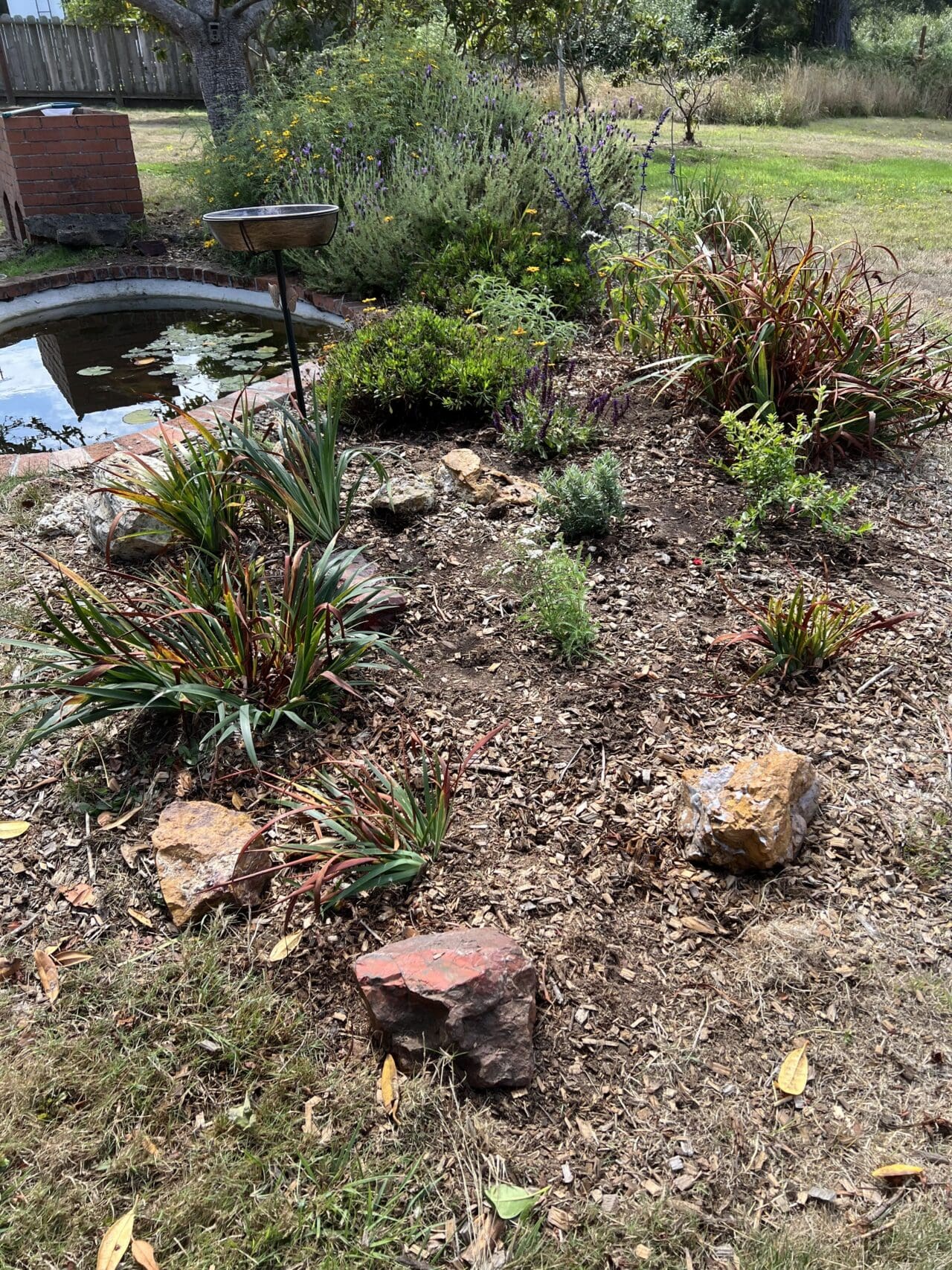
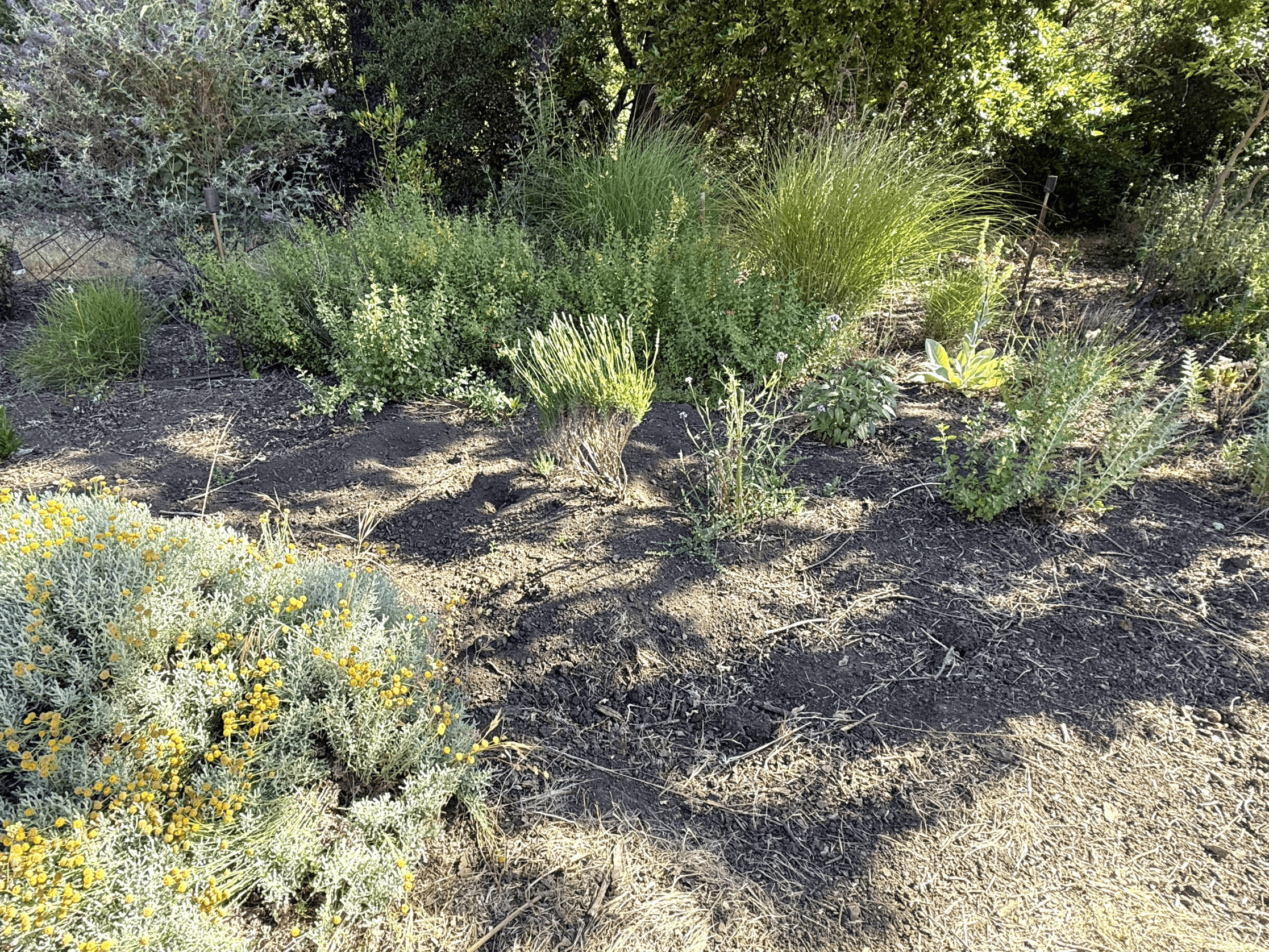
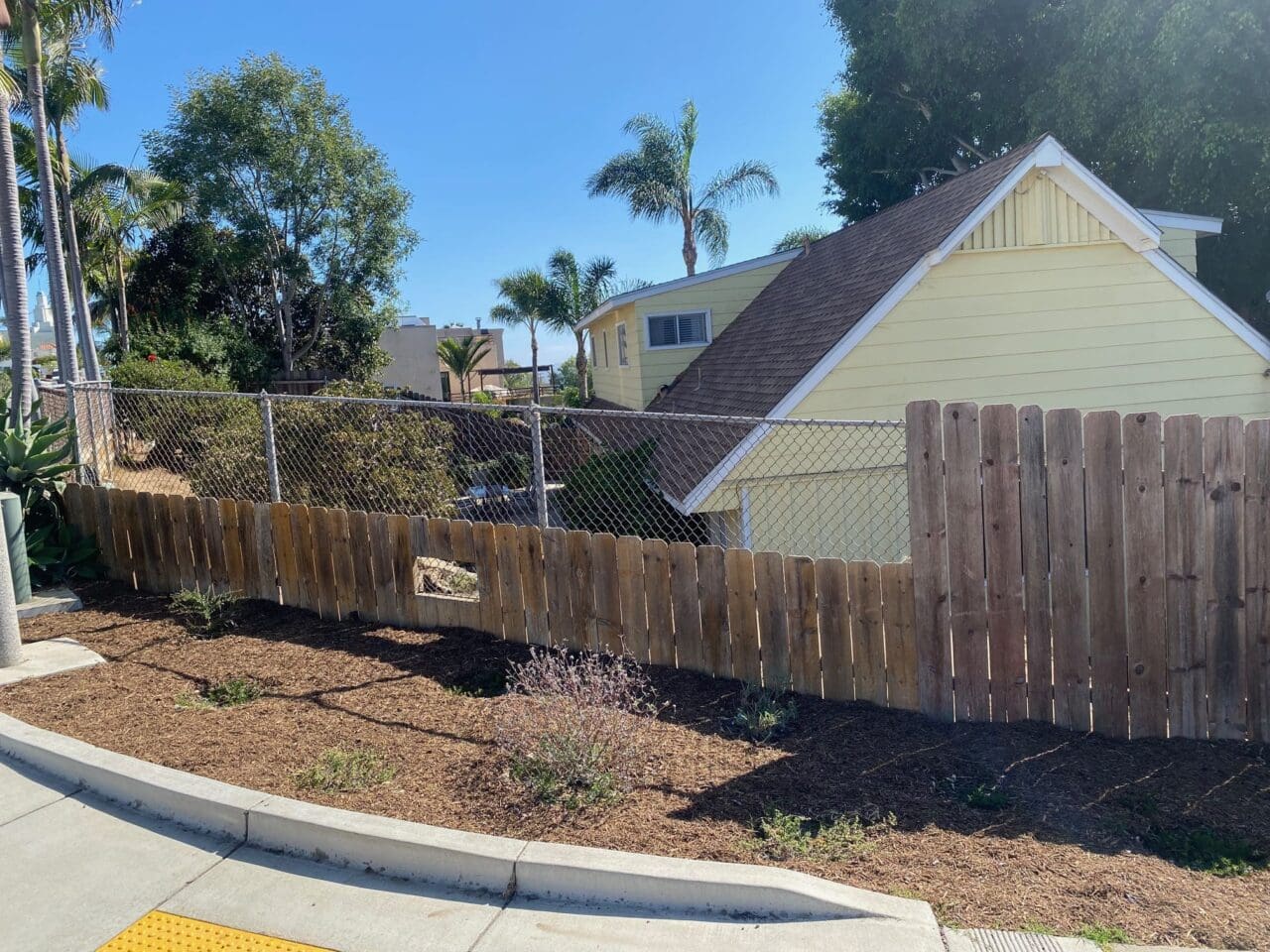
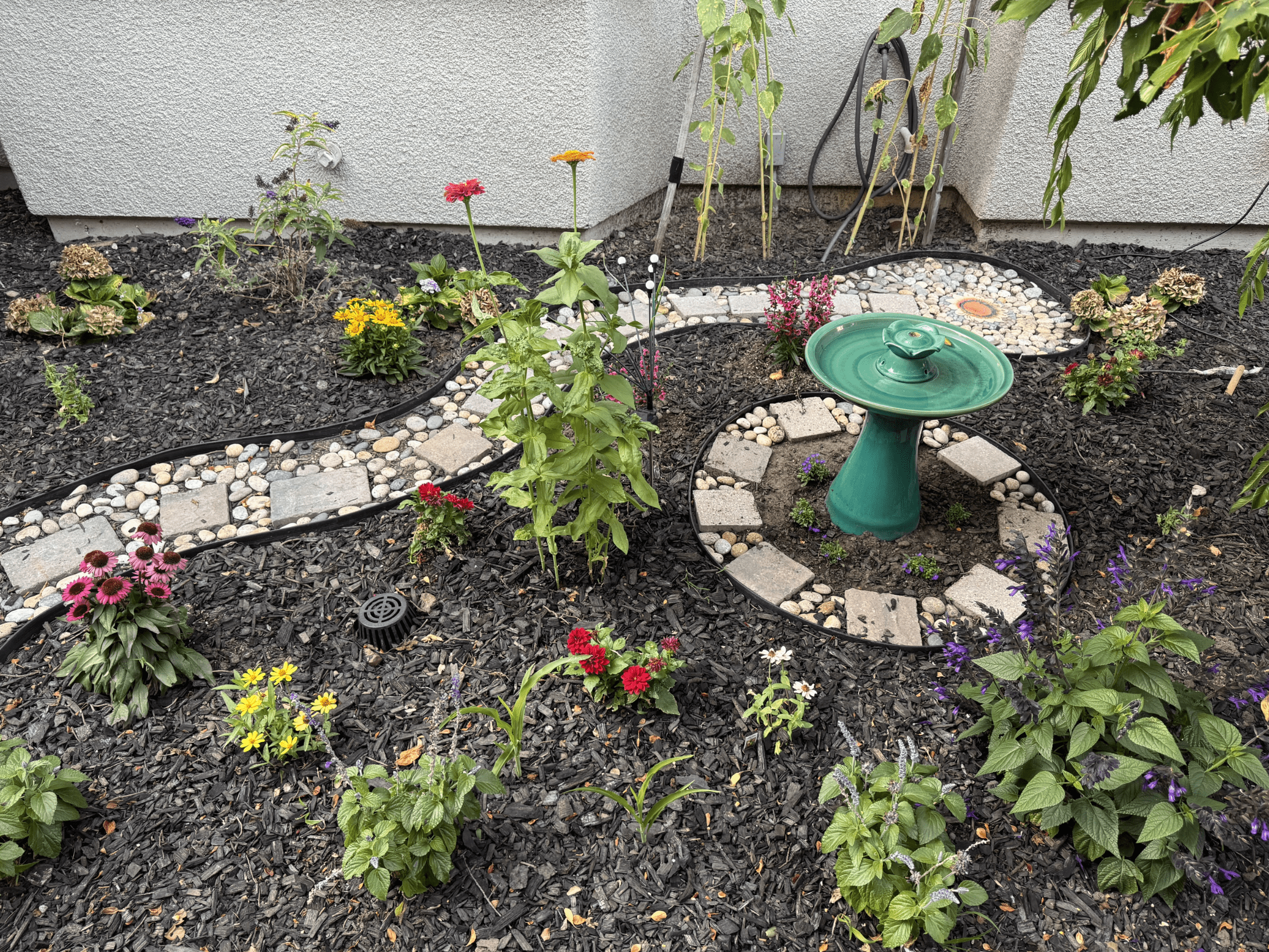
After

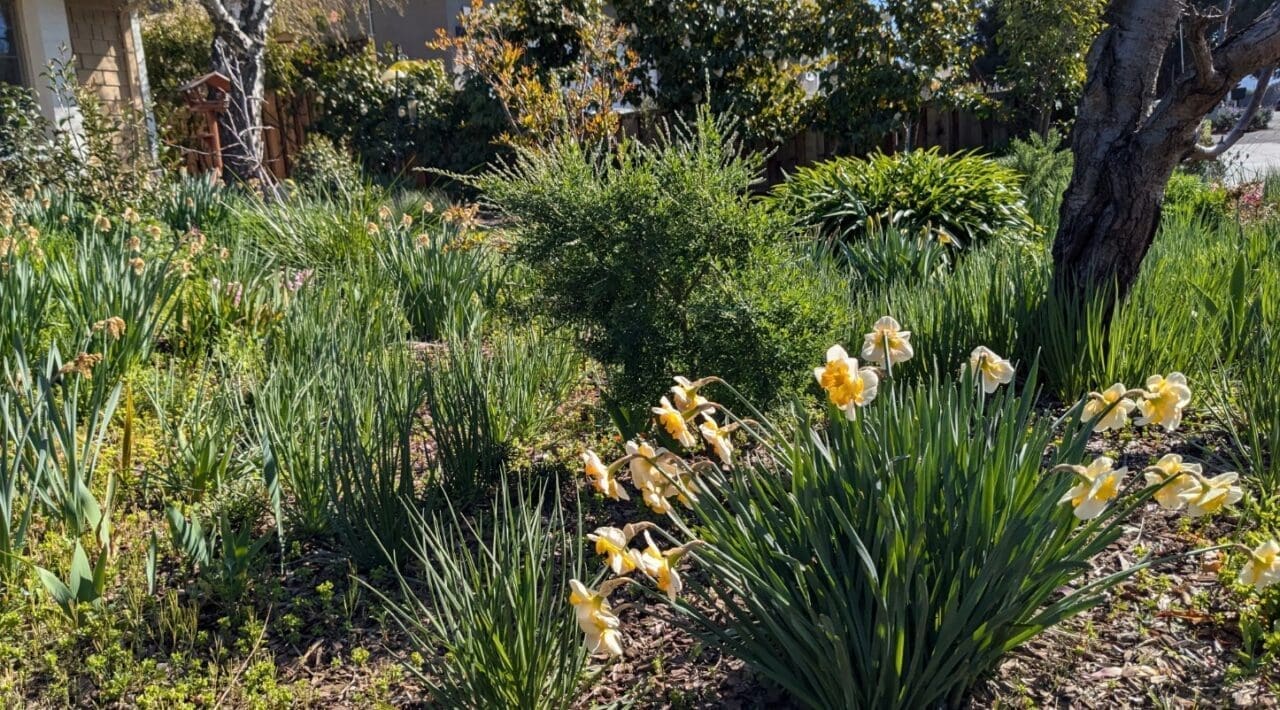
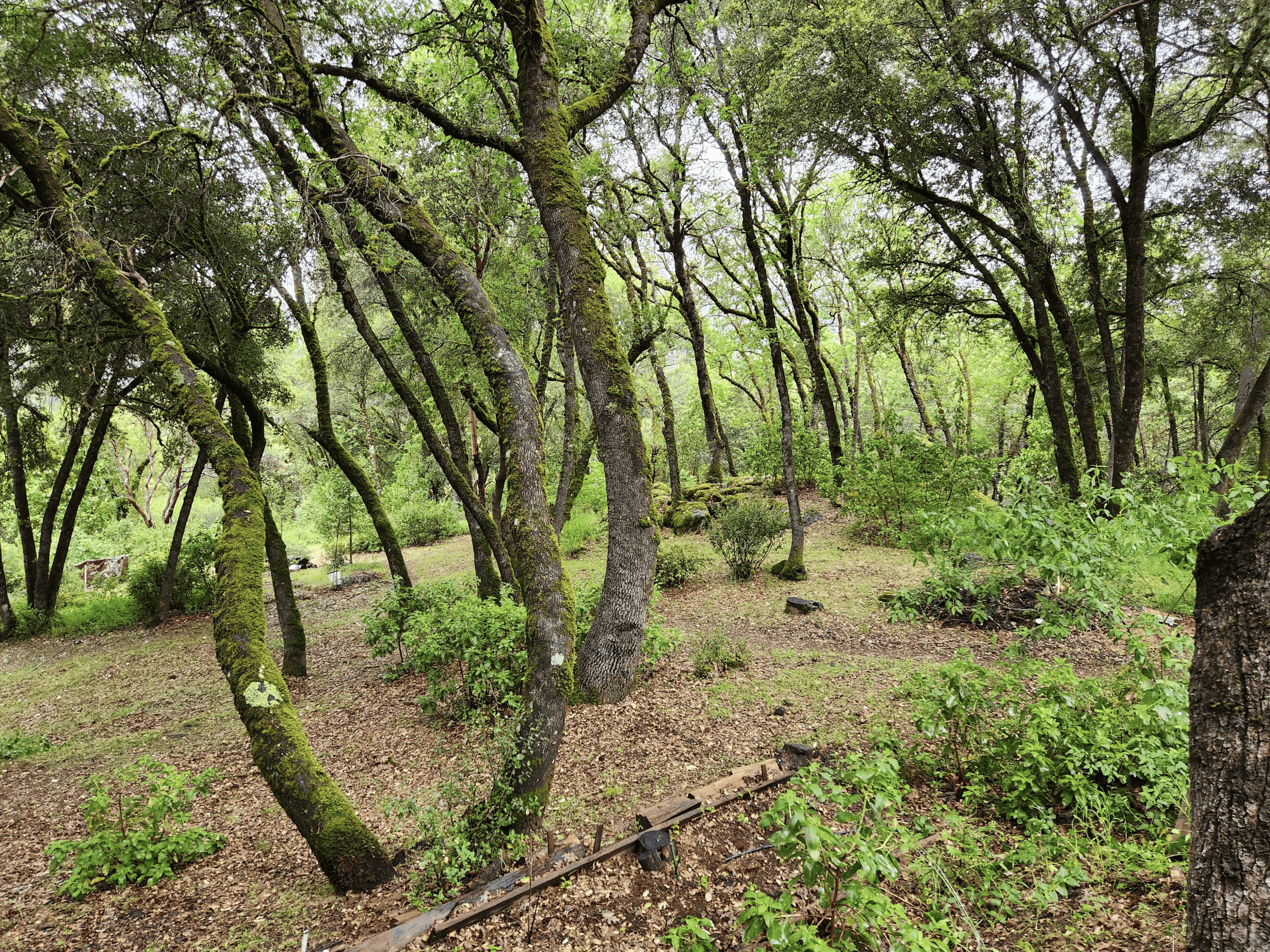
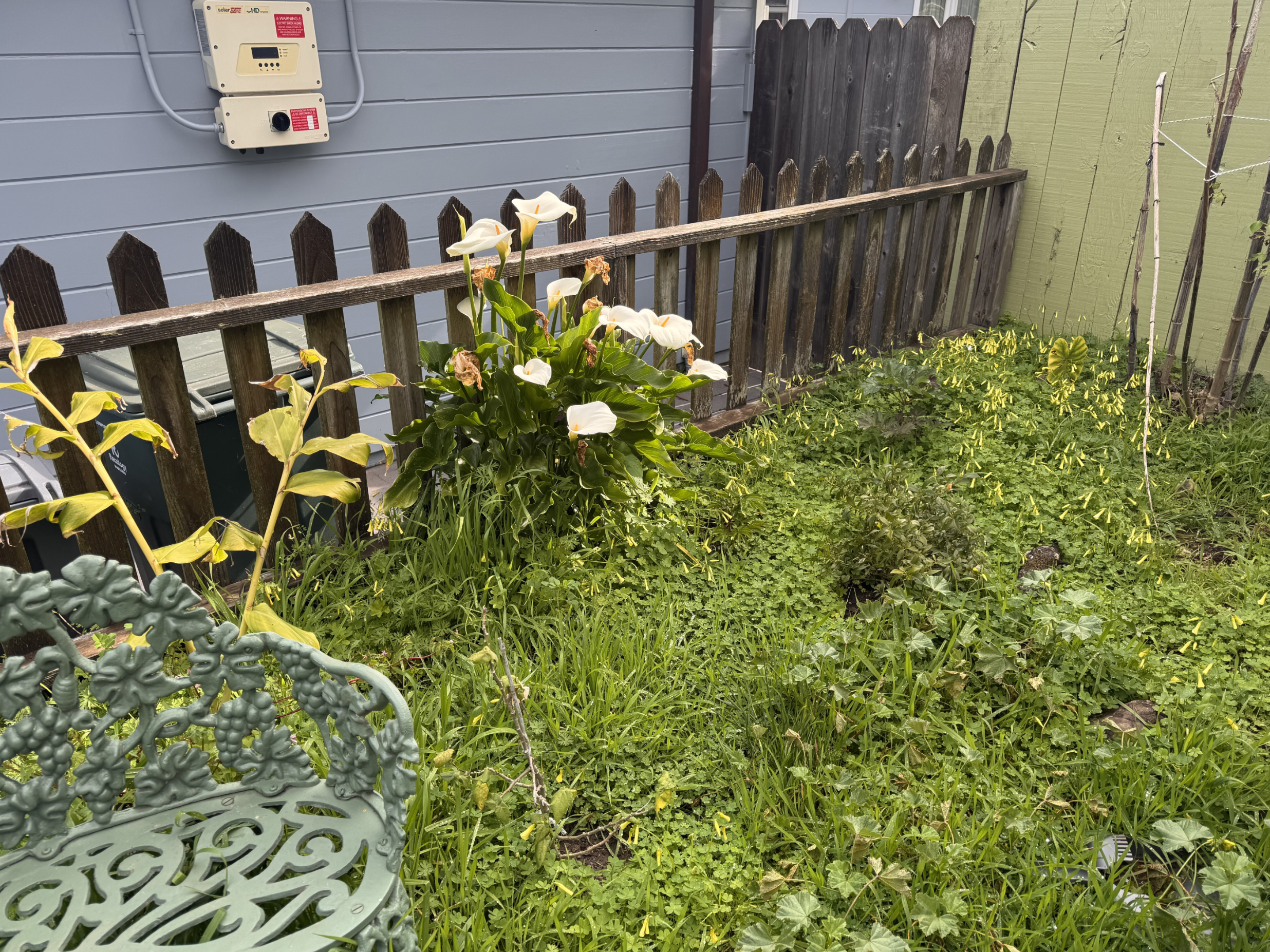
Homeowner is devoted to creating native plant landscapes. They’ve been adding natives to this site as a way to help others imagine what they can do with natives.
This homeowner has been transitioning their nonnative front yard into a habitat-rich space with native shrubbery for foraging and nesting birds.
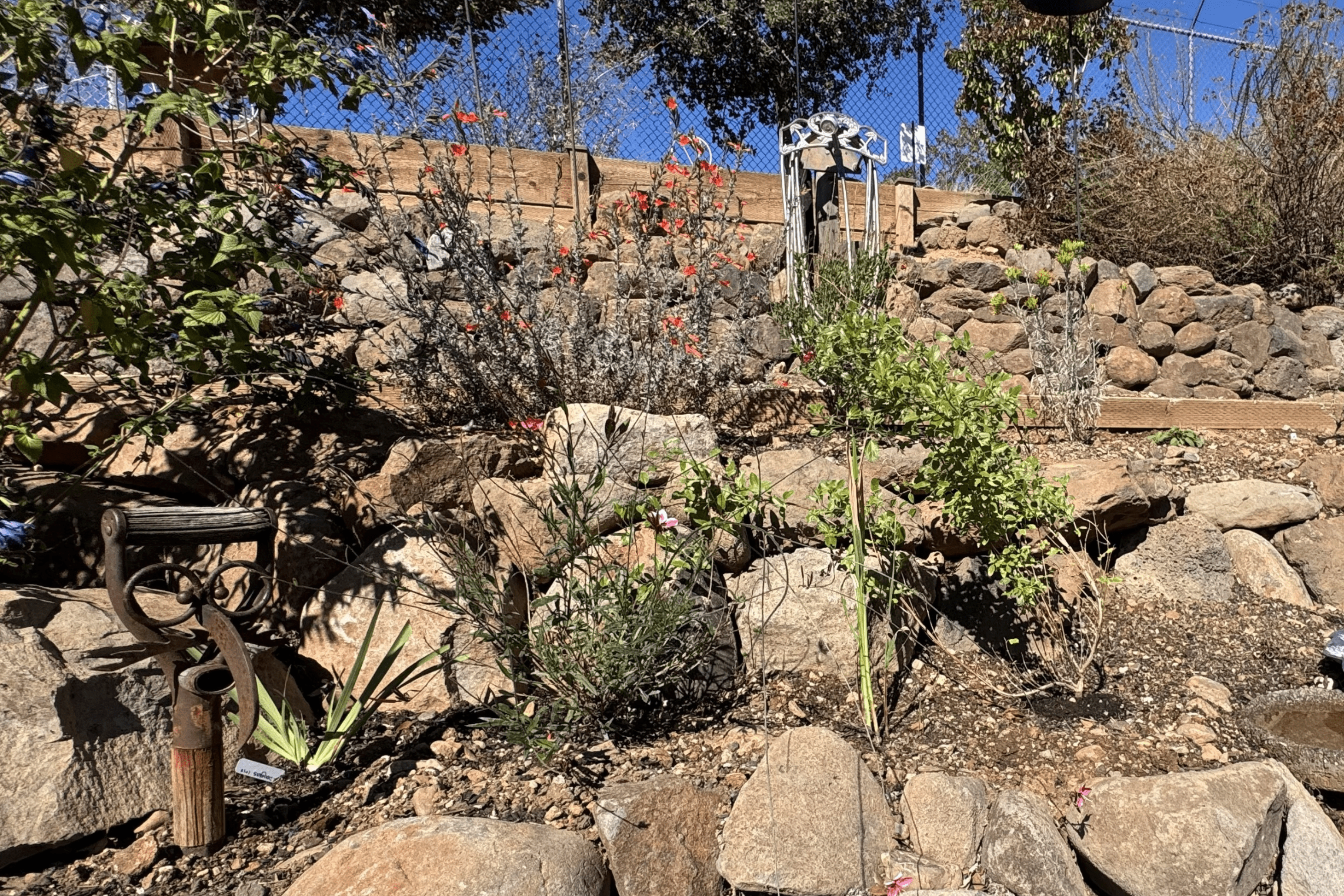
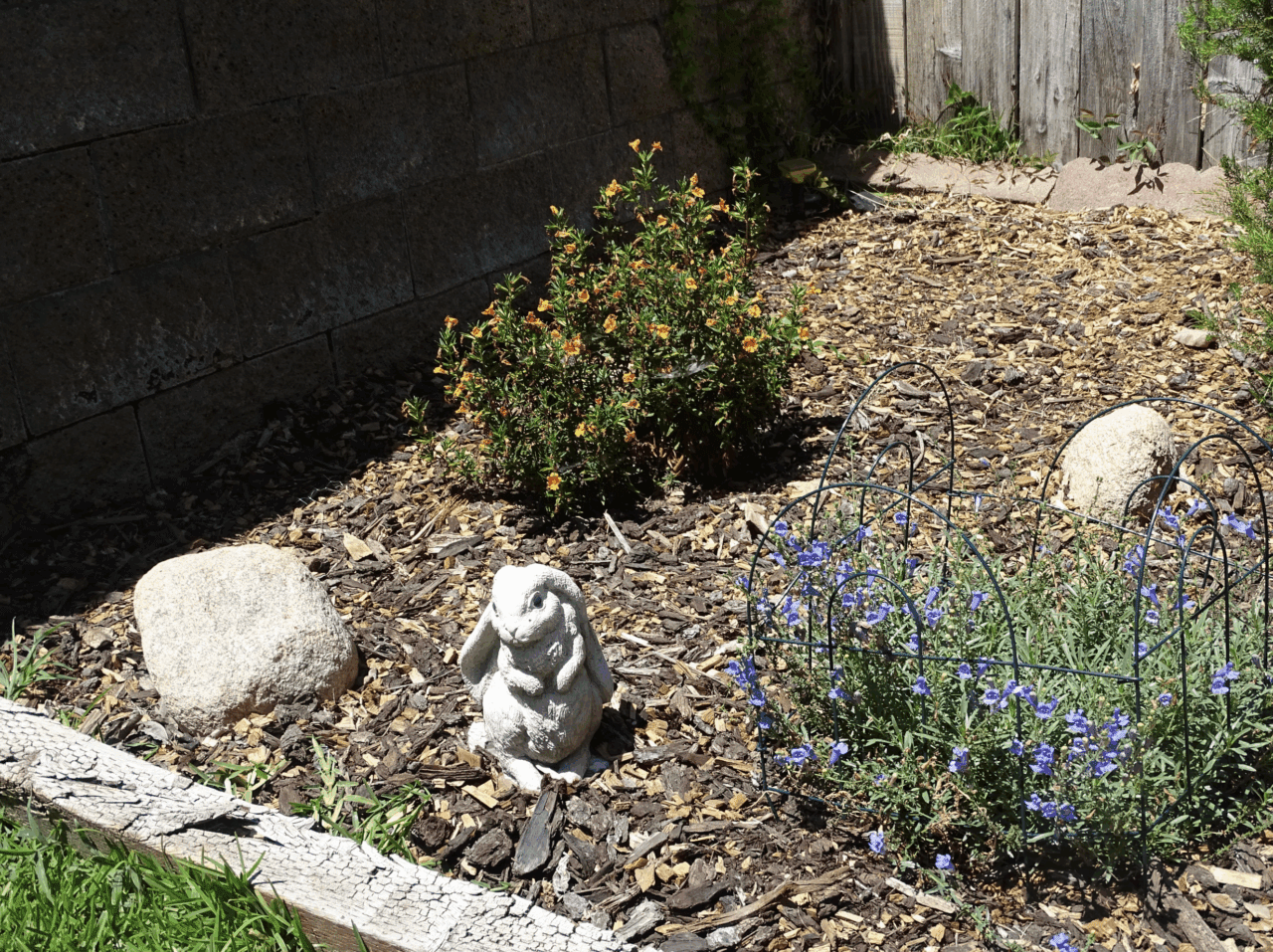
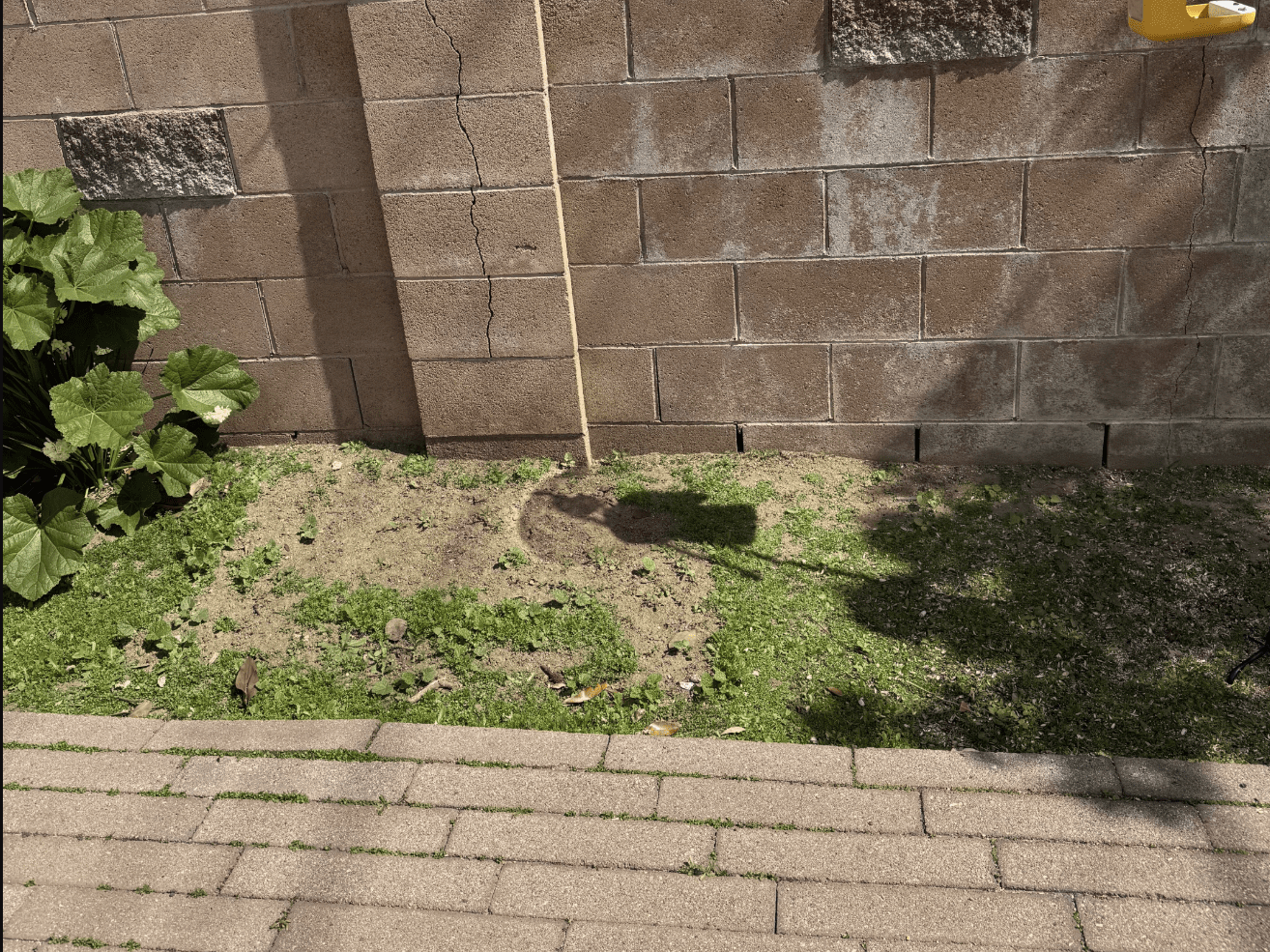
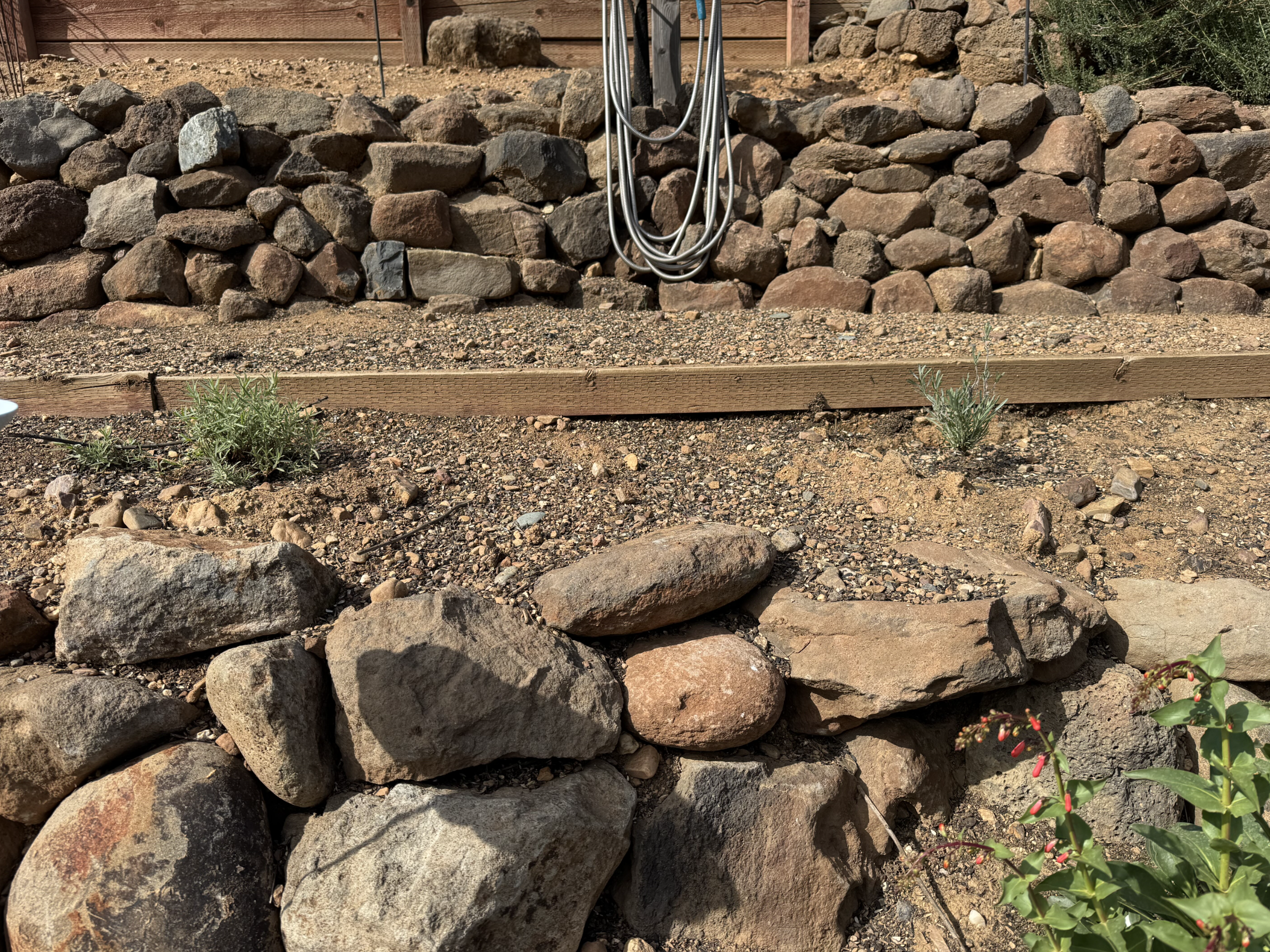
An old vegetable bed cleared and ready for natives consisting of monkey flower, bush lupine, asters, goldenrod, buckwheat, plus wildflower seed mix.
Bees, butterflies, moths, songbirds including juncos and lesser goldfinches have been using this new spot
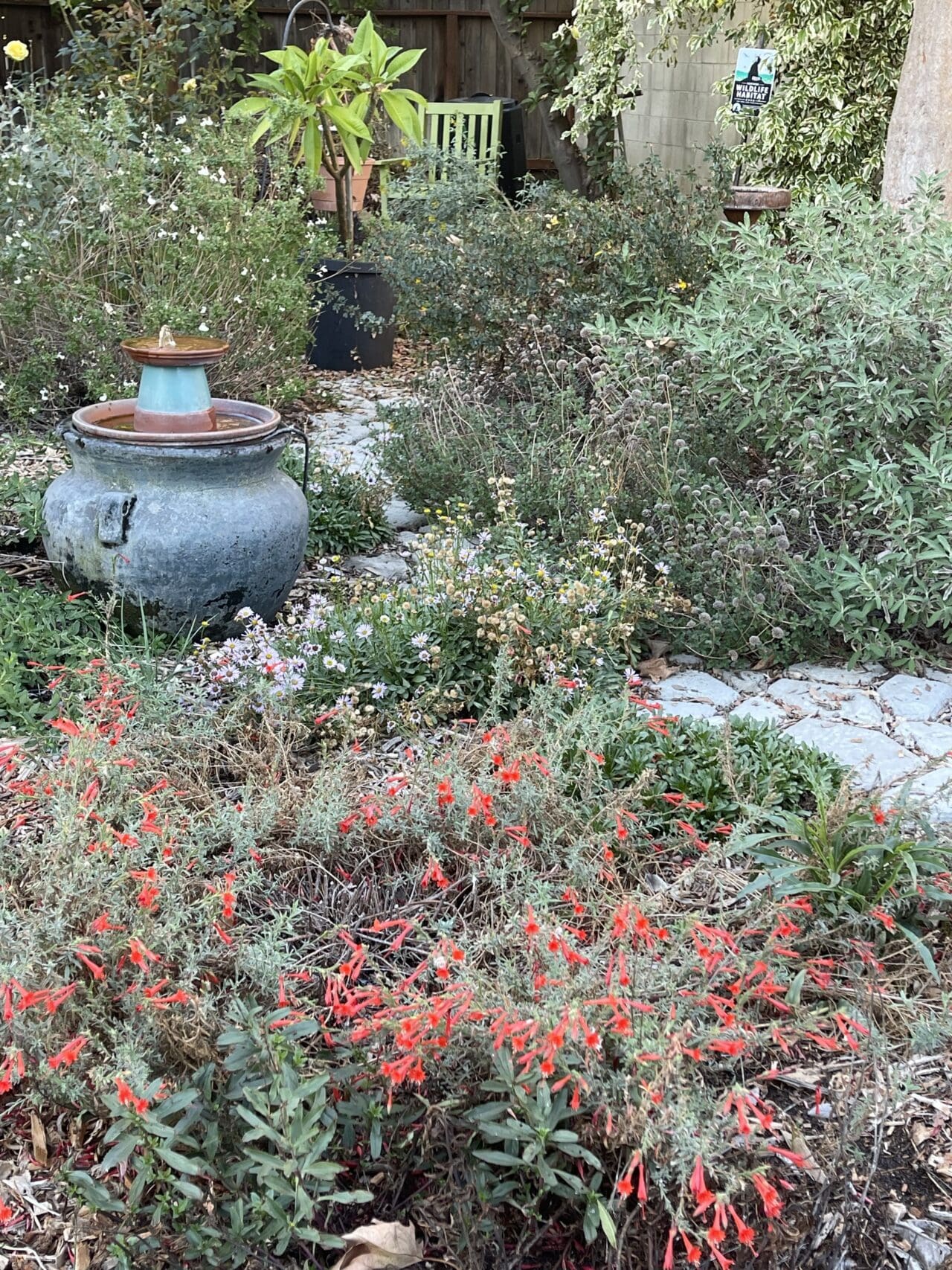
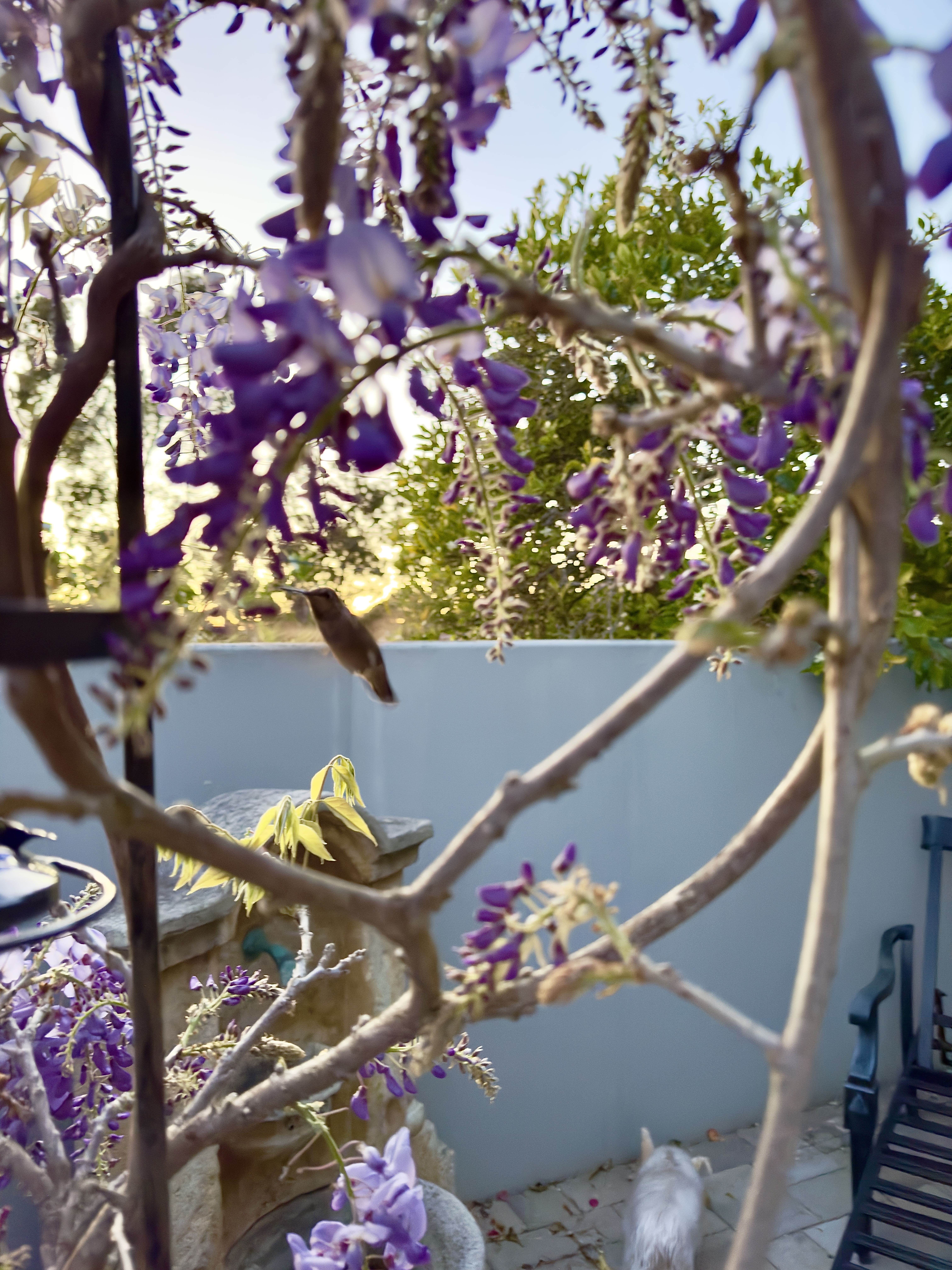
In an already dense, bird-welcoming yard, this homeowner plans to add more plants at times of the year where there is less flowering. Hummingbirds approve!
Native resources abound for all the biodiversity seen in these gardens.
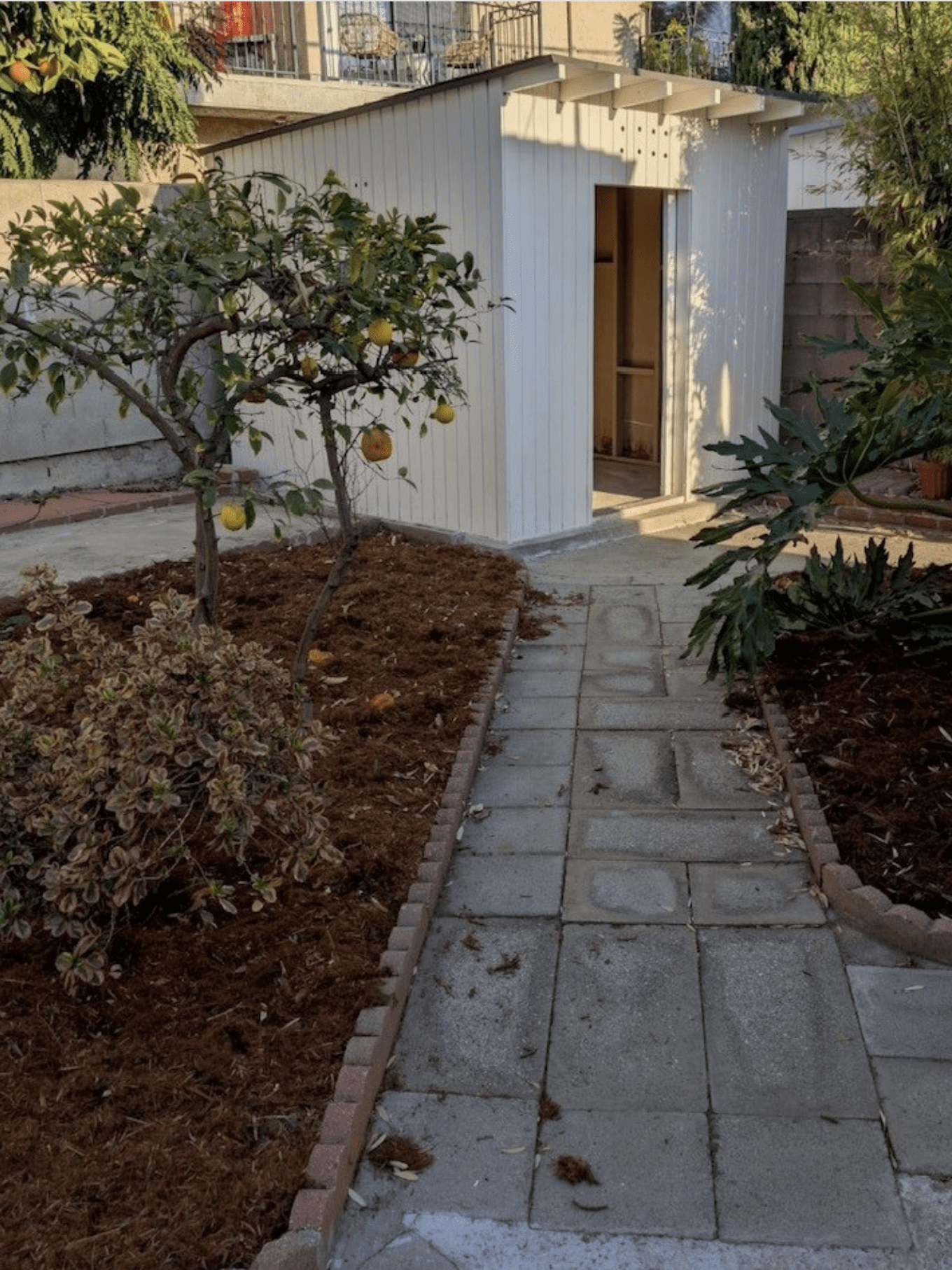
Native plants will accompany this sunny lemon-tree spot to support biodiversity.
Patio garden attracted a lot of pollinators in addition to a family of Dark-eyed Juncos who nested in the AC window unit.
One can never have too many natives! More will be added to this mostly bird friendly yard.
This property had a lot of pollinators, but even more now are enjoying the new native plant additions.
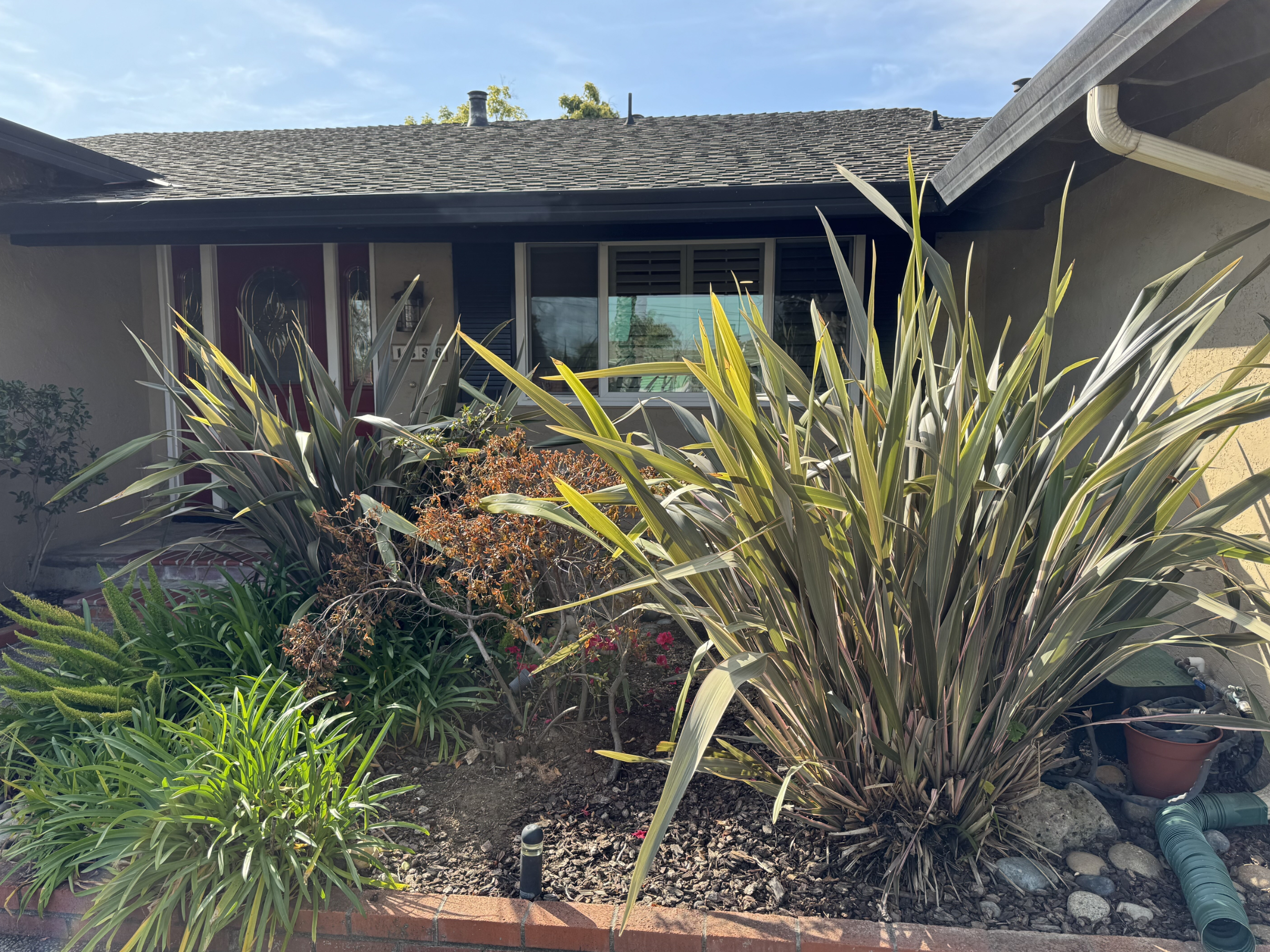
Homeowner is removing grass and adding drought tolerant yarrow, wishbone plant, lilac verbena, Douglas Iris, California goldenrod and fushia.
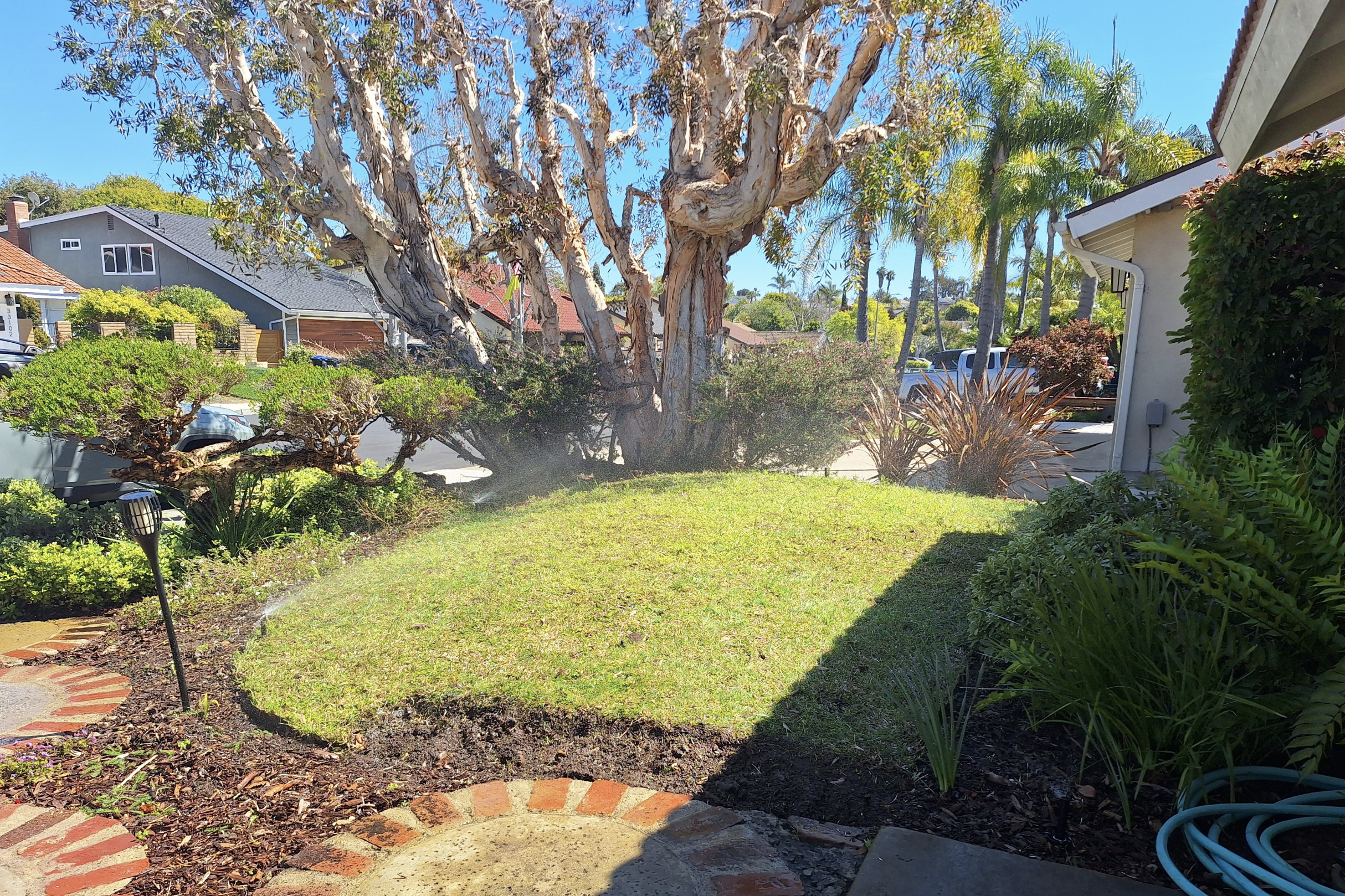
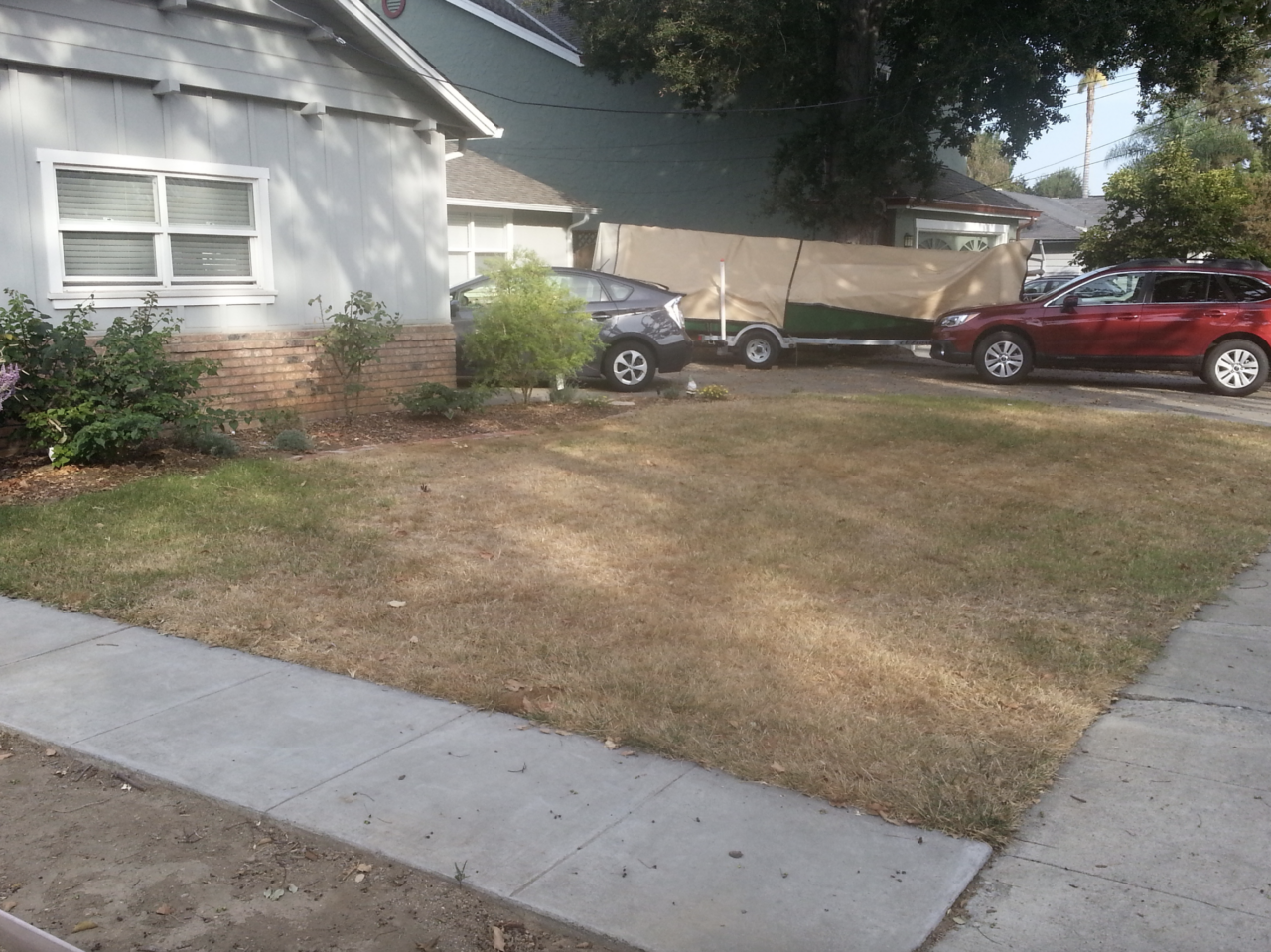
Lawn has been removed and this gardener is hoping to encourage others to do the same
Spot will see even more plant additions to help birds–the more the merrier!
Lots of birds, bees, butterflies, mammals and lizards were noticed utilizing this habitat garden.
The euphorbia is being removed and replace with salvia and other native plantings.
New plants are in and the hummingbirds are daily visitors.
This homeowner has found native plants are best because the deer don’t destroy them as much.
New plantings are settling in and will fill out this winter and spring.
In an already abundant garden, owner is removing two struggling palo verde trees and putting in a coast live oak tree.
This shady spot proves tricky for planting. There are three ceanothus, coyote mint (Monardella villosa), and a coast live oak.
This gardener has wanted to grow native plants that can tolerate the desert sun and attract pollinators and birds. On this small patio, Salvia apiana and Justicia californica will be added.
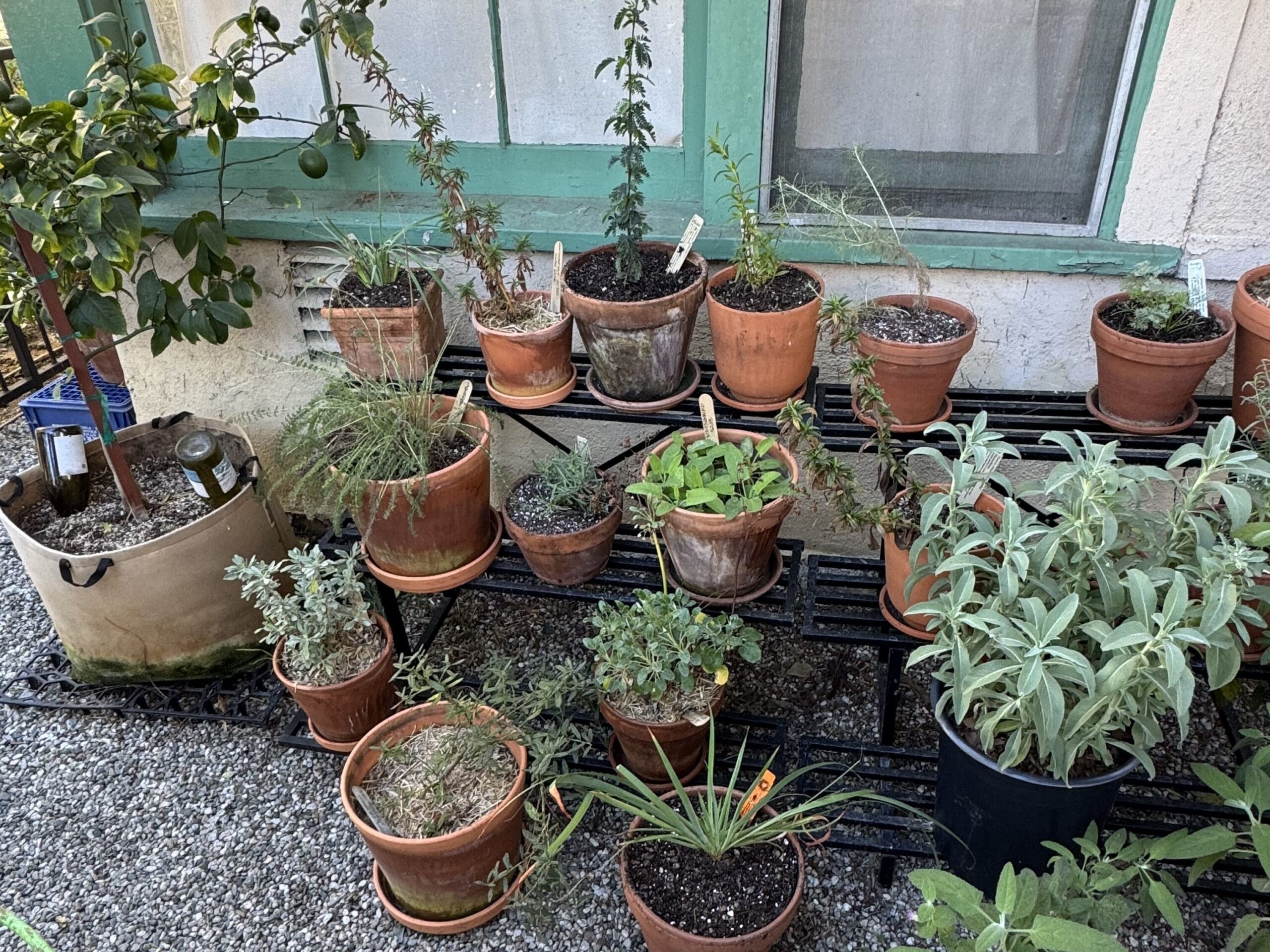
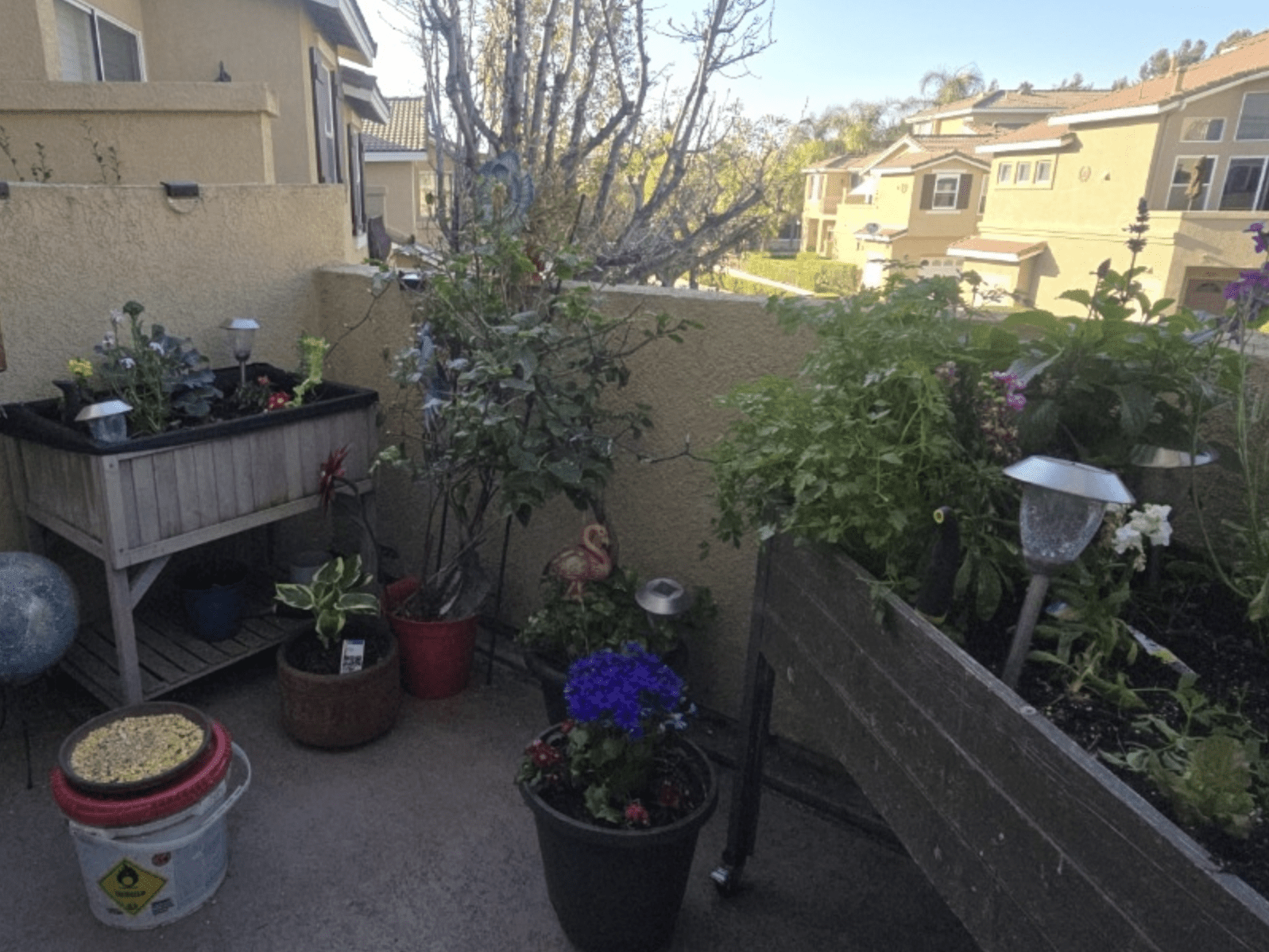
White sage, hummingbird bush, yellow bush, snapdragon mokeyflower, desert lavender, and baja sage were added to theon patio pots to attract hummingbirds. They showed up when these plants were flowering along with a Black-headed Grosbeak who stopped in to investigate.
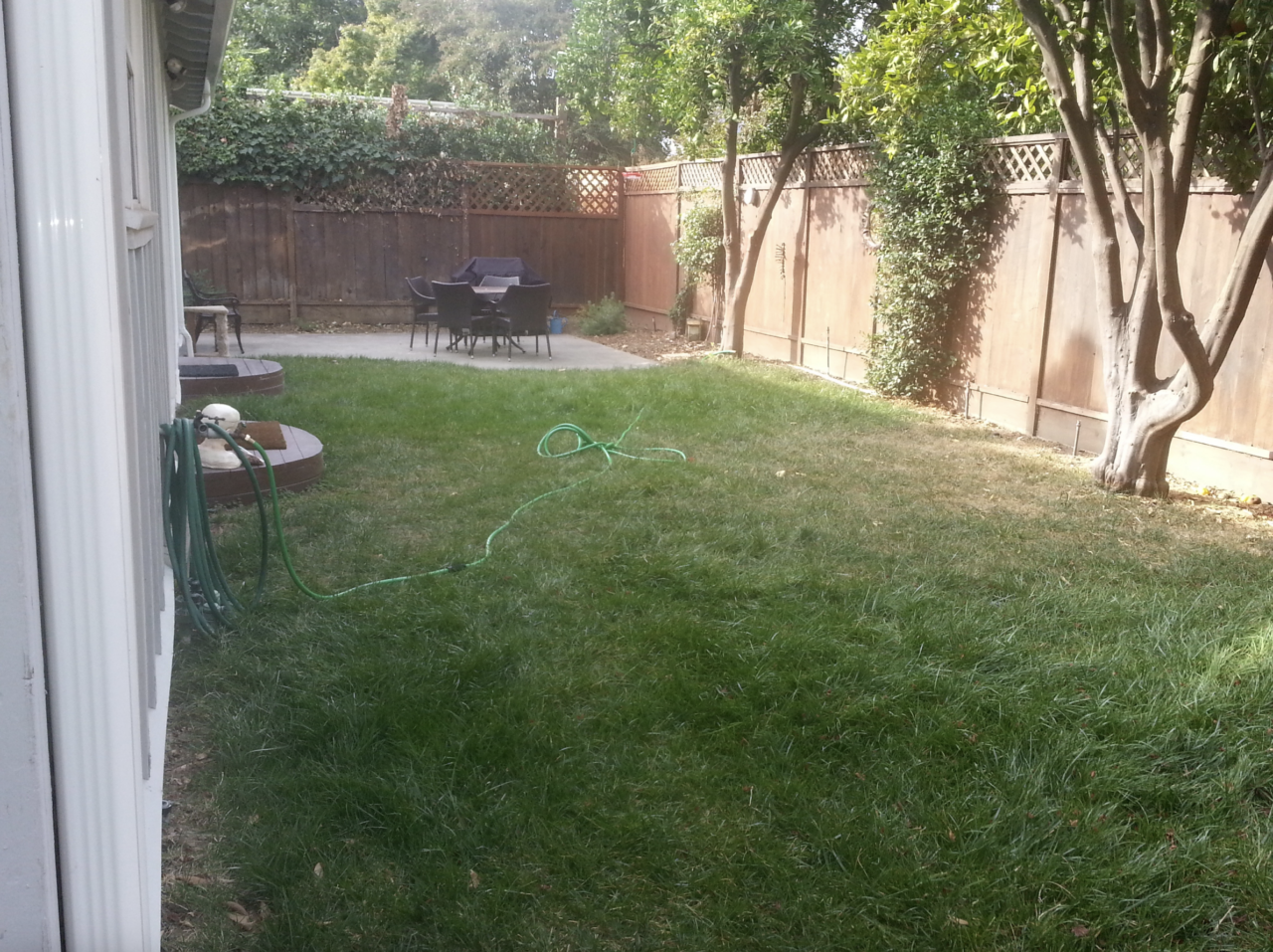
This site has high maintenance grass that will be replaced with natives to attract birds, save water, and reduce maintenance.
Two years ago they killed the grass and added native plants. Due to drought conditions things are slow establishing and some additional watering is needed to minimize plant loss.
Recently purchased home had lots of potential predators to birds and their babies, such as raccoons, stray cats, and squirrels. New native plants, however have gone in and birds are finding the new resources.
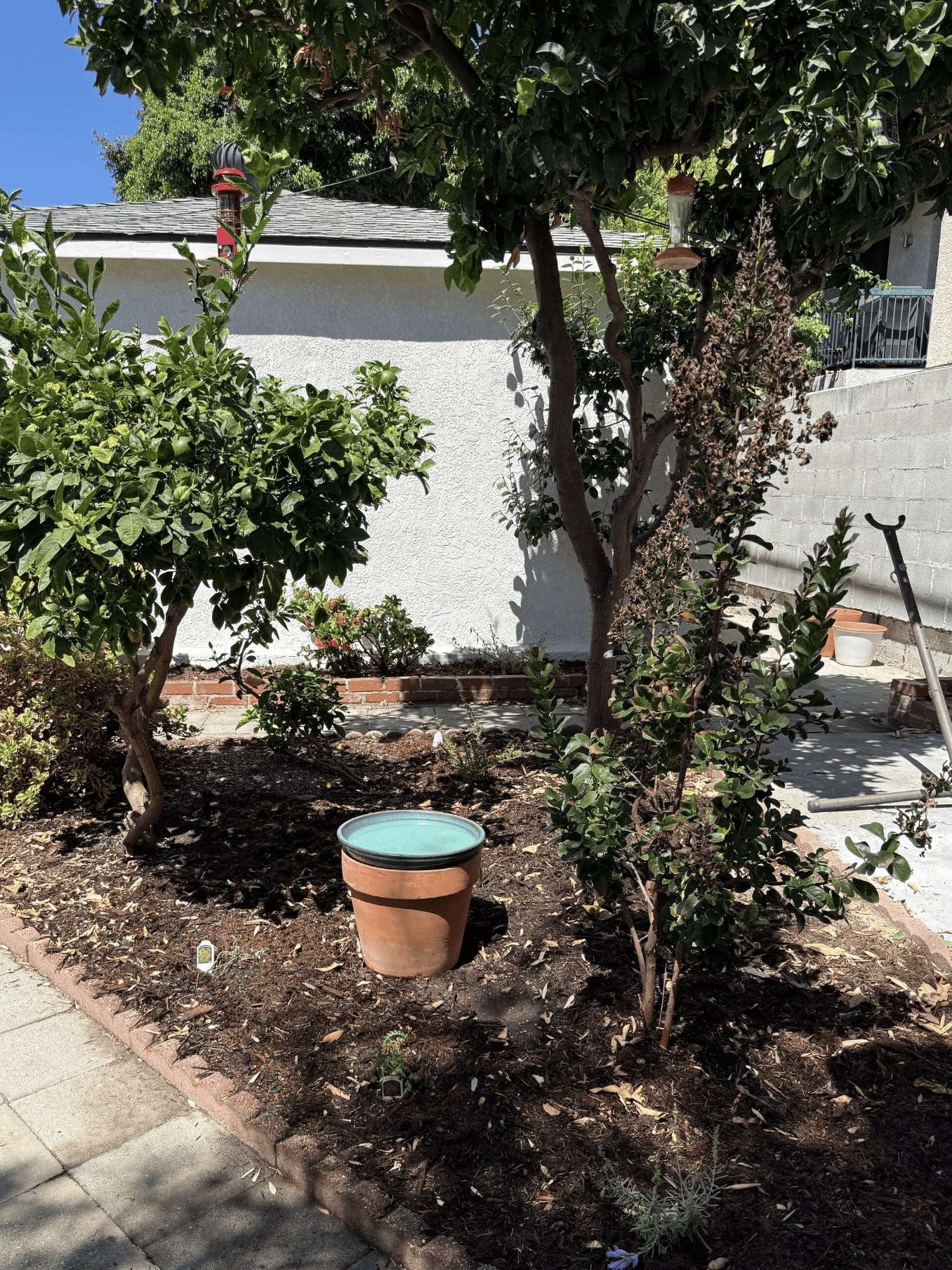
All natives were added and while small, they are thriving. A bird bath and hummingbird feeder provides more resources for local and migratory birds.
Homeowner is slowly shifting the nonnative grass yard to native plants to provide a natural corridor for wildlife.
This garden is a work in progress. The remaining grass will be removed later this year.
Bare spot? No problem, add natives!
This lovely garden redesign has brought the homeowners a lot of joy. The plants are a mix of native and nonnative that hummingbirds like. There has been some rabbit pressure, but many birds have visited the birdbath.
This garden gets full sun and it’s next to a guava tree that birds favor. More will be added they can enjoy.
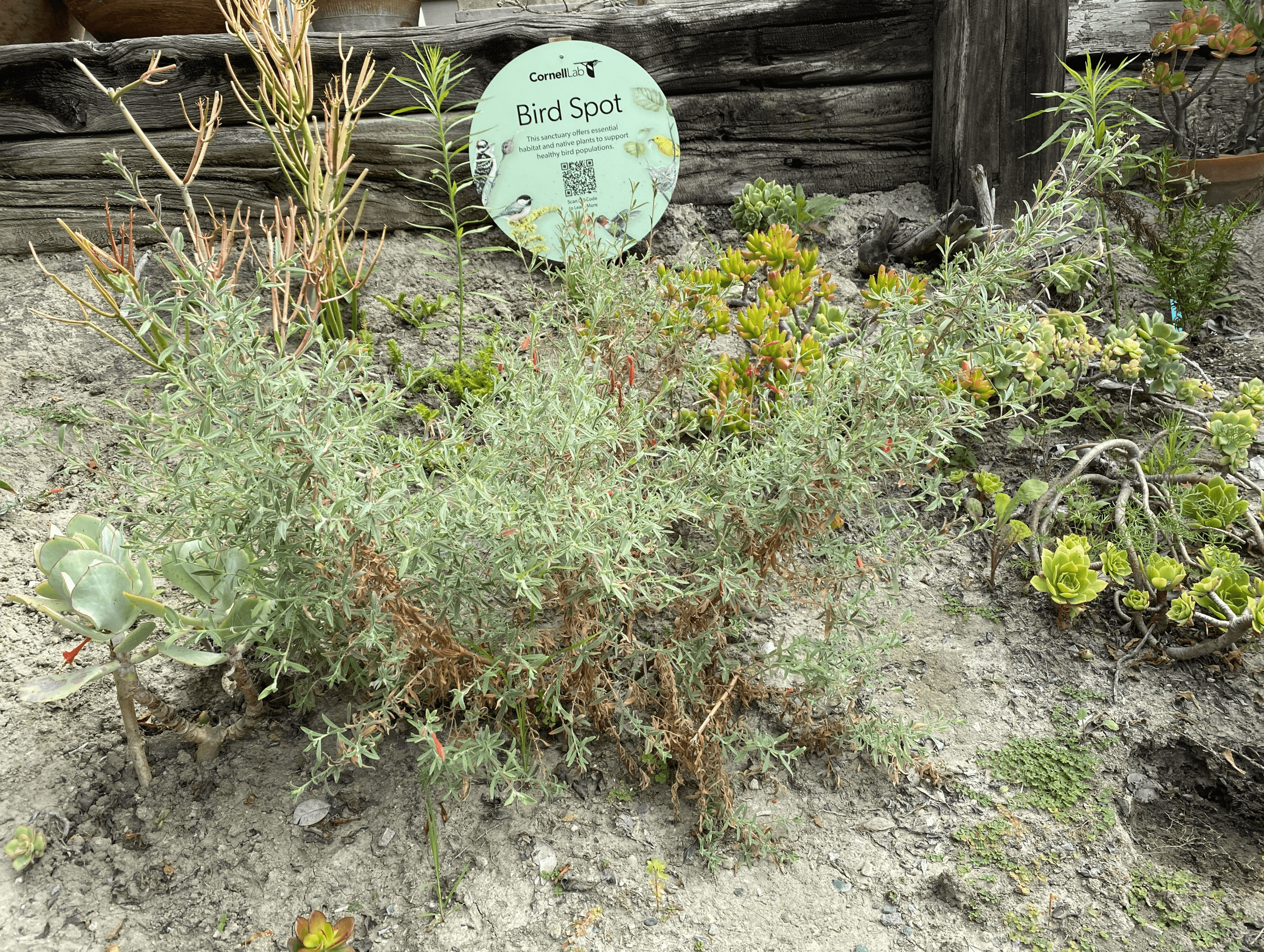
The benefit of native plants is they thrive in the conditions of the local area. This plant is establishing nicely and creating a quality “Bird Spot”.
A bougainvillea died will be replaced with a native species.
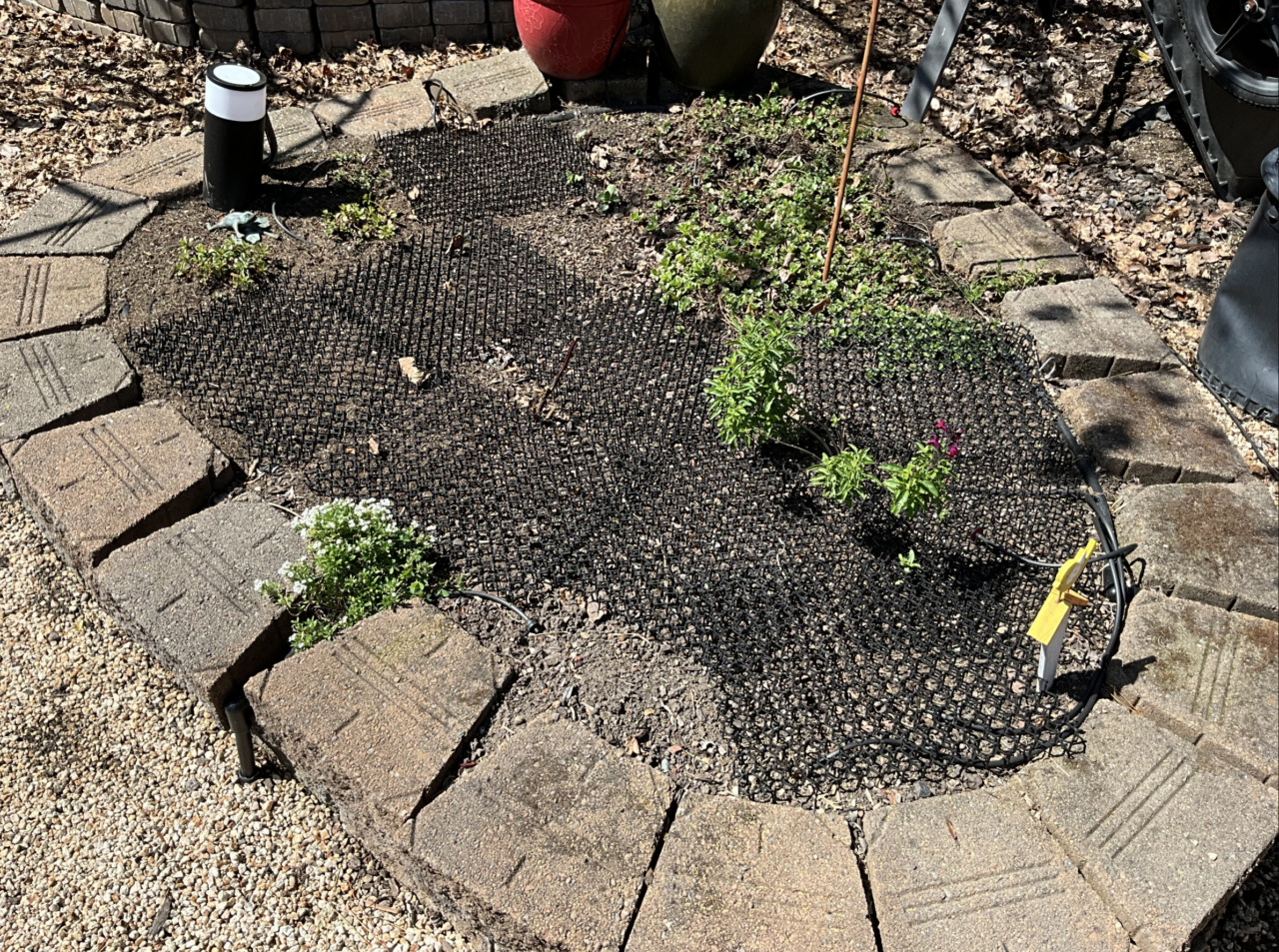
One plant is doing well, but others are getting eaten by rabbits. Trying out chickenwire to protect them. Some monarchs are in the in area
Vermillion Bluffs Mexican Salvia and Whiskers Deep Rose Gaura in this space. I hope to attract hummingbirds
Success! Red Hummingbird Sage (Salvia spathacea) did the job.
Natives will be added to this corner to boosts its offerings for birds.
Native salvia and narrow-leaf milkweed were added and are thriving.
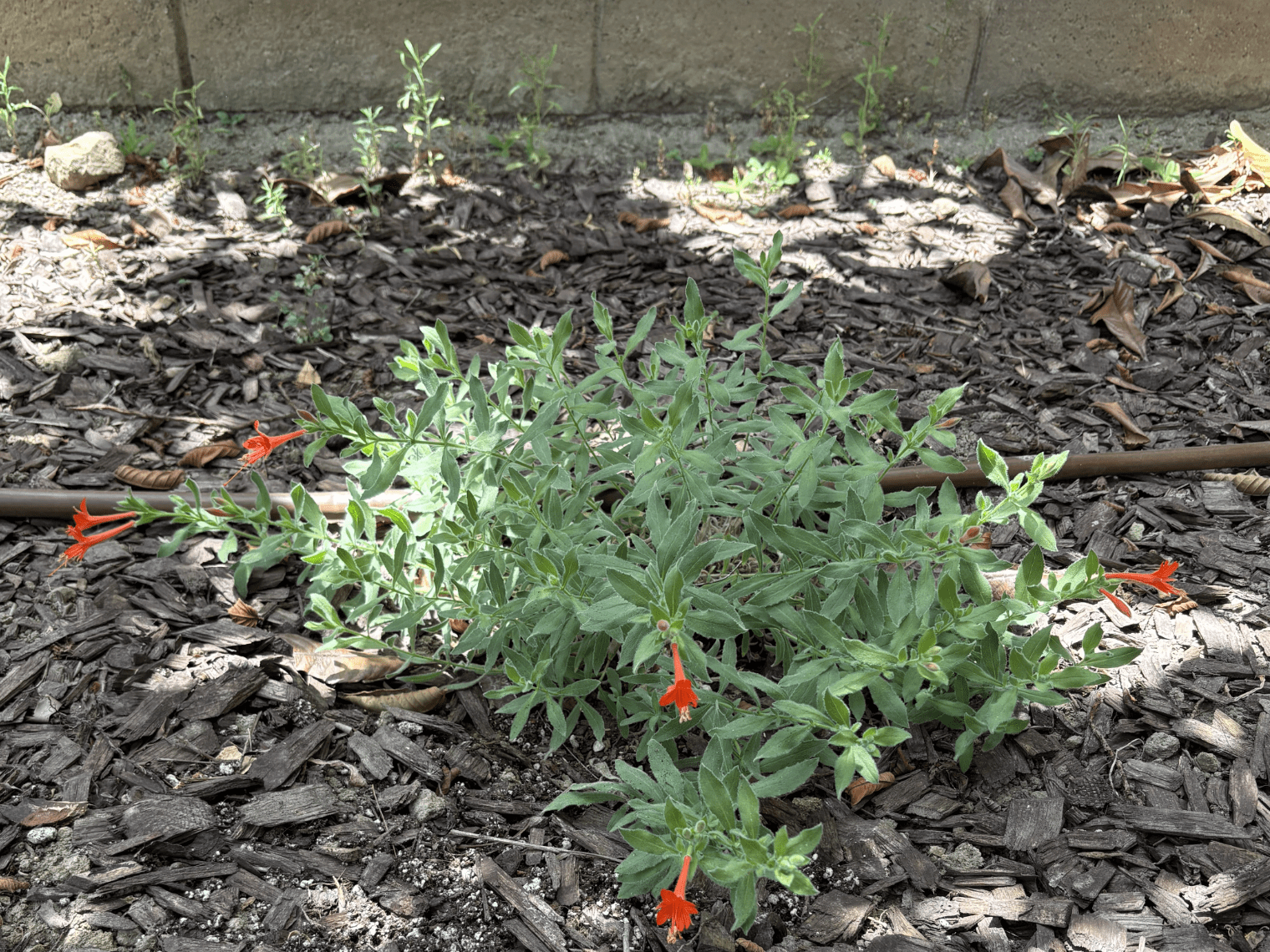
California fuchsia for hummingbirds will be added to this corner.
Monkey flower and penstemon were well-liked by pollinators, specifically hummingbirds.
Currently, this site has a lot of invasives. They will be removed and replaced with plants that create bird habitat.
Invasive plants have been removed and 13 new natives, including California Fuschia have been added along with a birdbath. For the first time a hummer was seen nectaring on the new bloomer.
This HOA property was purchased after being treated with chemicals for 40 years. New owner is determined to revitalize this plot and is already seeing new signs of life in the form of biodiversity.
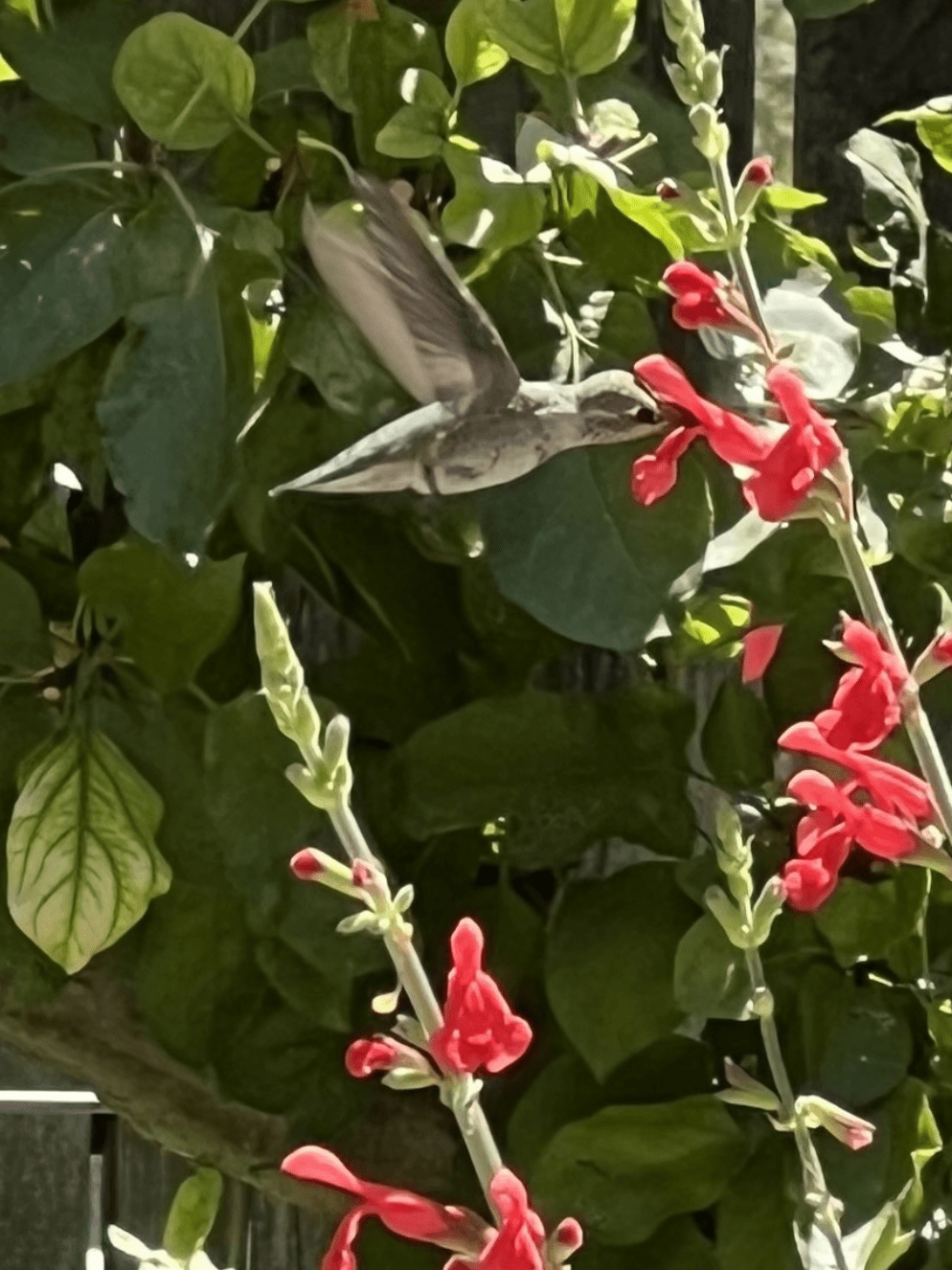
Slow and steady does win the race when it comes to habitat transformations. Things are well under way.
Homeowner is adding a dozen orange butterfly milkweed for monarch butterflies, hummingbirds, and other pollinators.
Butterflyweed has been added
California fuschia and Red Elderberry will be added to this area to provide more options for birds.
3 California Fuschia were added, which grew and had red flowers all summer. Salvia cuttings were also added.
This gardener wants to add some drought-tolerant native plants which will flower later in the season.
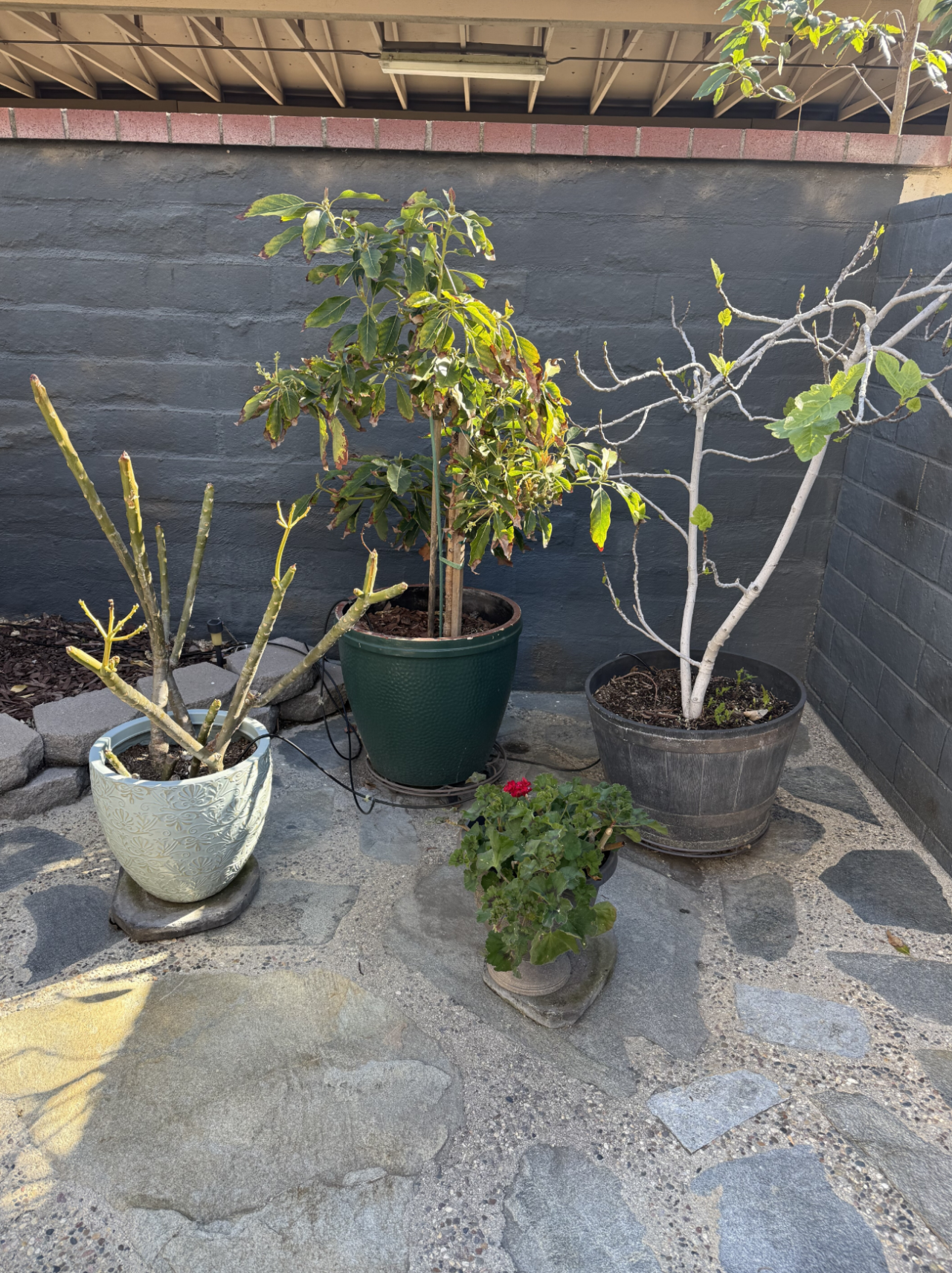
Later-flowering native plants have been added
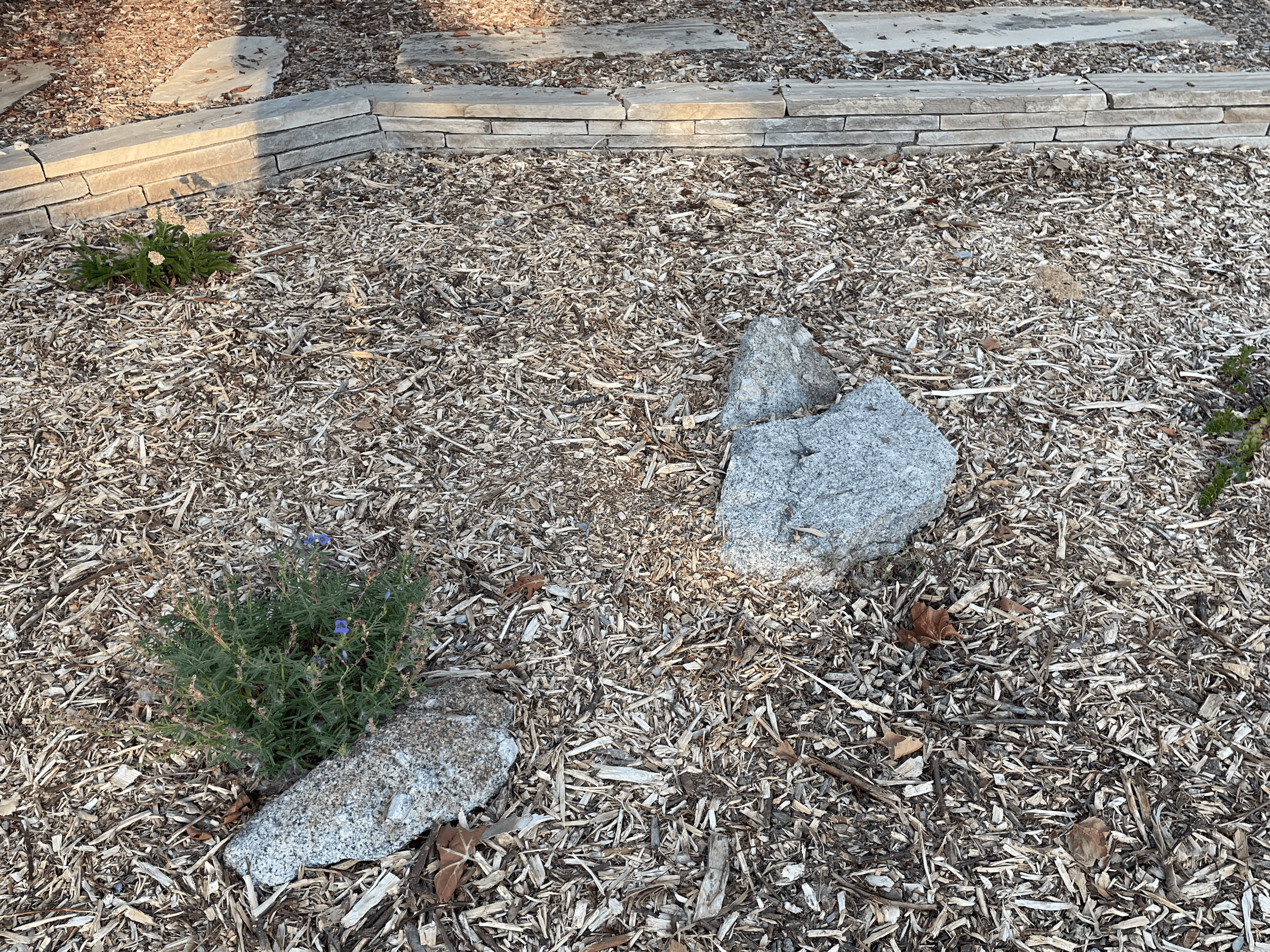
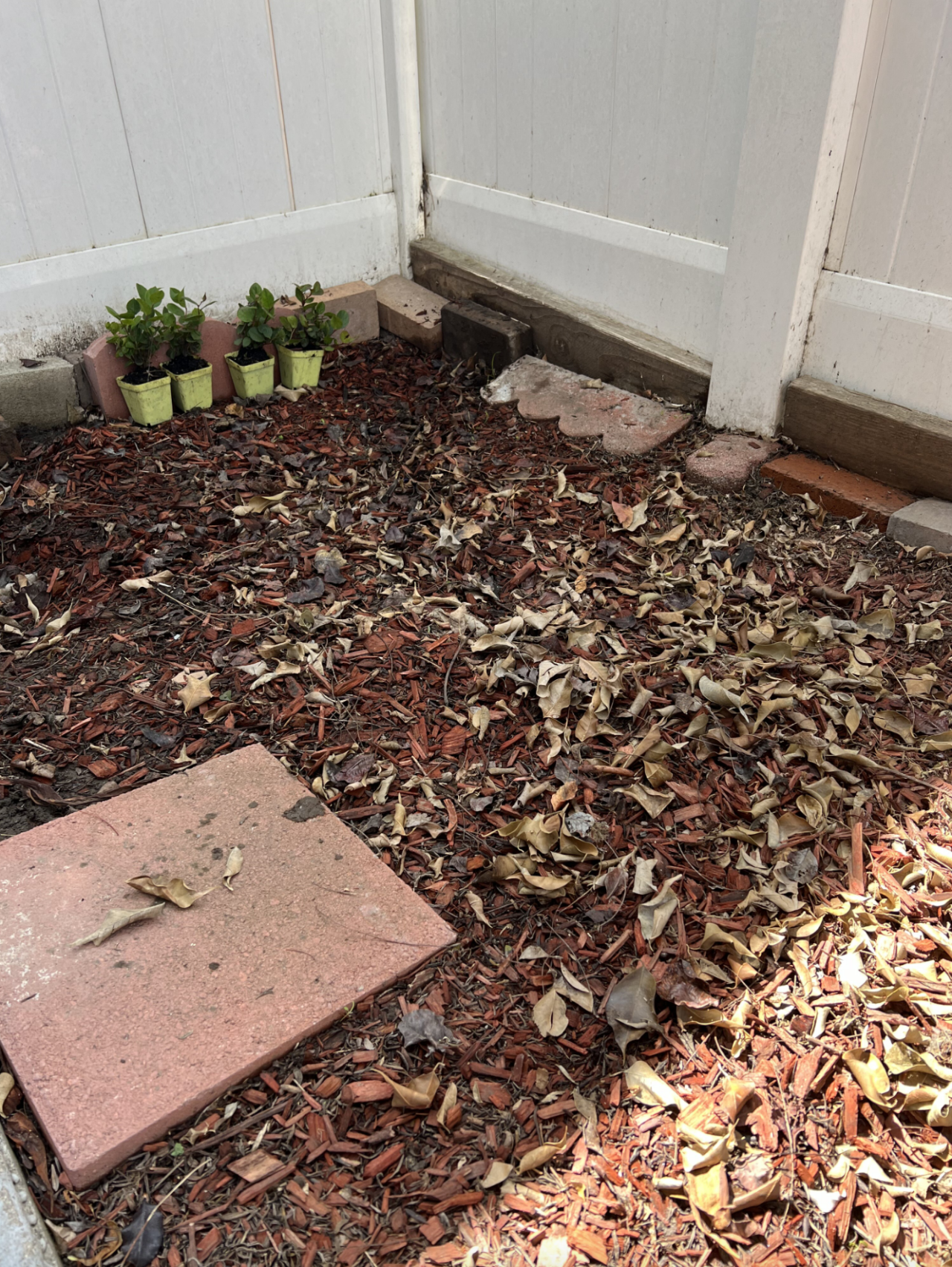
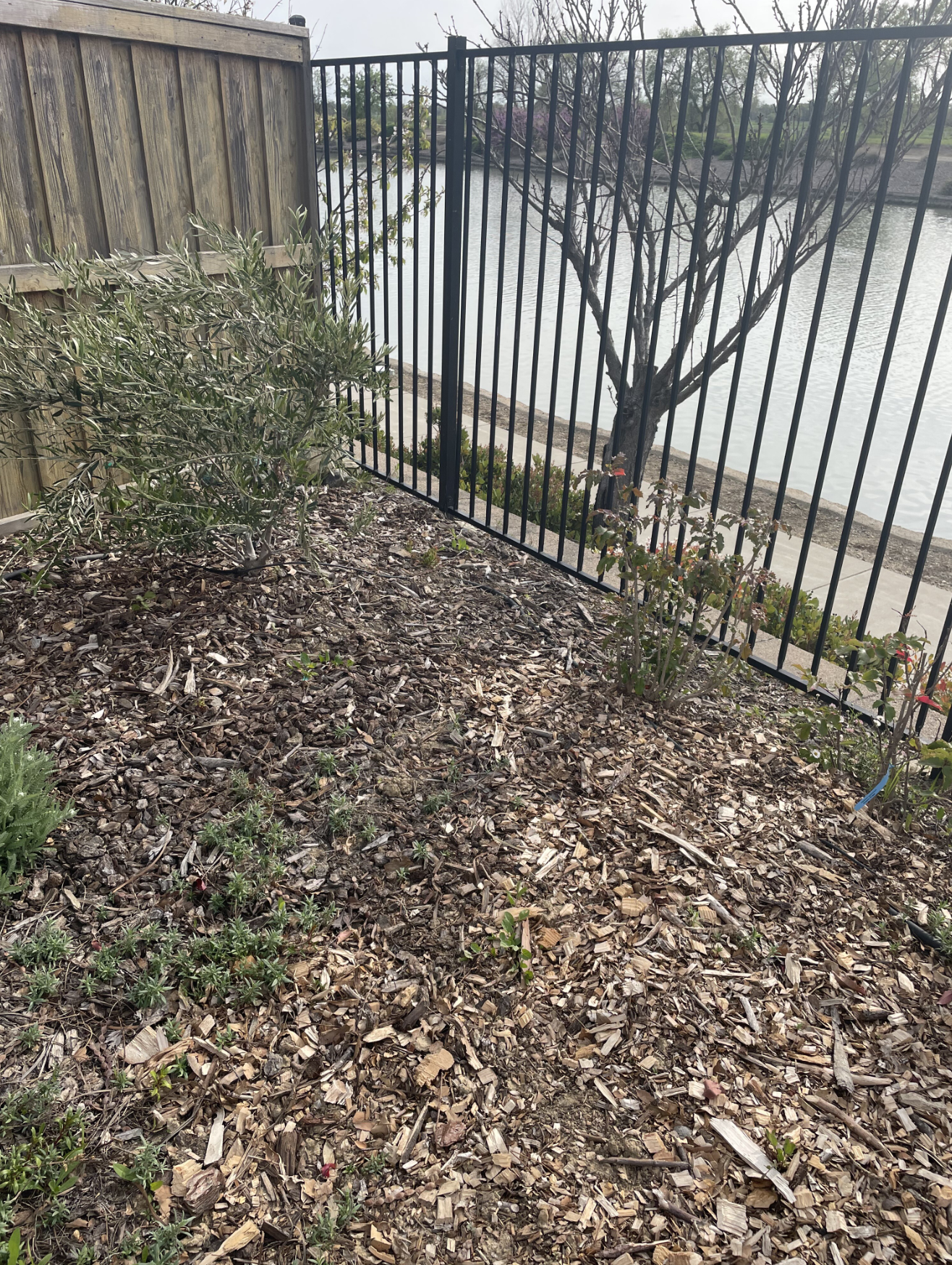
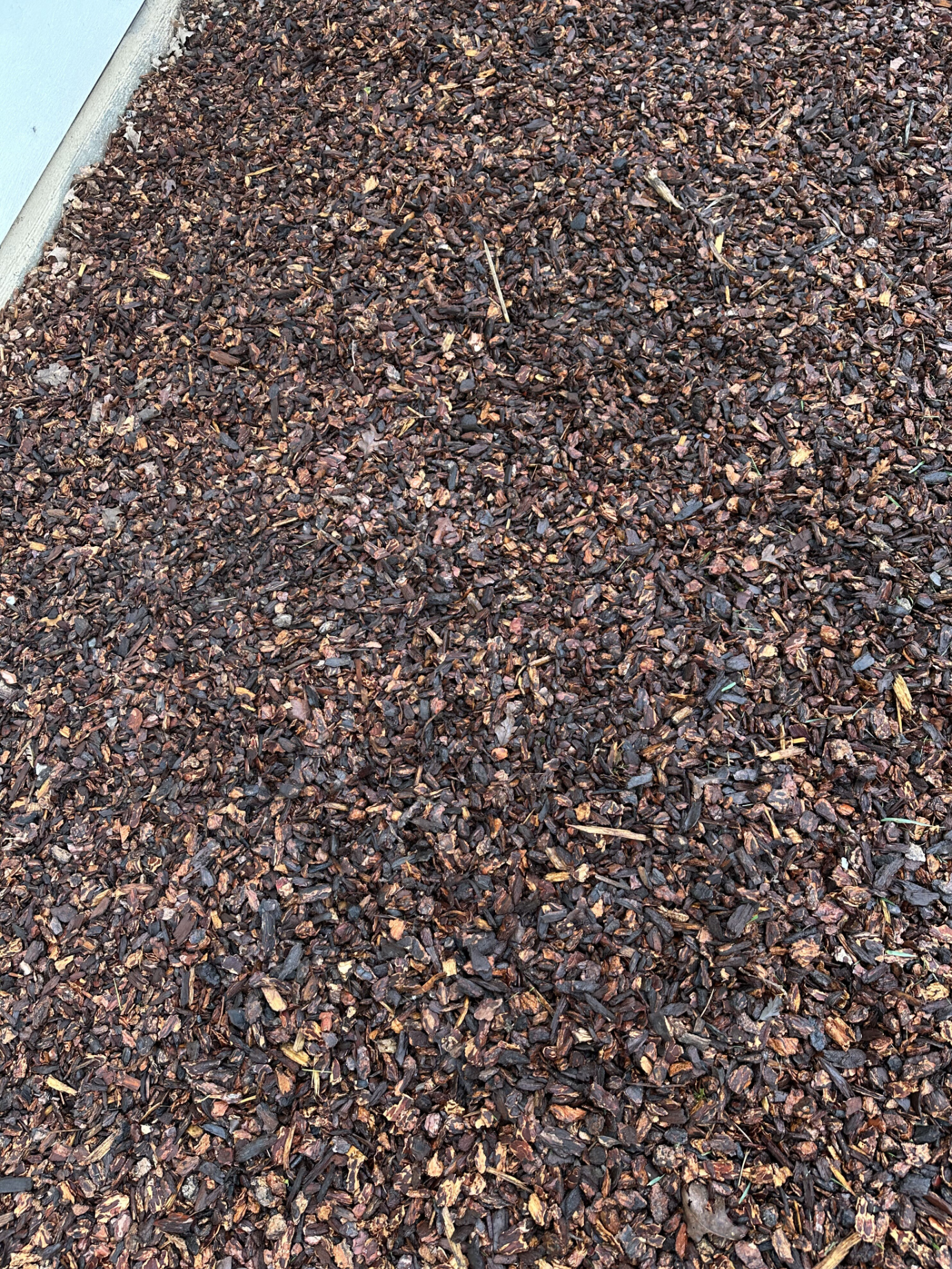
Native plants will be added to this mulched corner.
This yard is deep into native plant conversion, here are the new additions this year. They also had Western Bluebirds raise two broods and provided a water feature.
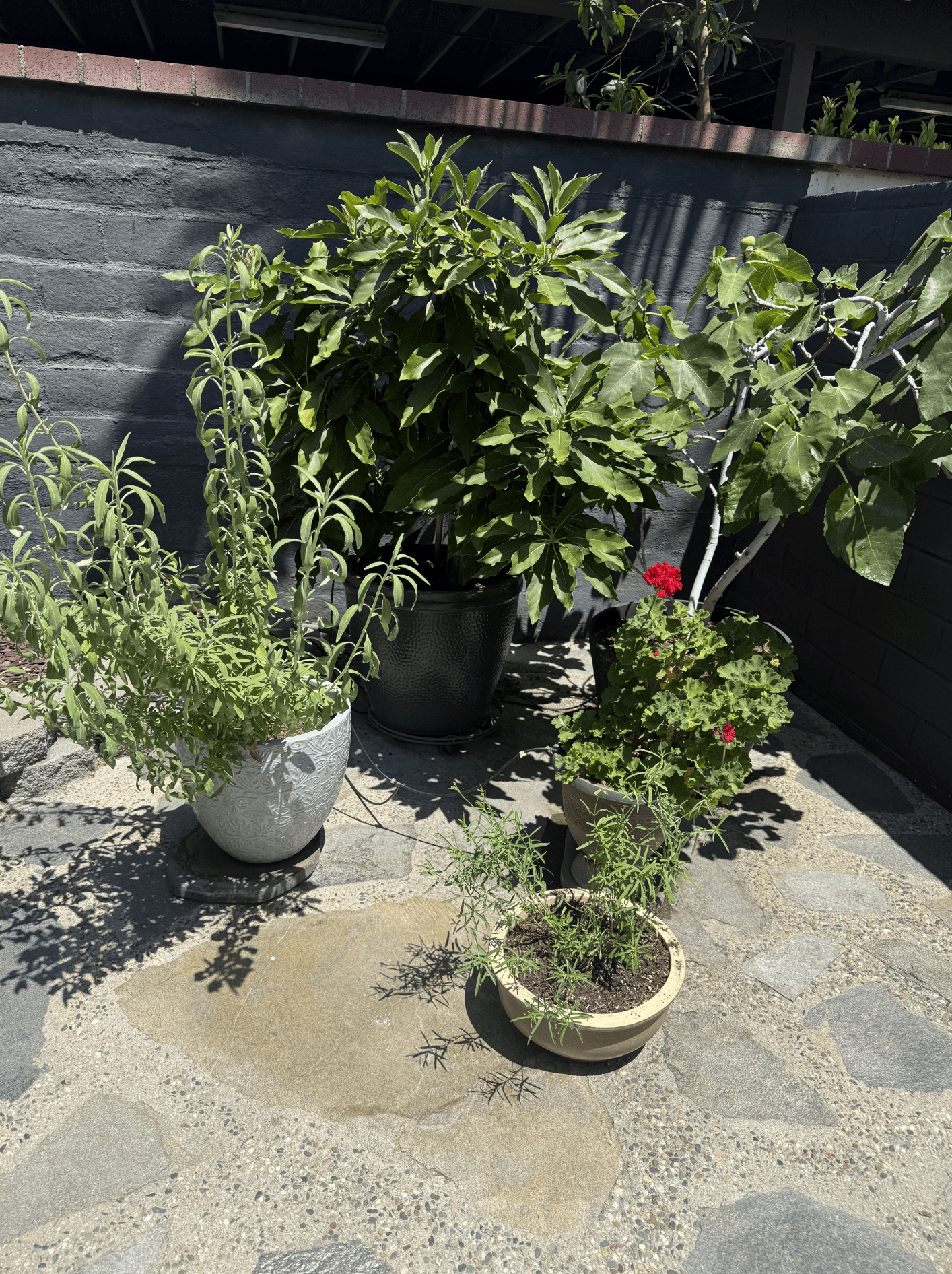
Perfect spot for a native plant addition.
California fuschia, figwort, and coffee berry were added and more bee and hummingbird activity was observed.
Lots of potential to add native plants to this section of the yard.
Many of the plants did not make it, aside from the thistle, but White-crowned Sparrows, finches, a Hooded Oriole and Western Bluebirds are seen in these gardens.
This spot wants to add more resources to support local birds.
Hummingbirds are now regular visitors to this yard.

Remaining Before Photos
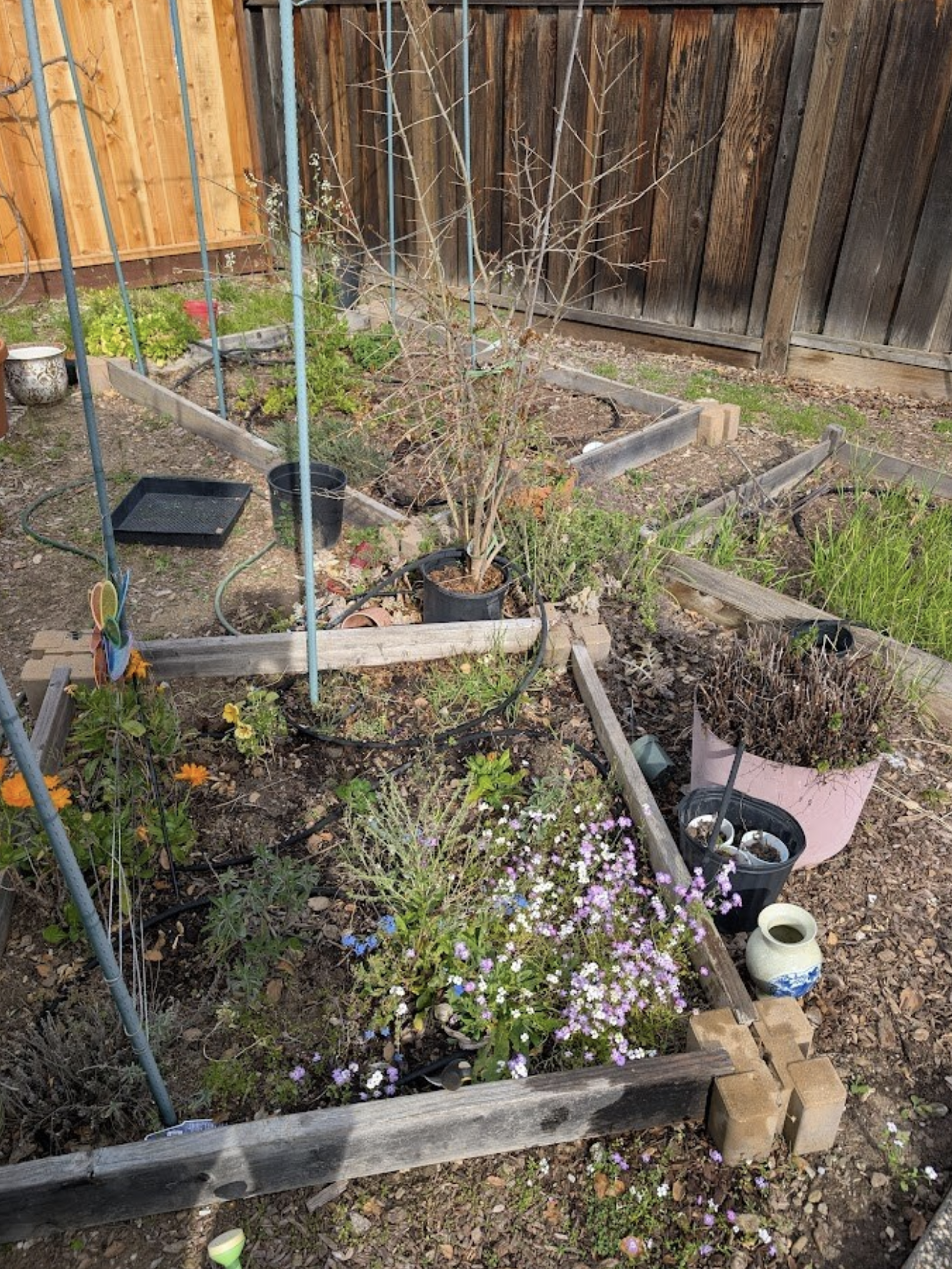
Owner would love to provide food for pollinators and native birds in this garden box.
Natives will be added to this bed to diversify the options for birds.
This spot will be brighten the small garden space on our patio to attract more birds! We are planting salal and western columbine.
Sunny, open spots will receive new native plants to provide more diversity to an already abundant garden.
Native species will be added to this spot to support the many varieties of birds that inhabit this backyard.
Gardener is clearing out non-native plants and planting natives in their place to provide more food and cover for birds.
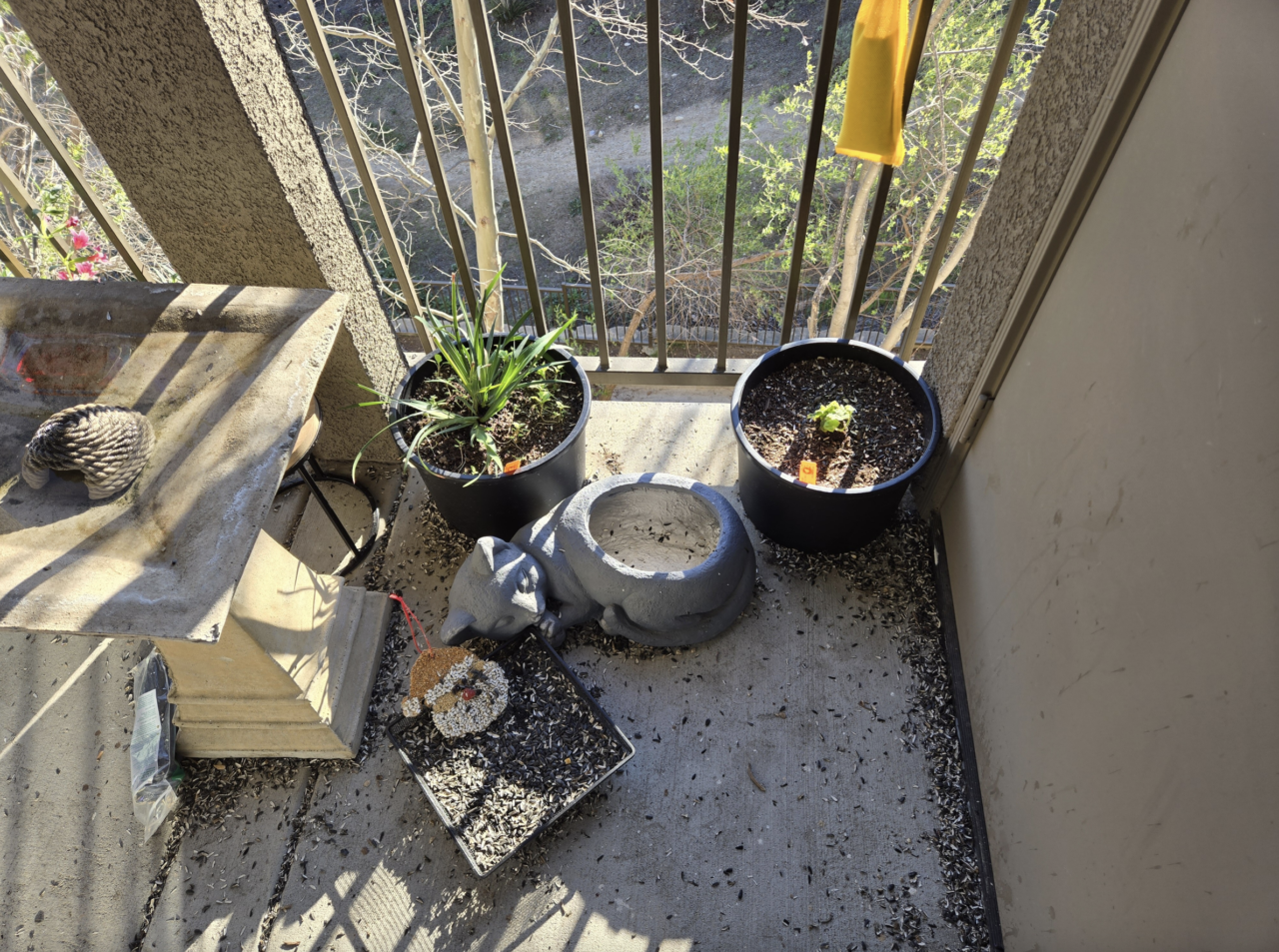
The goal is to make this the best mini- habitat a patio can be, and to help support native birds and bugs around the apartment.
This site started xeriscaping and creating wildlife habitat nine years ago to save water and to create wildlife habitat. More changes will be made this year.
Actually started the xeriscape wildlife habitat 9 years ago to save water and to create wildlife habitat. Always modifying garden.
Last year bird baths were added to this part of the property, and they were a huge hit! Now, this area will be filled in with native plants to support and attract even more wildlife!
Homeowner finds hummingbirds fascinating and will be adding flowers to attract them including native salvia plants.
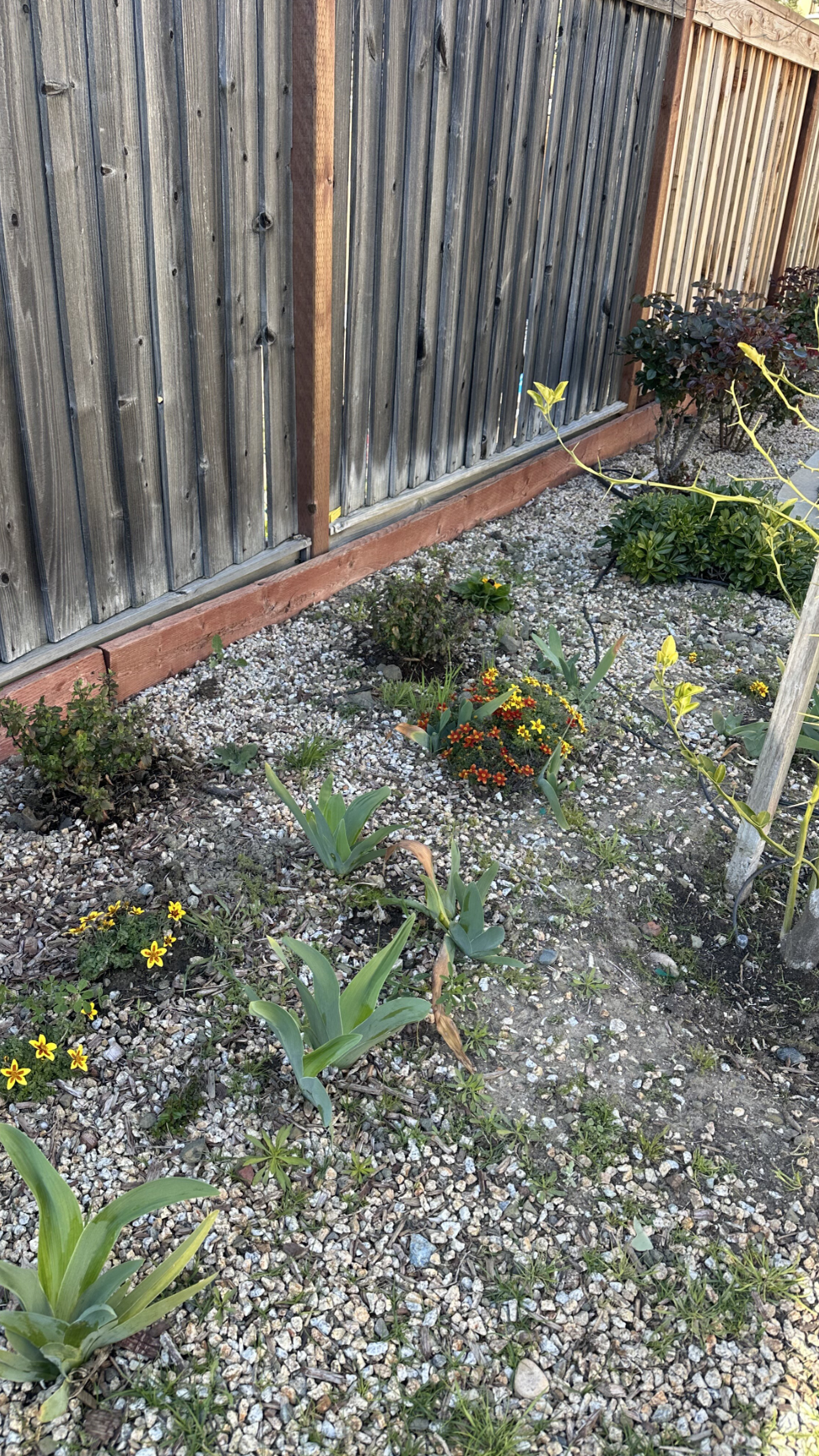
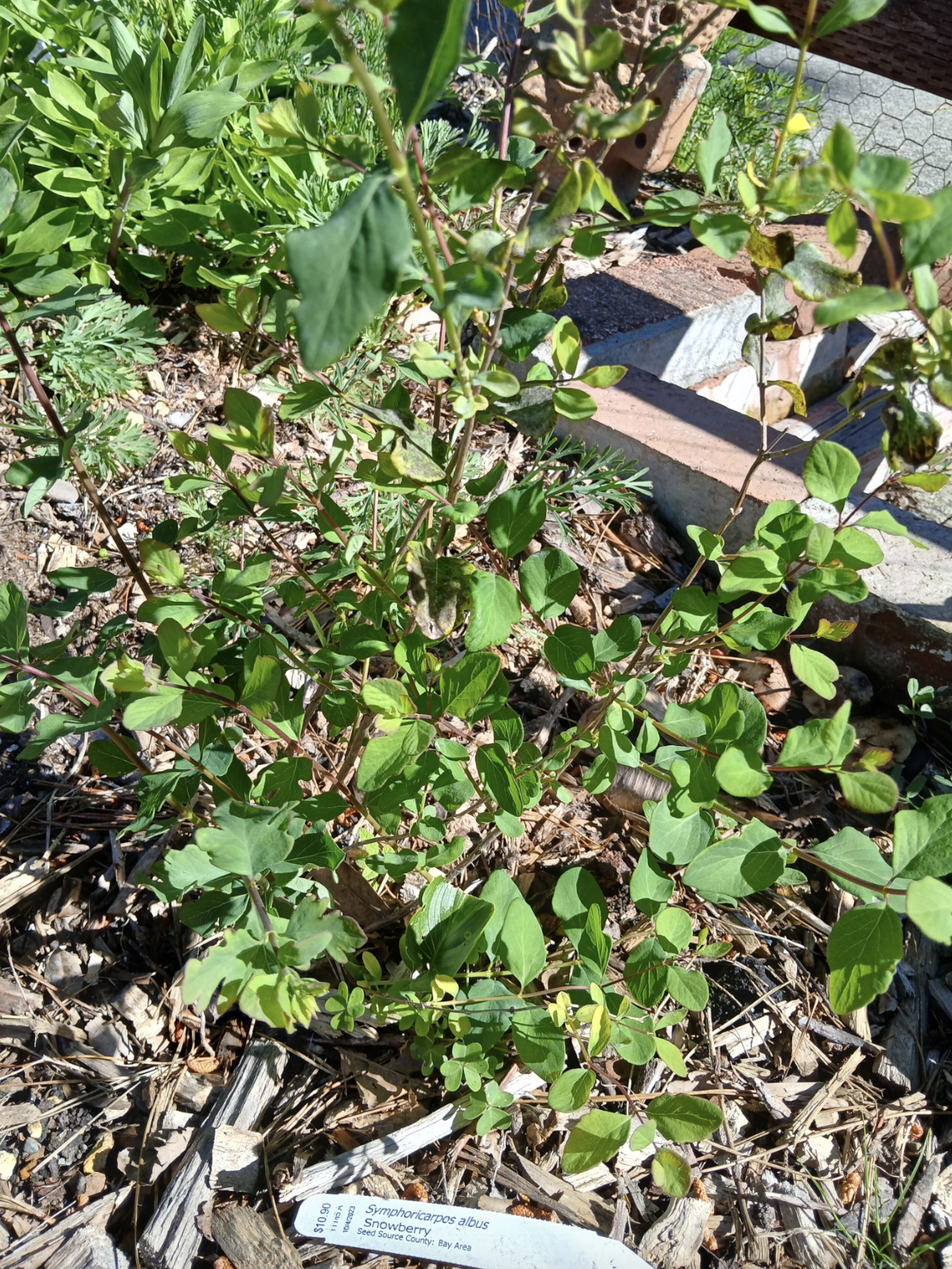
New snowberry plant that provides nectar to pollinators such as bees and hummingbirds and produces an edible white fruit.
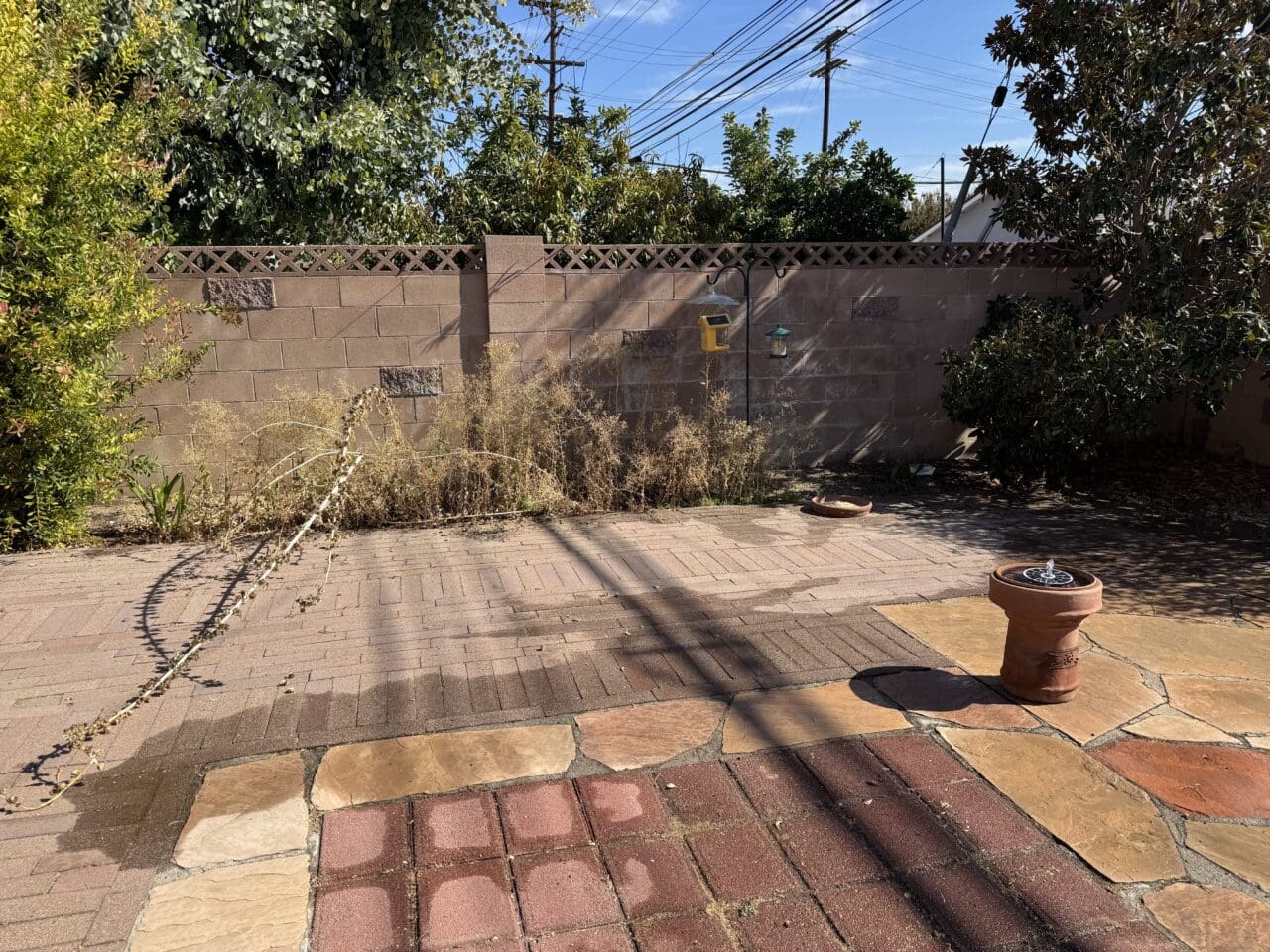
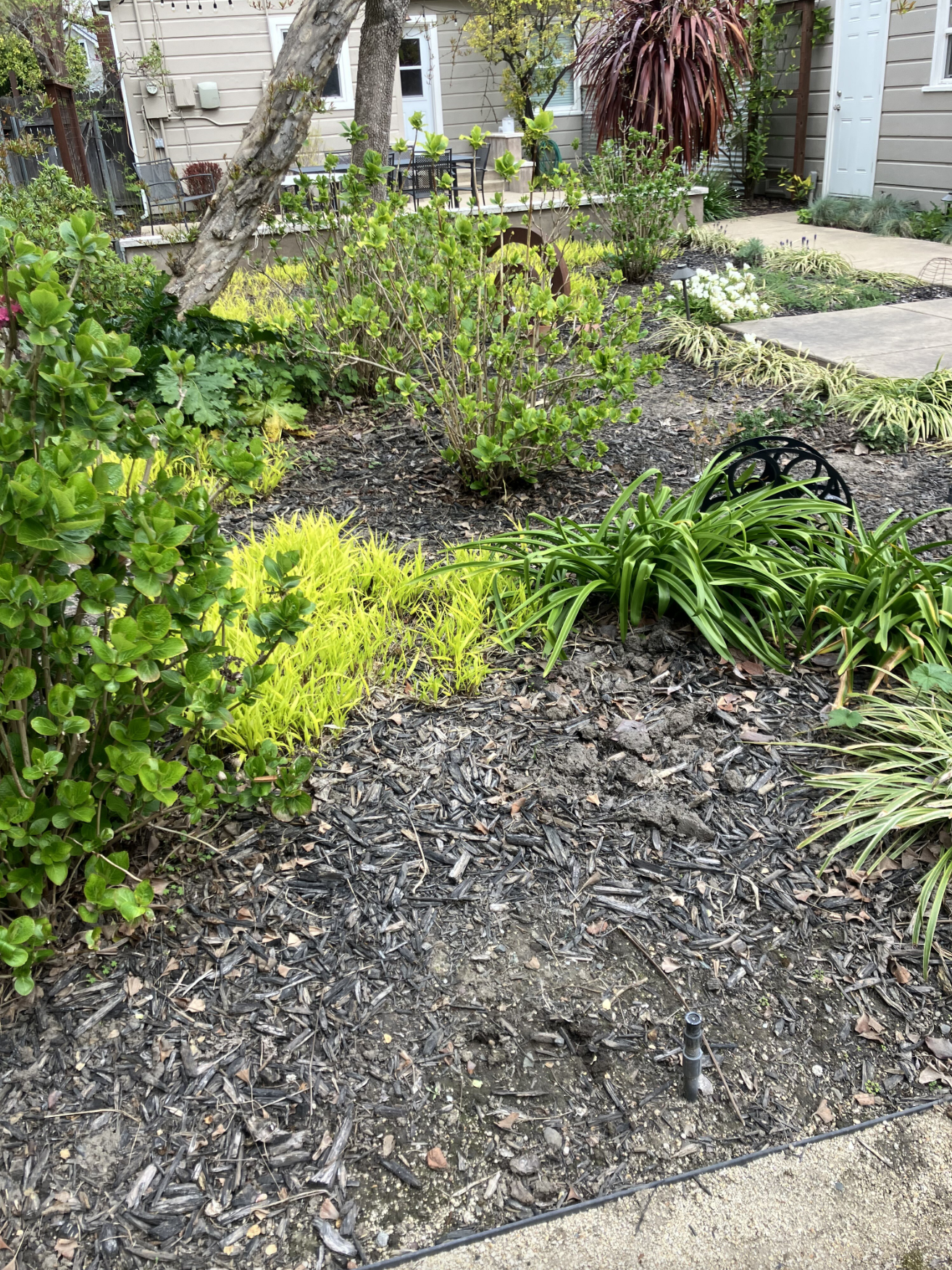
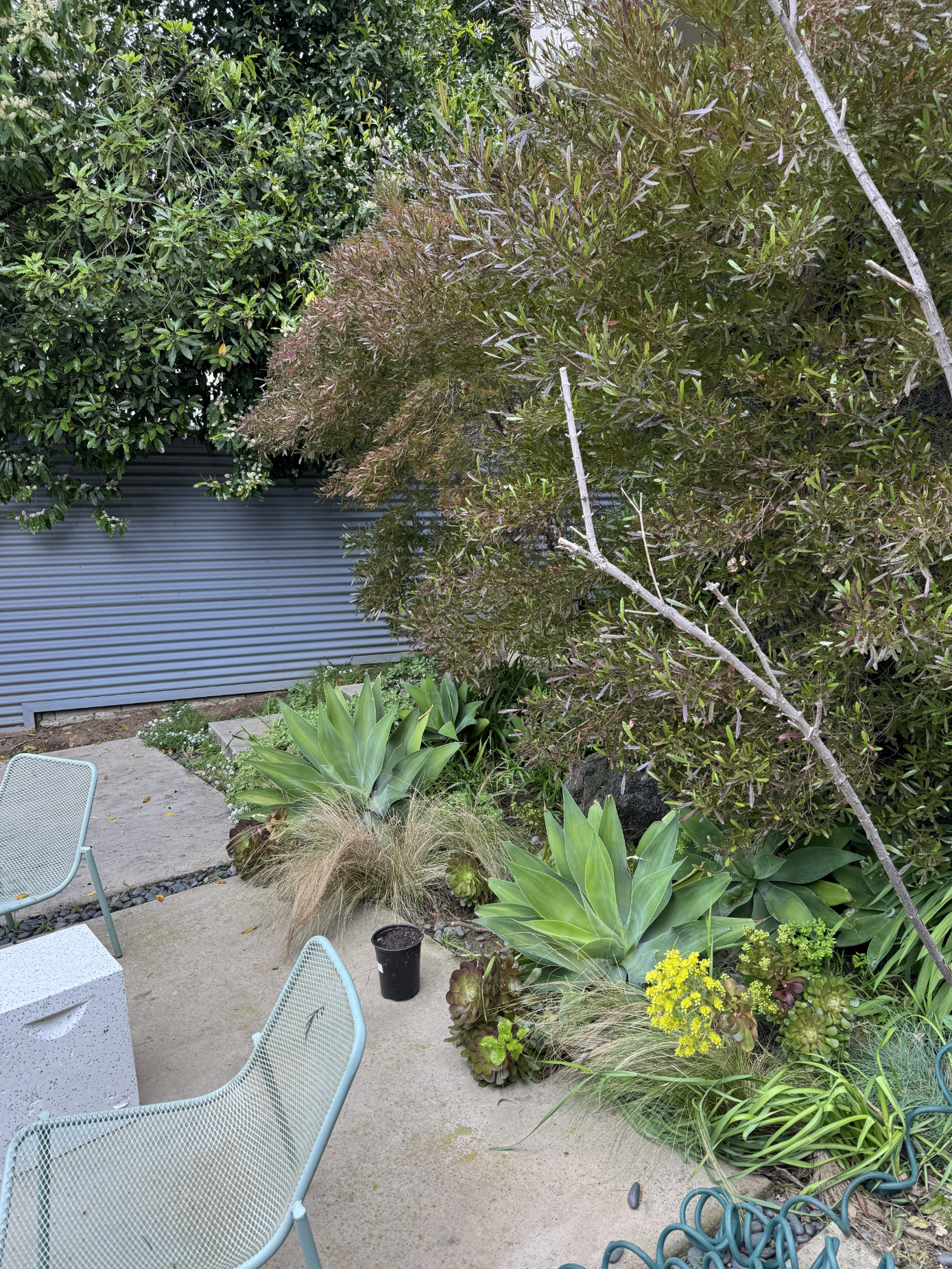
One of the few open spots in full sun ready for a new native plant addition.
California native plant ready to be put in the ground.
More natives will be added and intermixed with existing species.
Solanium xanti was added to this front yard to provide a beautiful native option for local wildlife.
Homeowner is adding several natives such as white sage, lemonade berry, artemisia californica, and milkweed.
Homeowner is adding several natives to this site including white sage, lemonade berry, Artemisia californica, and milkweed.
New native plant in the ground!
This sunny, low-water garden will receive a native plant addition in the barren spot.
More natives please! Why not, it’s fun.
Can there ever be too many native plants? We don’t think so and neither does this property where more will be added to an already abundant garden.
This property is adding one or two pots of native plants to help support wildlife.
This property has all nonnative plants that will slowly be removed and replaced with natives to support wildlife and living sustainbly.
Semi-shade balcony will prioritize native plants for birds and pollinators.
This backyard is getting a redo! We can’t wait to see the changes.
This site used to be pasture fourty years ago. The gardens have changed over time and now is focused on native plants that are drought-tolerant.
To brighten the small garden space on this patio native plants such as salal and western columbine will be added.
Adding more plants to help birds.
Native plants will be added to this beautiful understory to maximize resources and biodiversity.
Homeowner replaced nonnative plants with native species in these pots to support birds and pollinators.
Site will bolster its value for birds by adding native varieties.
Unfortunately rabbit pressure killed many of this property’s native plants last year, so they are starting over with new varieites.
New milkweeds emerging.
Native plant additions to this area to attract more wildlife.
This corner will get some new additions to accompany the existing olive, California fuschia, yarrow and Oregon grape.
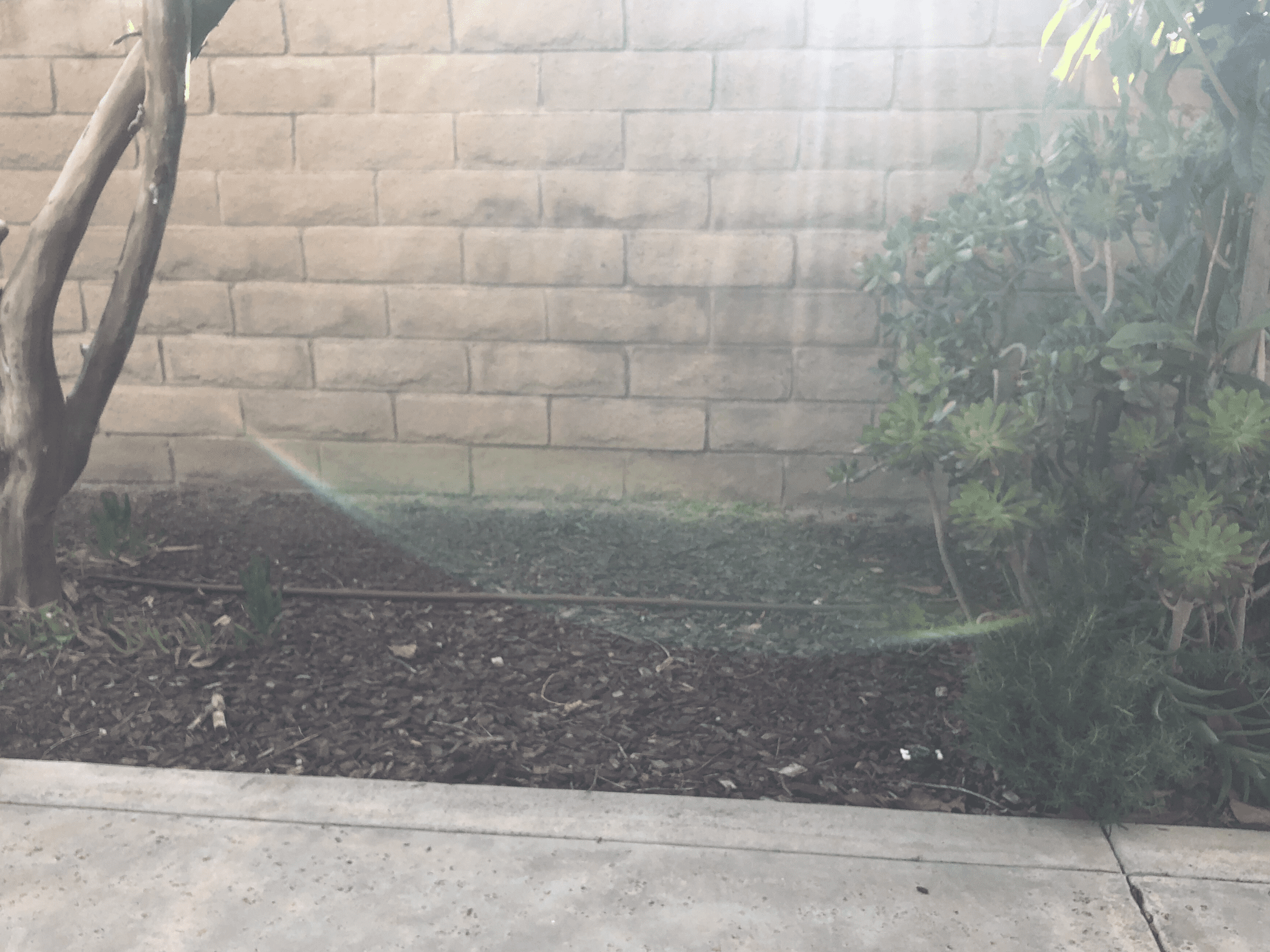
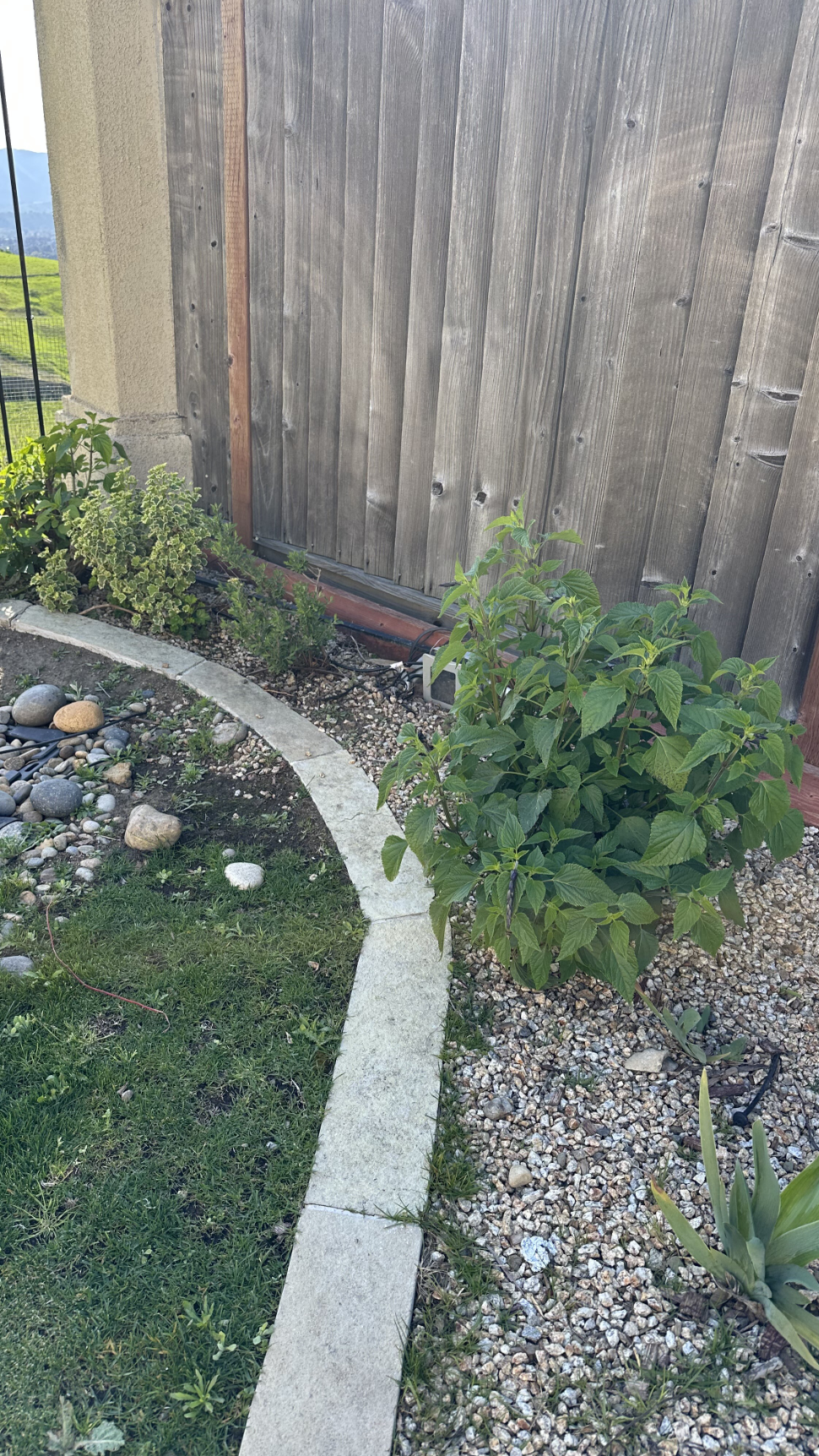
This dry strip that gets overrun by grass will get a native plant treatment.
Bye-bye lawn, hello drought tolerant native plants!
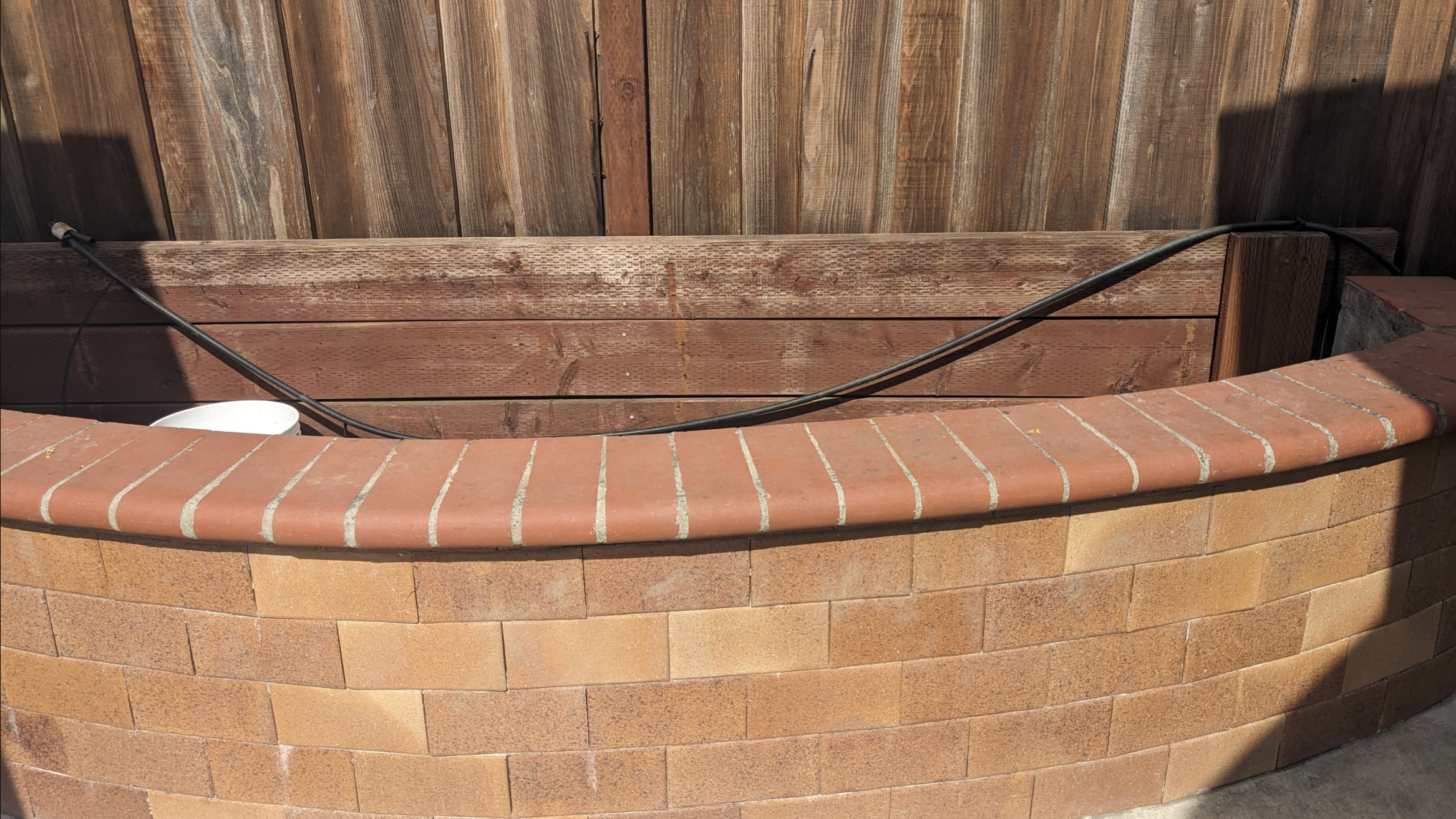
This planter historically grew tomatoes. Homeowner wanted to try something different this year.
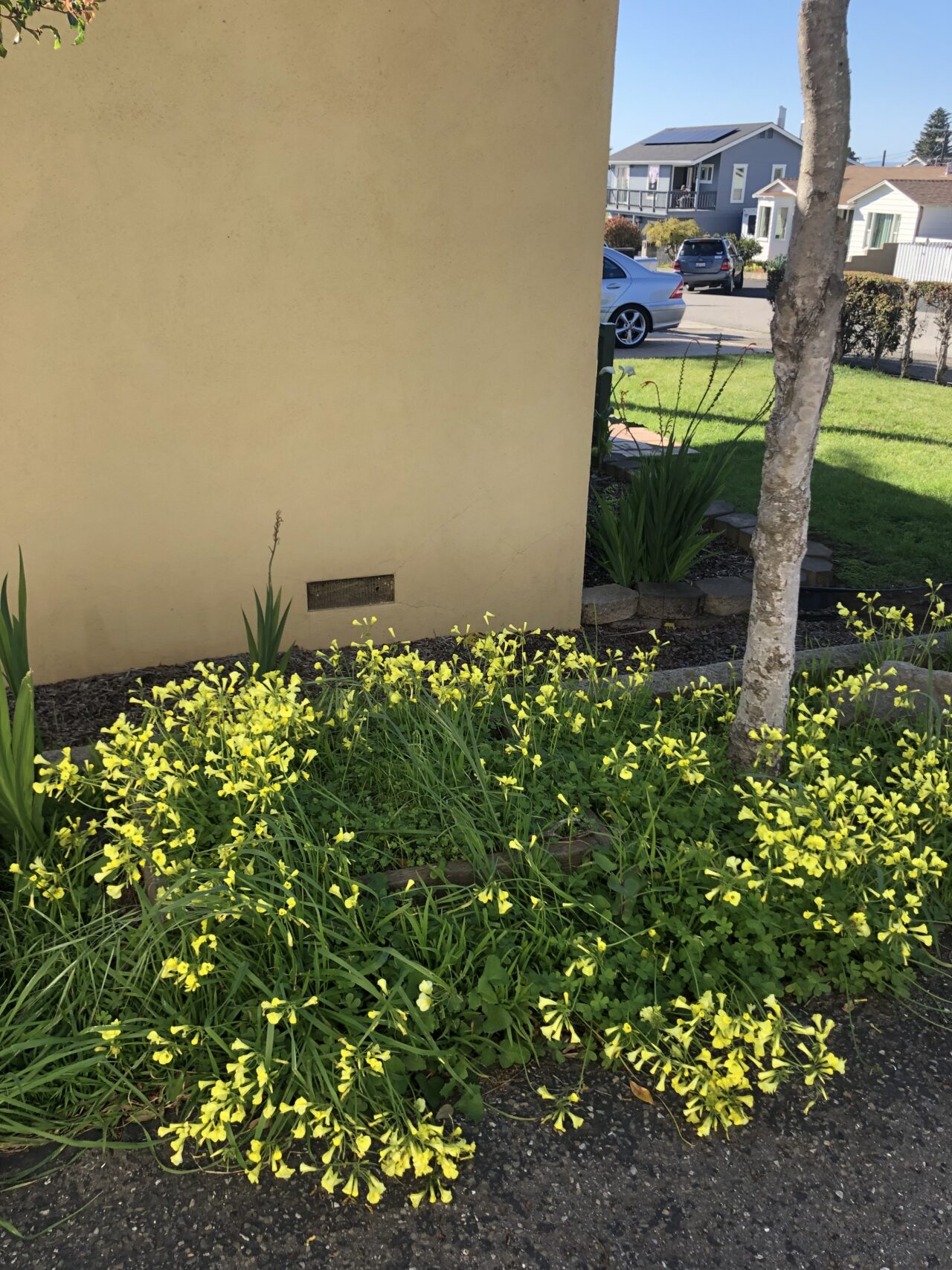
This garden has bulbs that only bloom in late winter and early spring and a lot of weeds that are very persistent move in later in the season. Homeowner plans to add drought tolerant native flowering ground covers or low growing flowering plants.
Homeowner has three goal for native plant additions; water conservation, resources for wildlife, and to counter the negative impacts of box stores that don’t prioritize offering native species.
This site started xeriscaping and creating wildlife habitat nine years ago to save water and to create wildlife habitat. More changes will be made this year.
Homeowners is replacing the old plants in the large planters with native plants to attract all kinds of birds, butterflies, and bees.
Property owner is adding native plants to increase food source for pollinators.
Garden spot will receive a “native plant make-over” to help more biodiversity.
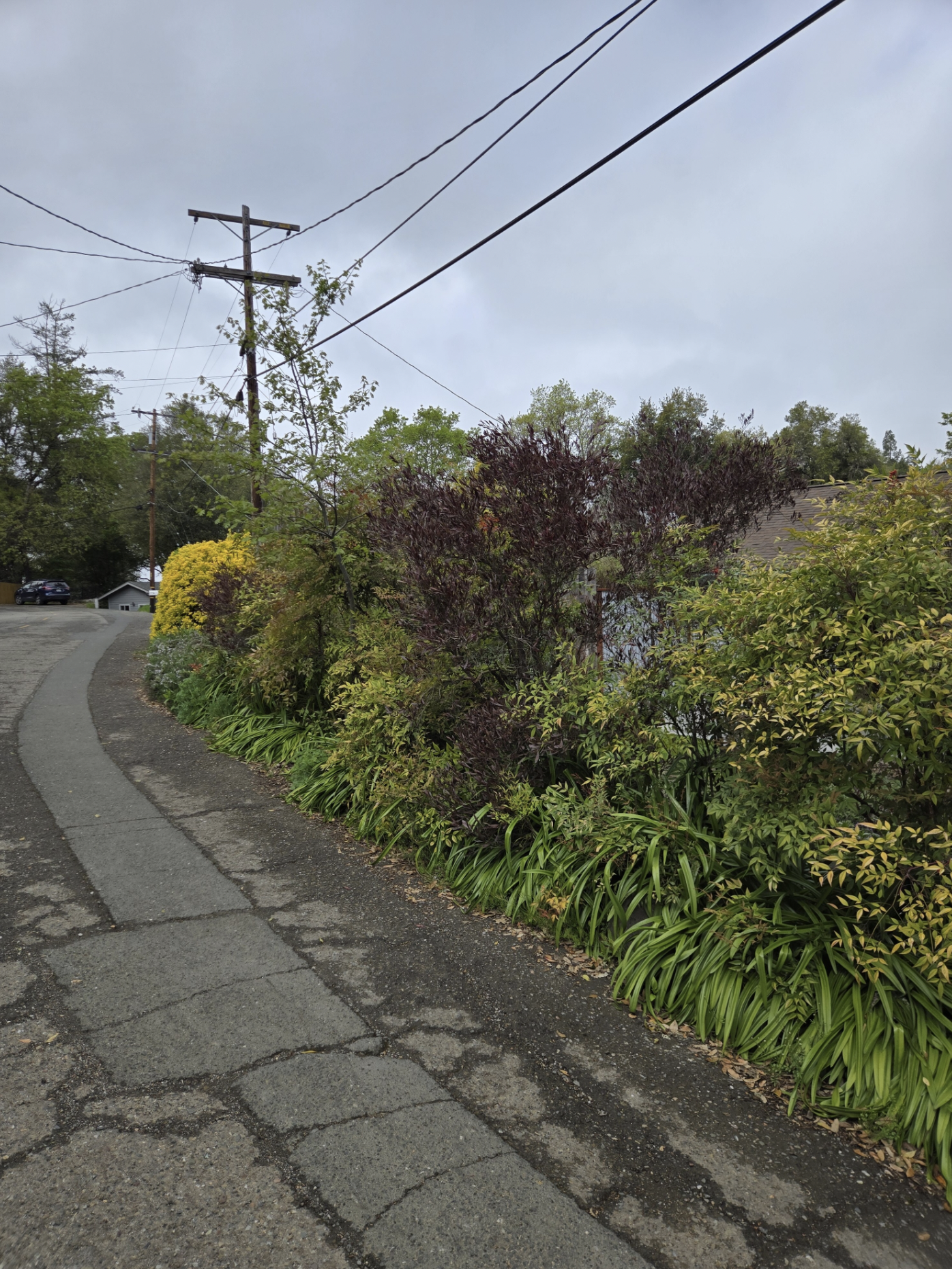
This site is mid-transformation. Nandina and other nonnatives are being replaced with manzanitas, toyon, lupin and poppies.

Stay connected to the Great Backyard Bird Count.

By subscribing to stay connected to the Great Backyard Bird Count, you agree to receive communications from The Cornell Lab, Audubon, and Birds Canada. You may unsubscribe from any of the organizations' communications at any time.