

Kentucky 2025

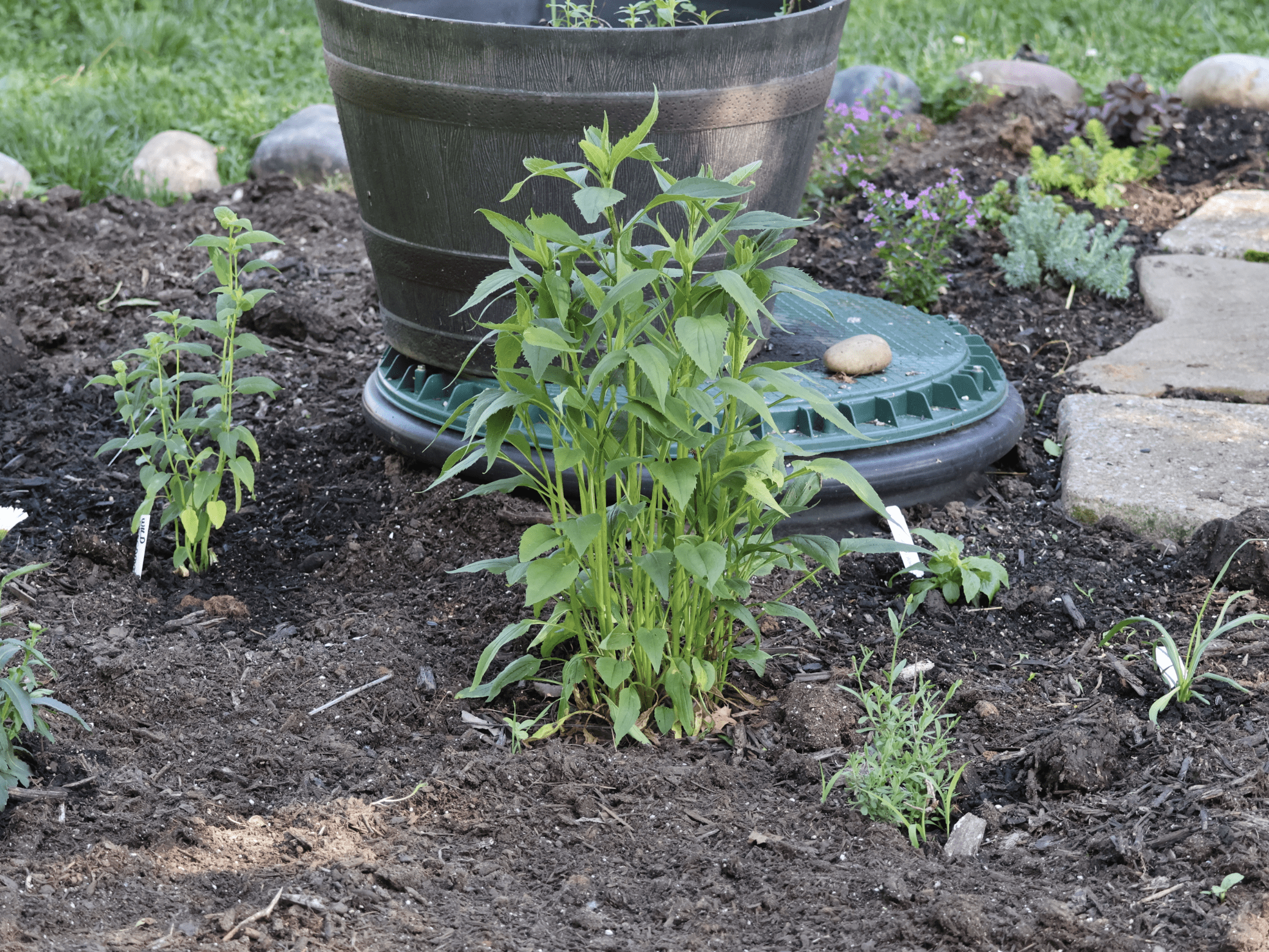
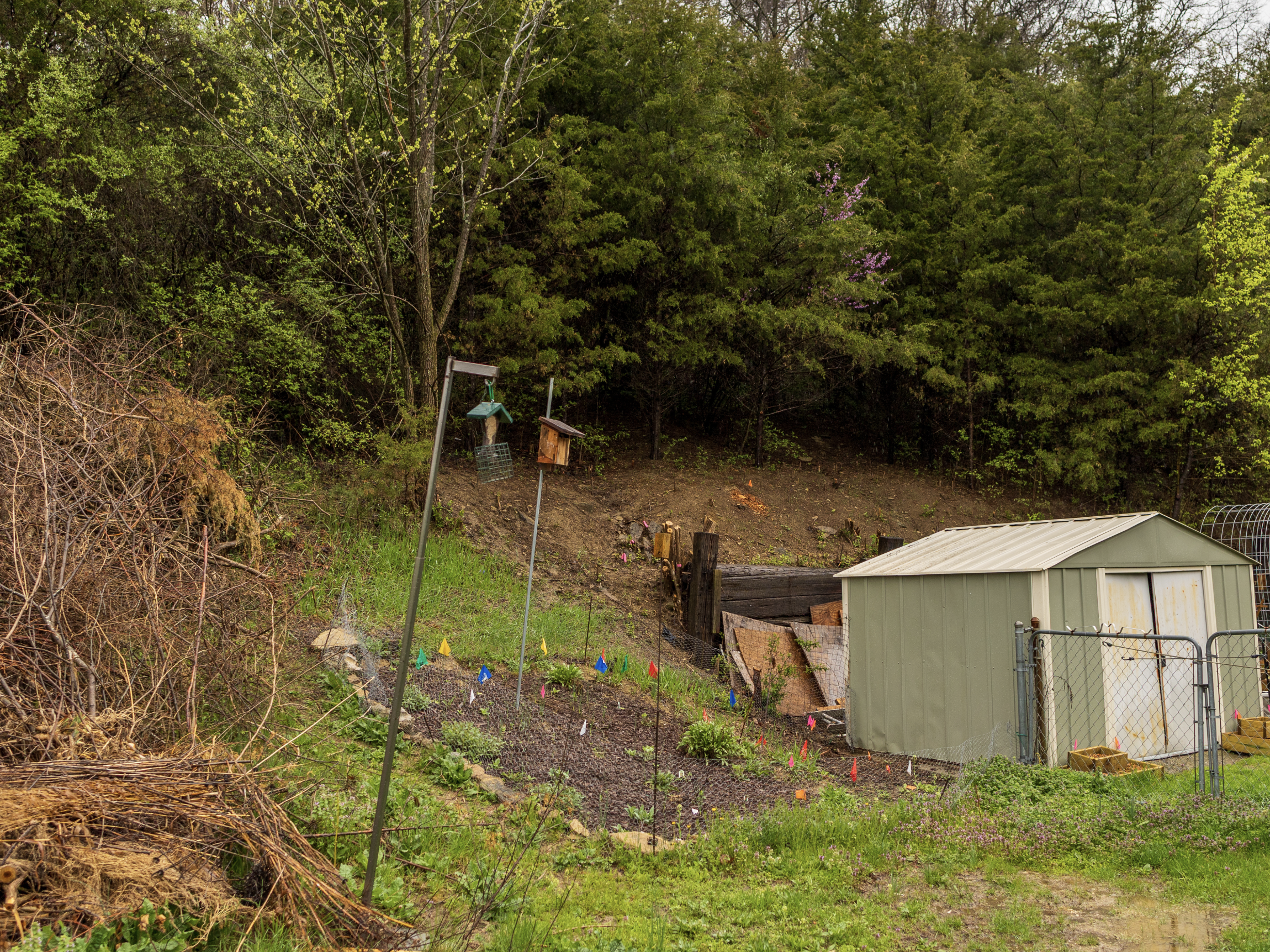
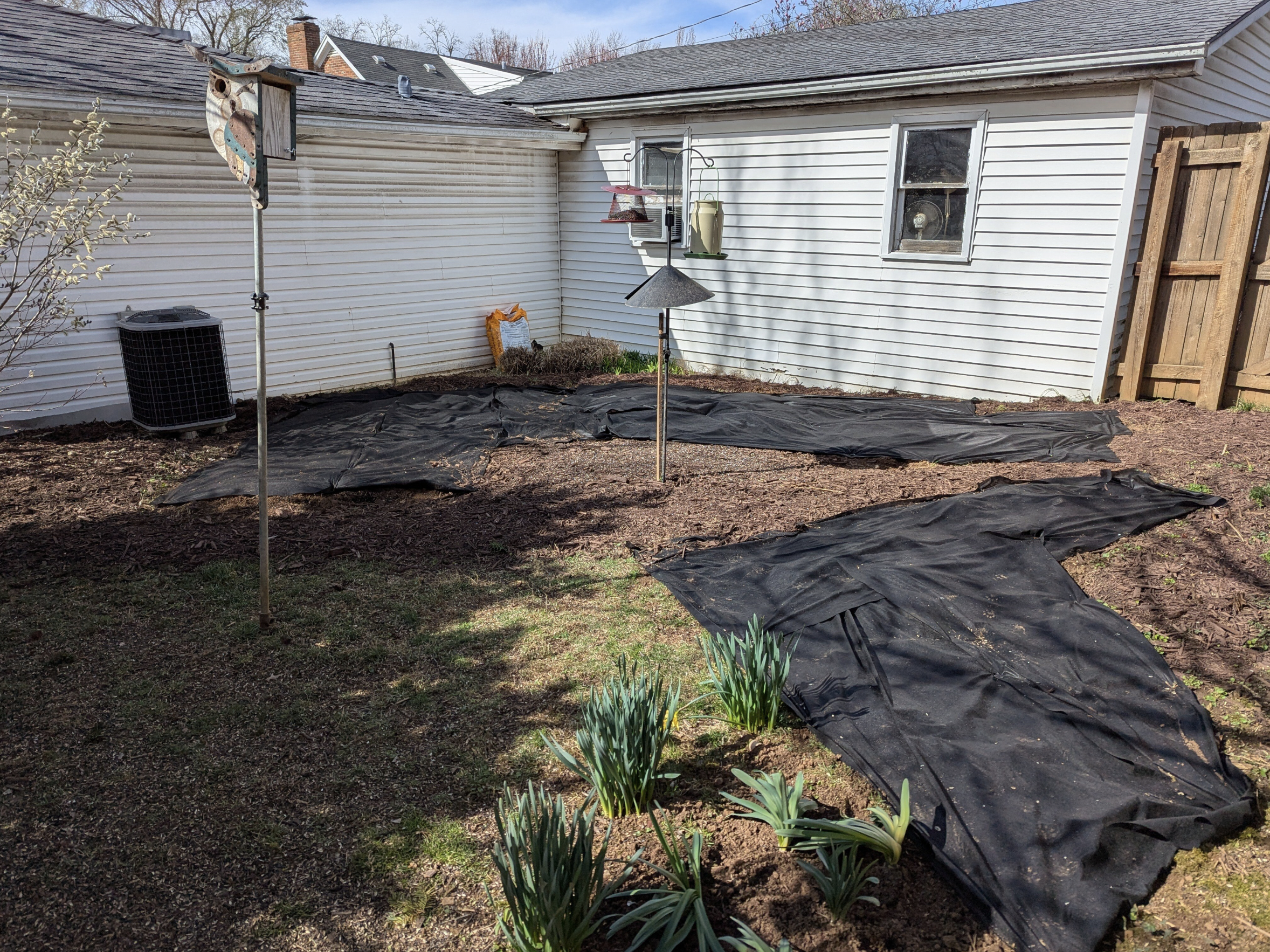
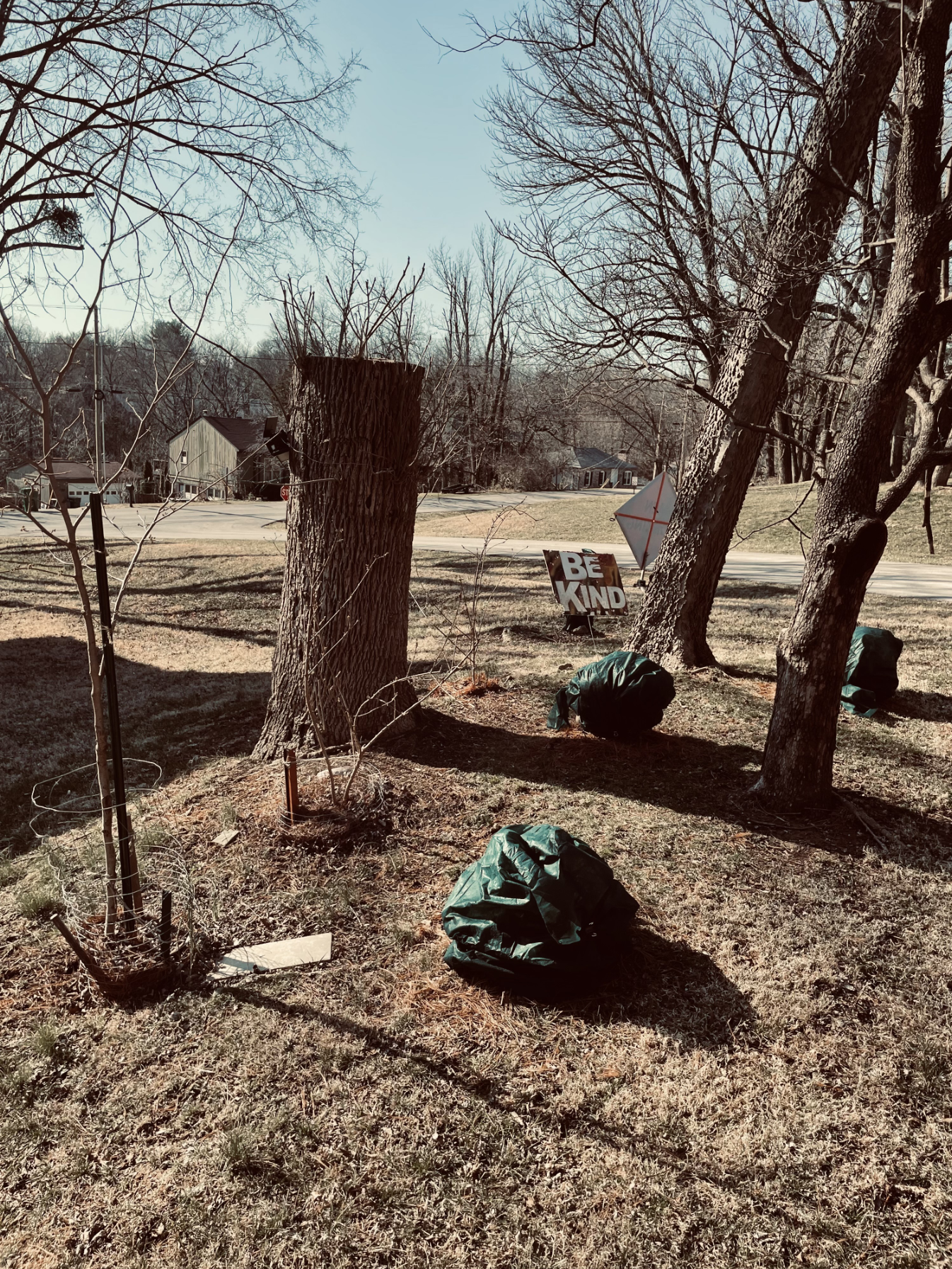
Before

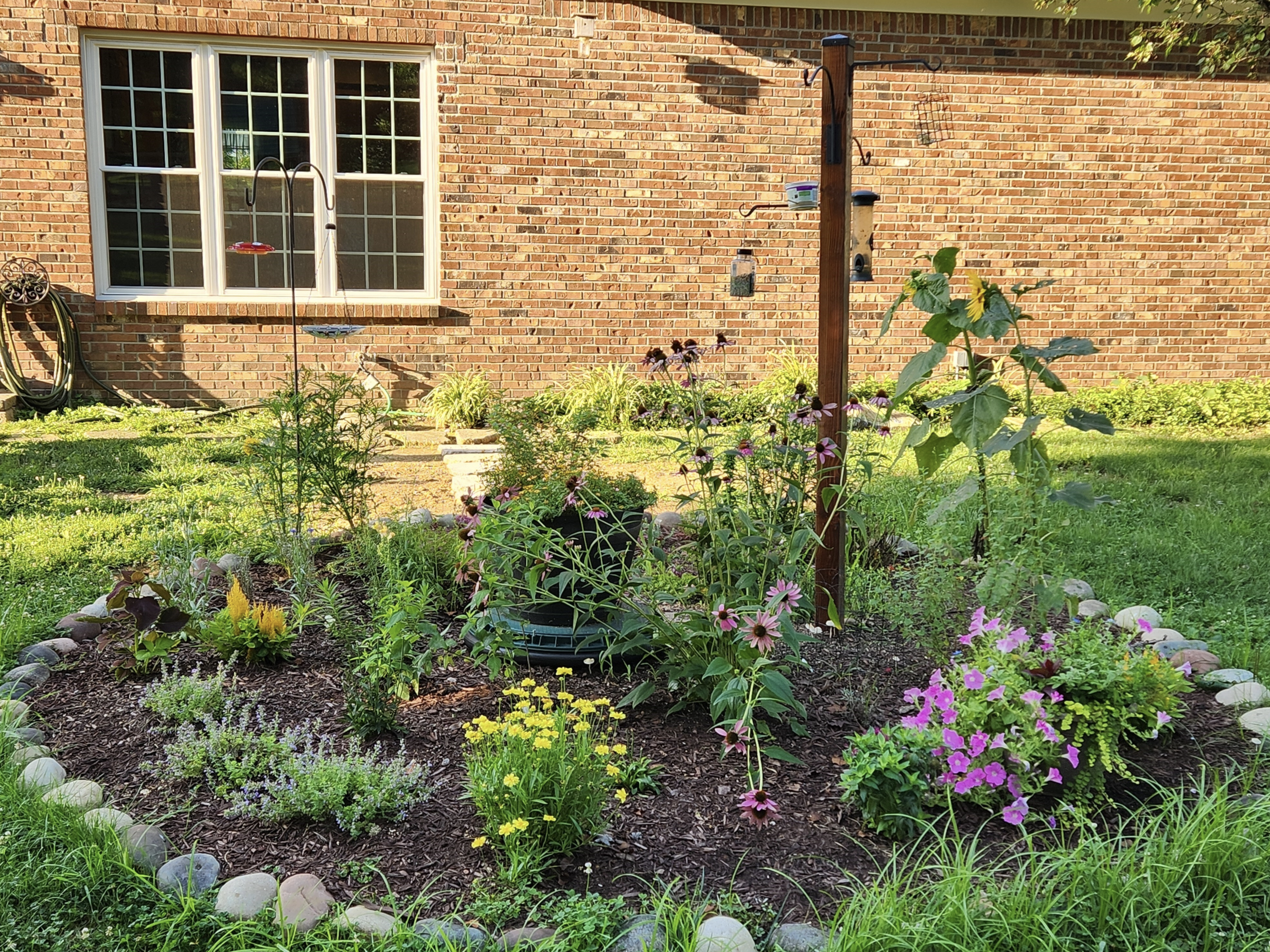
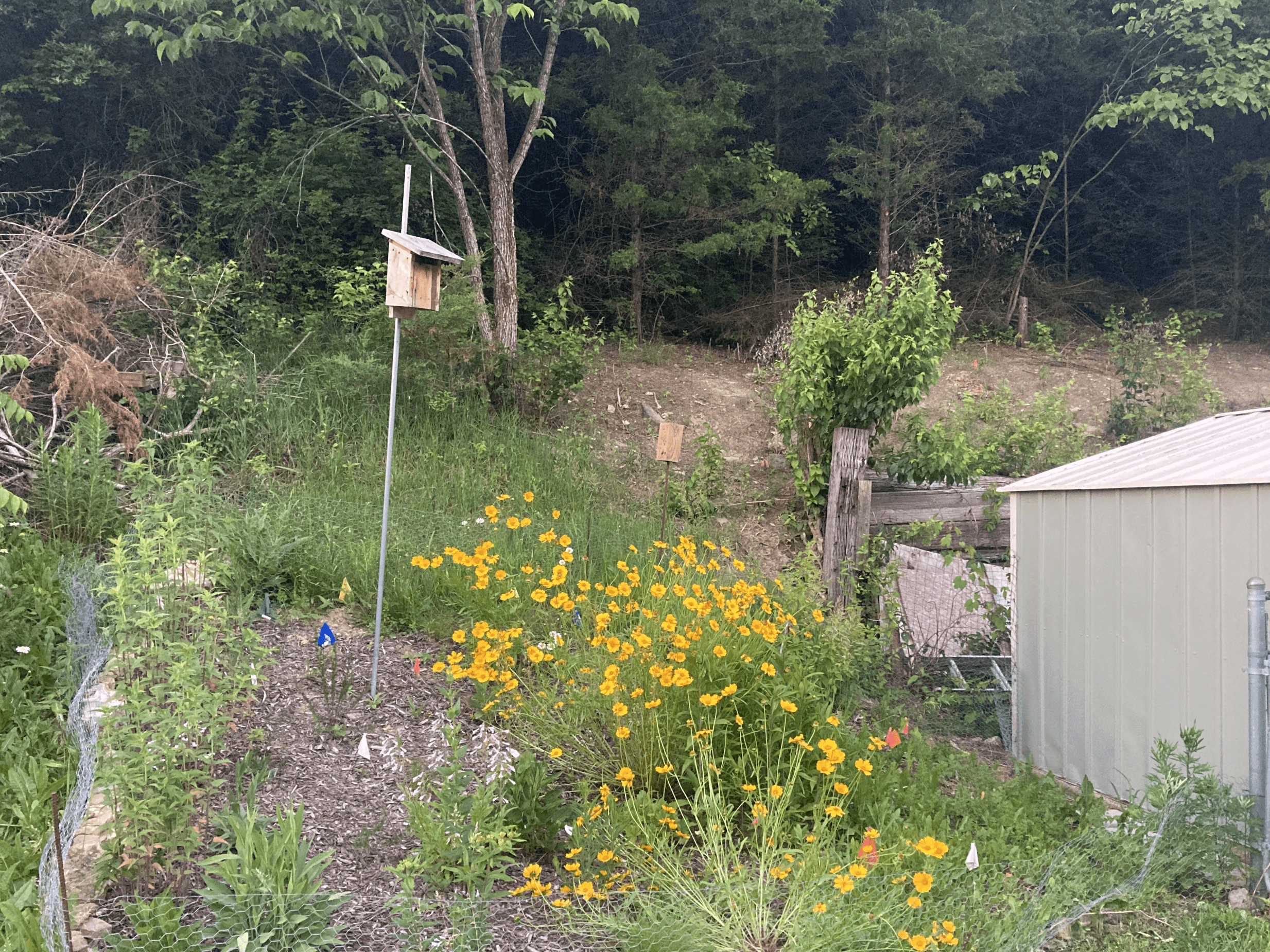
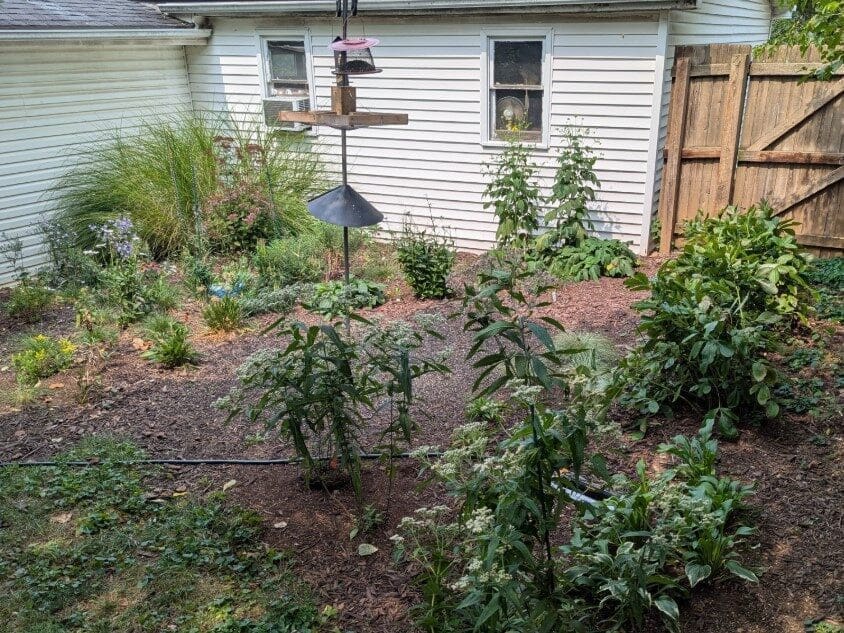
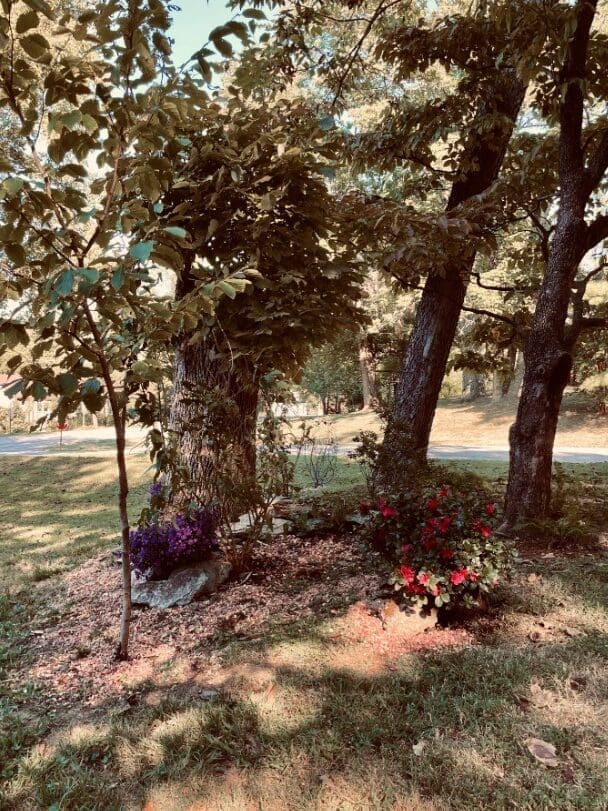
After

Wild bergamot, liatris spicatta, cardinal flower, echinacea, and asclepias tuberosa will be planted to help birds, butterflies, and other pollinators.
This homeowner noticed bees, butterflies and birds, especially hummingbirds, foraging on the flowers. They are very happy with this years progress and plan to add more native plants to keep attracting pollinators.
Property owner is adding native plants to create habitat for pollinators and birds.
This property is up to 75 species seen in their gardens including 10 migrating warblers and nesting Carolina chickadees and wrens.
Less mowing, more life! The soil is prepped for planting with the goal of creating a meadowscape.
This used to be Bermuda grass, but has been replaced with some native plants, including prairie dropseed which should fill in next year.
This property was once an old pasture that the owners have been adding native trees, shrubs, and flowers to for the birds, bees, butterflies, and other wildlife.
Sand Cherry did well in spring, but drought and deer browse took its toll. Other native shrubs and plants did well, and there are lots of butterflies in the area.
A transformation will occur here to include more native species for the birds and insects.
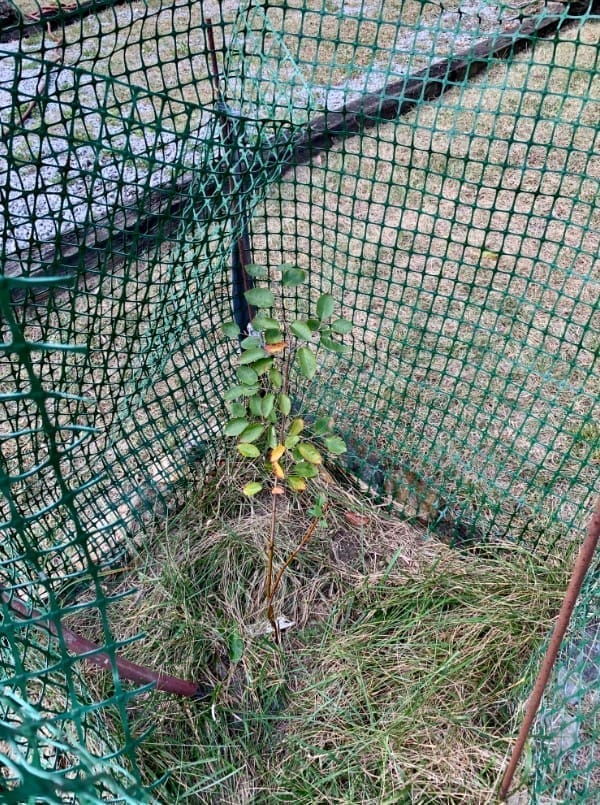
One of two serviceberries survived, the other succumbed to deer and rabbits. This gardener plans to plant more though!

Remaining Before Photos

This property prioritizes planting for birds, bees, and bugs that need our help.
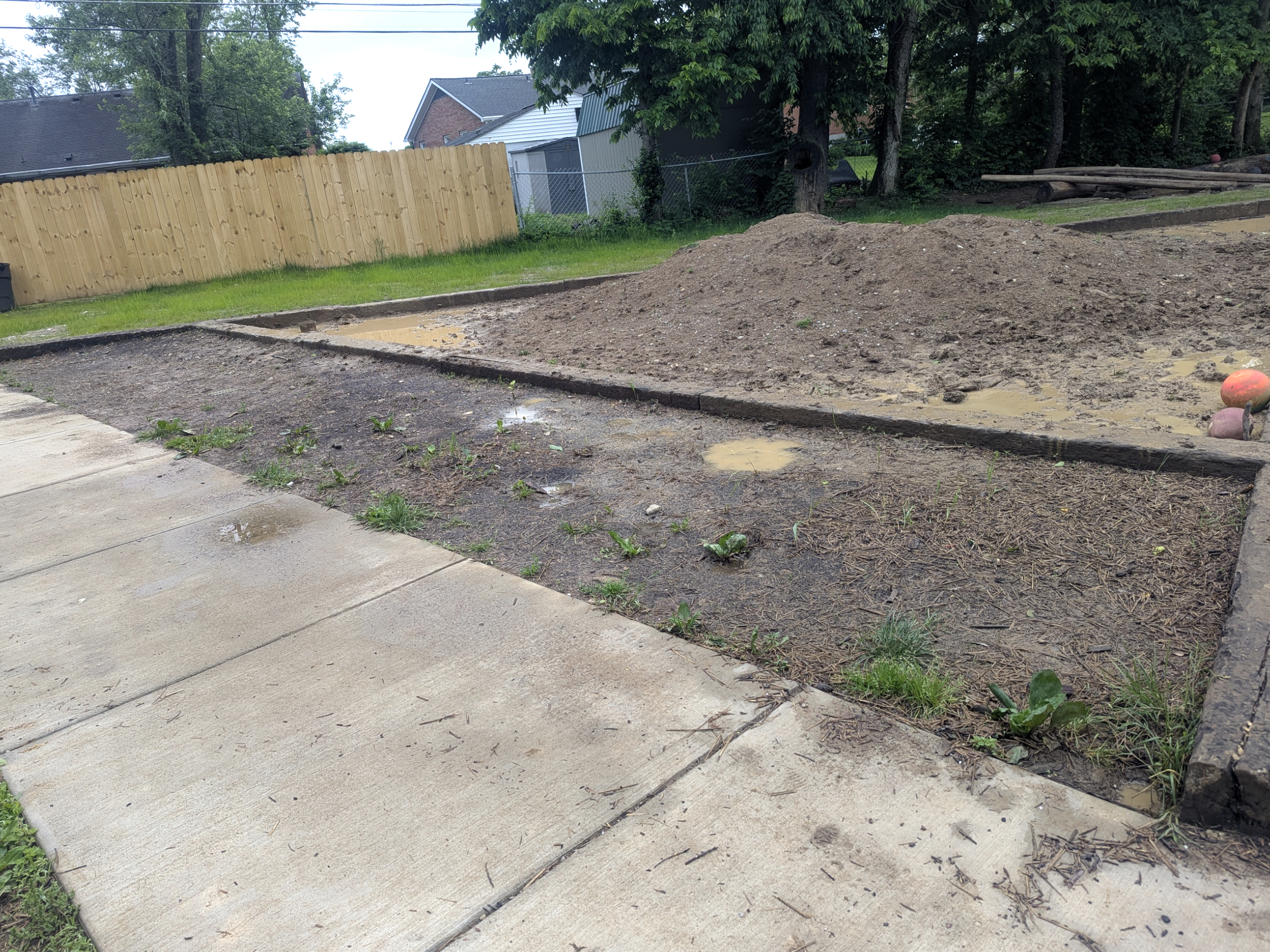
This school underwent a new construction project and had to remove their gardens. They are now reestablishing with gardens with natives species to help absorb rainwater, prevent flooding and erosion, while also helping local biodiversity.

Stay connected to the Great Backyard Bird Count.

By subscribing to stay connected to the Great Backyard Bird Count, you agree to receive communications from The Cornell Lab, Audubon, and Birds Canada. You may unsubscribe from any of the organizations' communications at any time.