

Massachusetts 2025

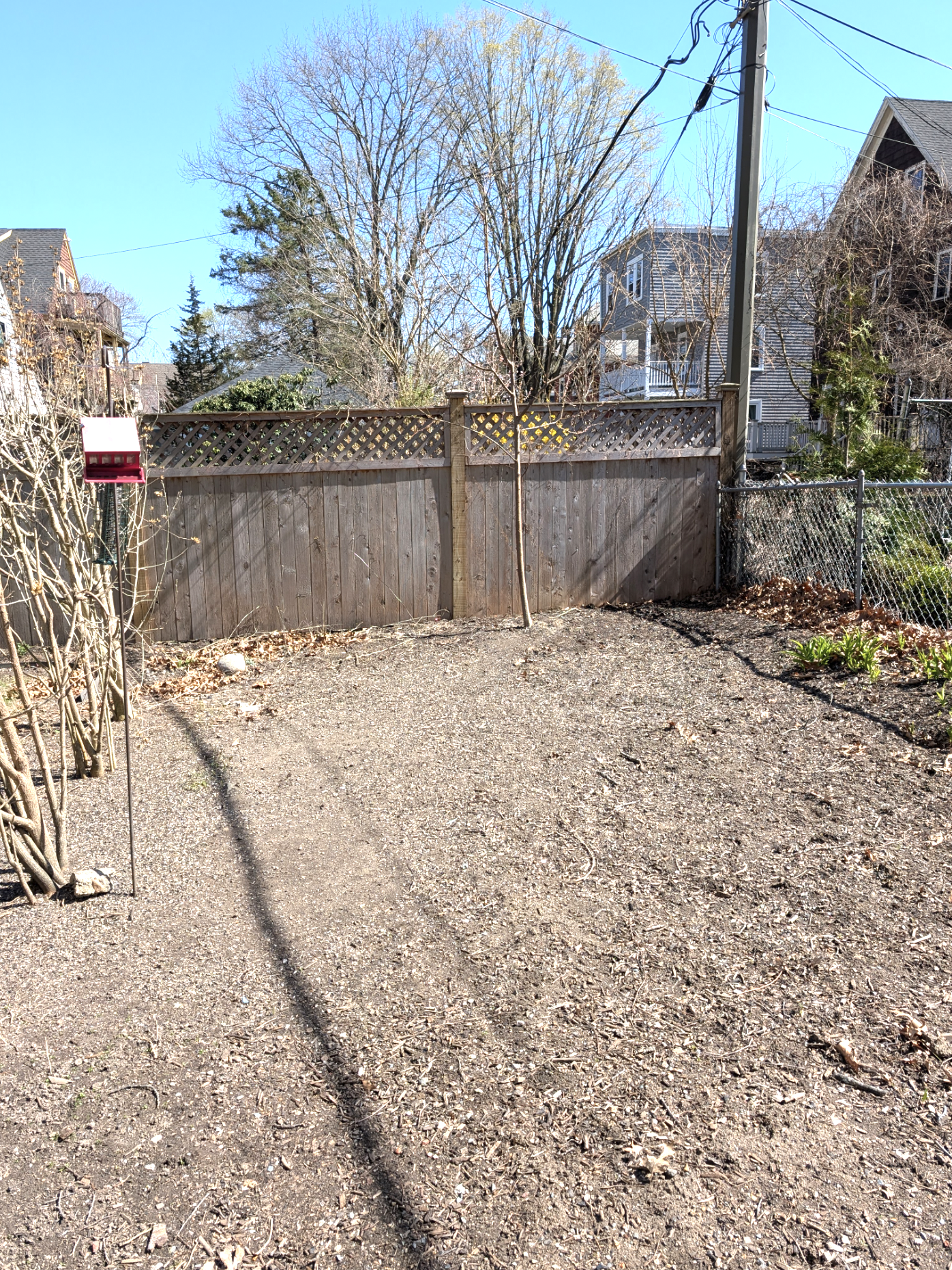
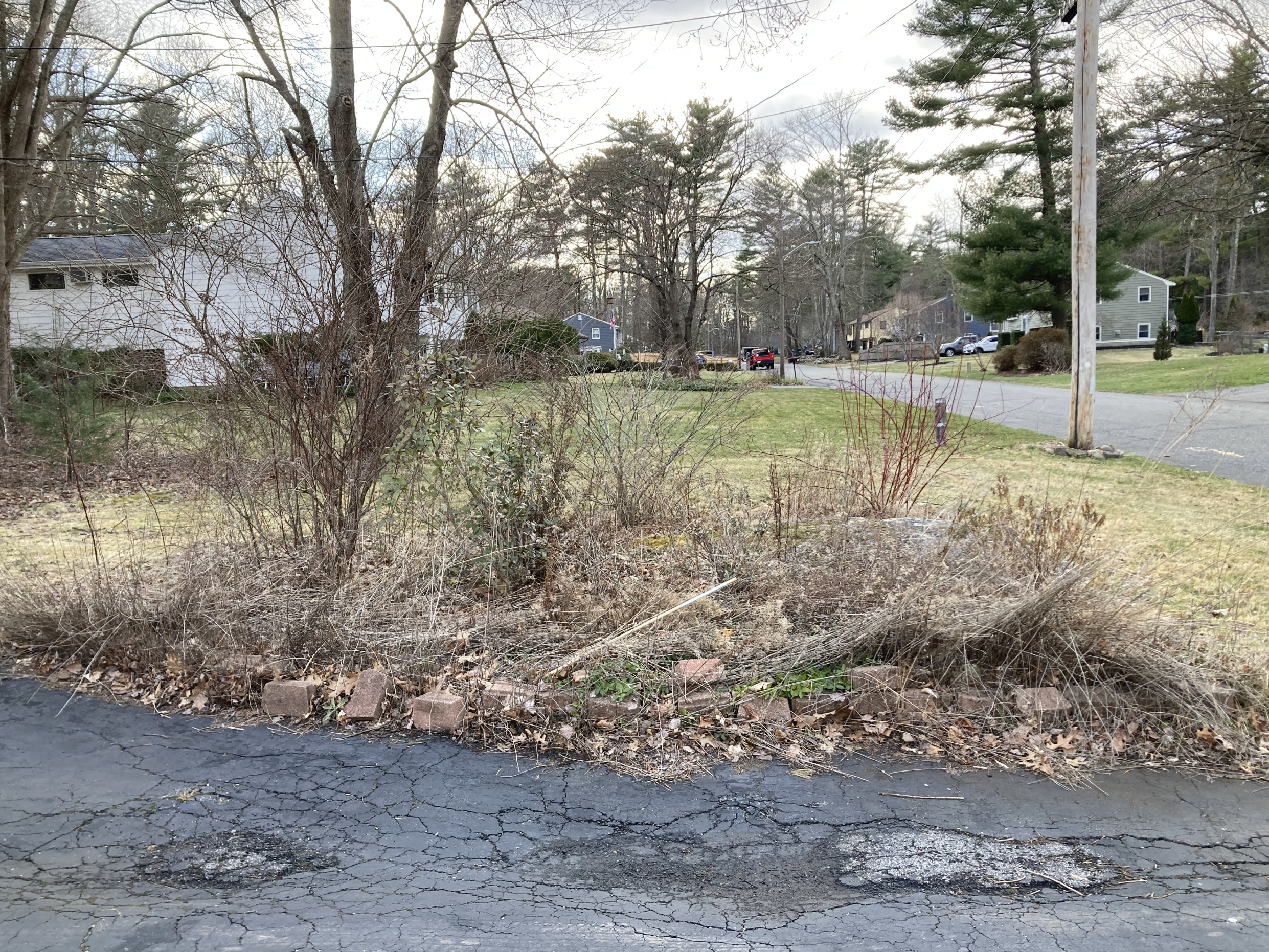
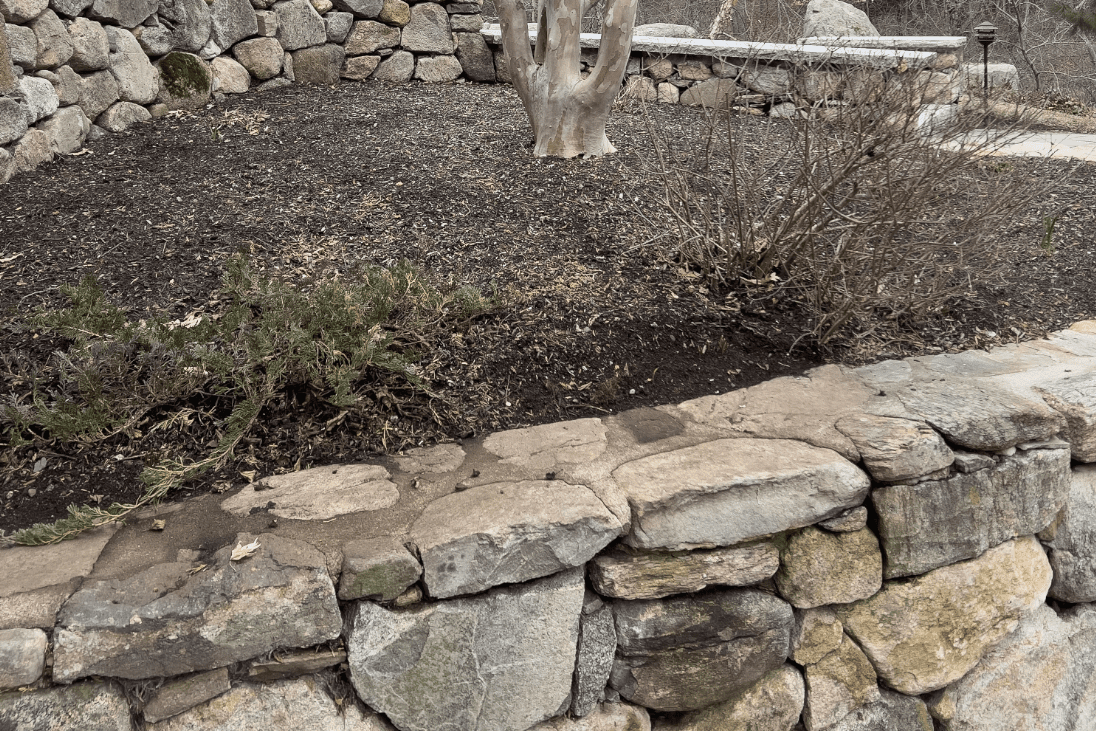
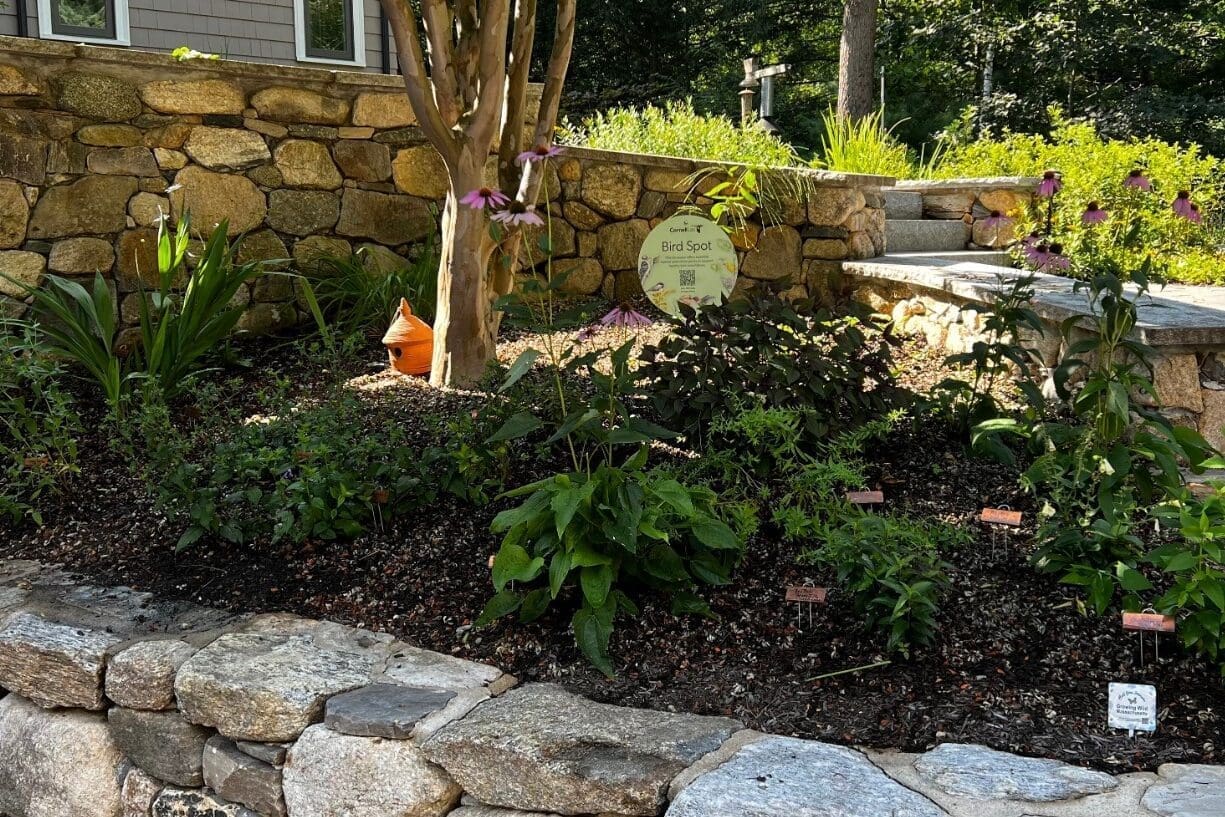
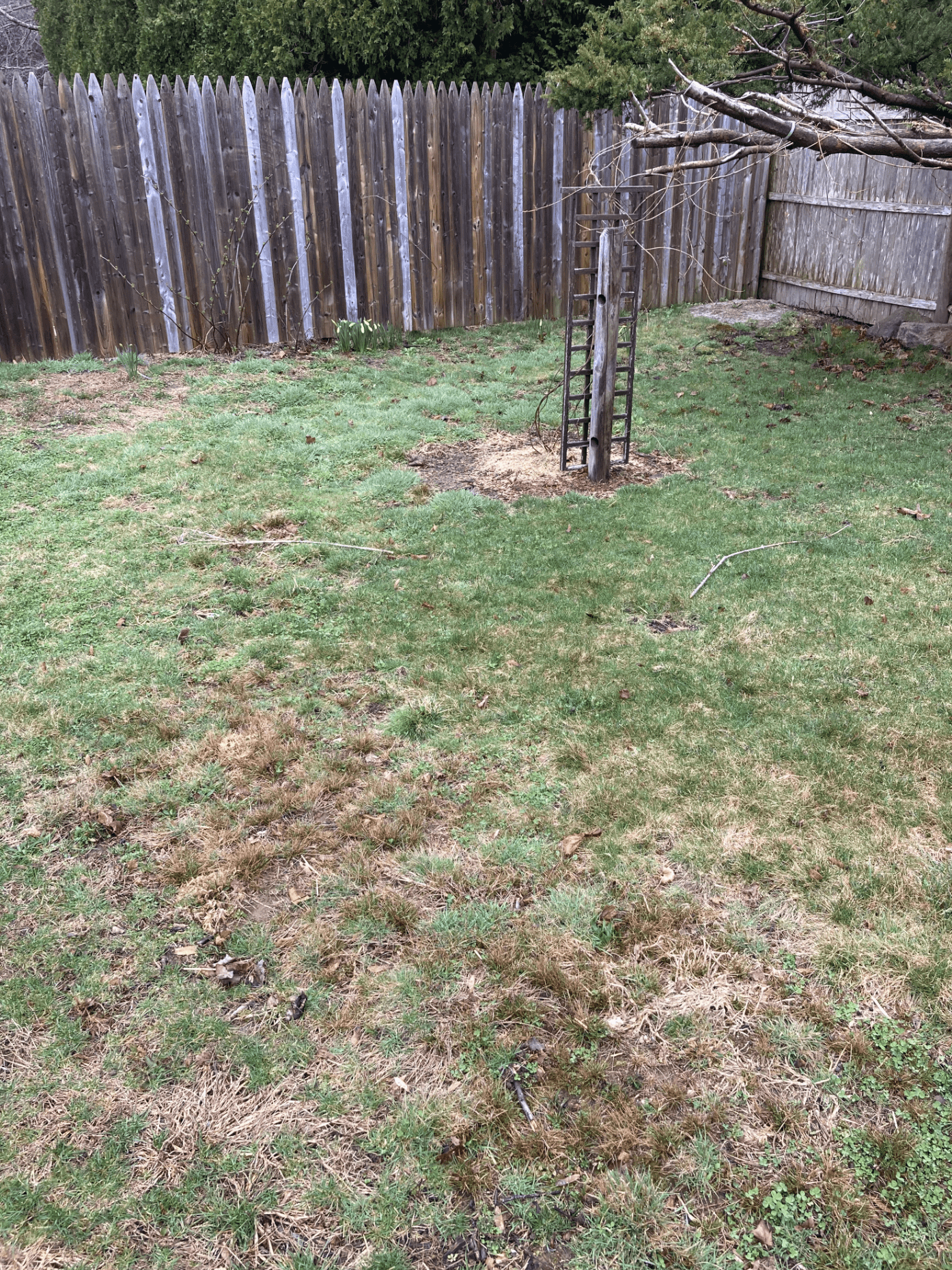
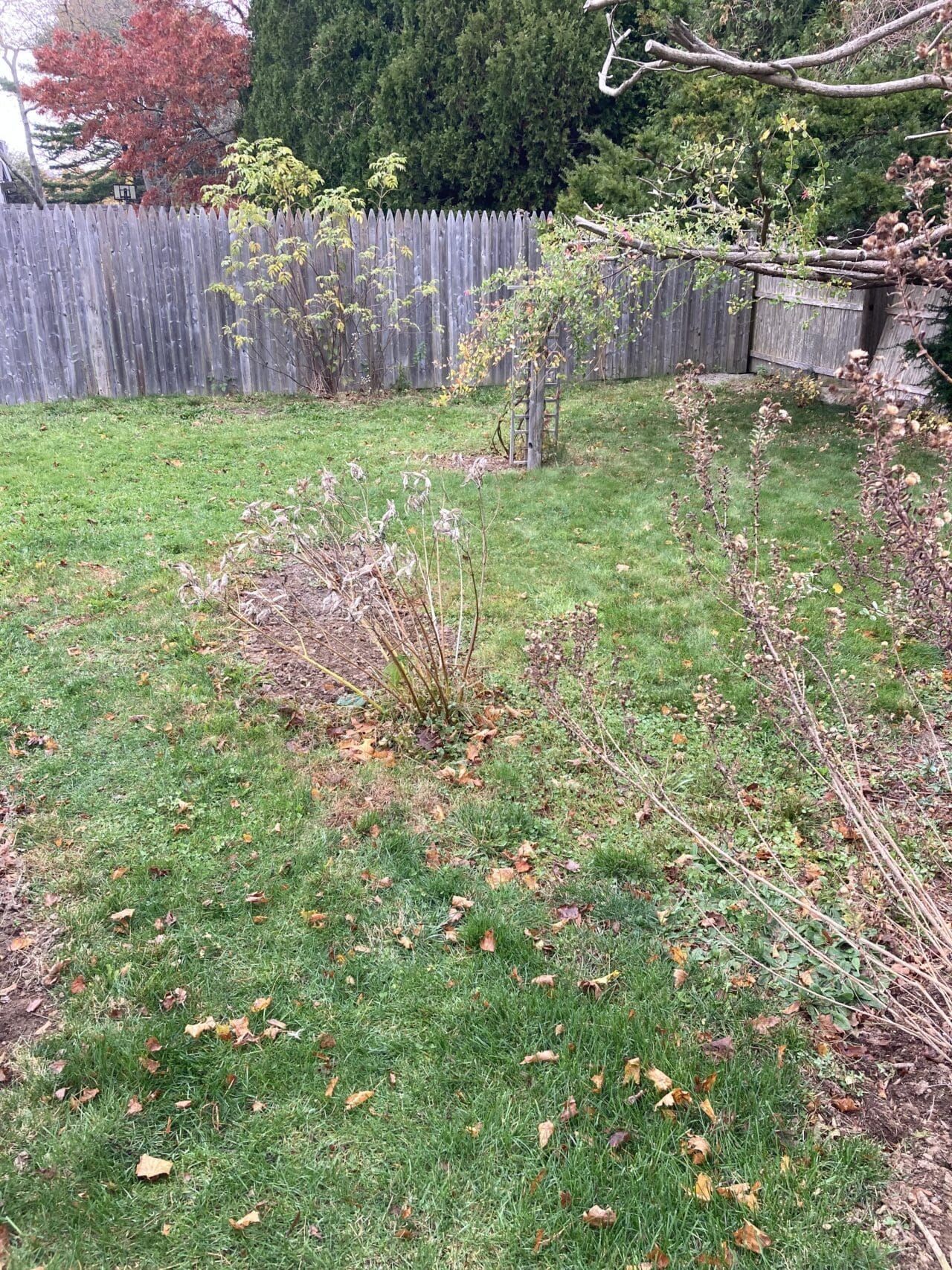
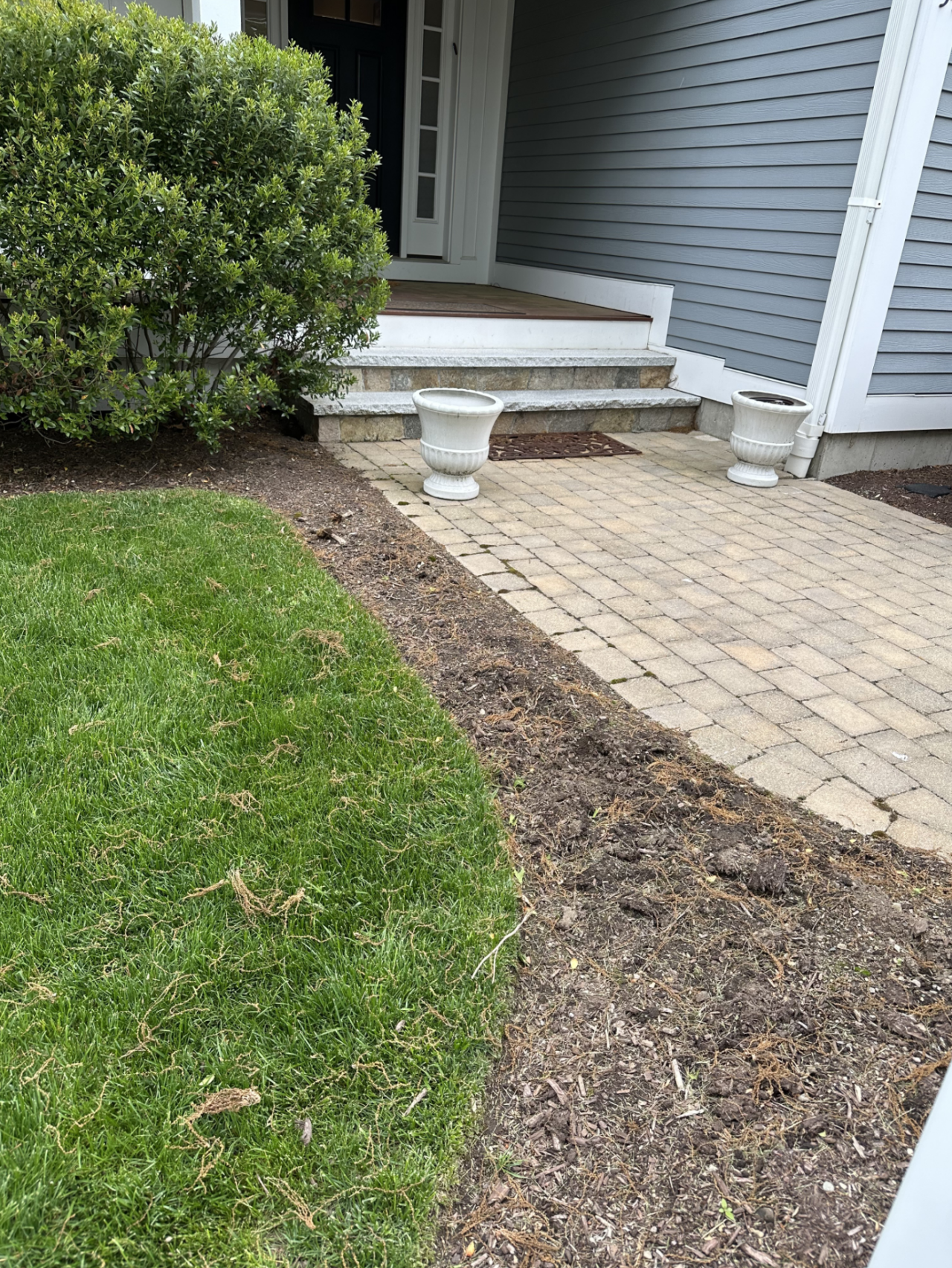
Before

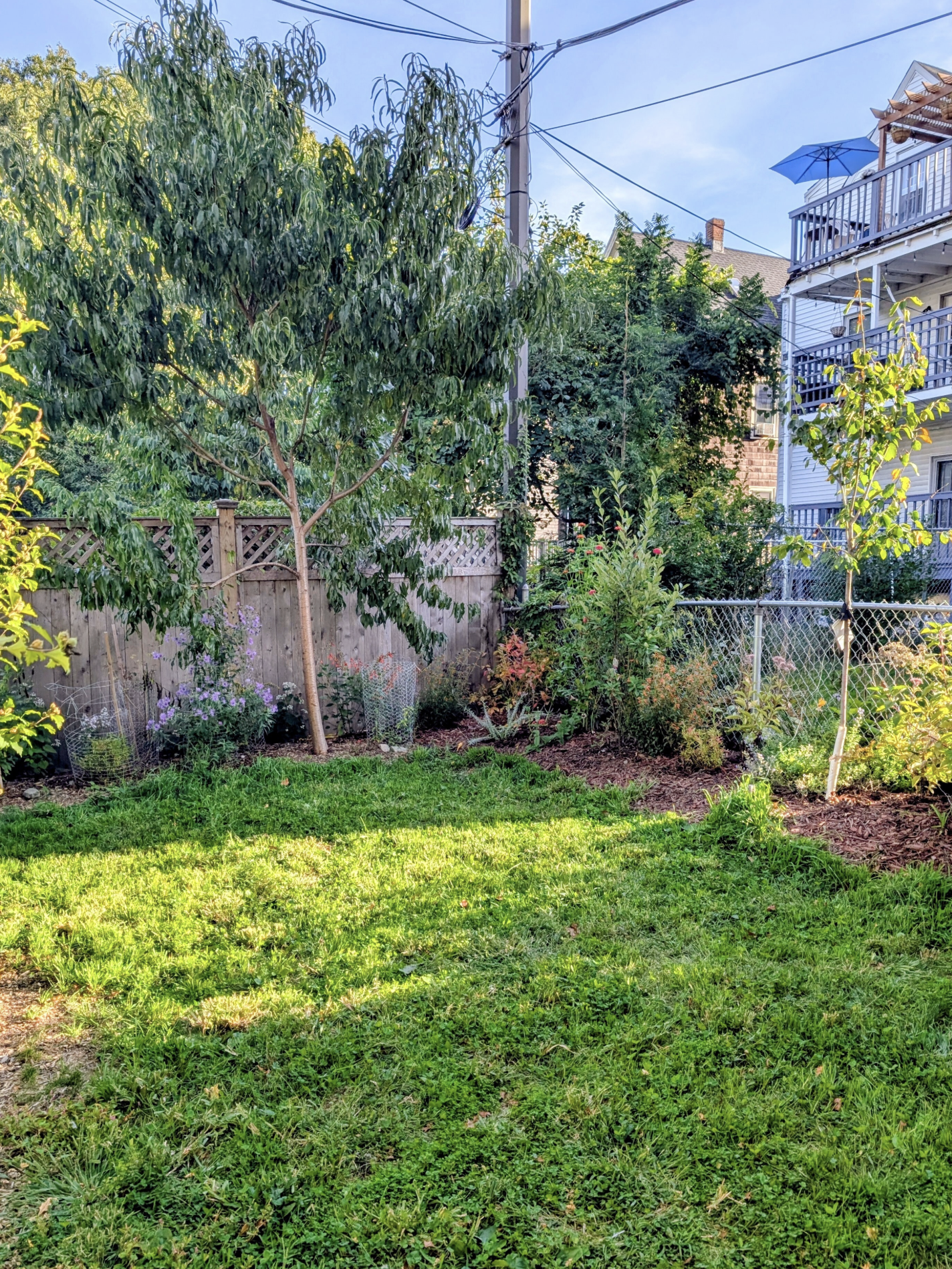
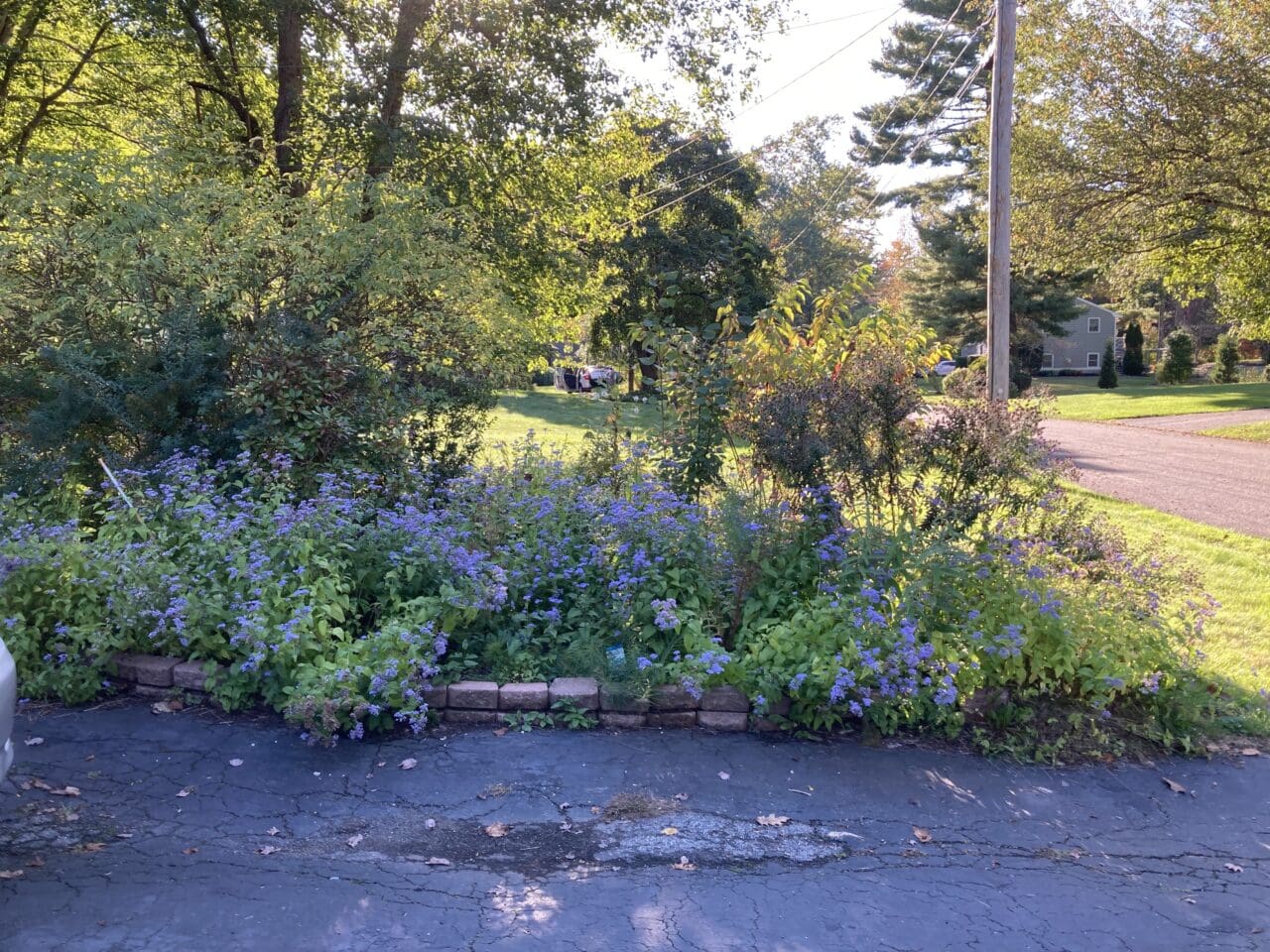
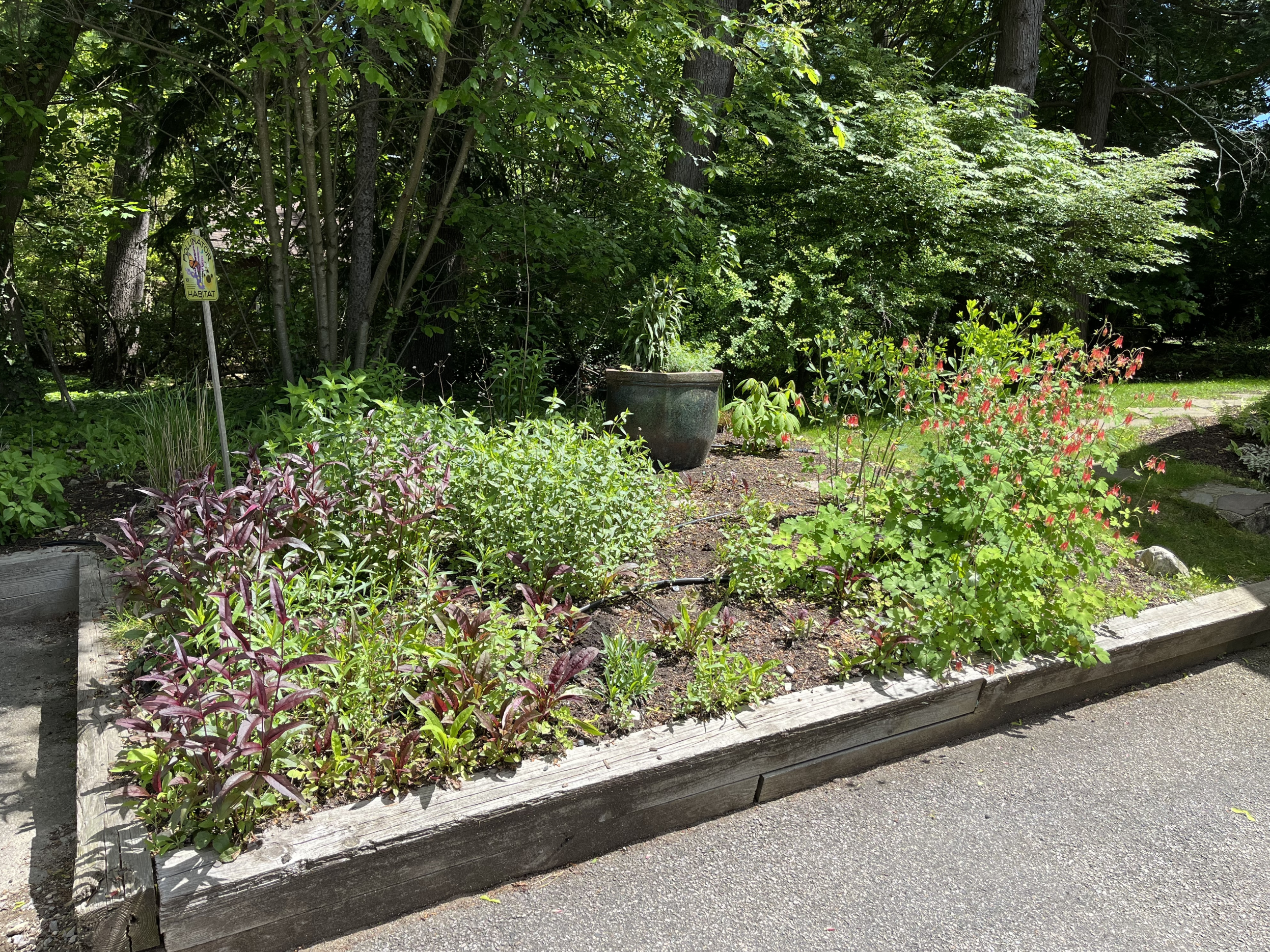
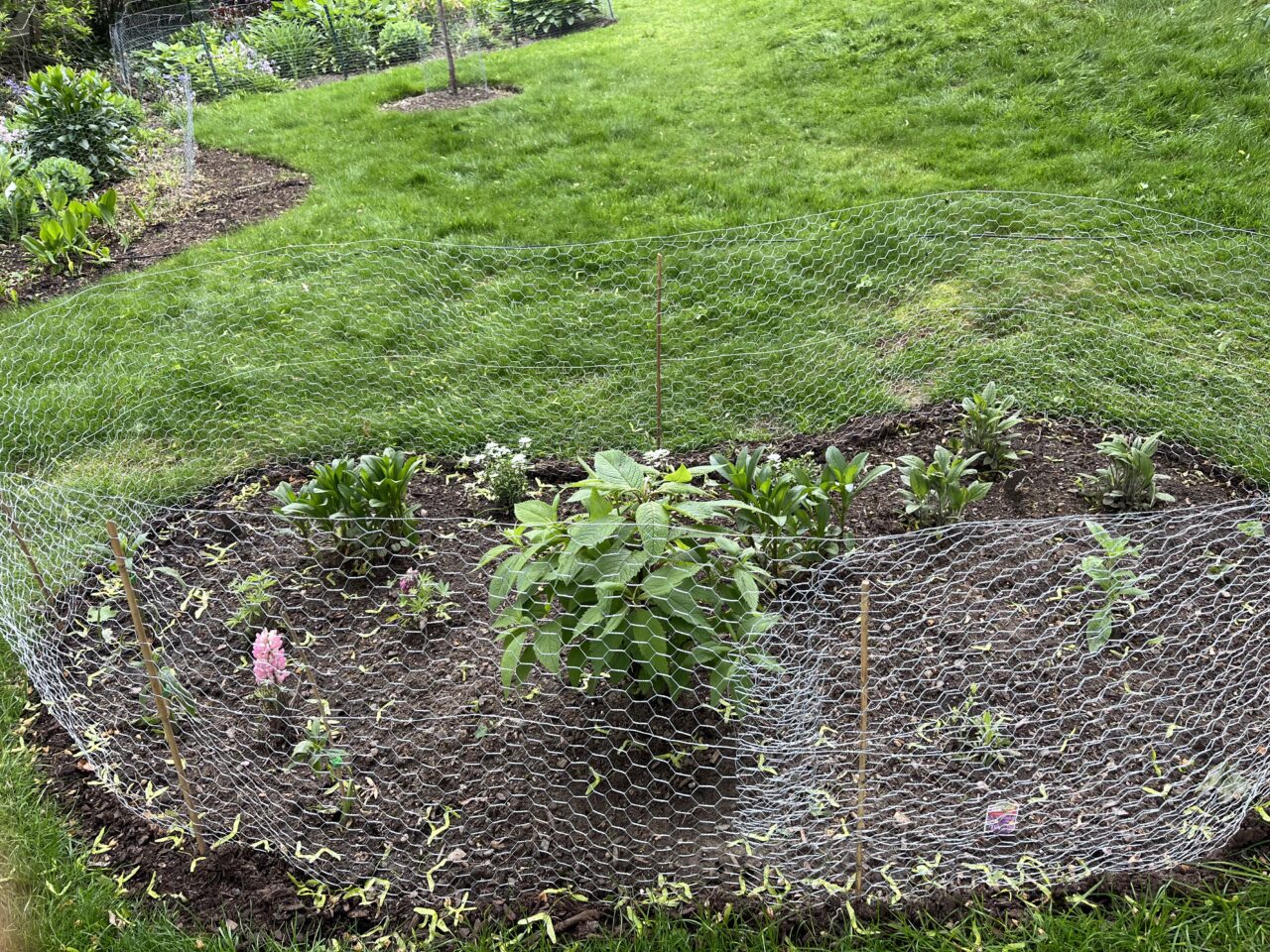
After
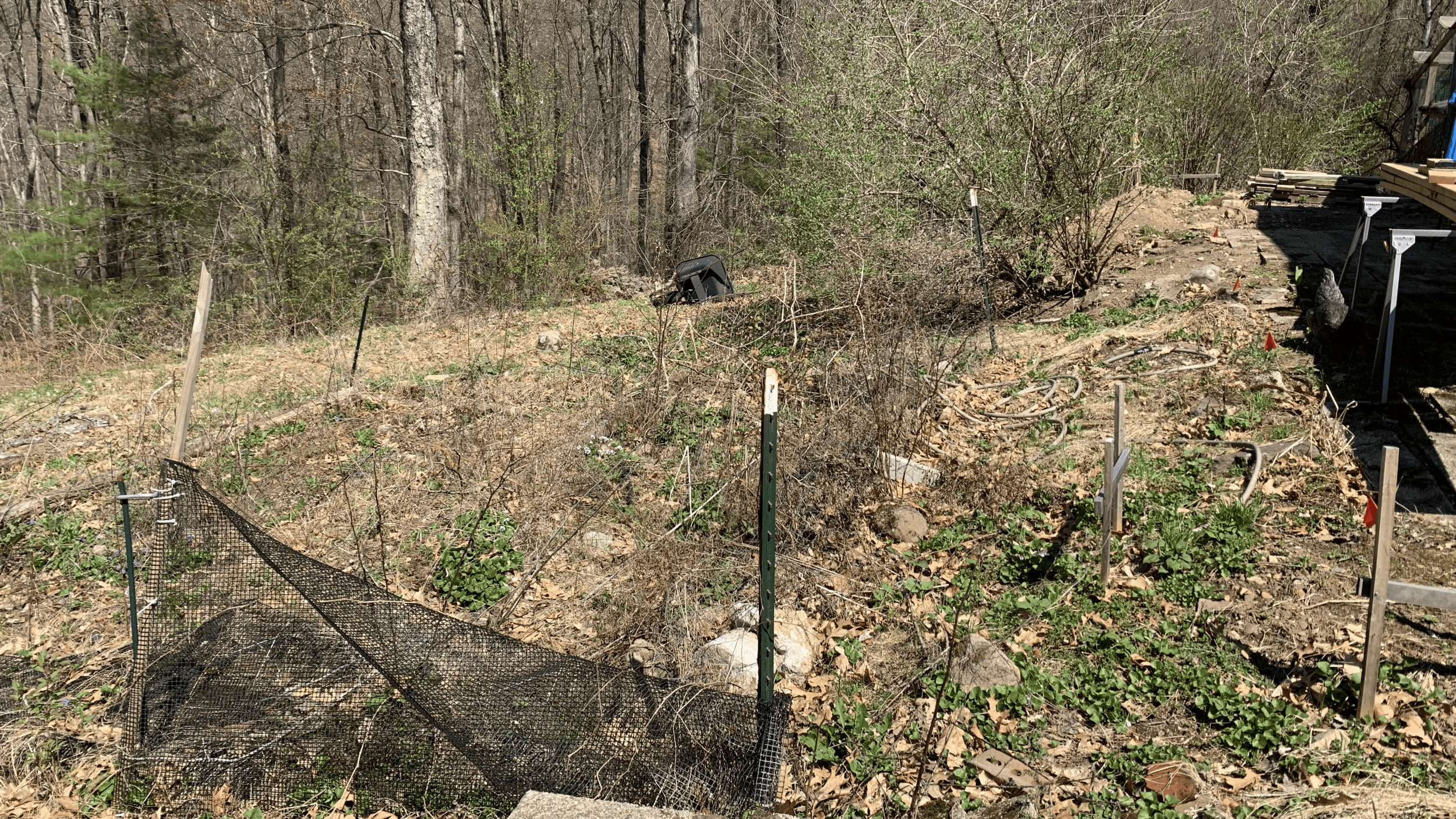
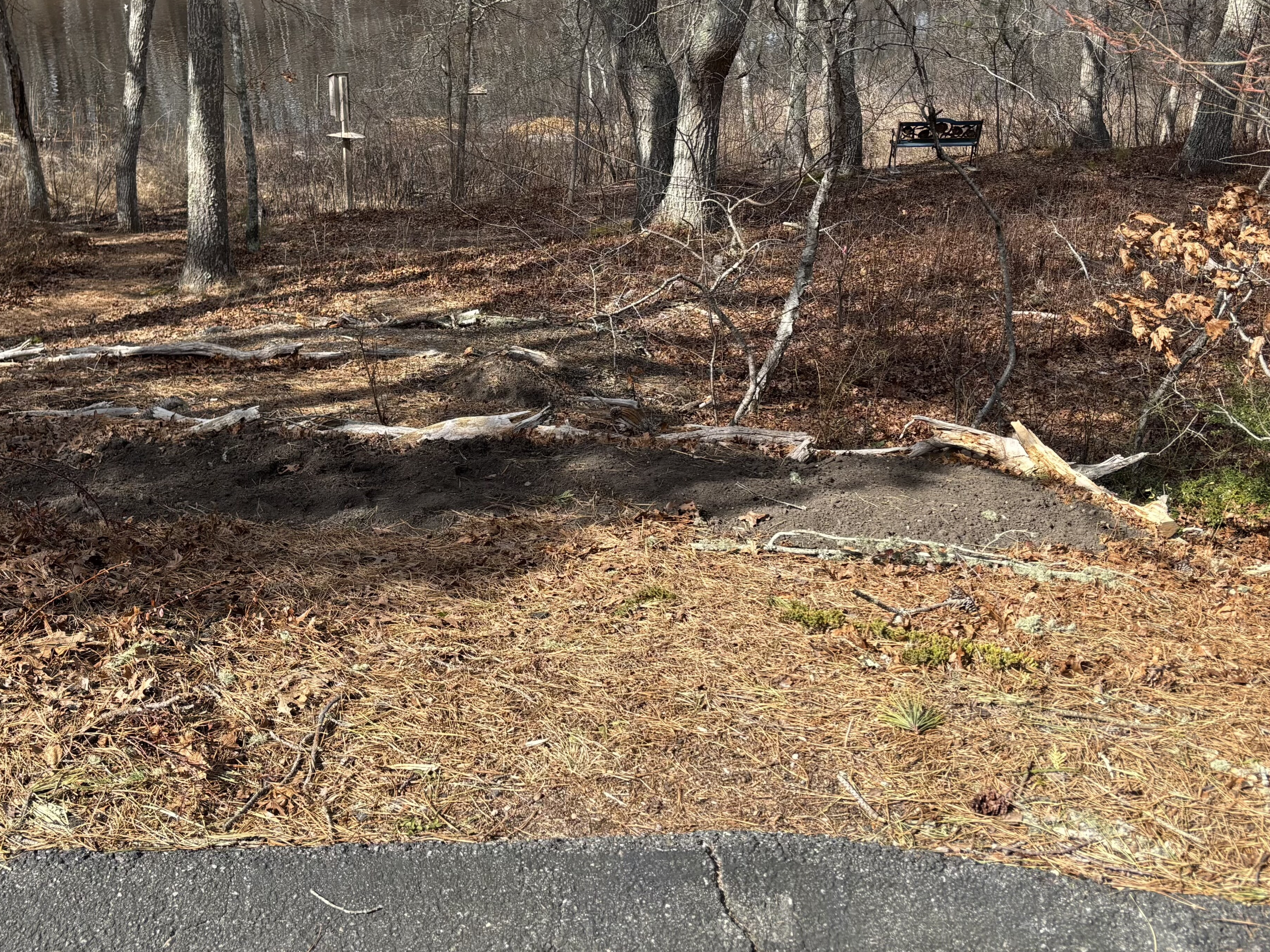
An old shed used to be in this spot. Now, homeowner is adding chokeberry, ninebark, dogwood, summersweet, viburnum, and maybe an oak tree with understory flowering native plants. Soon to be a bird buffet with those species!
This property has been converting sections of the property for several years. The last corner pictured here used to have a shed. This year for the first time they had a Common Yellowthroat Warbler. A family of catbirds and Cedar Waxwings were also seen utilizing the serviceberries, blueberries, and elderberries.
Homeowner is removing burning bush, vinca, and Japanese spirea, and replacing them with swamp milkweed and cardinal flower while encouraging the existing elderberry.
This established garden saw the addition of cardinal flower, swamp milkweed, turtlehead, and cranberries. In addition to fireflies, catbirds and robins were seen foraging in this space.
The goal is to transform this blank slate into an inviting bird and pollinator native plant sanctuary teeming with life.
This garden created delight with visits from dragonflies and bees, and birds eating the echinacea
This beloved-by-birds mulberry will get some native additions to compliment the native rain garden.
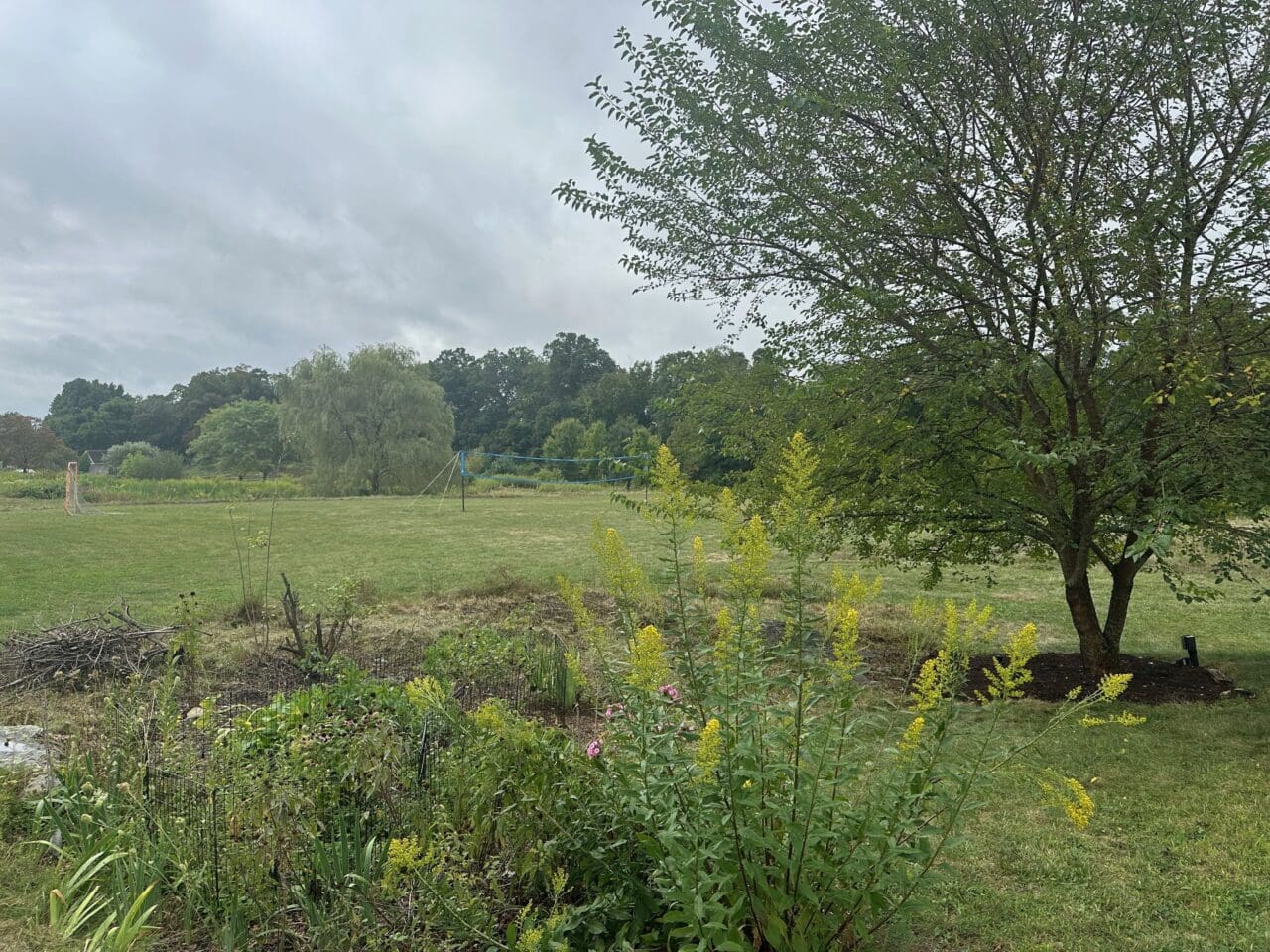
Chokecherry was added to this garden. The birds love the mature goldenrod, especially American Goldfinches.
Native grasses and wildflowers will be planted in this location.
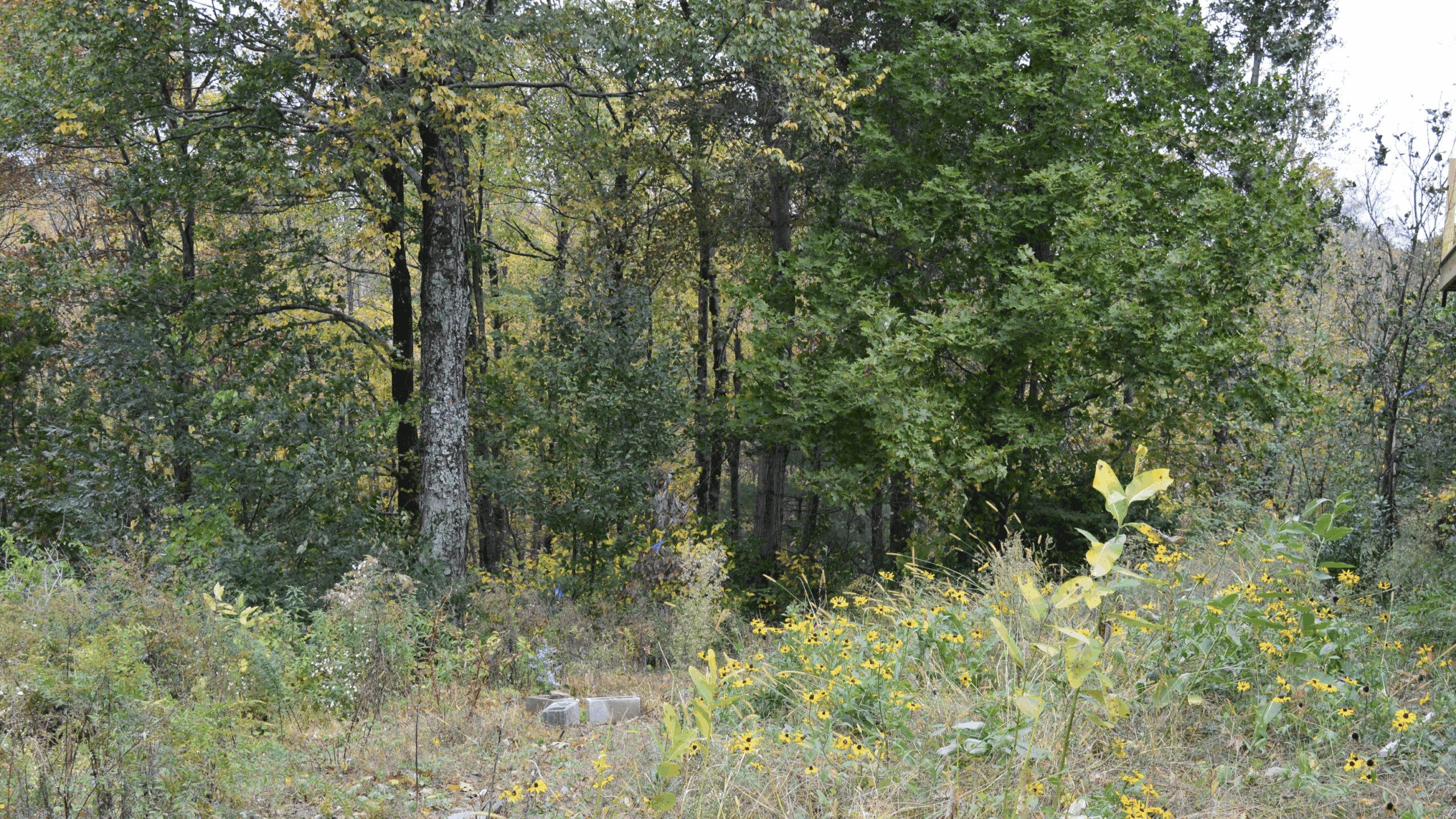
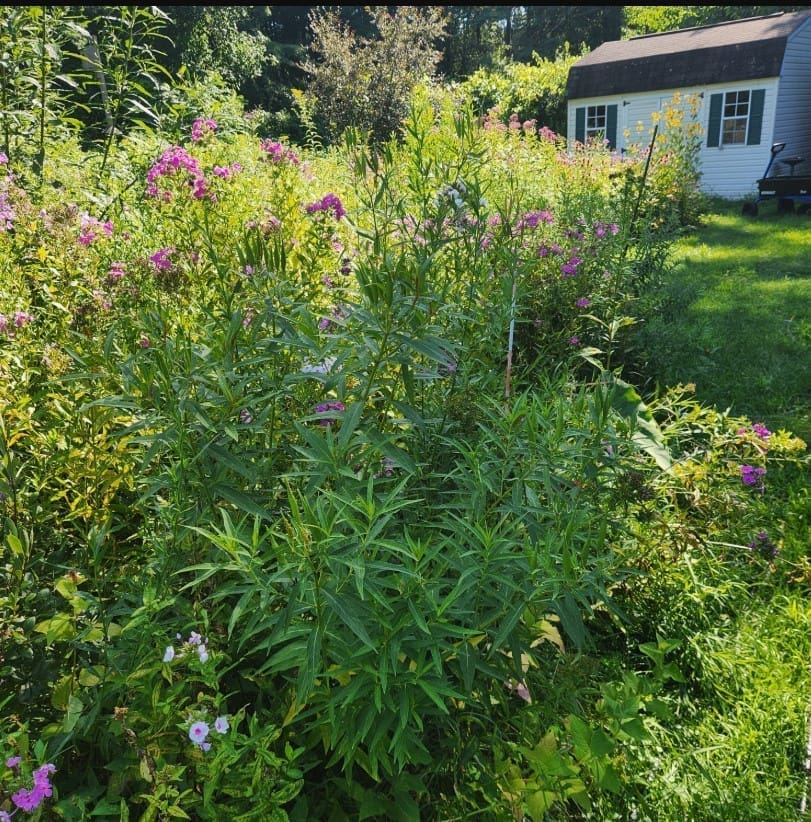
This meadow is being enjoyed by humans and wildlife alike. Black-eyed Susans, asters, goldenrod and milkweed are thriving despite having to ward off the invasive species that try to creep in.
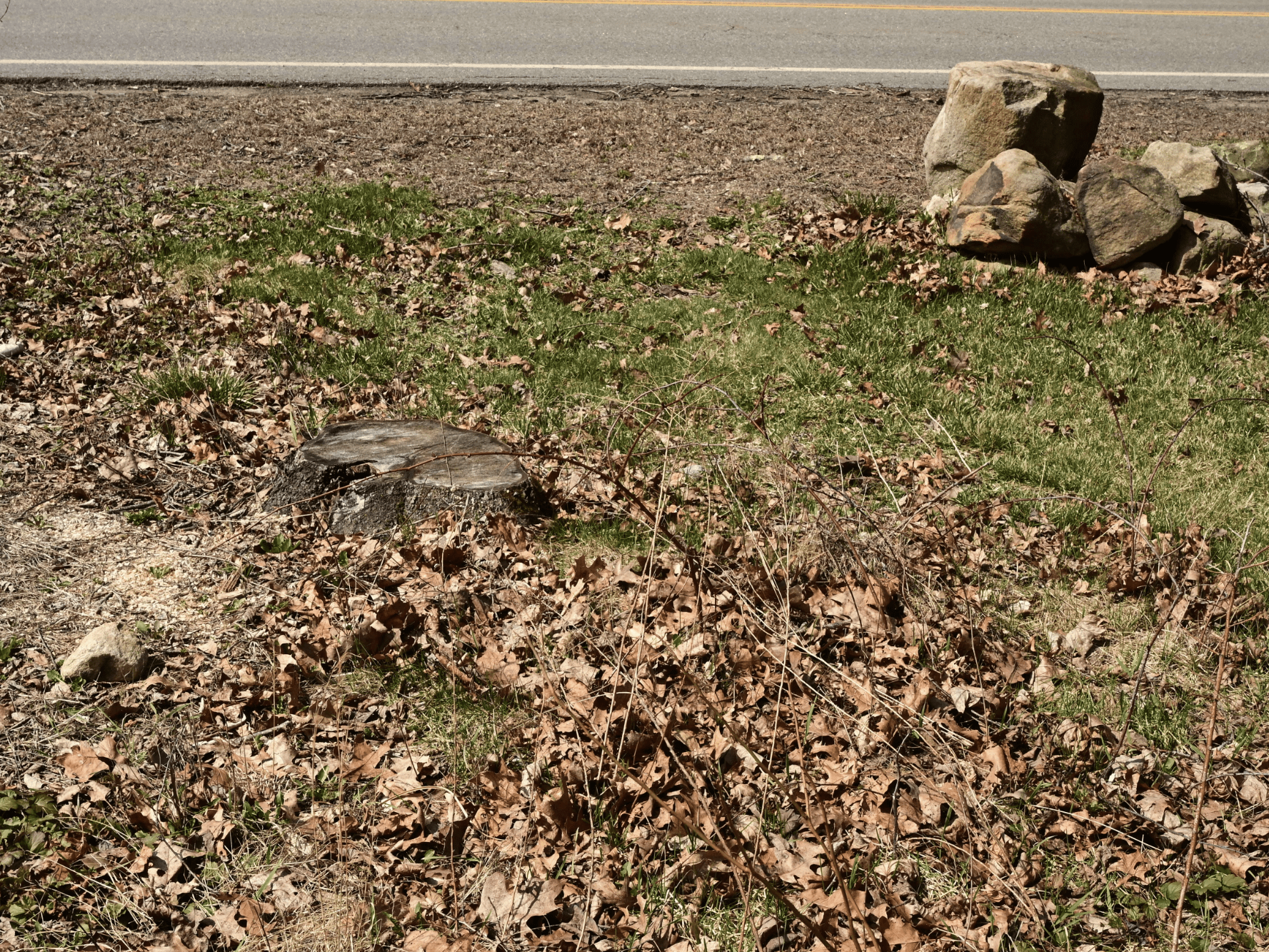
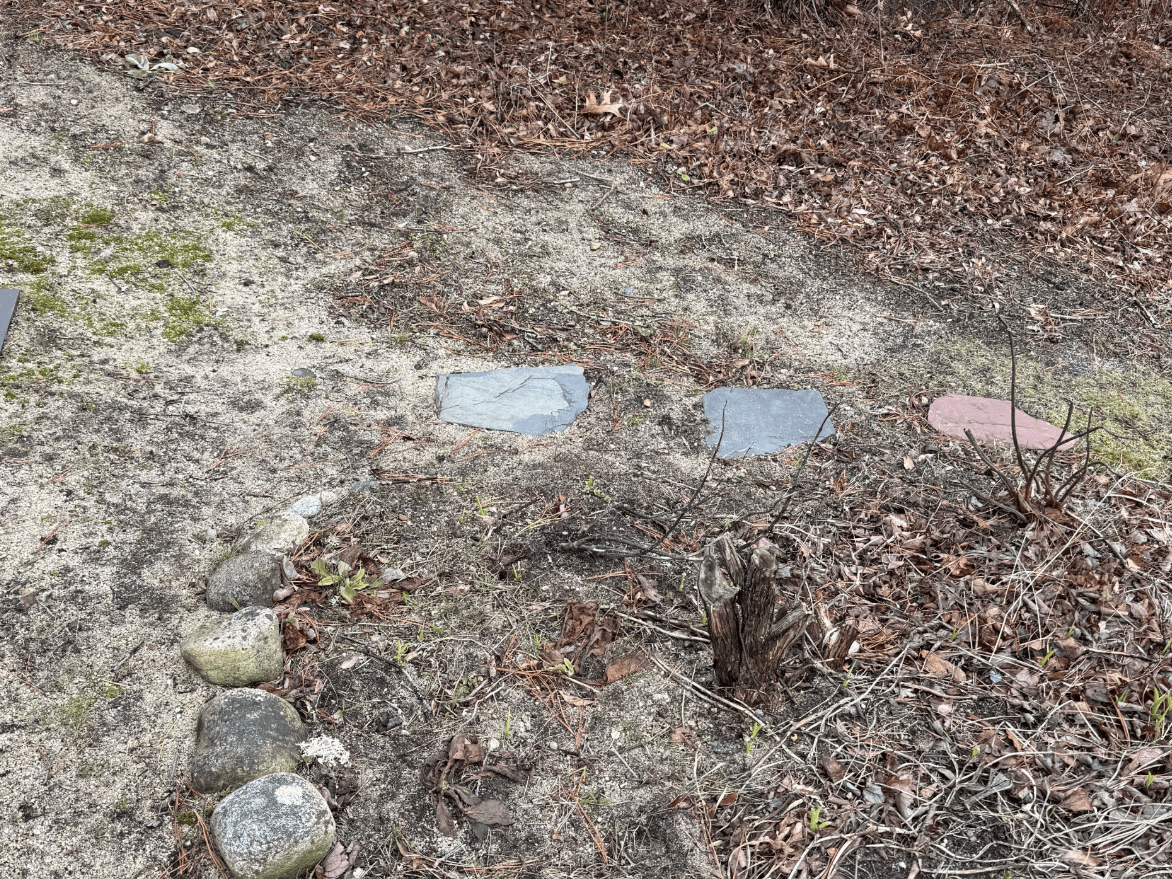
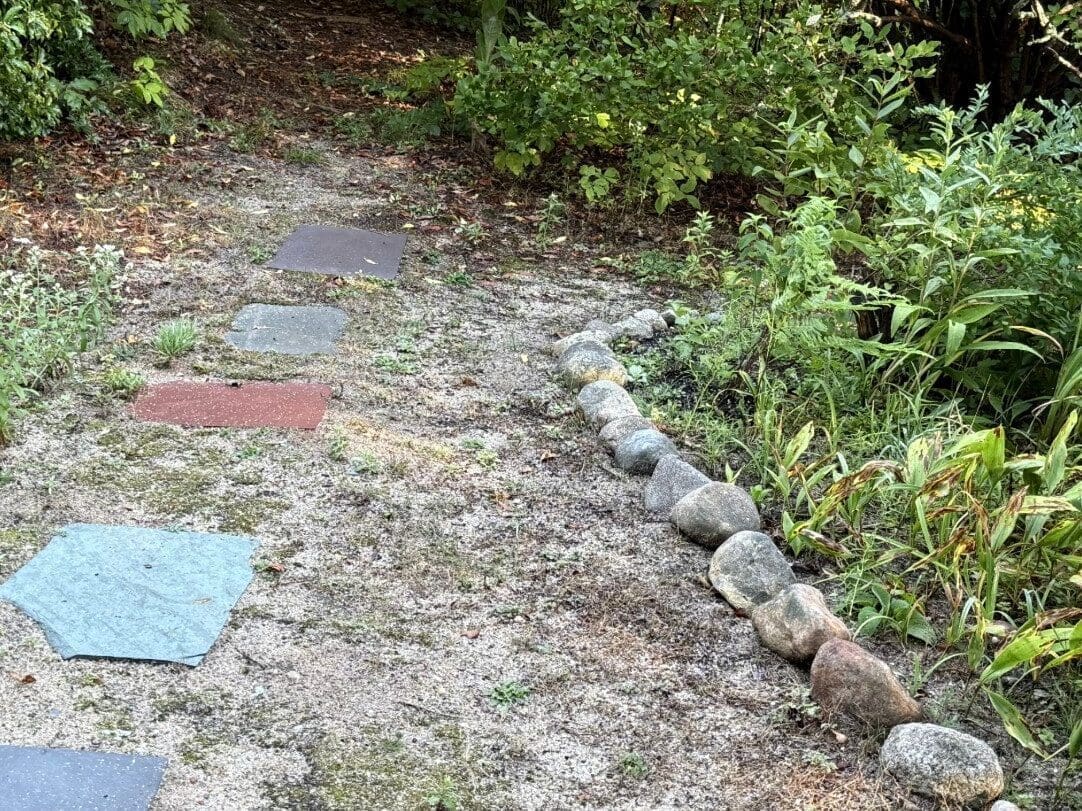
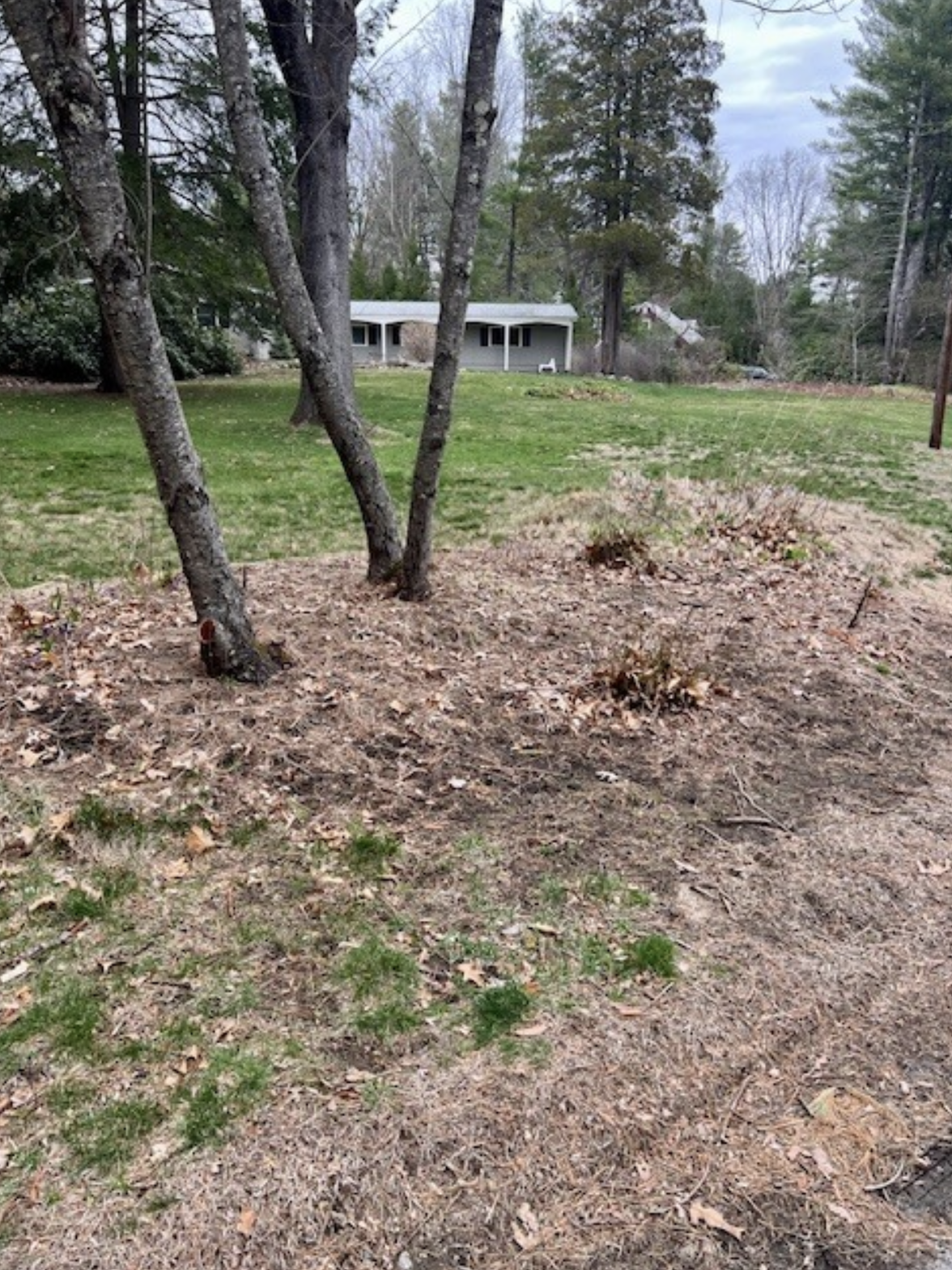
A birch dies in this spot and the homeowner plans to fill in around the stump and create a native hedgerow to replace some of the privacy lost with the tree.
Young new habitat did well in drought conditions. Bees, hummingbirds, and goldfinch were regularly seen. As this patch matures, it will create ideal perching and foraging space for birds.
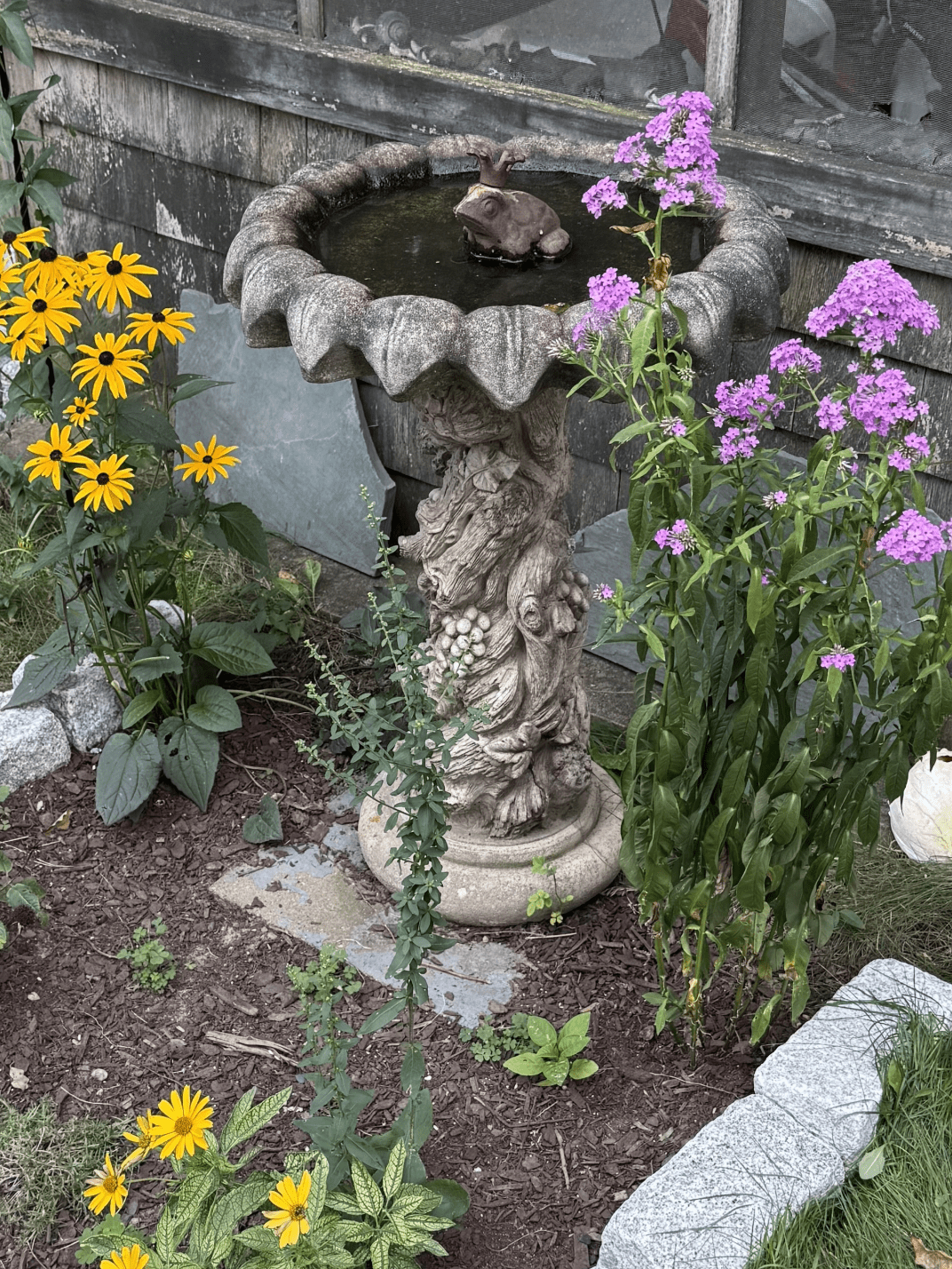
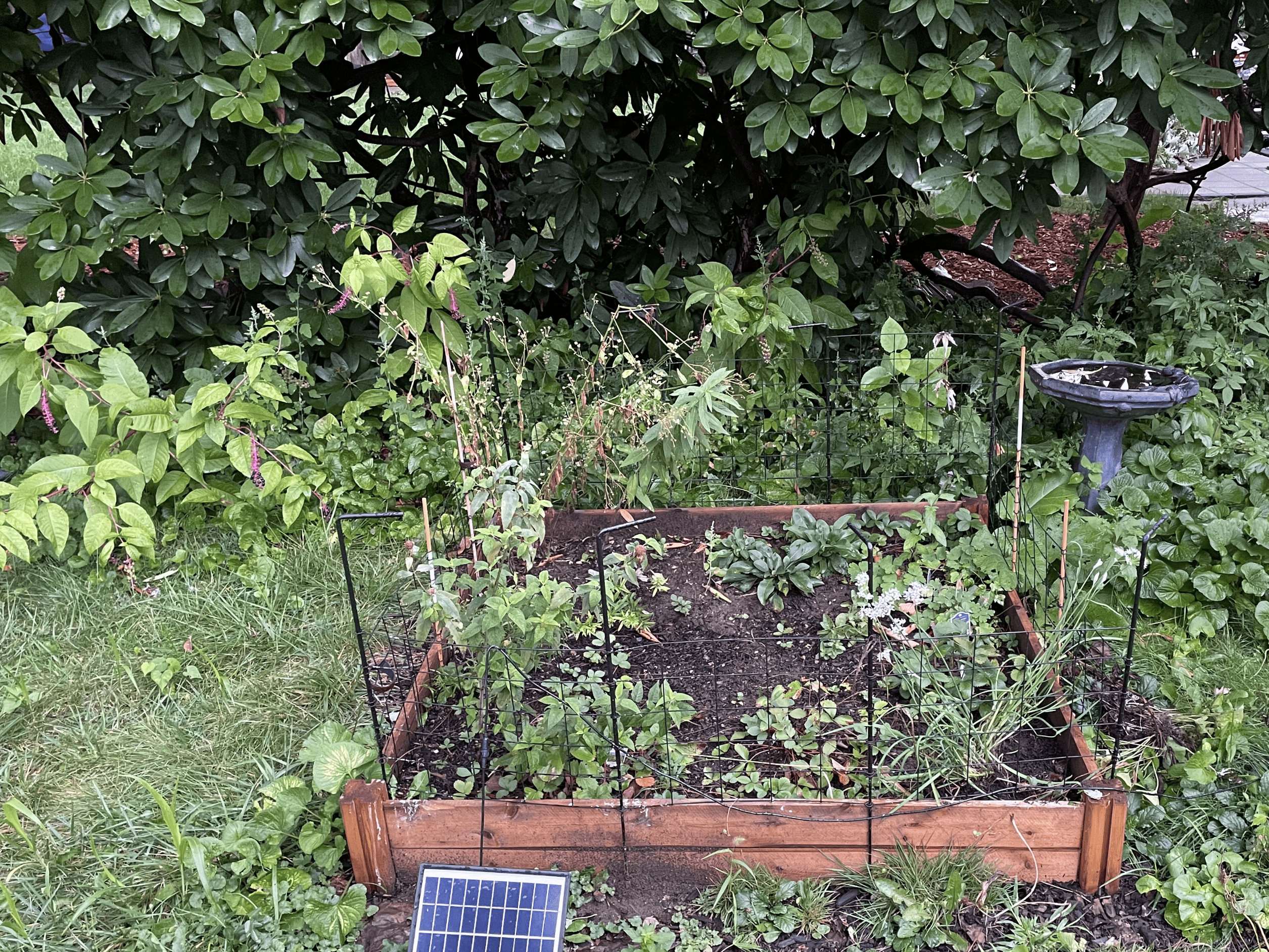
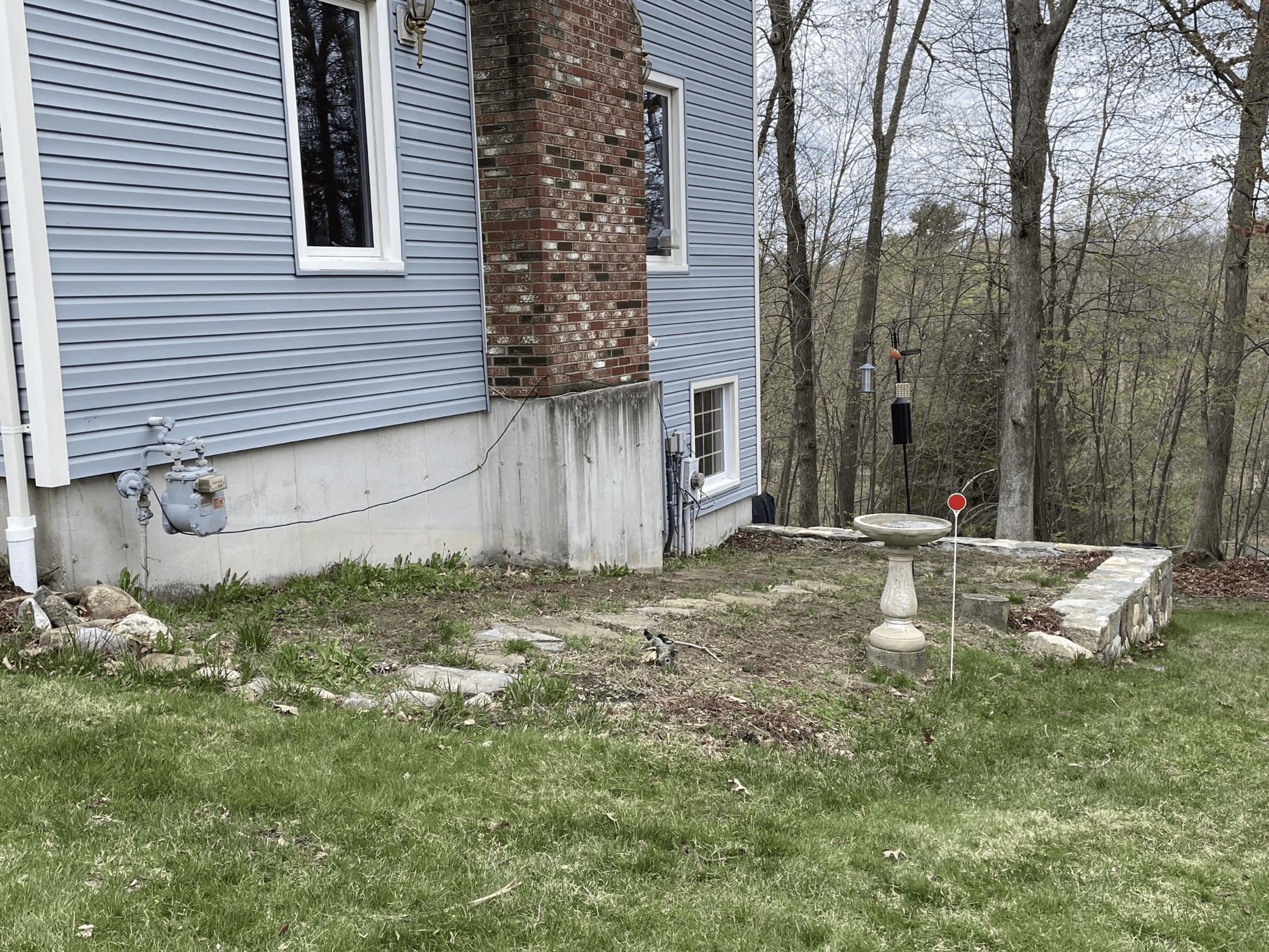
Native plants will be added around this bird bath.
Lovely watering stop for birds and pollinators.
Property is adding natives to make the yard a little better for wildlife, especially birds.
Gardeners are seeing lots of toads and insects as well as American Goldfinch chasing insects in these new blooming beds.
The yews and pachysandra will be replaced with creeping juniper and sweet fern–both excellent native choices.
This gardener added Sweet Fern, Red Bearberry, Field Pussytoes, and Pennsylvania Sedge. There was a struggle with weeds until the native plants filled in
Homeowner is creating a native garden for mitigating storm water run-off along with creating visual beauty and feed the birds. A win-win-win!
Native grass, Chasmanthium latifolium and Panicum virgatum have settled in. No new bird sights, yet, but those seed heads will be sure to eventually attract birds.
Homeowners love wildlife and are working to expand their gardens, remove lawn, and add new species for all animals to enjoy (though less for the bunnies). Bee balm will likely be added here.
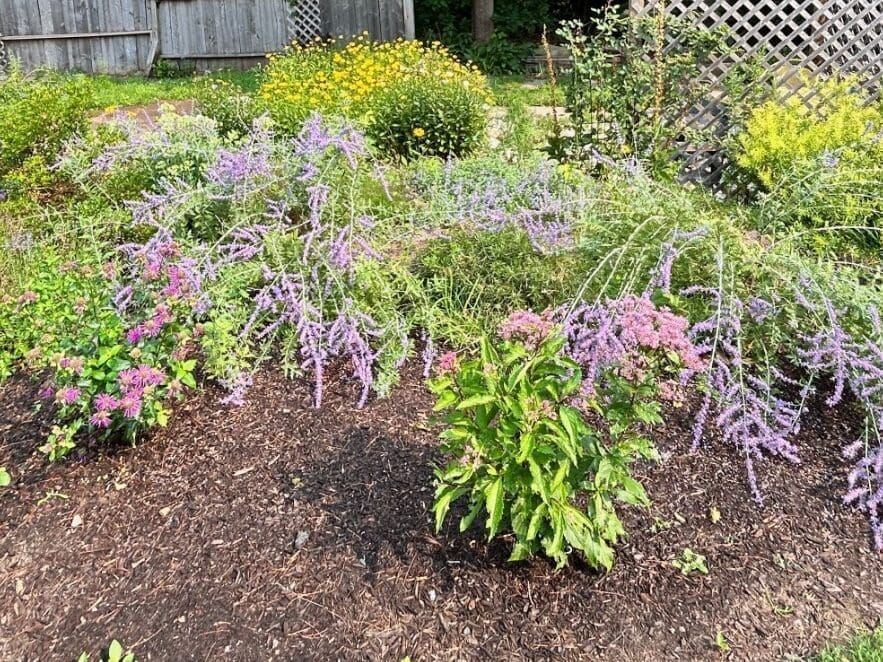
Bee Balm and Milkweed attracted wildlife, but the Bee Balm did not thrive this year – maybe next year!
This site is near a water and feeding station for birds. New natives such as eastern columbine, cardinal flower, and foxglove beardtongue, and common milkweed will be added.
Most new natives flourished and a variety of sparrows were seen foraging amongst the plants
Milkweed is coming to this spot soon!
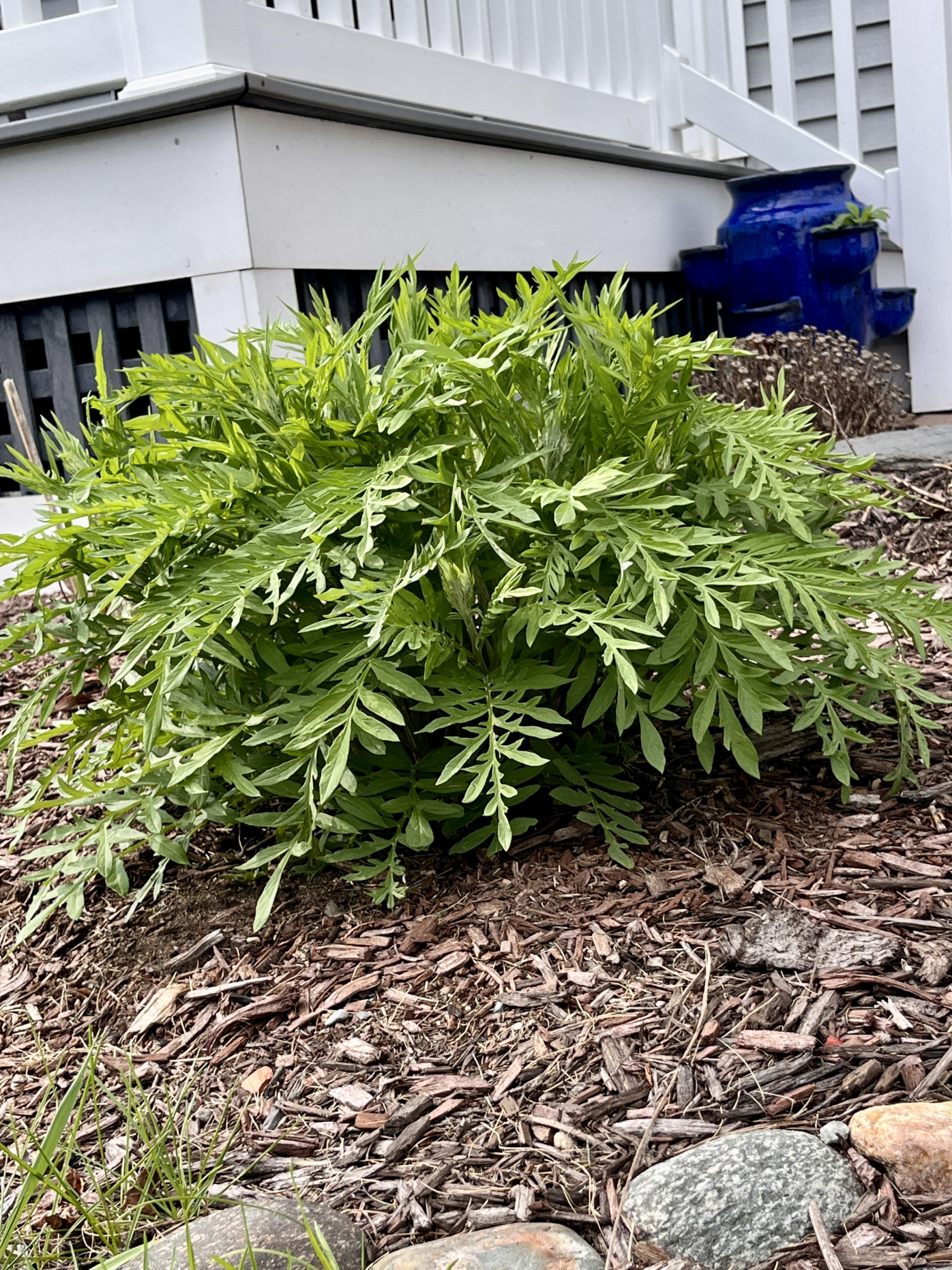
This milkweed started out well but then slowed
A preschool playground will get a native plant addition near the bird feeder to provide cover and educate the children.
The plants were established late, but the birds and pollinators have been enjoying them–I bet the kids and teachers are enjoying seeing wildlife so close, too.
New plants to help birds and biodiversity for this spot include milkweed, ironweed, and bee balm.
10 new Milkweed plants of 3 species, beebalm, asters, and ironweed were added, supporting Monarch caterpillars.
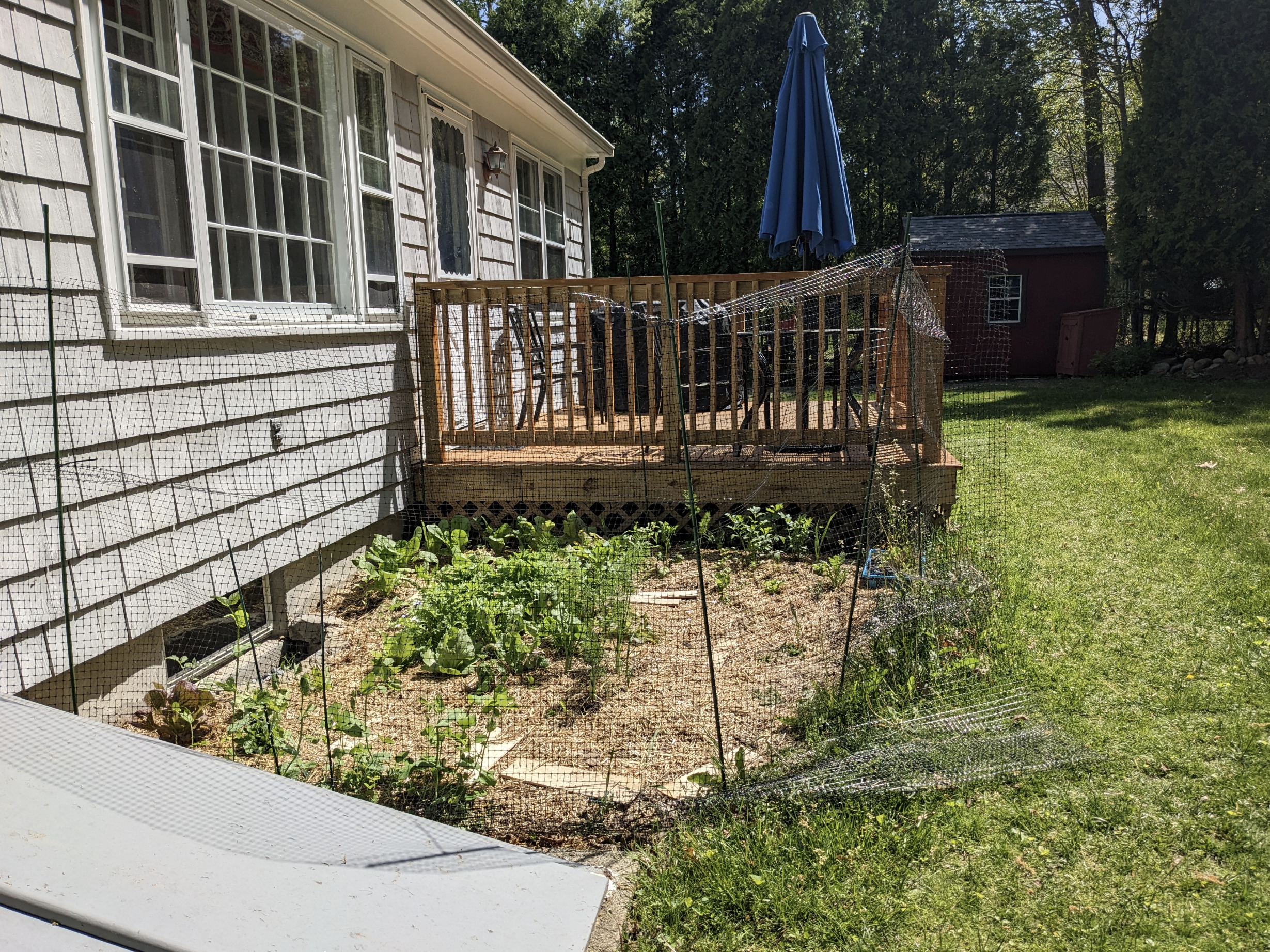
New native shrubs by the side deck will provide critical resources for birds.
Loves wildlife and making land around the house more inviting to wildlife
Invasive honeysuckle out and native plants in!
Drought and rabbits limited the plants a bit this year, but there were lots of insects and this gardener hopes this helped the birds too.
New garden site, oh the potential!
New plant additions are adding habitat and making this yard more bird-friendly.

Remaining Before Photos

Spot with a lot of habitat-potential.
This pollinator patch has lots of native plants. New species will be added this year to provide additional options for supporting biodiversity.
New natives are going in this garden. A pot was used to grow plants the bunnies love as they cannot climb up this big planter.
Swamp verbena and echinacea are going in here.
In this spot, shade-tolerant and deer resistant plants such as columbine, cardinal flower, and coral bells will be added to help hummingbirds.
This site plans to add native plants for the birds.
Joe Pye weed is taking off in this garden, which is nicely protected from small mammal nibblers such as chipmunks and rabbits.
Homeowner wants to make their space more welcoming to birds.
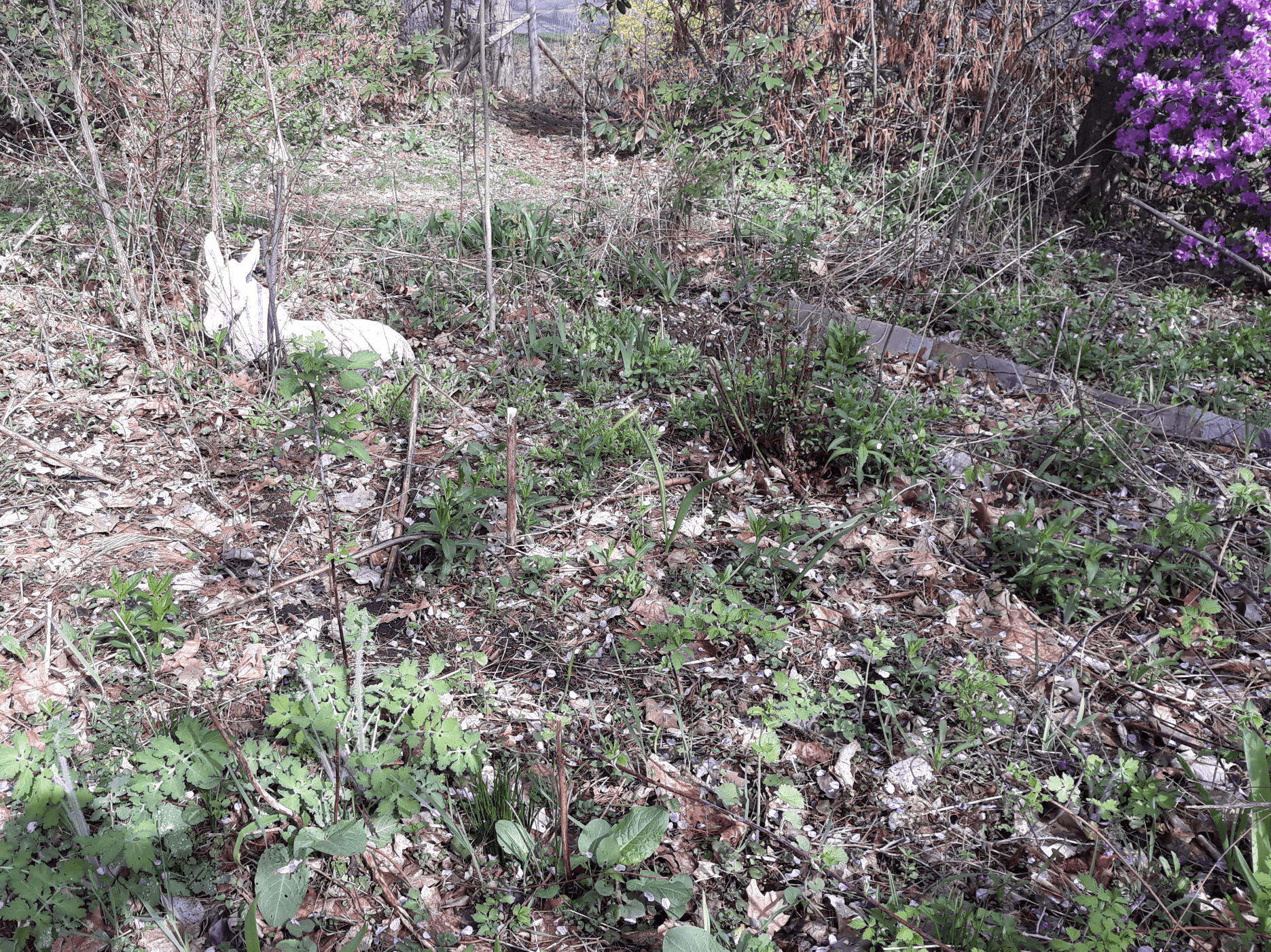
This is a shady wood border with spring ephemerals. Native plants will be added.
This backyard wants to be a bird sanctuary with food for hummingbirds such as bee balm, which flowers abundantly!
This property planted five staghorn sumac and five smooth sumac to help birds.
Property owner removed bushes and now wants to add deer resistant native plants.
Native plants will be added to this area to enhance the backyard and provide a habitat for birds.
Homeowner is adding natives for insects and other wildlife to promote biodiverse ecosystems. They hope others will follow suit and replace their lawns with native plants.
Plants that thrive in rocky, clay soils were added her to help pollinators, insects and birds.
Swamp verbena and echinacea are going in on this strip.
Look how happy adding new native plants makes us :).
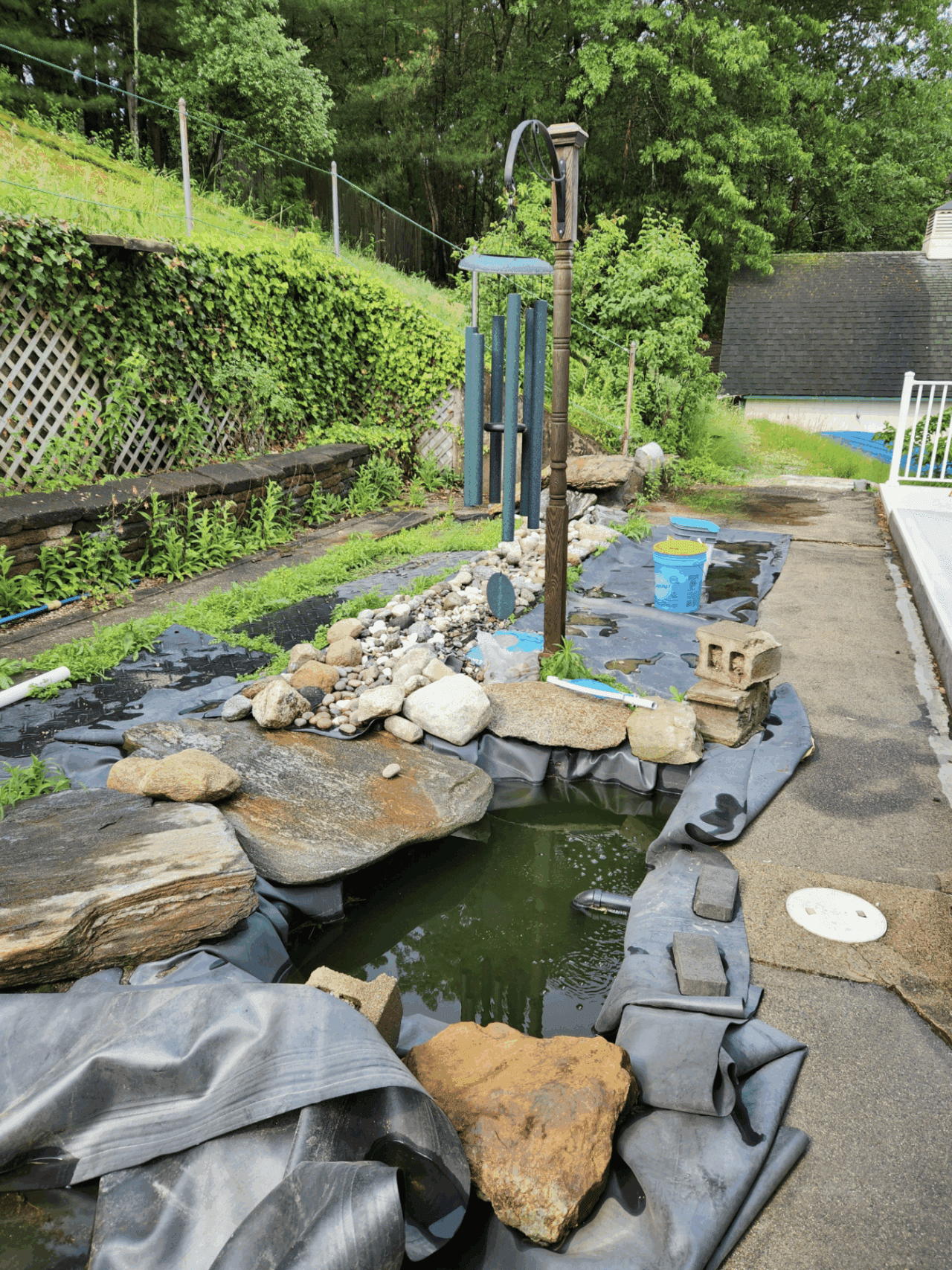
Homeowners are changing over their yard to native plants to support biodiversity. They are adding a water feature along with plants in this spot.
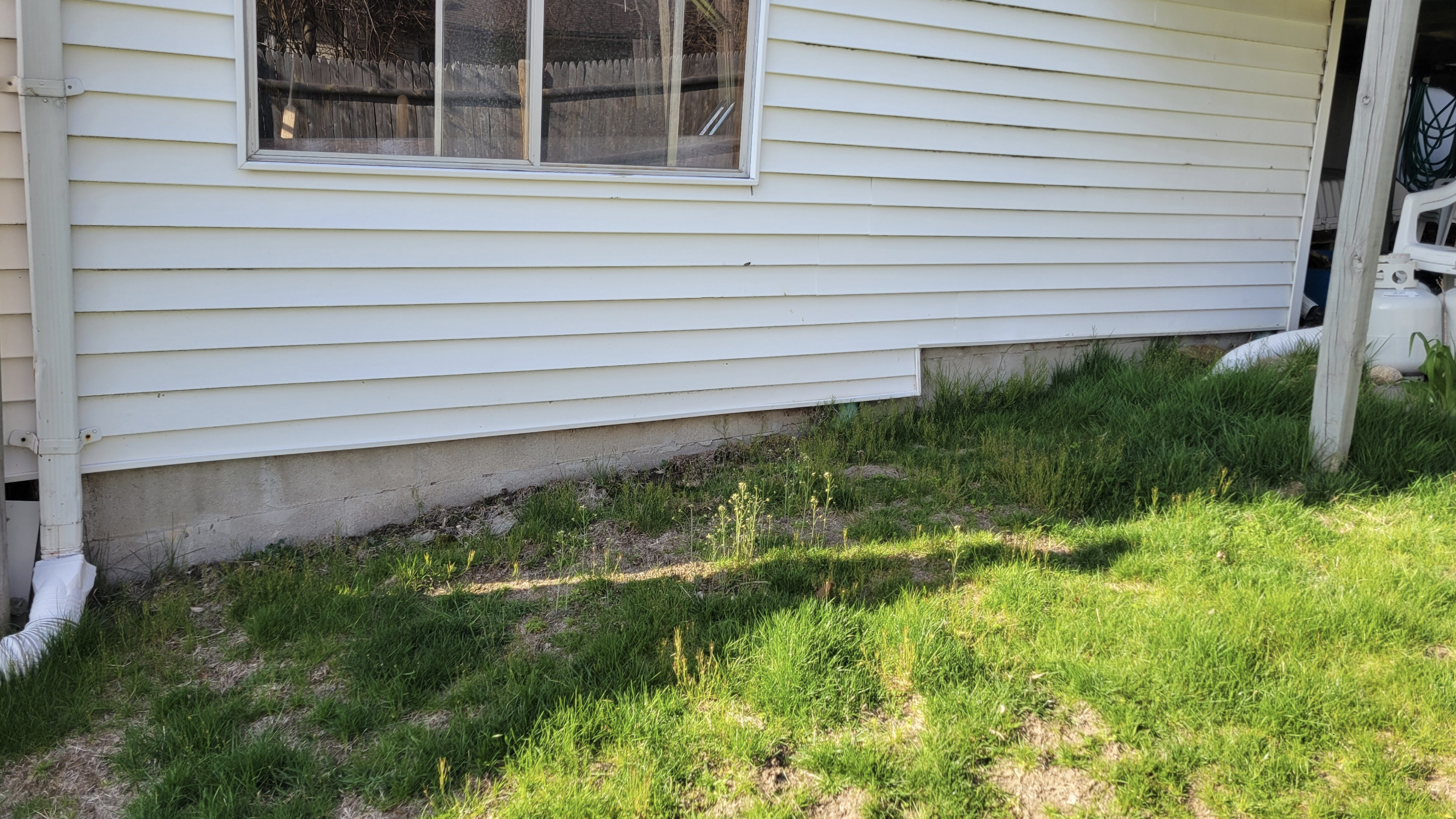
This is one area of the property that does not have native plants. That is soon to change.
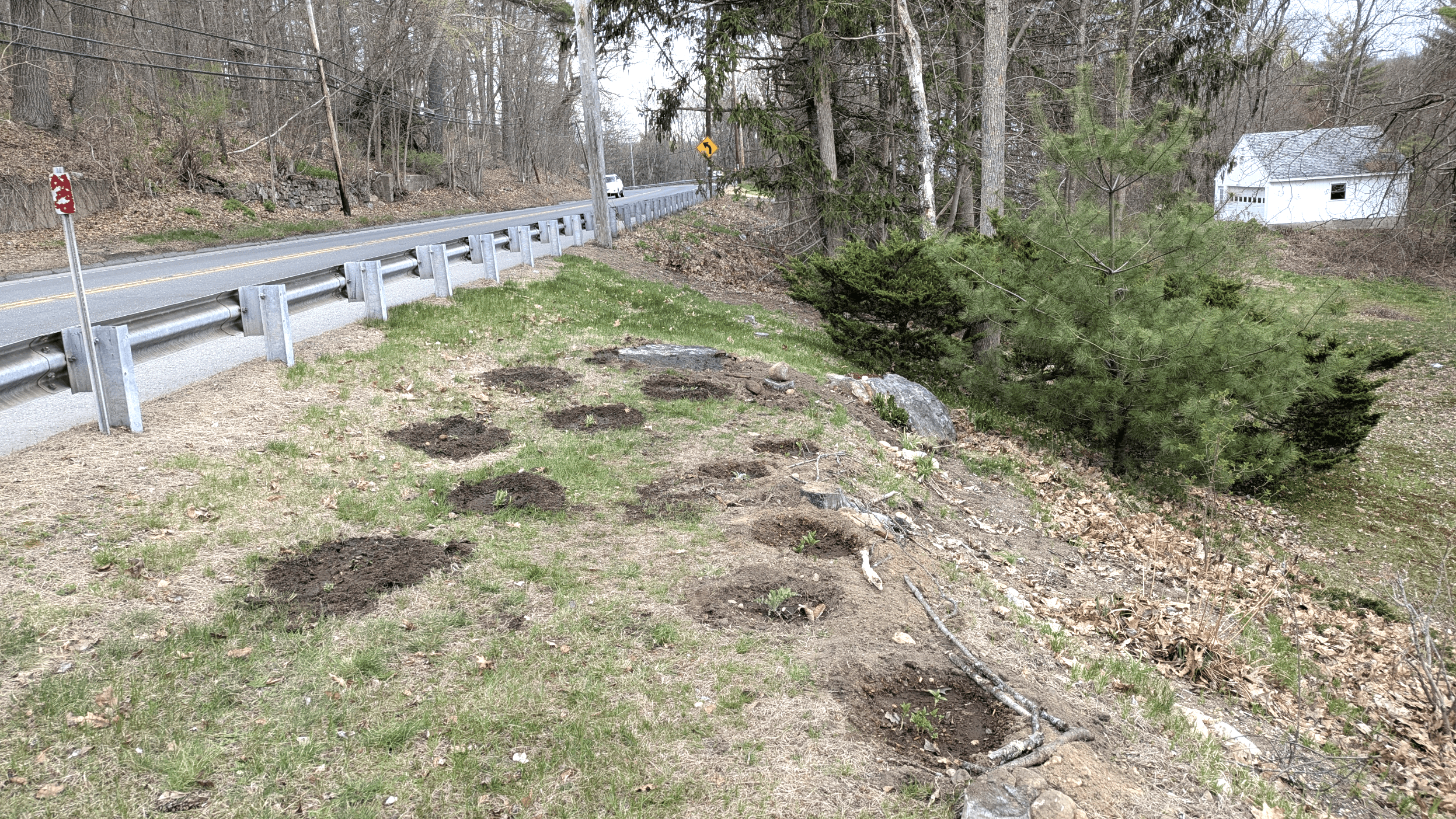
This grassy area along the guardrail was planted with natives to help educate people on native plant gardening.

Stay connected to the Great Backyard Bird Count.

By subscribing to stay connected to the Great Backyard Bird Count, you agree to receive communications from The Cornell Lab, Audubon, and Birds Canada. You may unsubscribe from any of the organizations' communications at any time.