

Missouri 2025

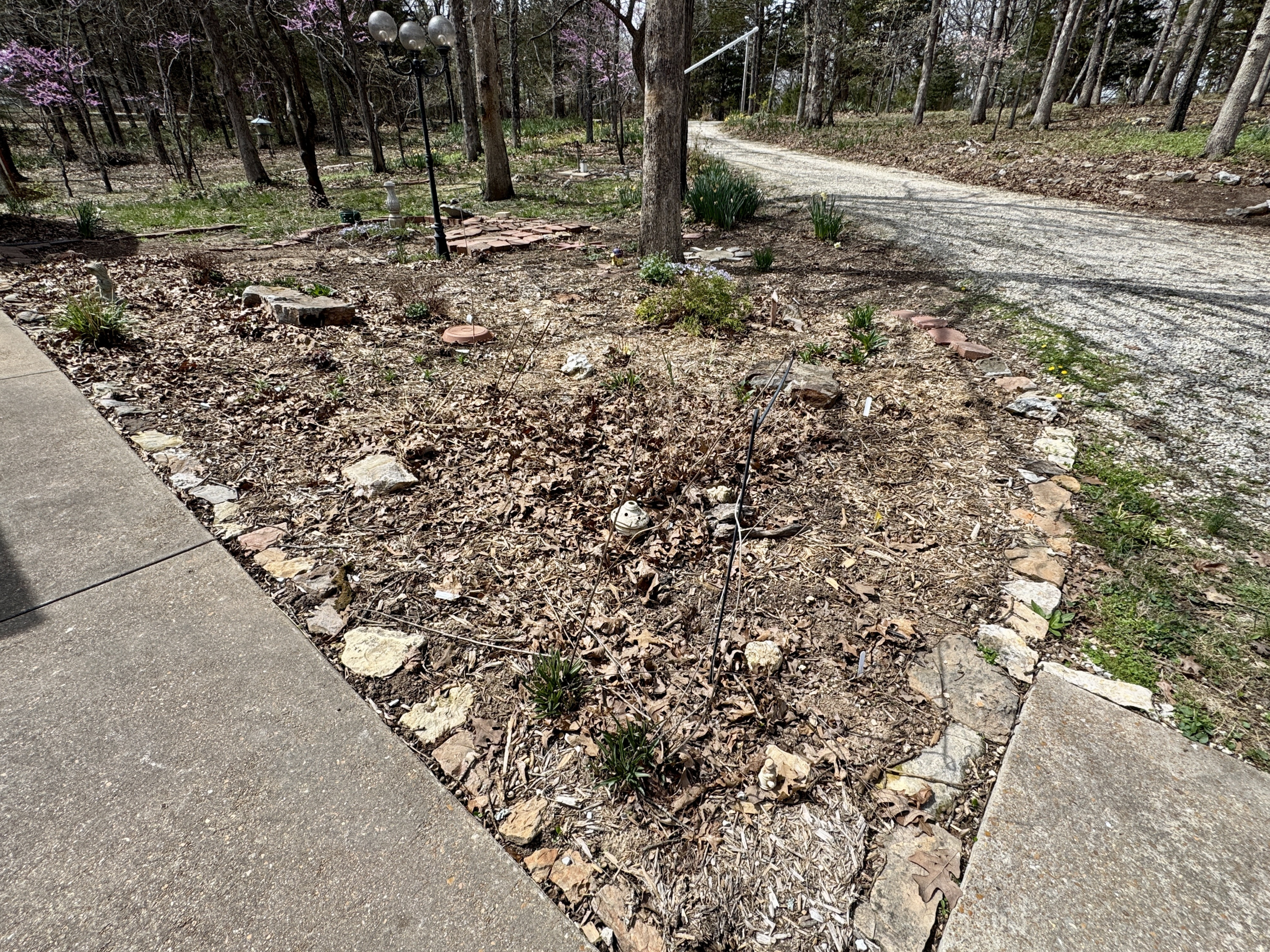
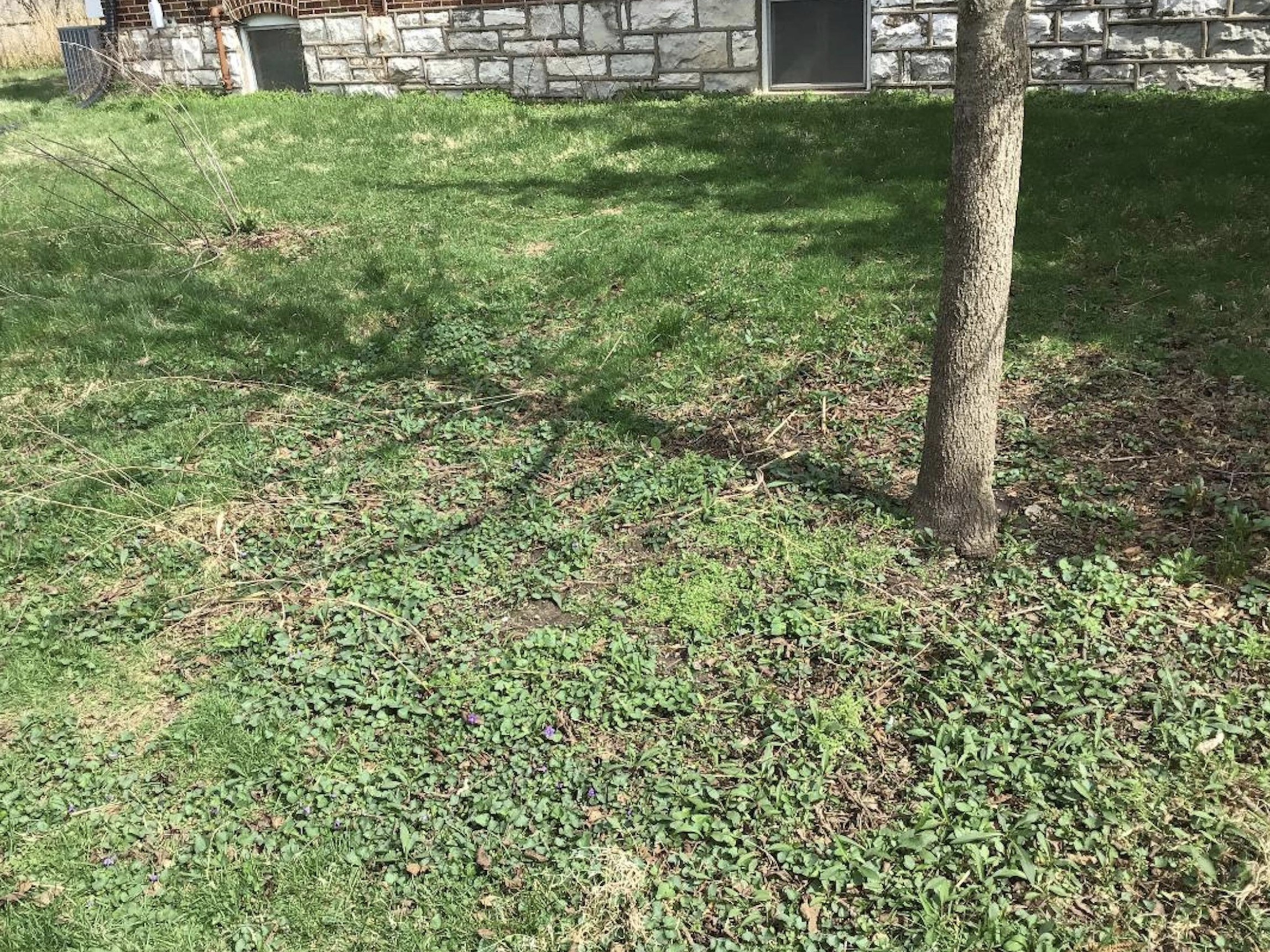
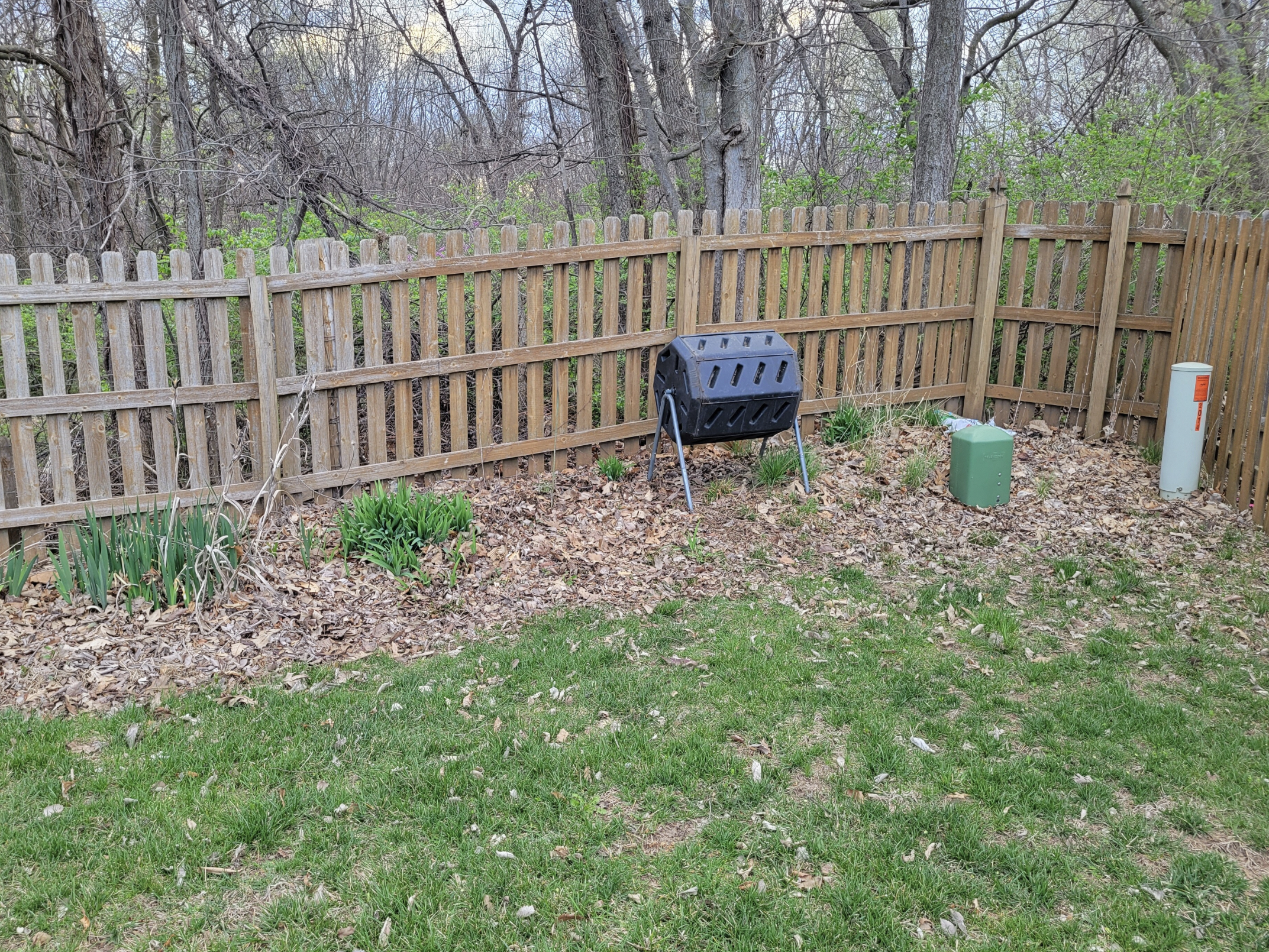
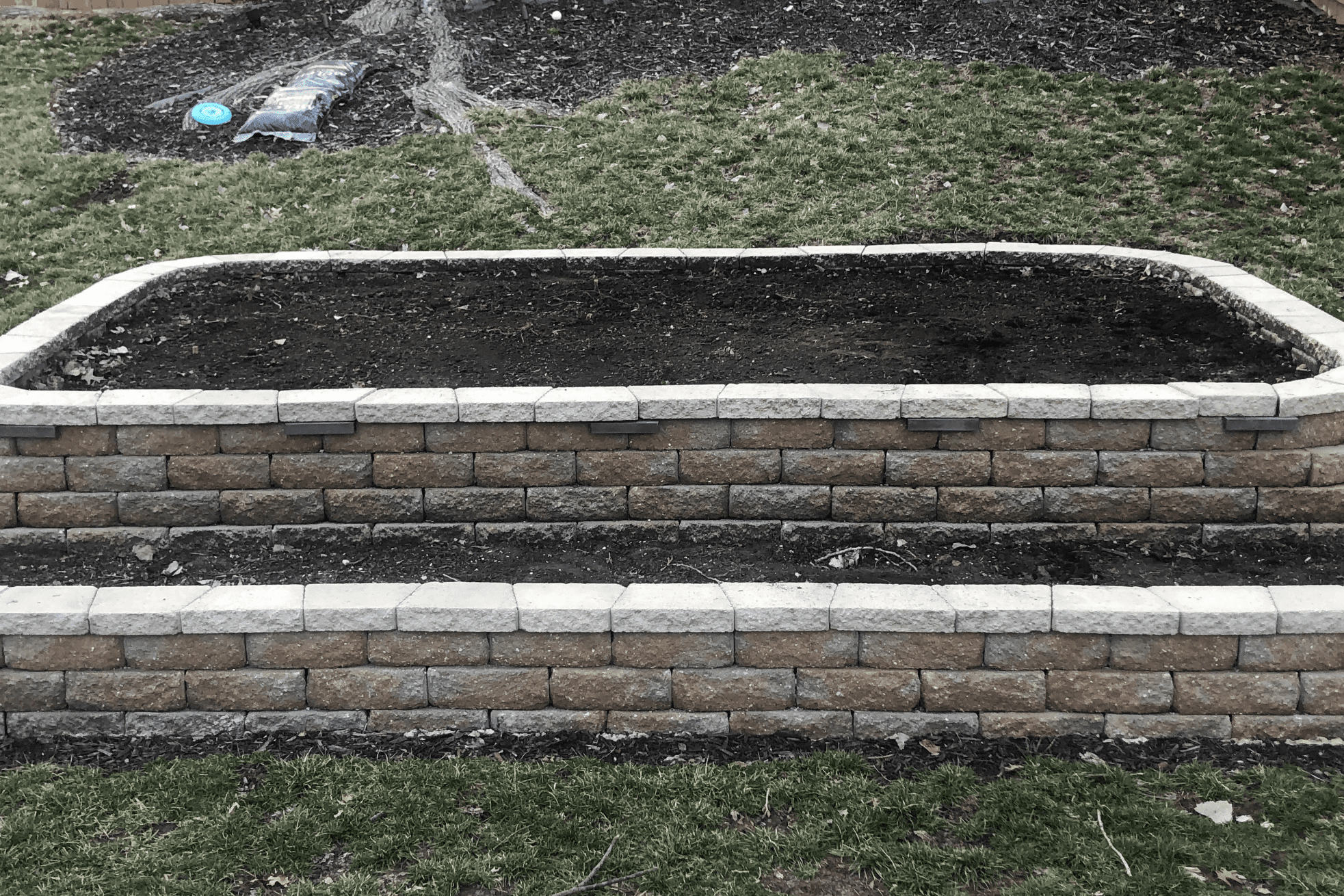
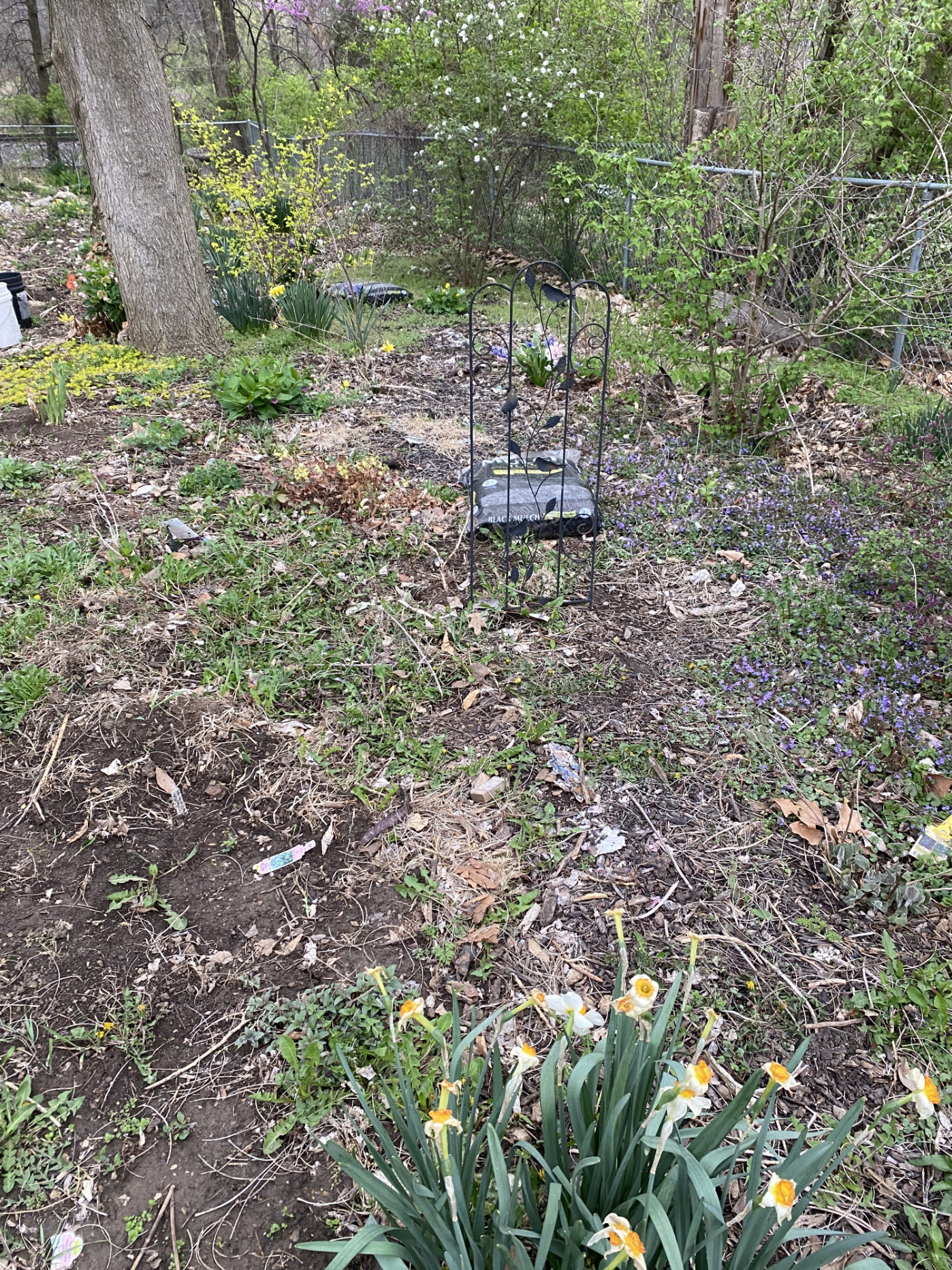
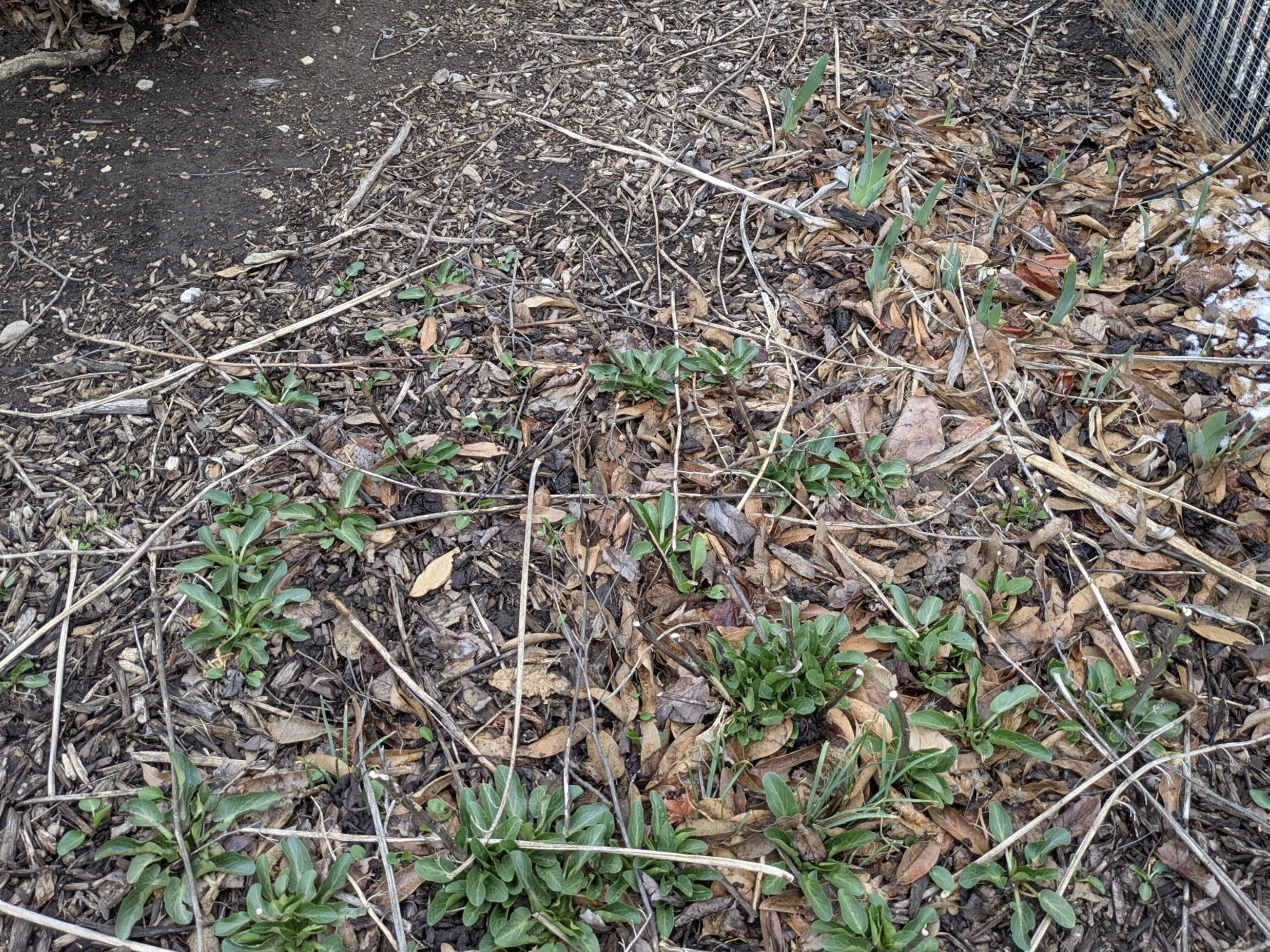
Before

After

Property will continue to replace lawn patches with native plants.
This garden was expanded and more goldfinch and chickadees were seen foraging. They added nest boxes and 11 Eastern Bluebirds fledged!
Home is in an area that is experiencing rapid development and the shrinking of habitat. This property owner is doing their part to counteract that loss.
New gardens saw their first monarchs on the milkweed.
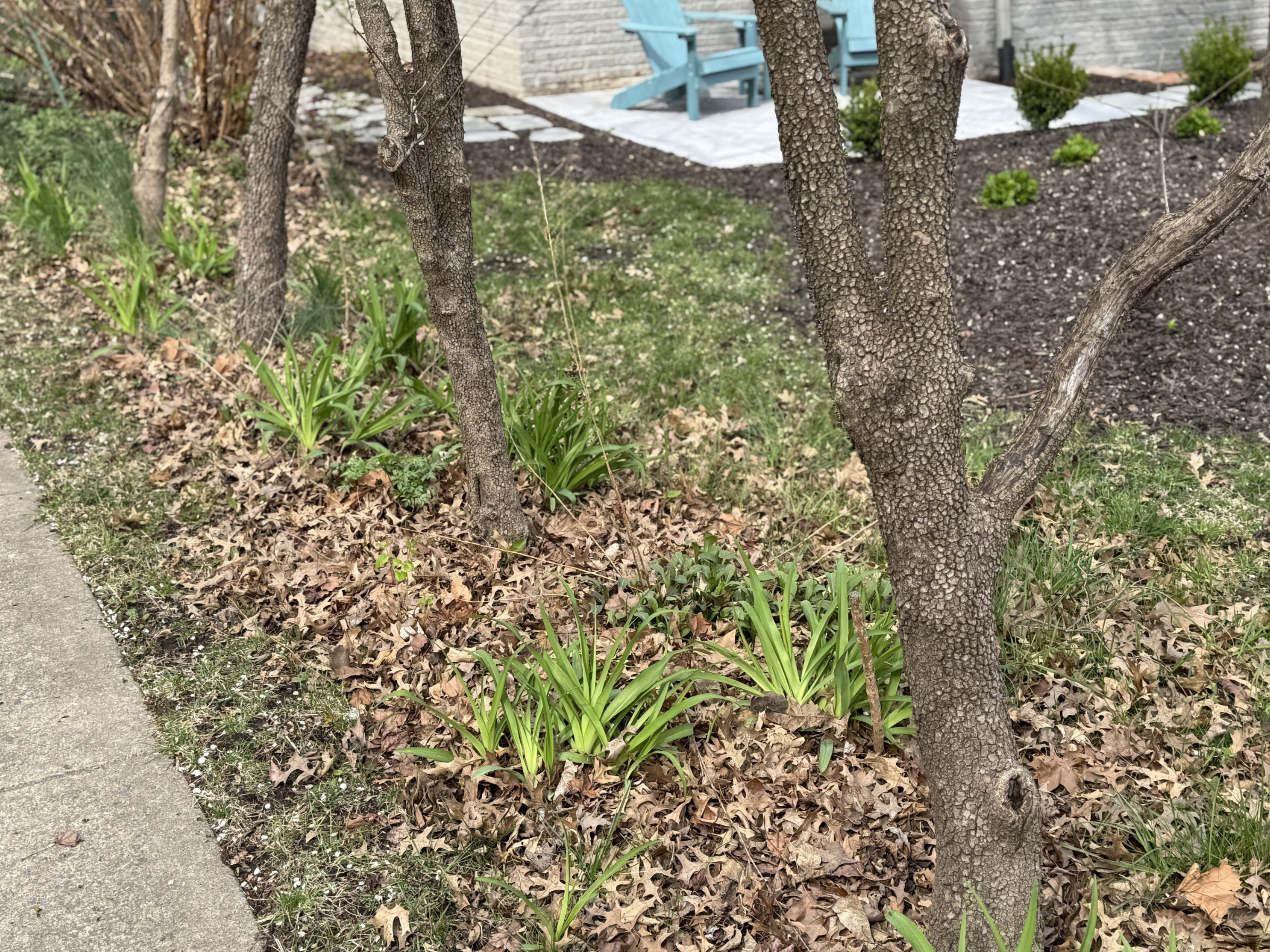
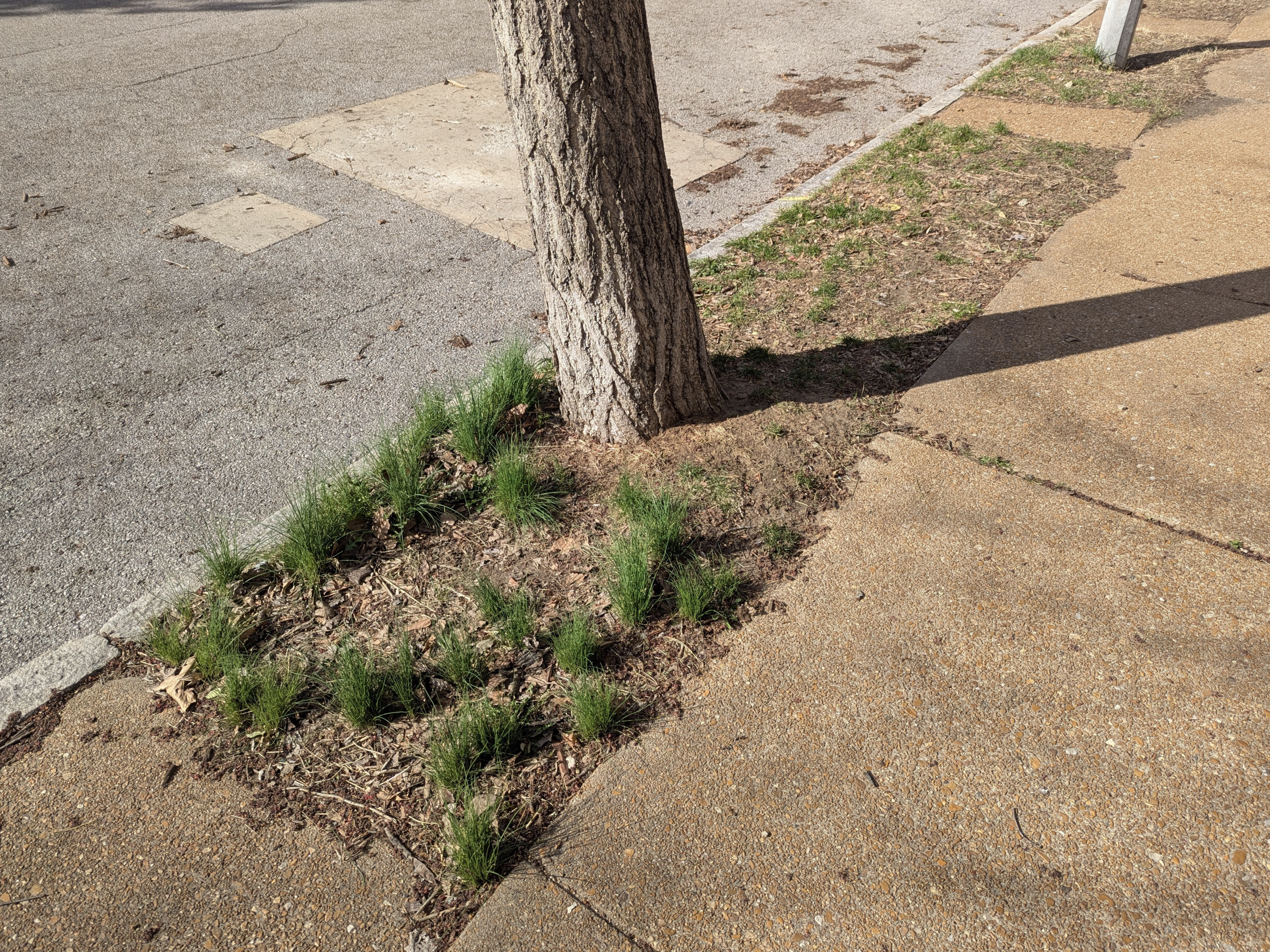
This 11 year old black gum tree will get a “soft landing” (term for native habitat around or between trees that helps insects) for all the biodiversity that is in the region.
Carex, penstemon, and monarda were planted while the violet and boltonia volunteered. This garden is a nice “soft landing” in progress.
Lots of options of native perennials that could boost this sites resources for birds.
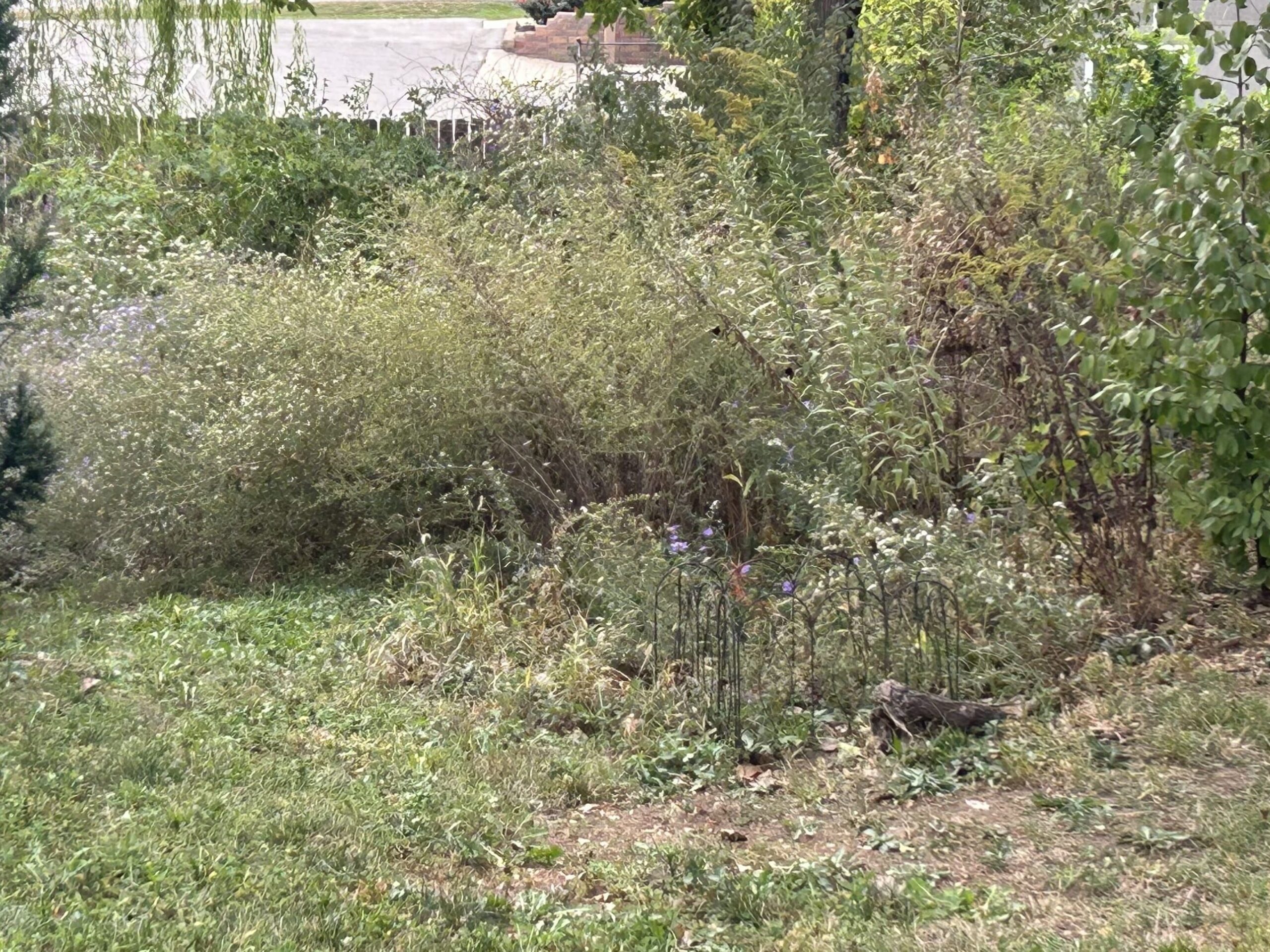
Lots of wildlife were seen in this yard, such as goldfinches, hummingbirds, vireos, tanagers, as well as honeybees, bumblebees, moths, and butterflies. This lovely mix of native and nonnative plants can feed a variety of pollinators.
This rocky woodland property had trees removed for a septic system. The property owner is now adding native wildflowers to the disturbed area.
A variety of native wildflowers were distributed in this cleared area, including these sunflowers that are thriving! Great foraging habitat for birds and pollinators.
This neglected area of the yard experiences rain run-off and erosion. Moisture loving shrubs such as buttonbush and elderberry will help to absorb the water and support wildlife.
The elder berry (Sambucus candedensis) is tiny, but grew well.
An invasive tree was removed this year and a new native will take its place.
A native Pawpaw was added along with some native wildflowers. The plants did well despite pressure from chipmunks, squirrels and rabbits.
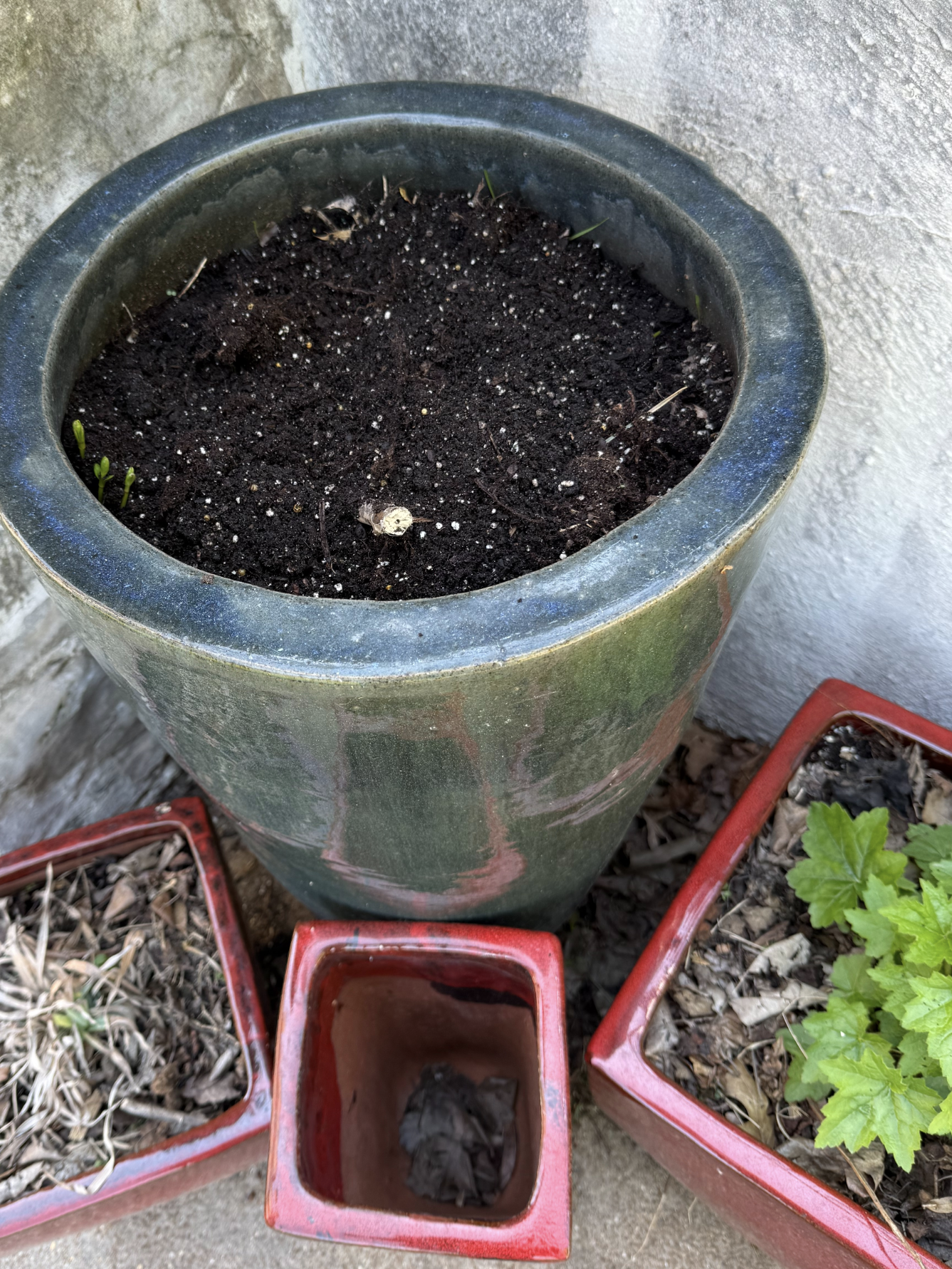
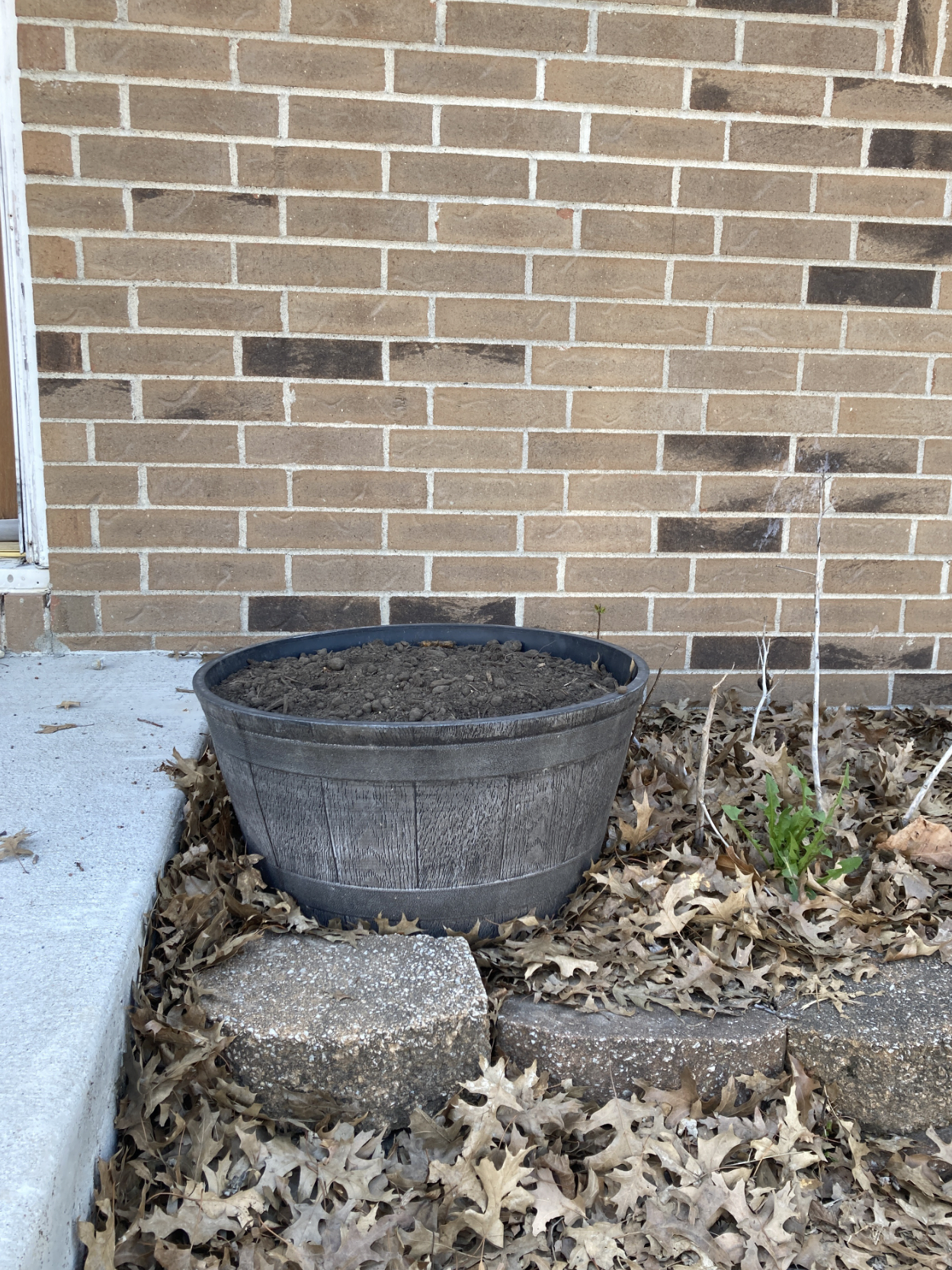
What will go in these planters has yet to be decided, but a local native nursery has options that support birds, bees, and butterflies.
A variety of birds were seen on this property and many of them will benefit from the seeds on these sunflowers in the fall. Pollinators were regularly seen nectaring on all flowers.
New native for pots as last year they outgrew them! They are going to try something different this year.
Native plants thrived and soon outgrew their pots.
Site holds a lot of water after the rain, so new plants will be added to absorb some of this abundance while also helping birds.
Many pollinators and hummingbirds visited the Blue Lobelia.
Property owner removed barberry and nandina bamboo, both nonnative plants. They will be replaced with native flowers.
Plants are still establishing, so not many new visitors, but that is likely to change as the new natives grow.
Goal: to attract more birds and butterflies to enjoy.
Pollinator and bird-friendly plants were added and establishing well.
After a recent move where native gardens were left behind, this container garden will replace some of the beloved natives.
Property continues to work on creating a native plant container garden.

Remaining Before Photos
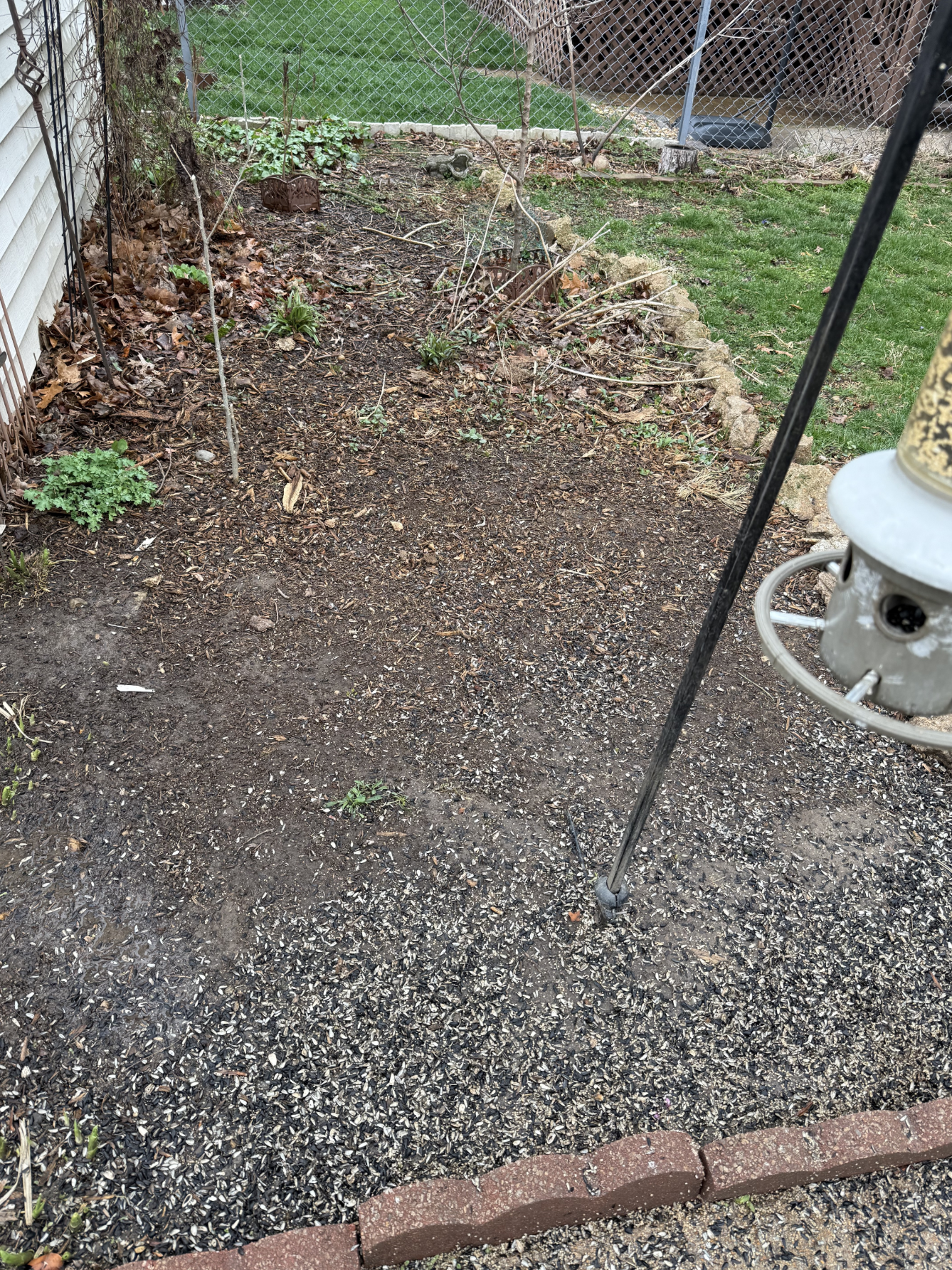
Lots of space for native plants under the feeders.
Homeowner is expanding native plant garden to feed arthropods and birds, plus reduce the mowing.
Native plants help native birds!
More plants to continue to add color and interest.
Homeowner is adding native plants adapted to the area while also providing beauty and visual interest to the neighbors.
Gardens will continue to be expanded to feed more wildlife and reduce the need to mow.
More natives will be added for butterflies and hummingbirds.
Property owner is adding native plants adapted to the area to add beauty and interest to the landscape.
Property is working on enlarge and enhance their bird habitat while reducing turf grass.
This homeowner is trying to attract more birds while removing invasive or potentially harmful plants.
This vibrant native garden got a new buttonbush.
Lovely existing garden will add a new native this year.
Trees on the property already support birds, but more native plants will be added to increase food resource and improve the soil.
Other people in this community have transformed medians into wildlife habitat, so this one is next!
One can always find more room for native plants, even in native-rich gardens!

Stay connected to the Great Backyard Bird Count.

By subscribing to stay connected to the Great Backyard Bird Count, you agree to receive communications from The Cornell Lab, Audubon, and Birds Canada. You may unsubscribe from any of the organizations' communications at any time.