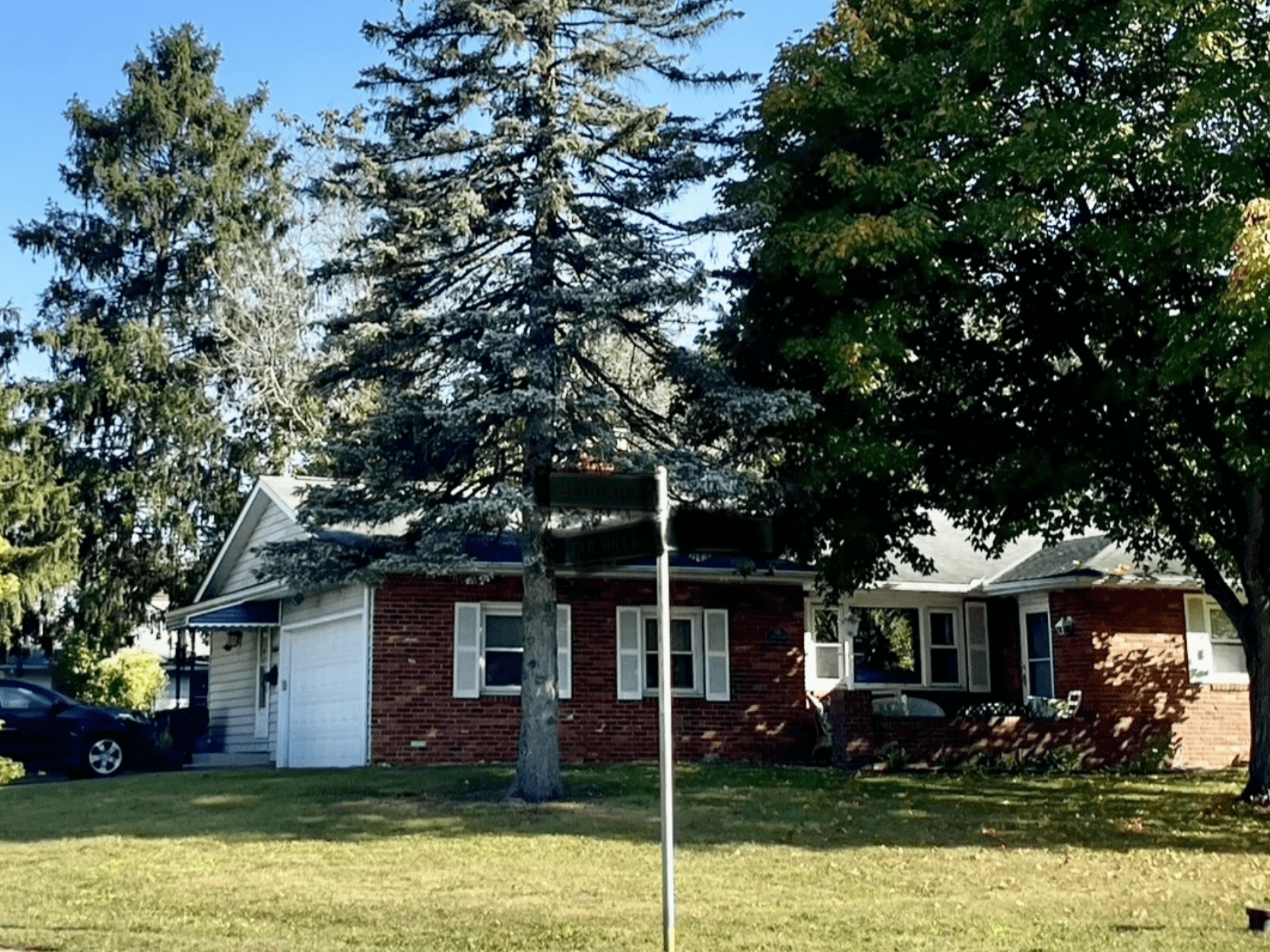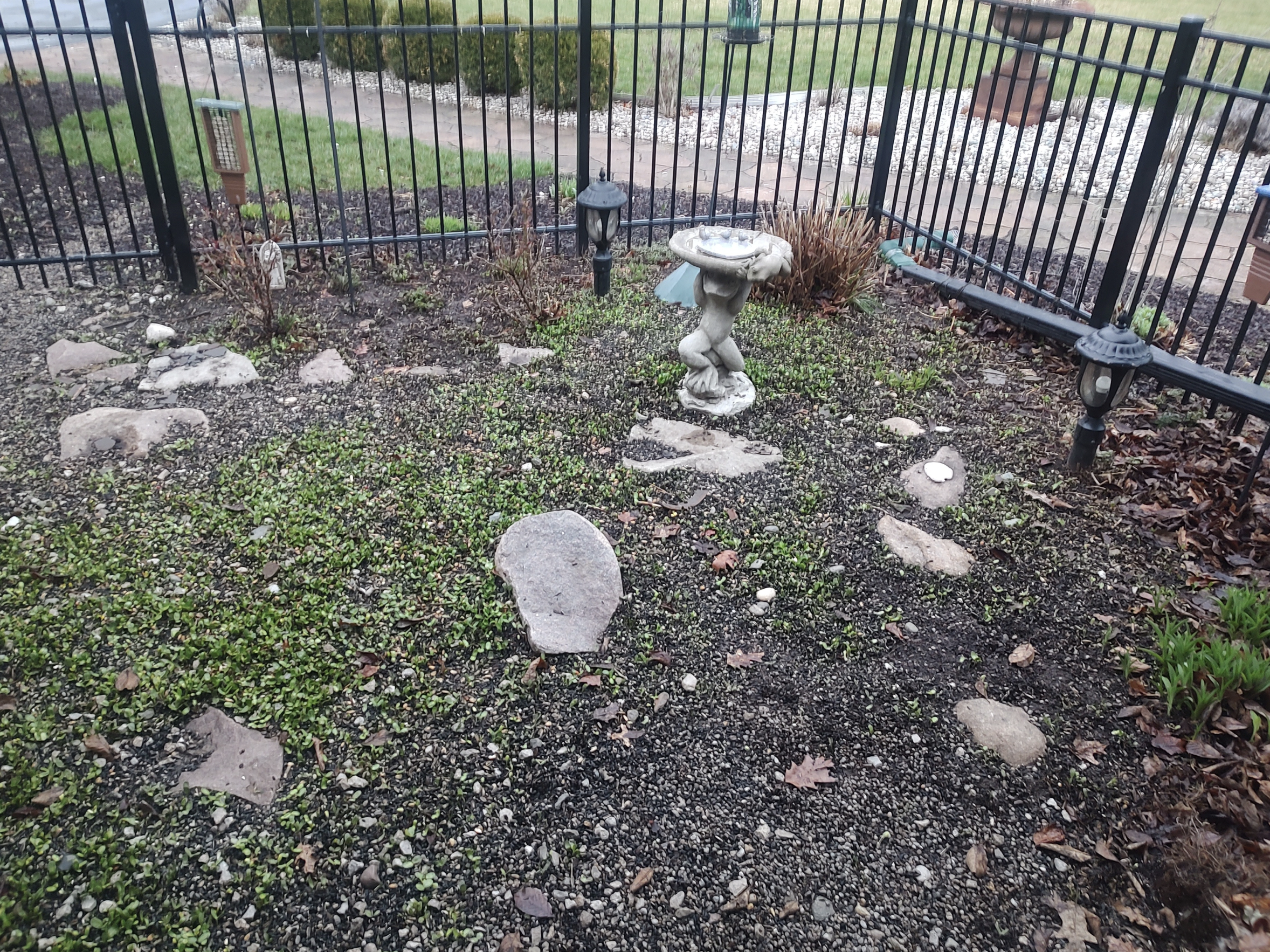


Ohio 2025

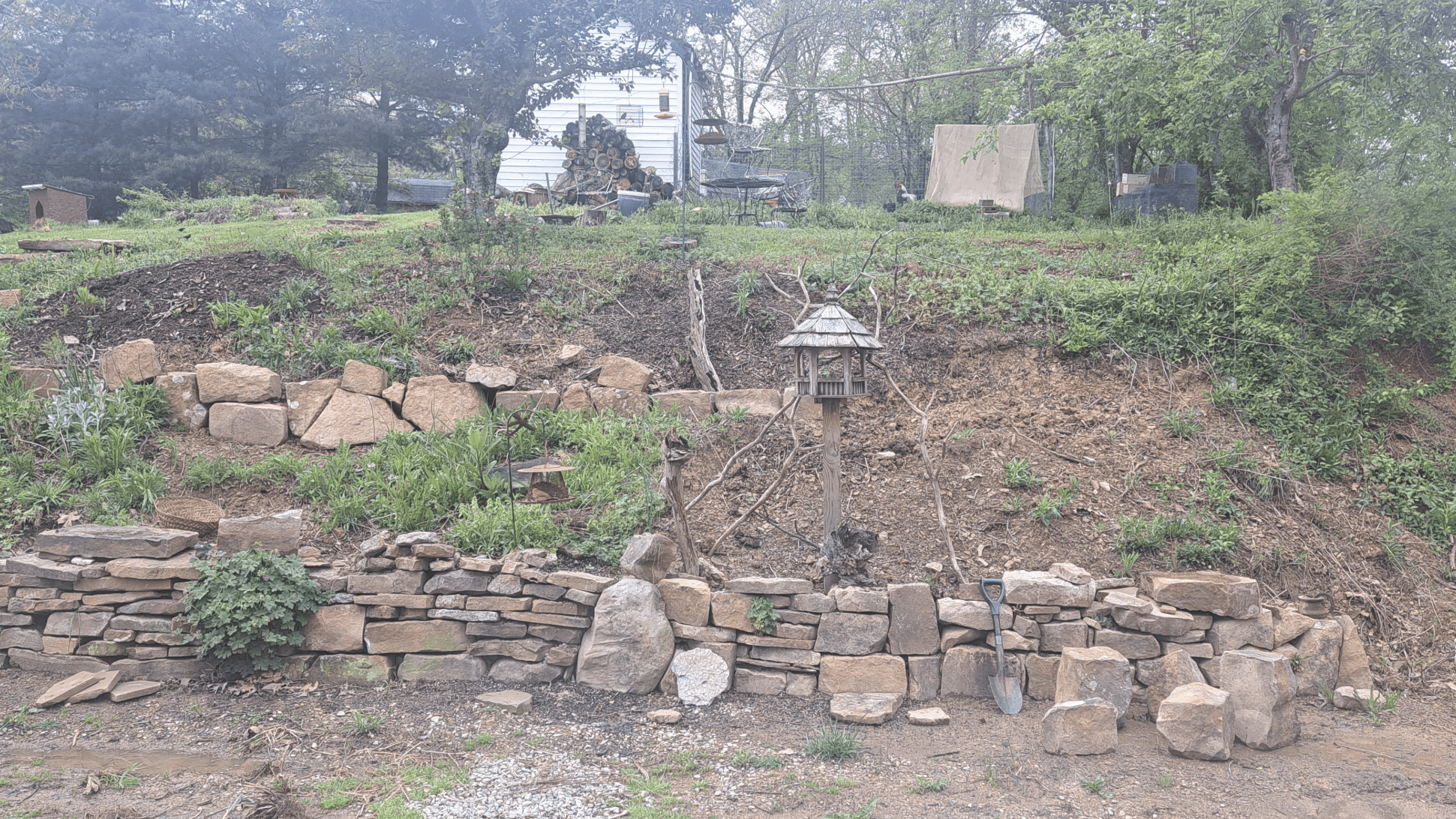
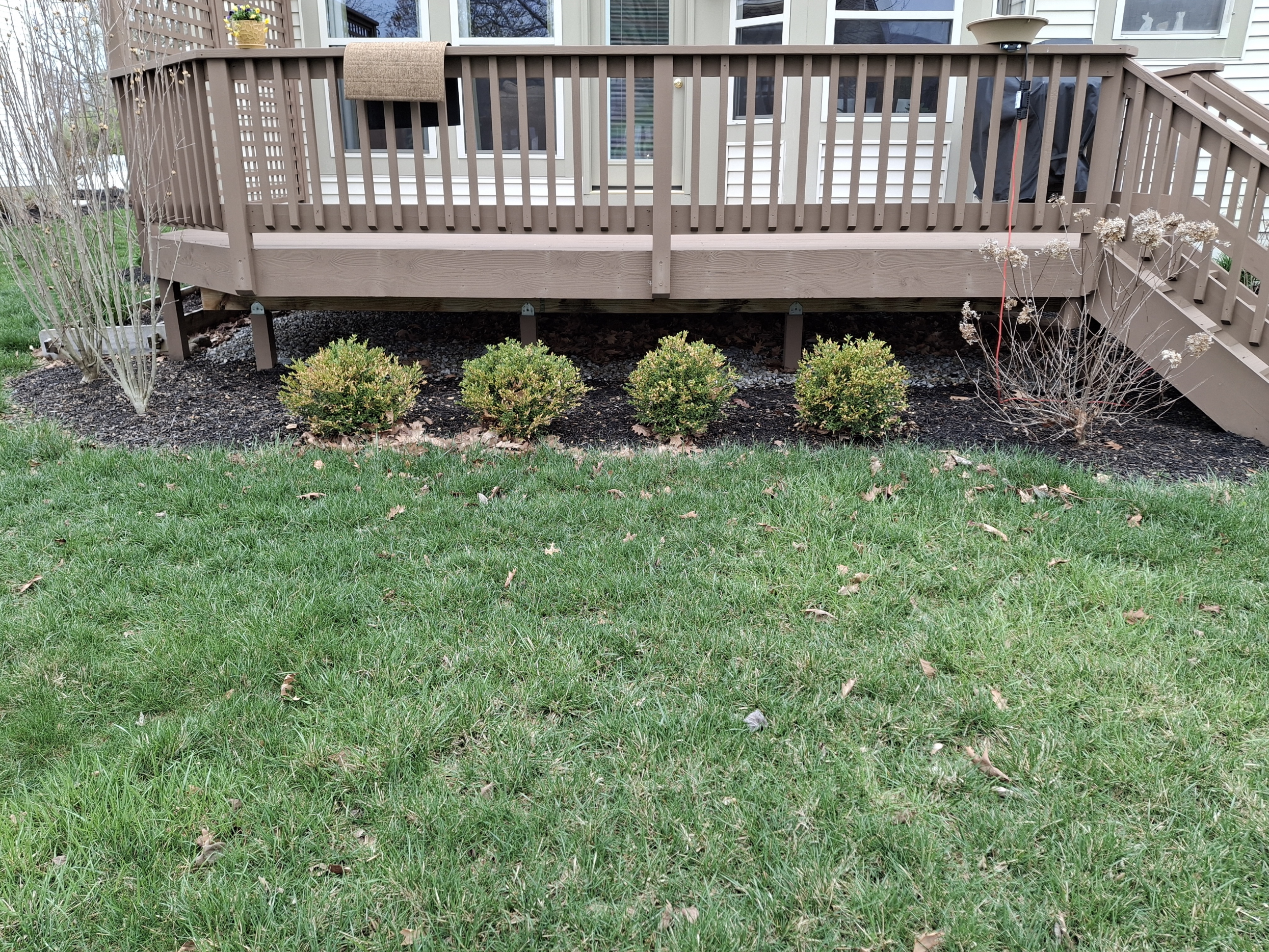
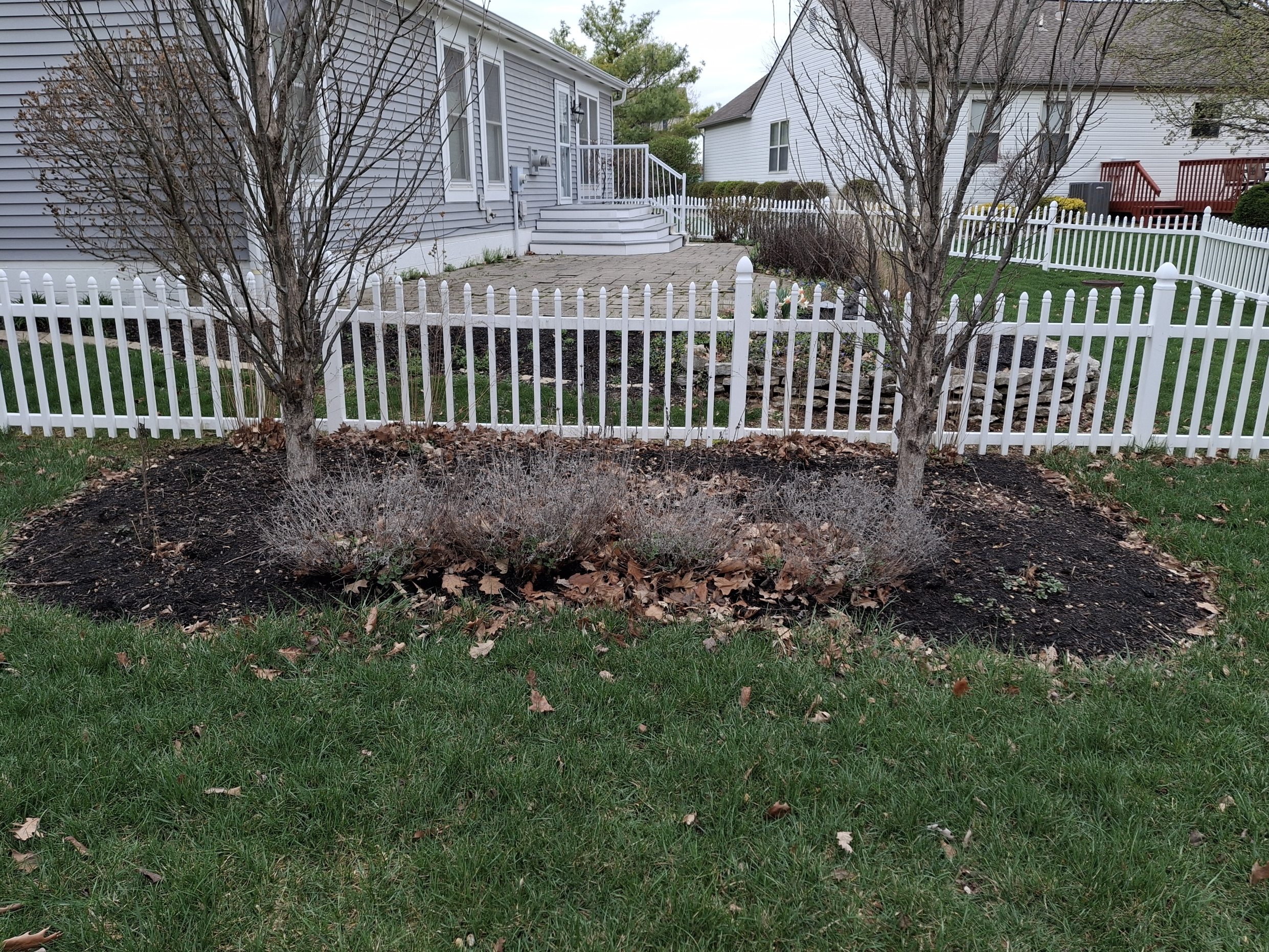
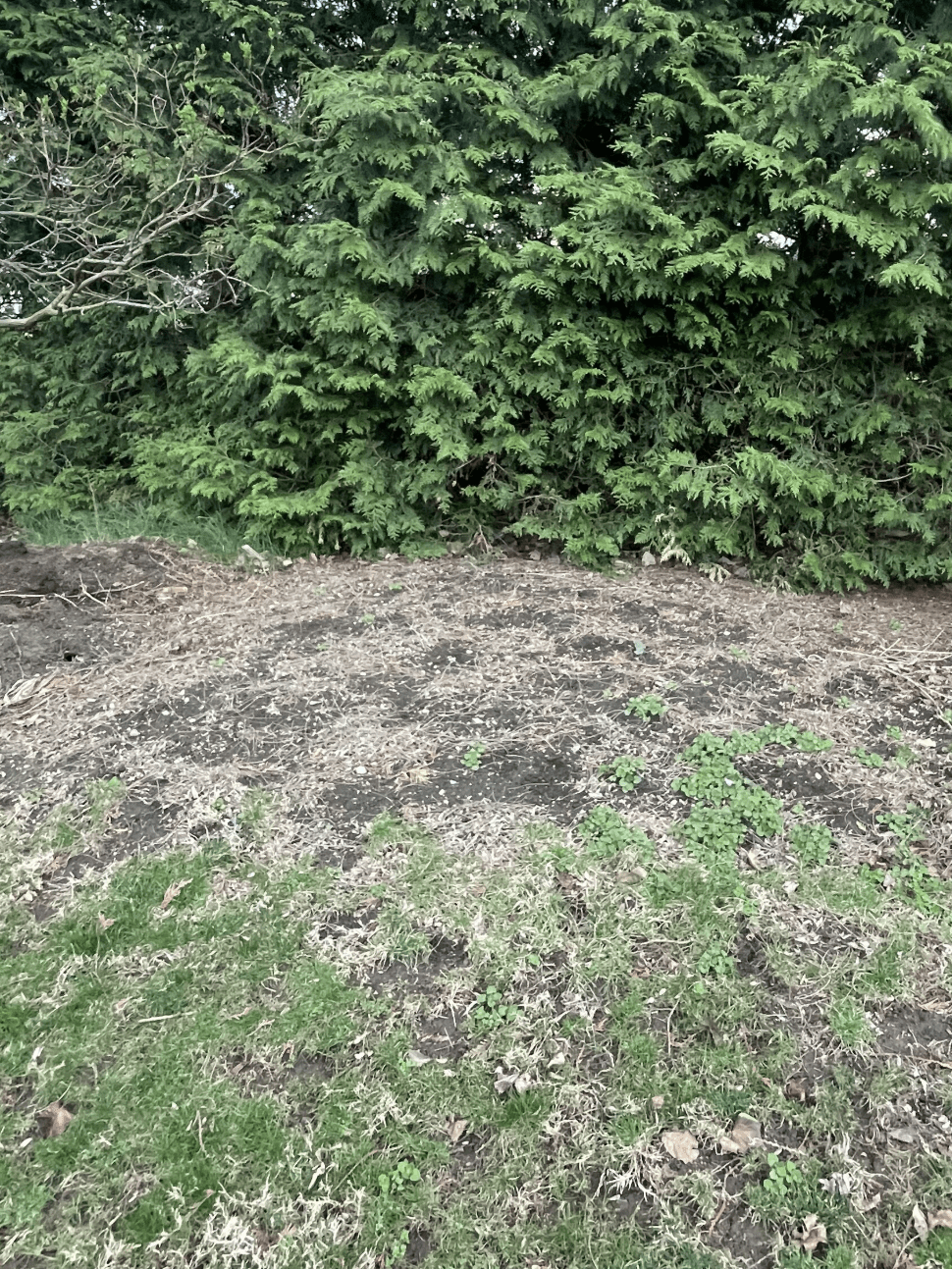
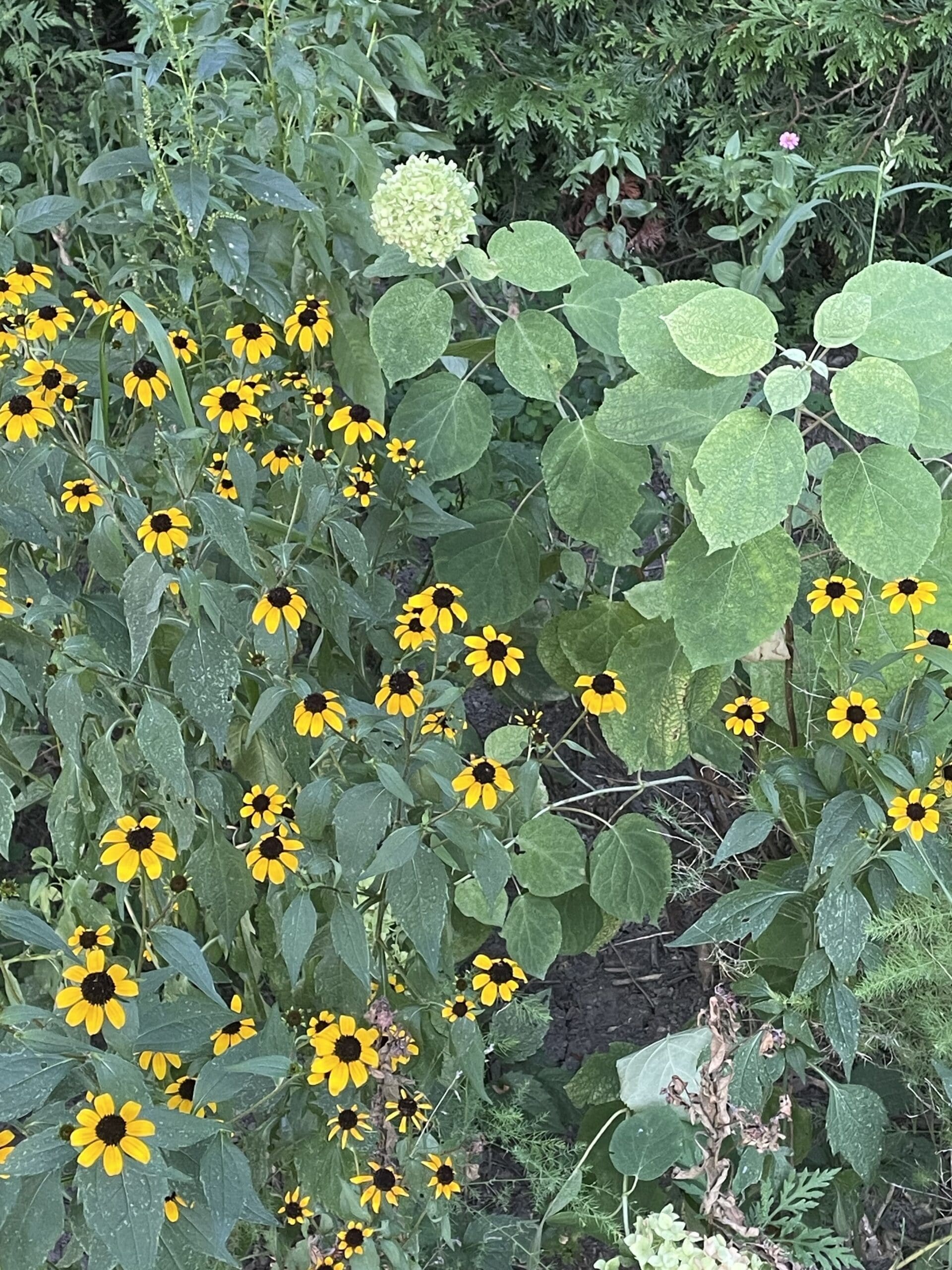
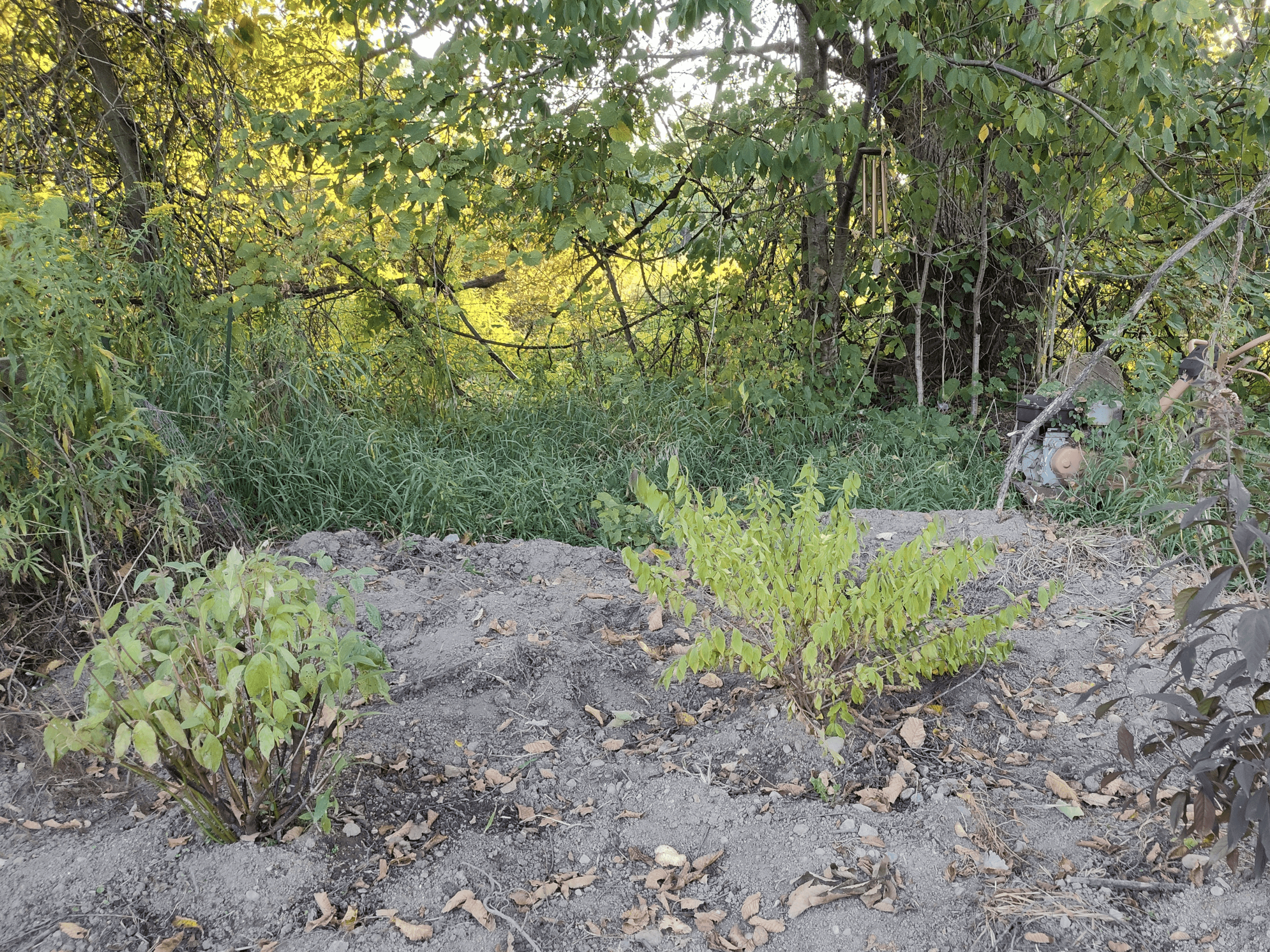
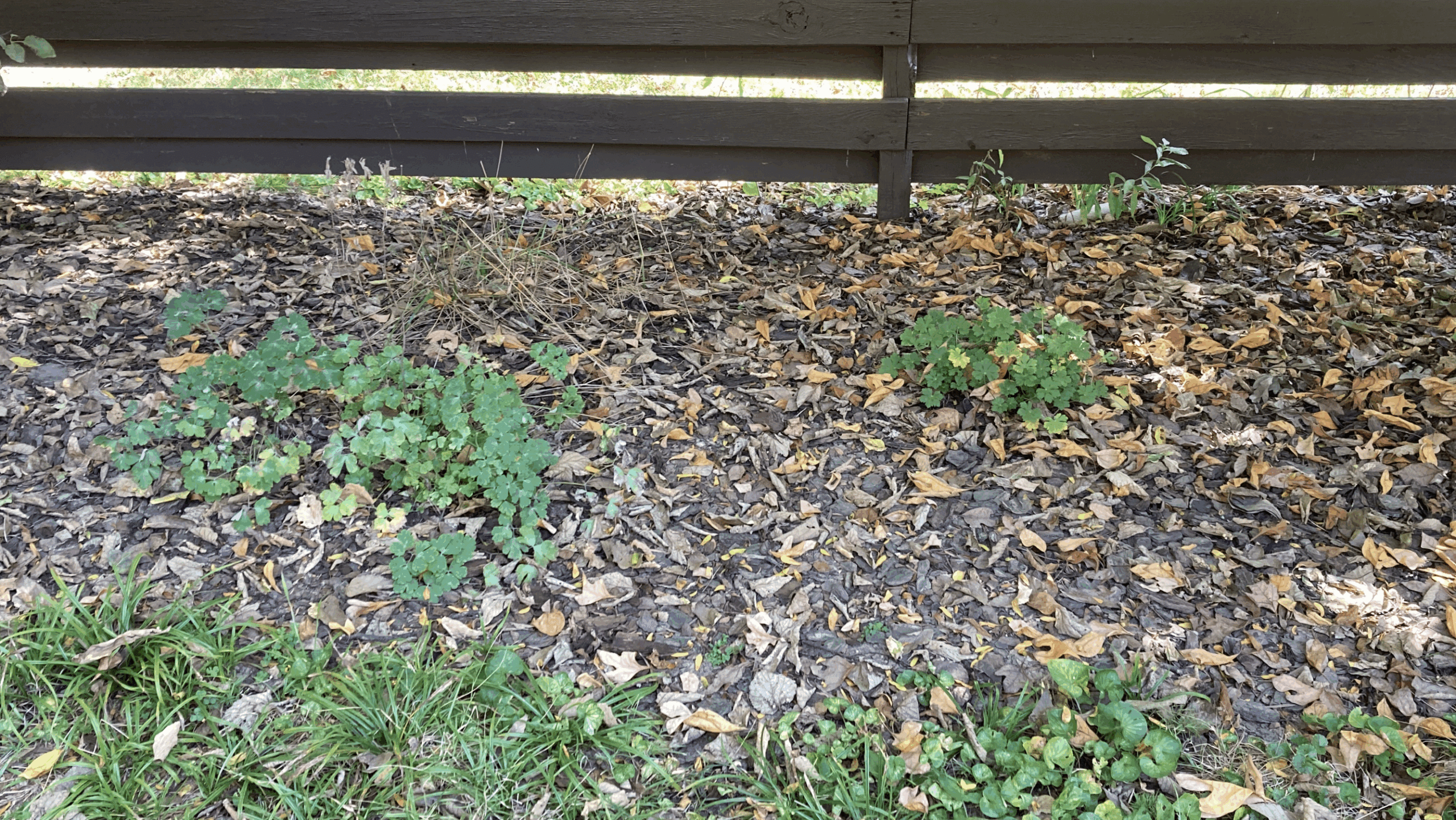
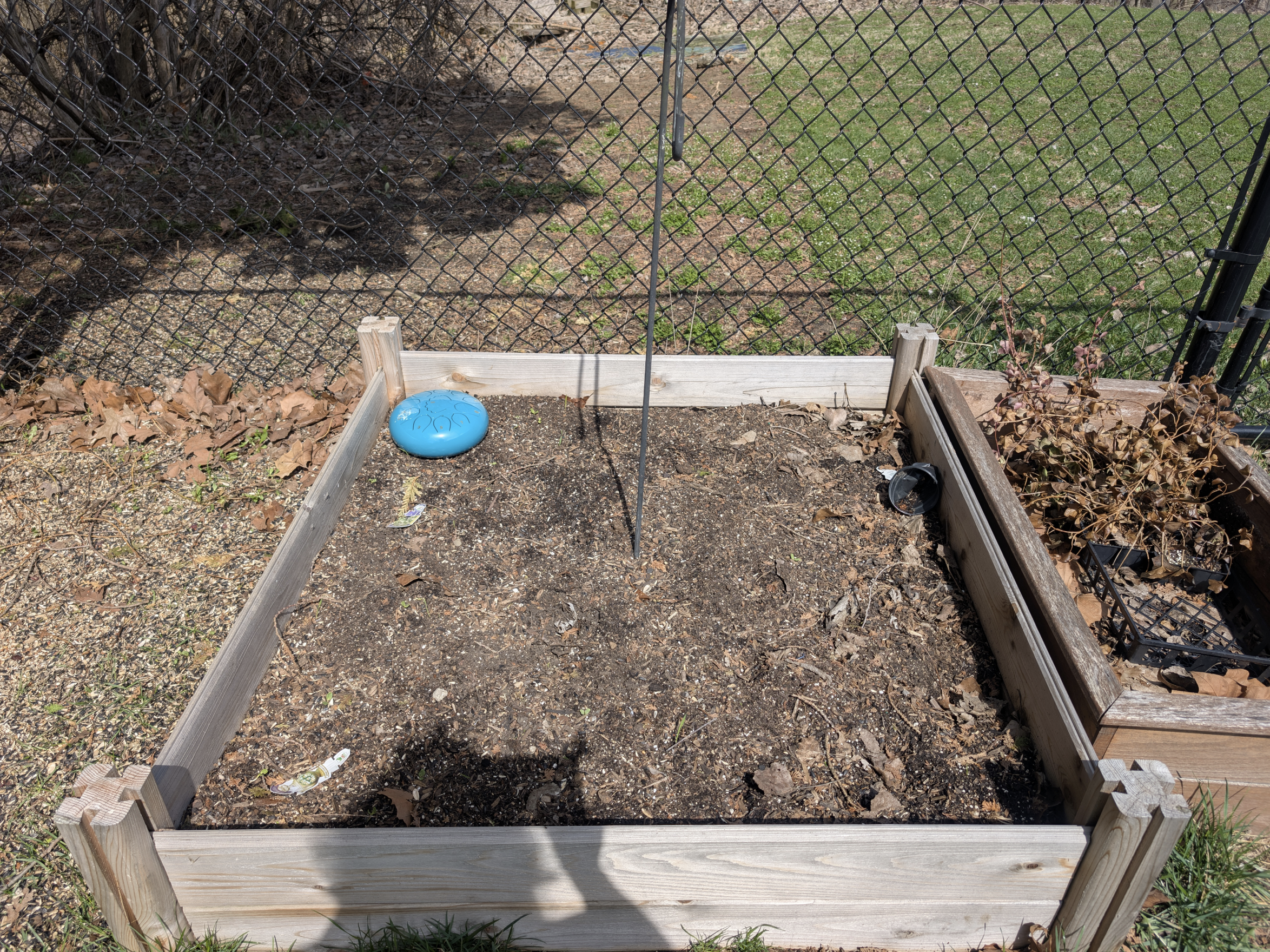
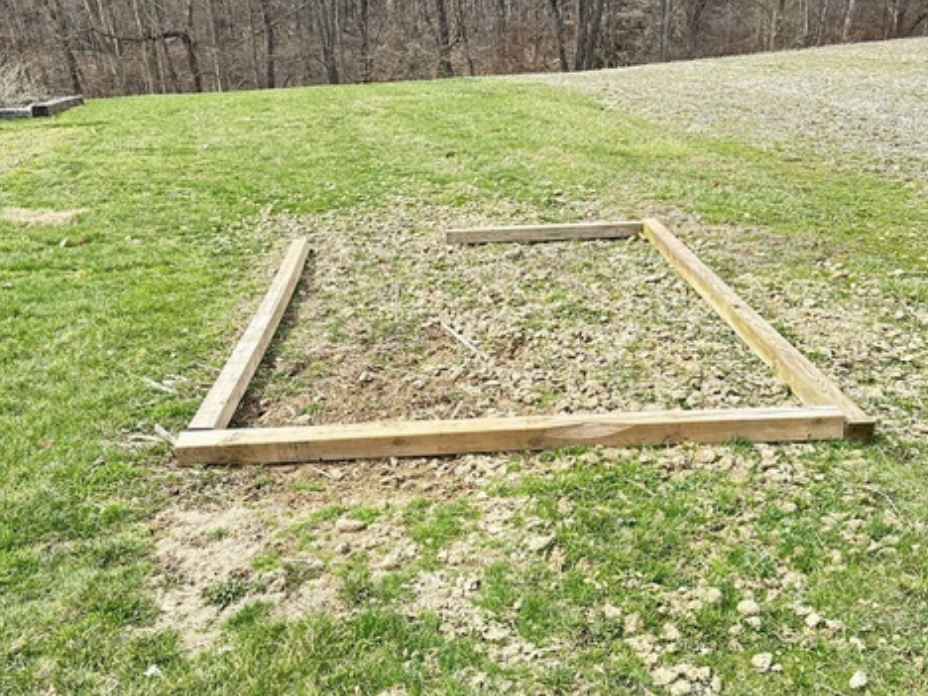
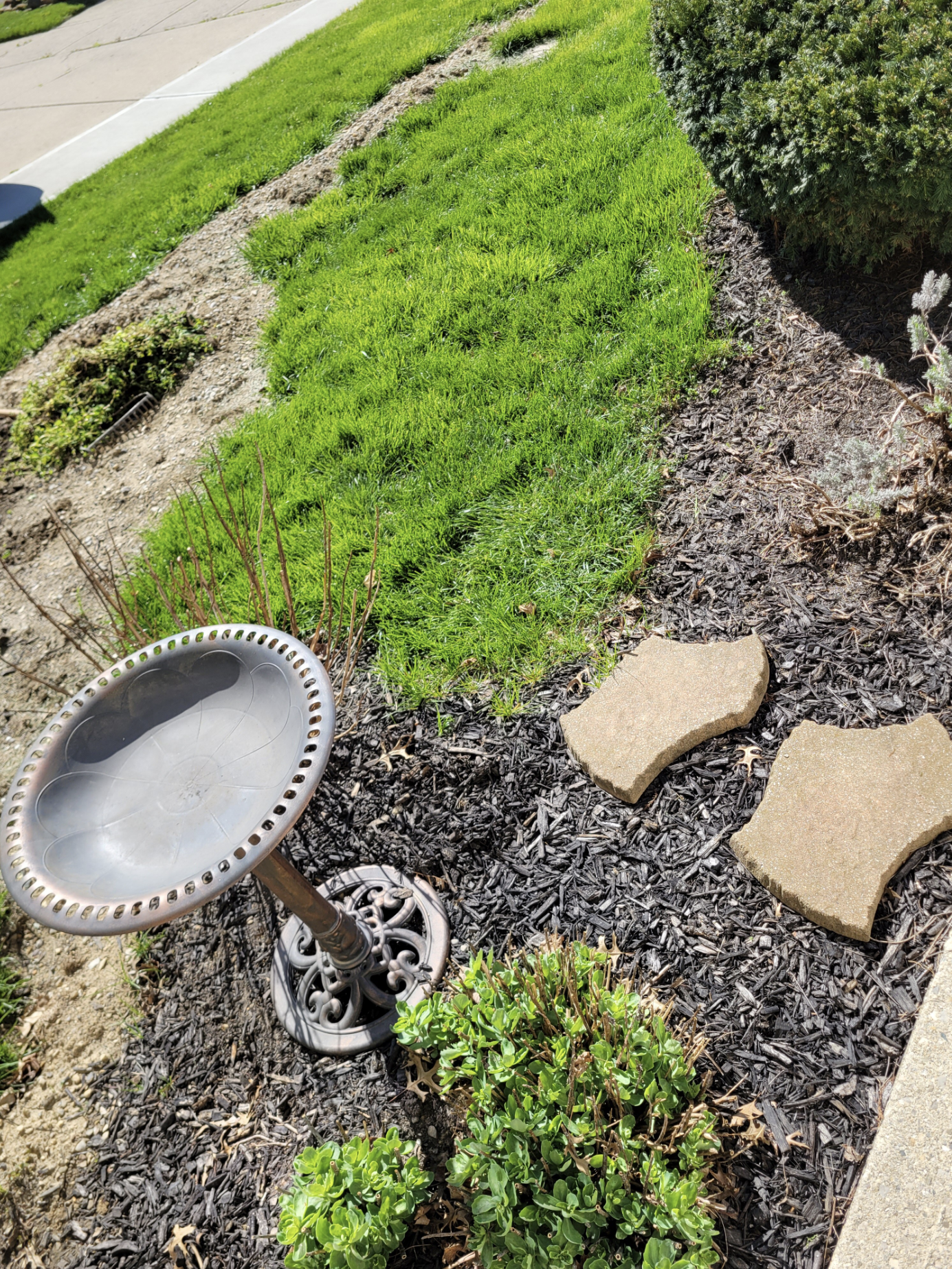
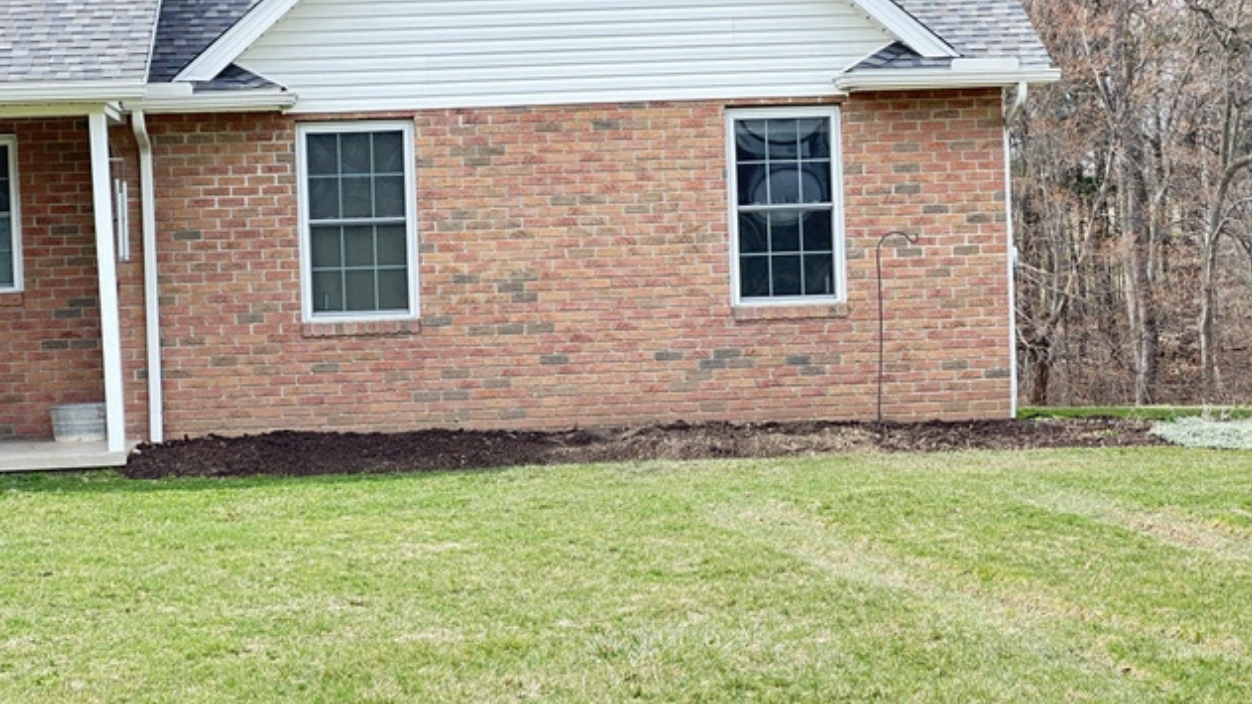
Before

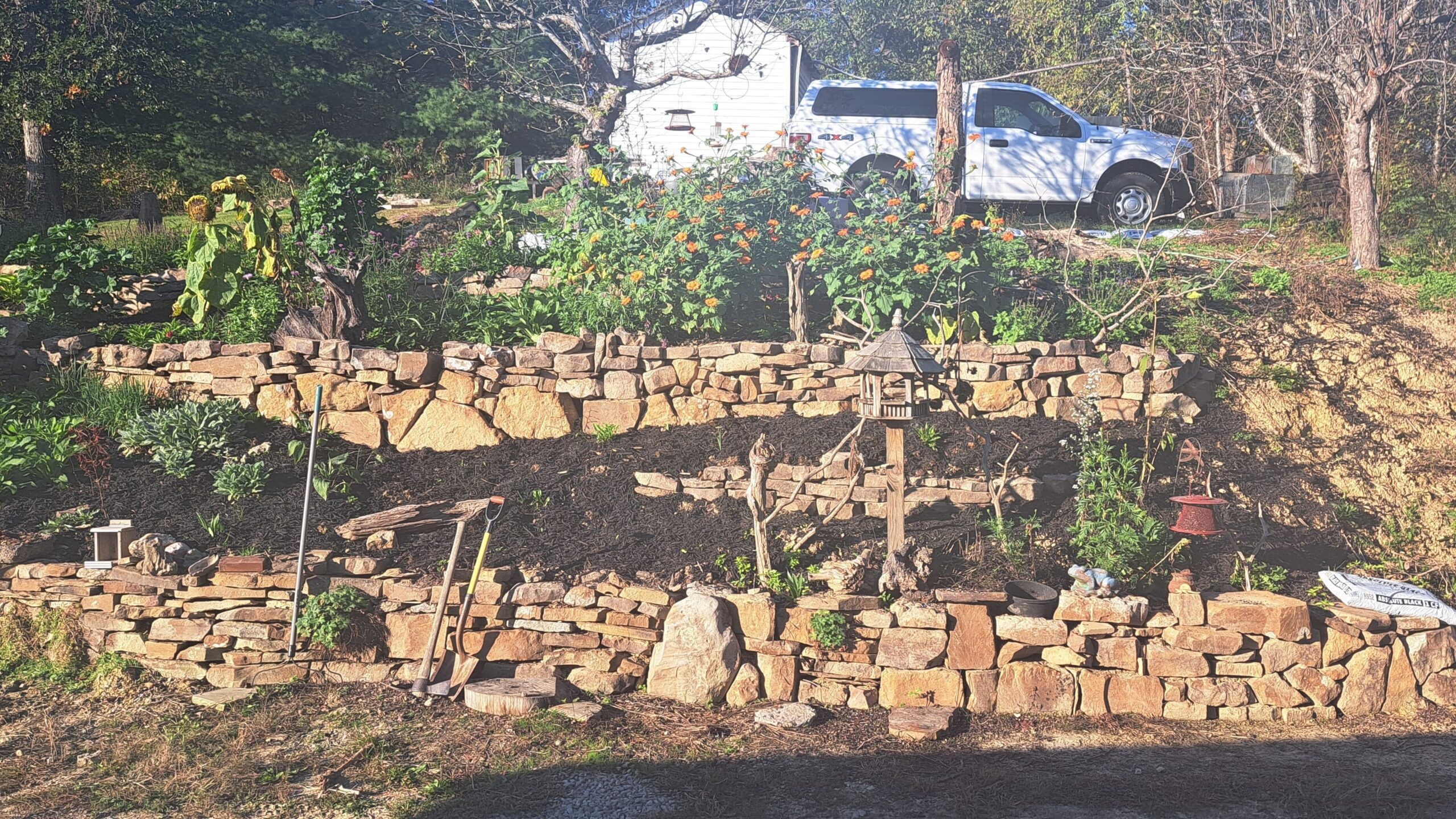
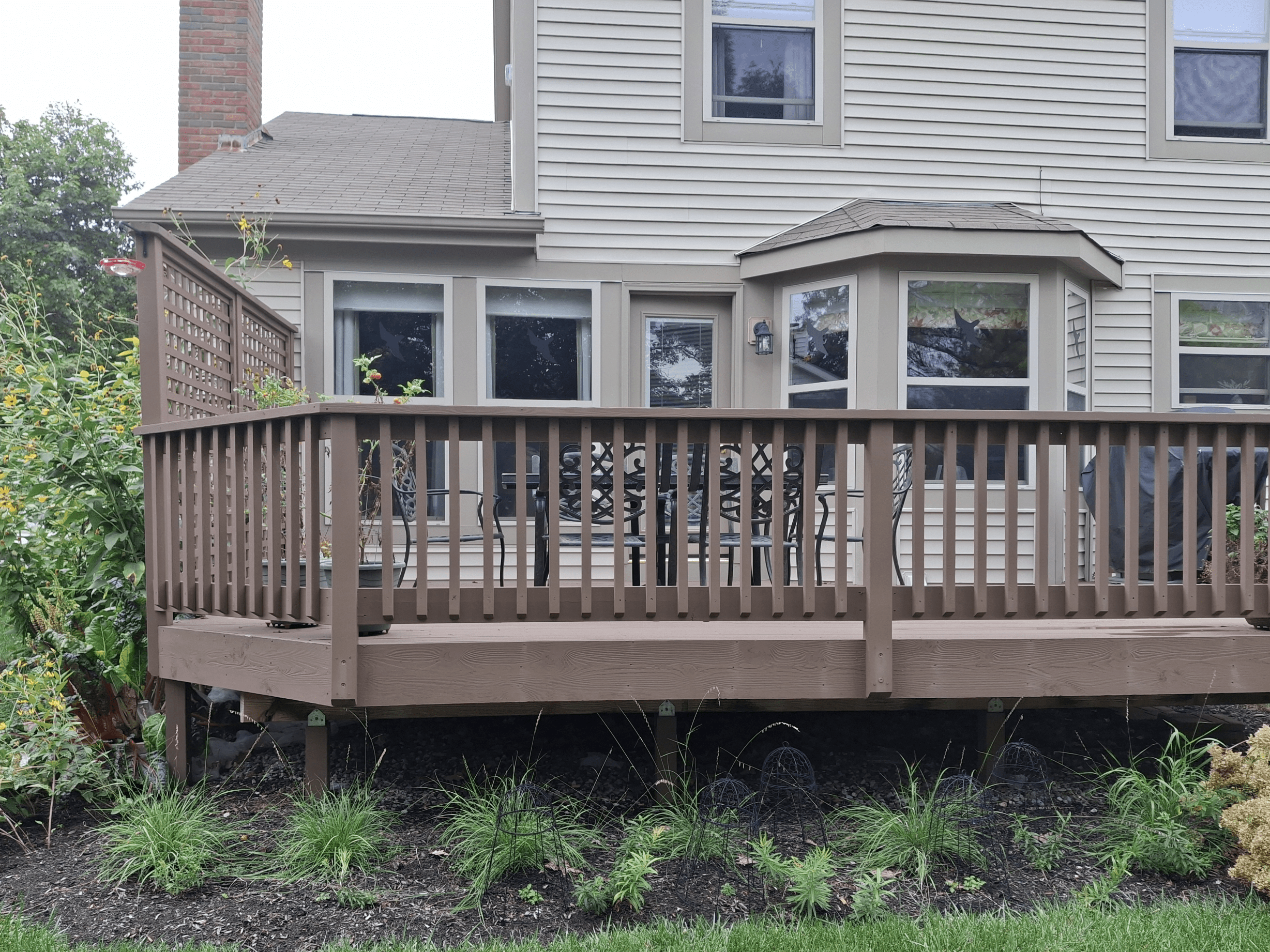
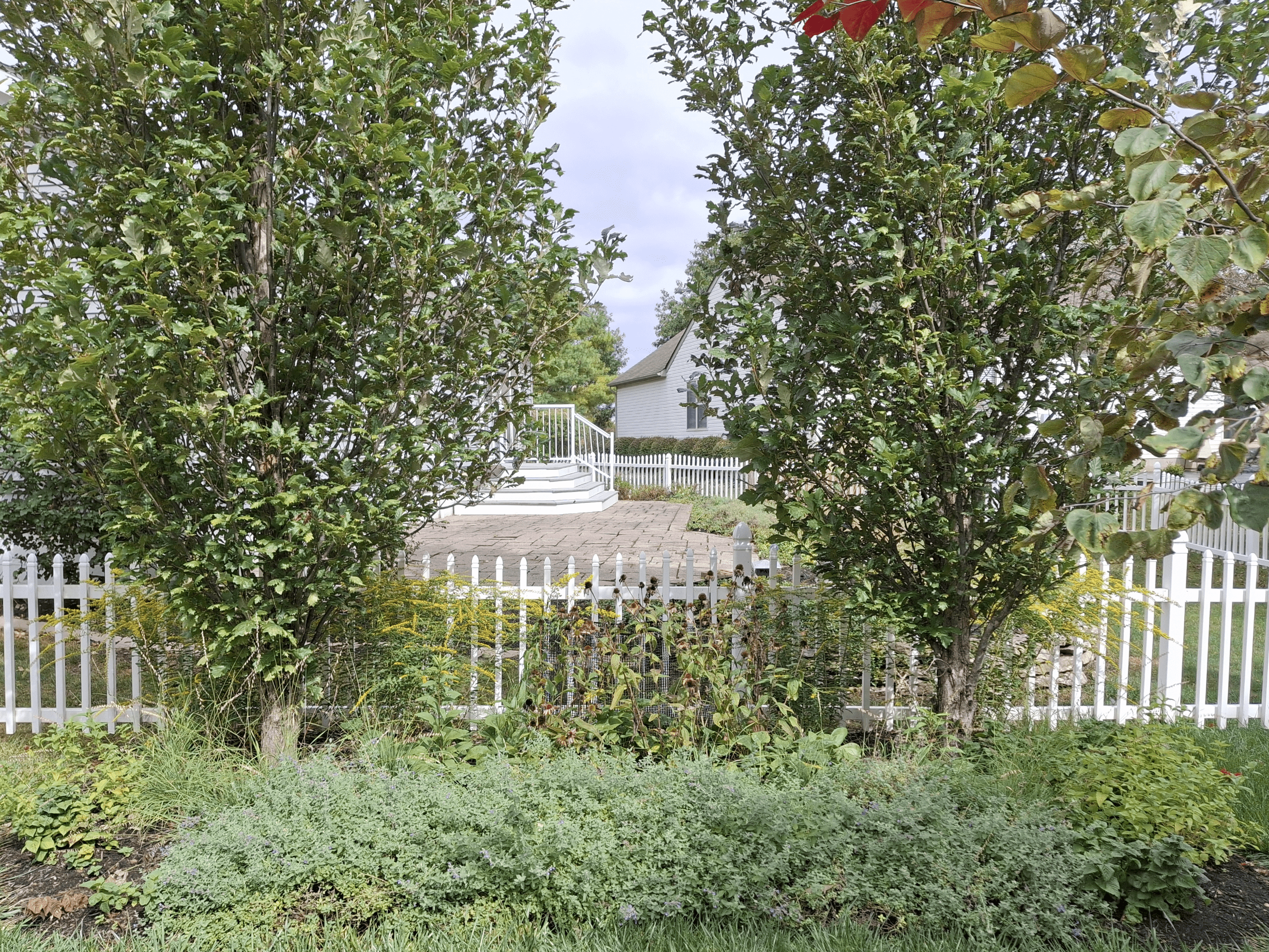
After
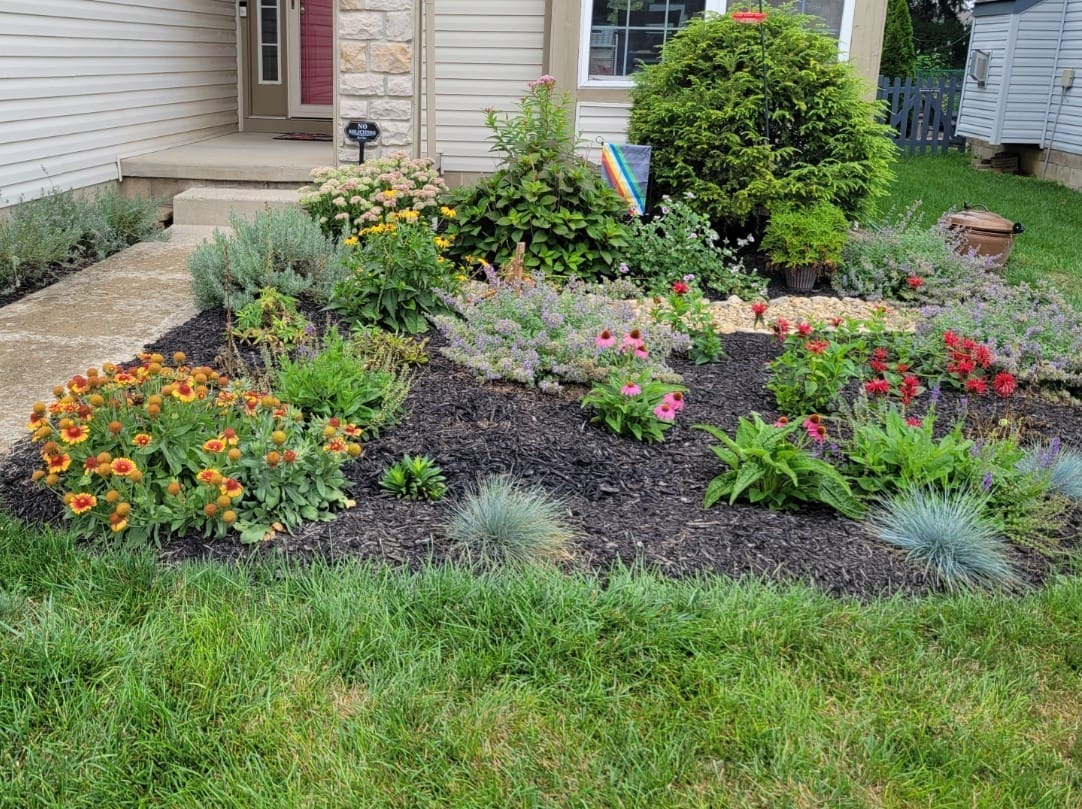
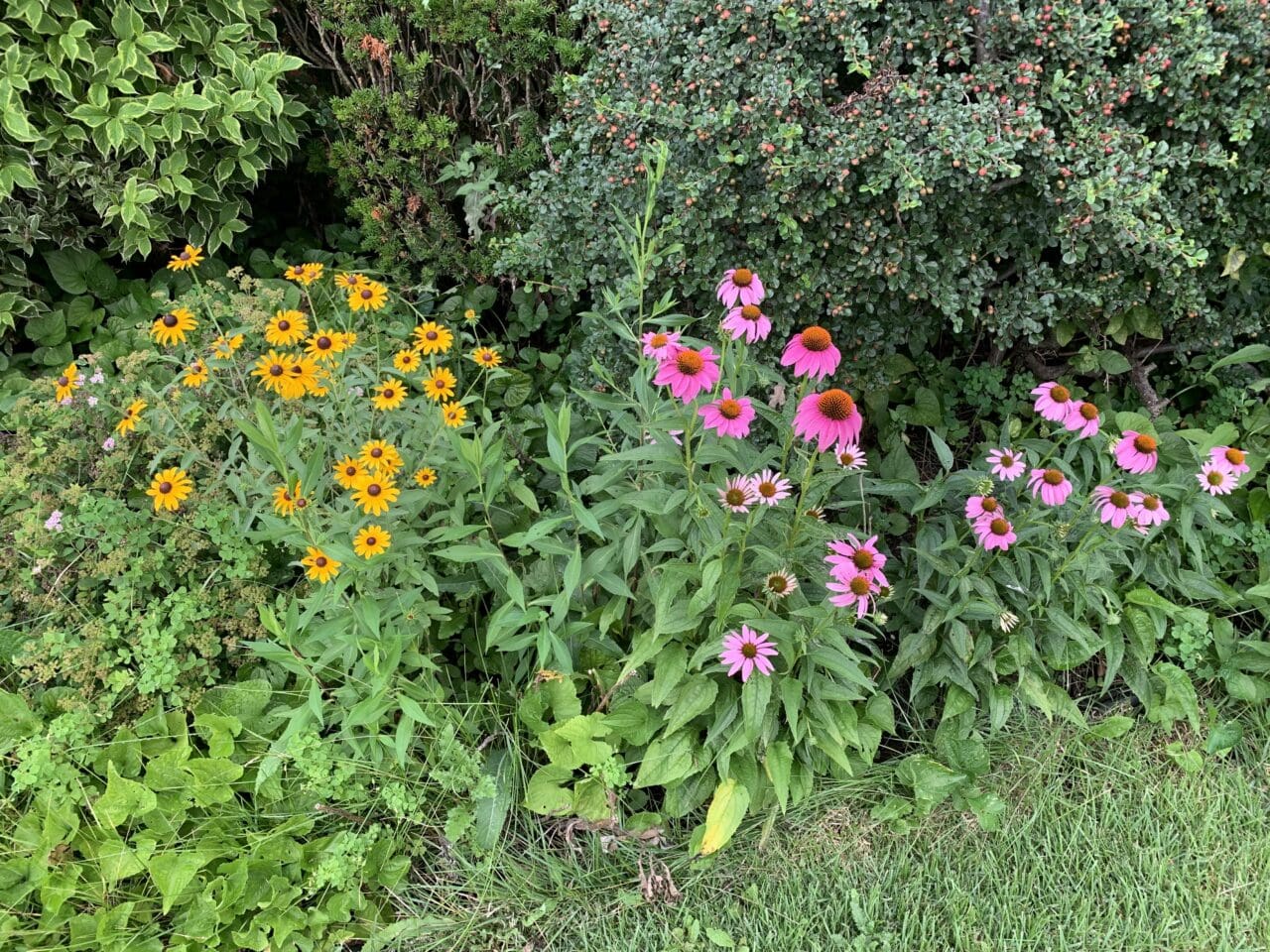
This garden is introducing more native plants to increase biodiversity for birds and pollinators.
Tough season for plants, but more wildlife than ever visited the hillside gardens. Additional plugs will be added this spring encourage the site to fill in with resources for birds and biodiversity.
Homeowner is excited to add native plants to their beds that are both beautiful, but help support birds.
A landscape architect who specializes in natives helped to add several native gardens to this property.
Gardens are flush with native habitat for birds. These gardens were started several years ago, but more plants are added every year.
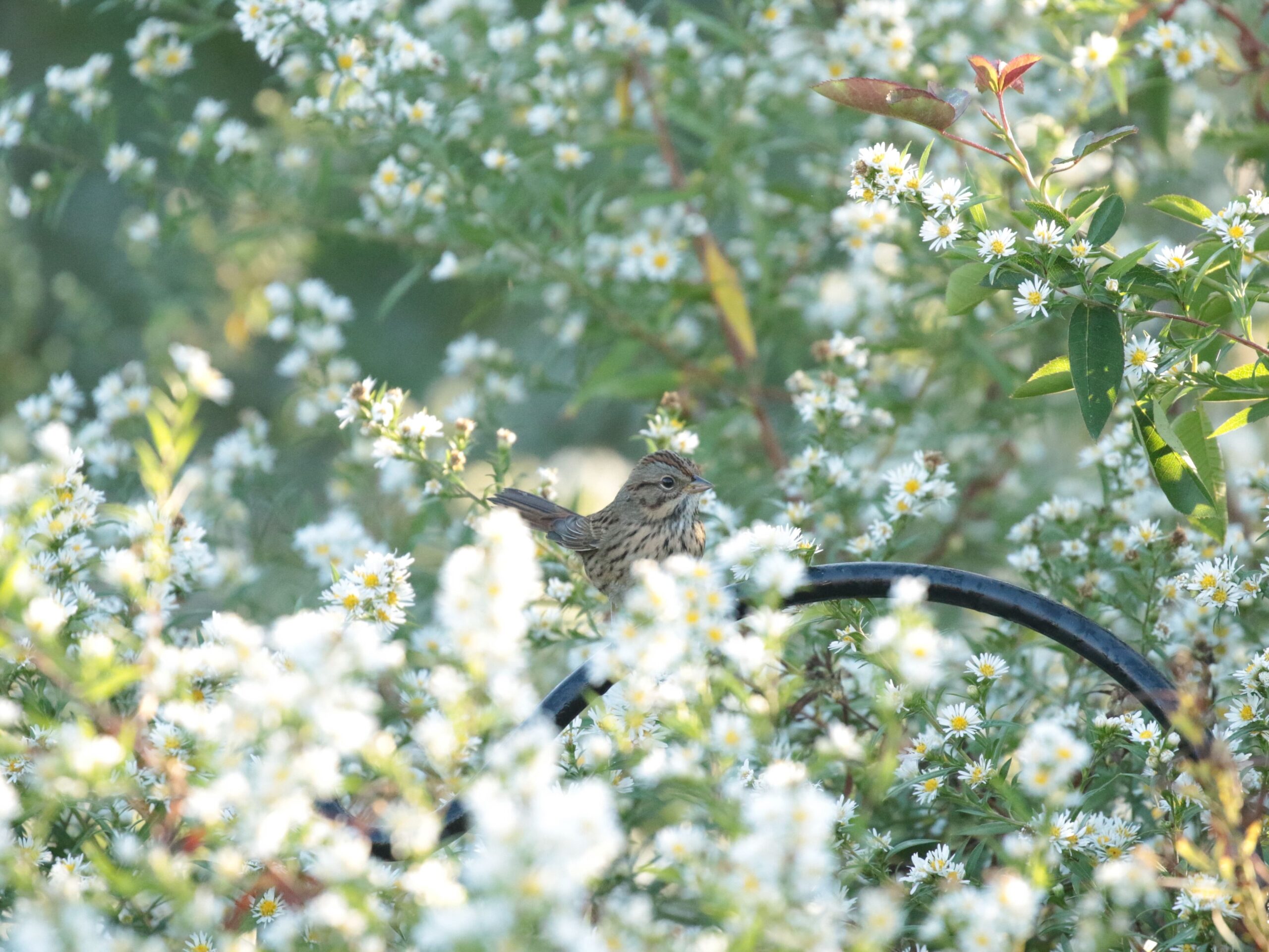
Birds approve! Look at all those fall asters.
Several gardens on this property will receive some native plant additions to balance beauty with functionality.
Many more insects, monarchs, moths, and bees are seen since this property started to prioritize native plants. Such joy and smiles these creatures inspire.
Homeowners is trying to attract and support different birds in the area.
This eye-catching Royal Catchfly has attracted hummingbirds and bees
Property owner recently moved to this home and wants to plant natives for pollinators and birds.
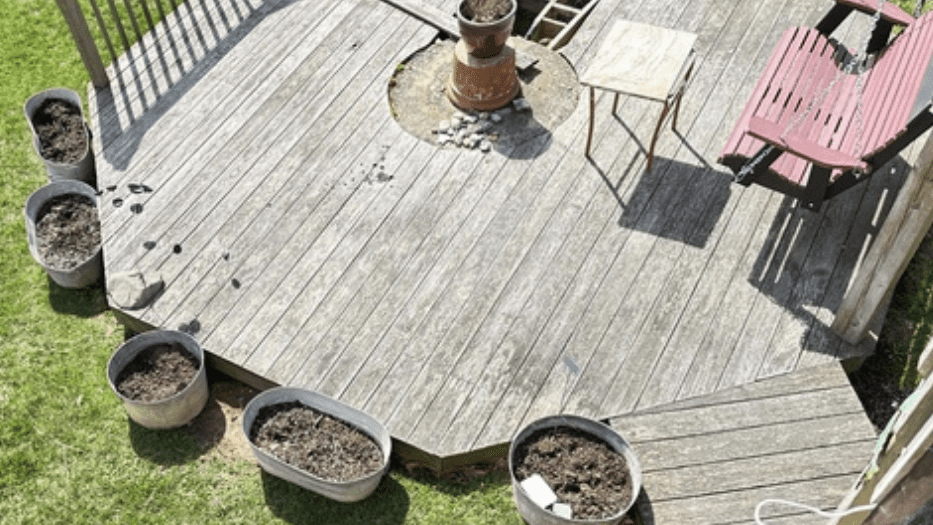
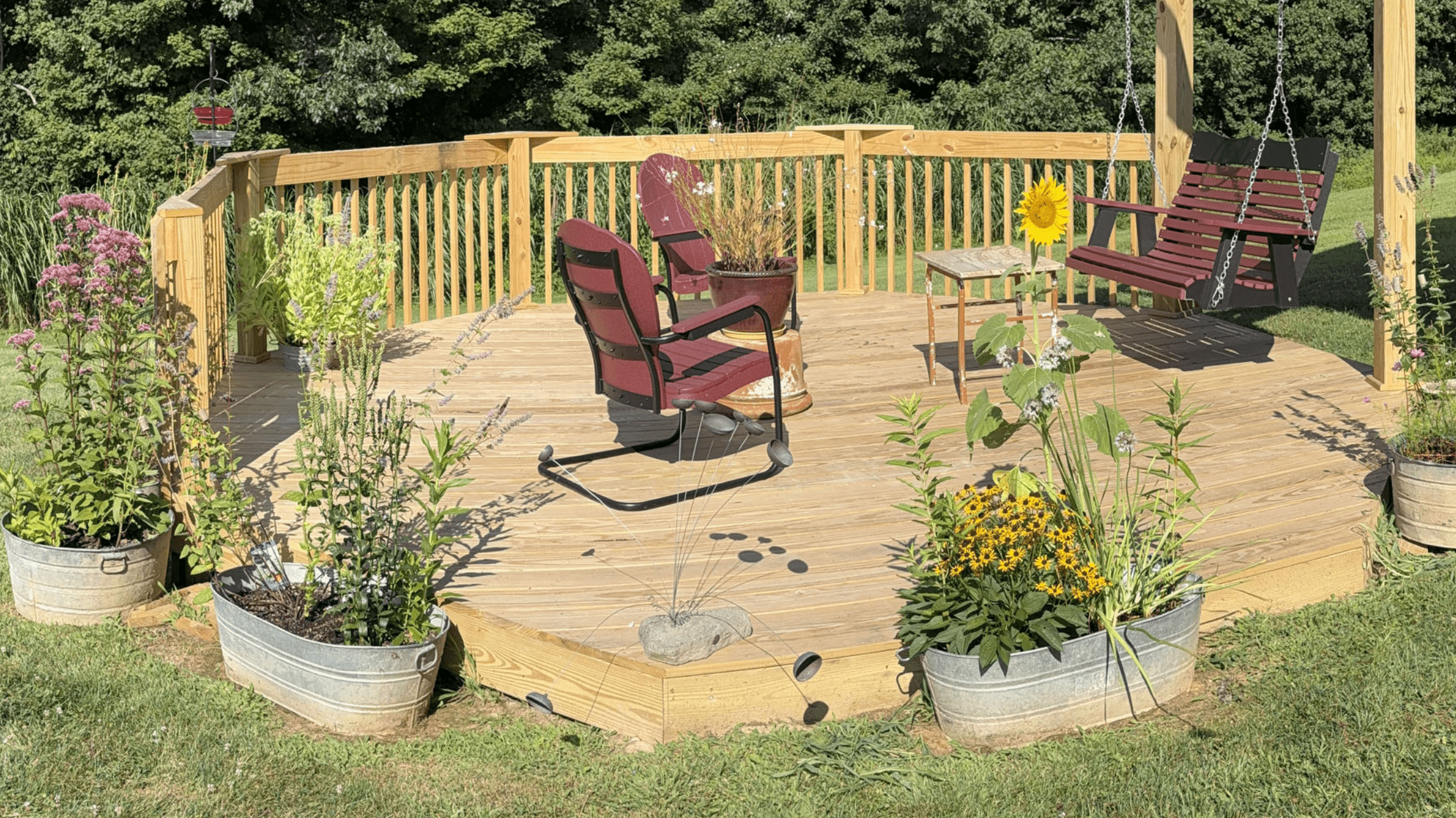
Pollinators were busy on these lovely native container plantings. They will leave the seedheads in place all winter to feed the resident birds.
Homeowner wants this area to be attractive, environmentally friendly and attract birds and pollinators–so they are adding native plants!
The owner has installed a rain garden and put up a bird feeder. Eventually there will be an area of prairie and more native shrubs for berries and potential nesting places.
This garden was started last year. This year more native flowers for pollinators and birds will be added.
Lots of vibrance in this garden!
A new garden spot will have a diversity of plants added including many that are bird-friendly.
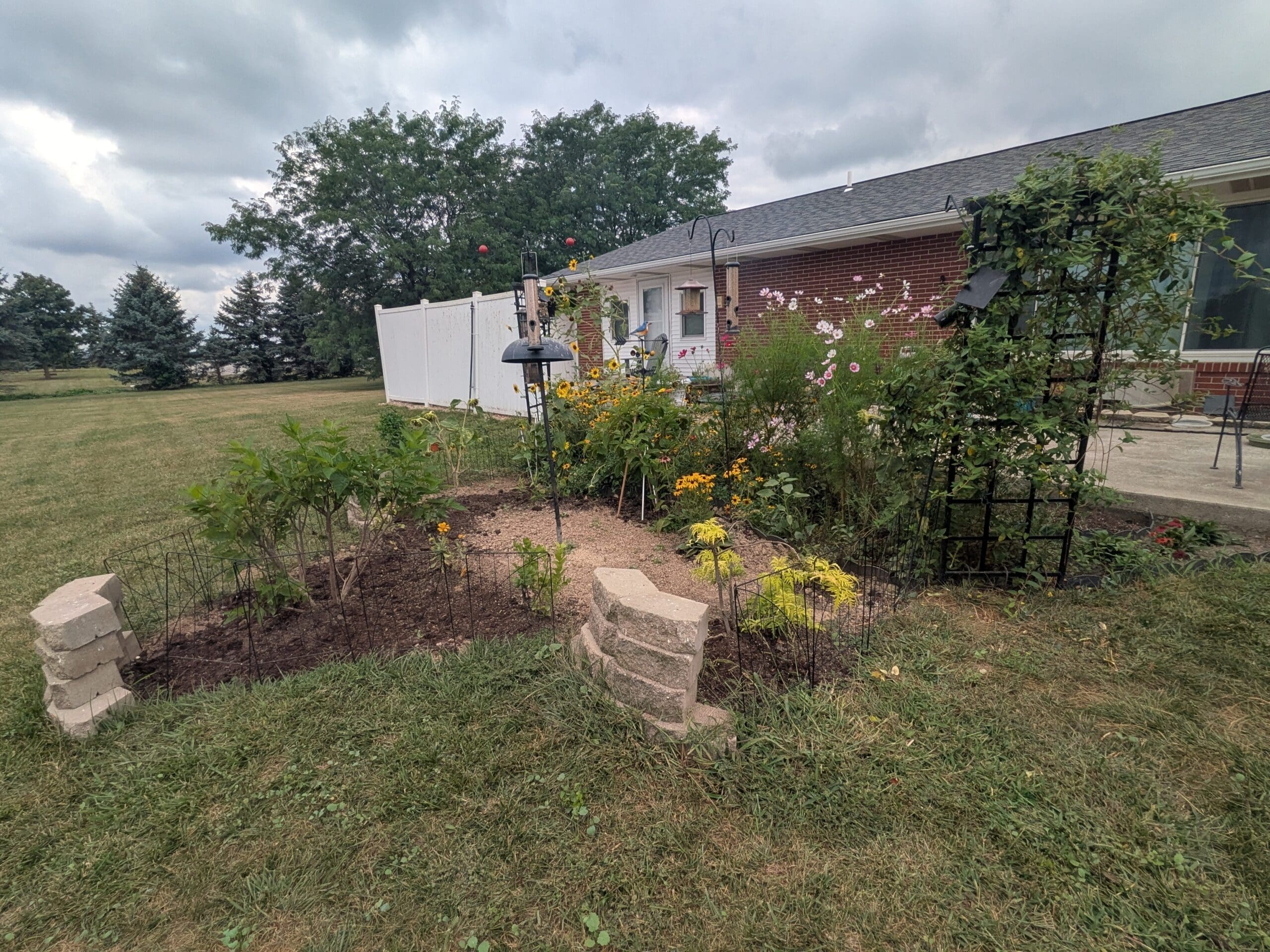
Ruby-throated Hummingbirds, American Goldfinches, Northern Cardinals, American Robins, as well as bees, butterflies – including 10 monarch caterpillars and 8 chrysalis have used this new spot.
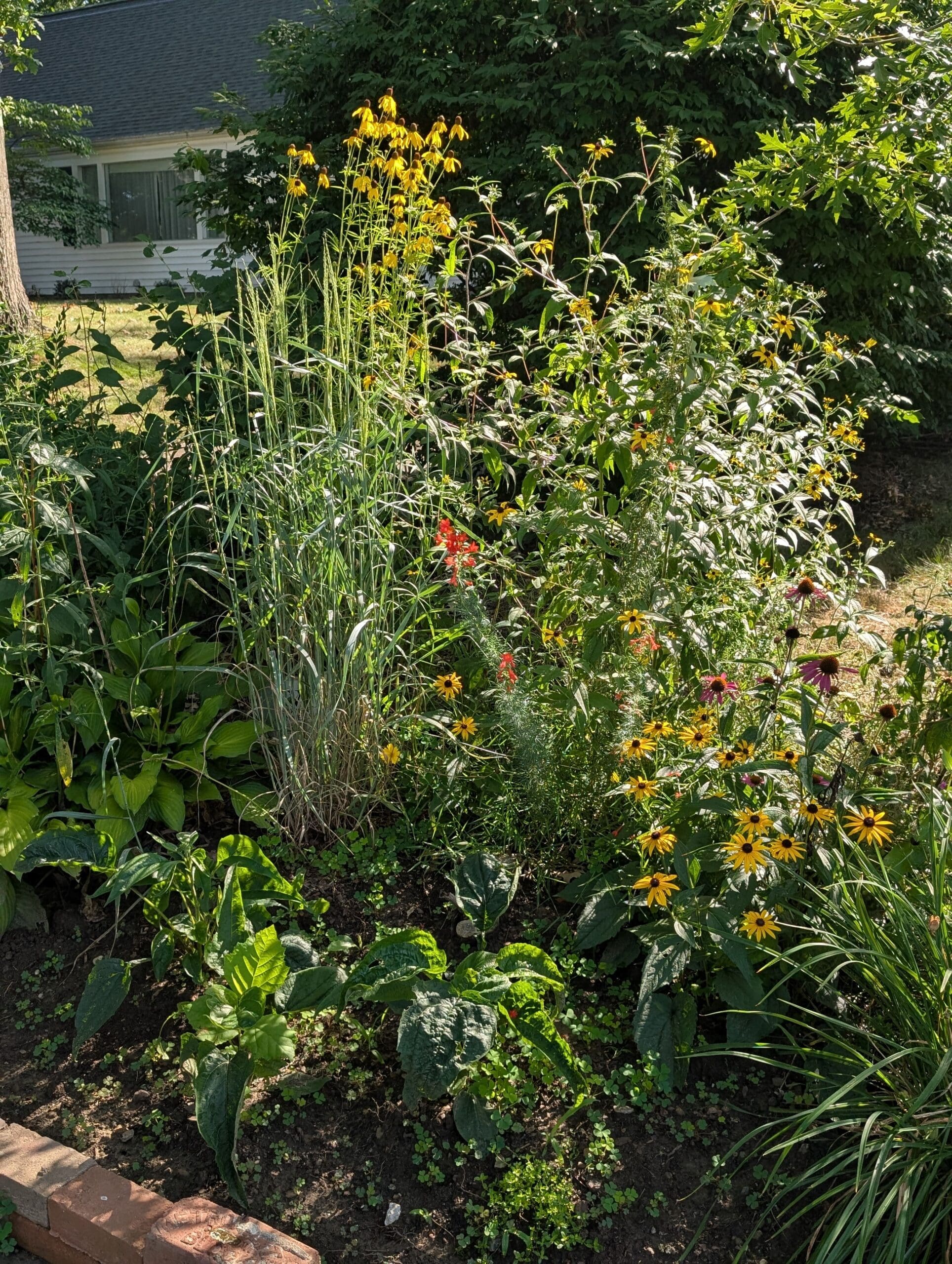
Homeowner is perking up this garden with native grass and rudbeckia.
This spot has been tricky to plant, but native wildflowers seem to be thriving.
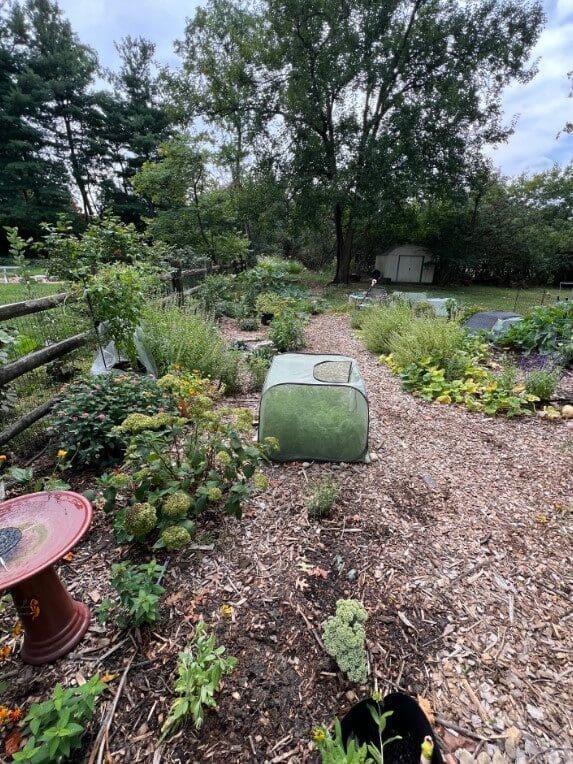
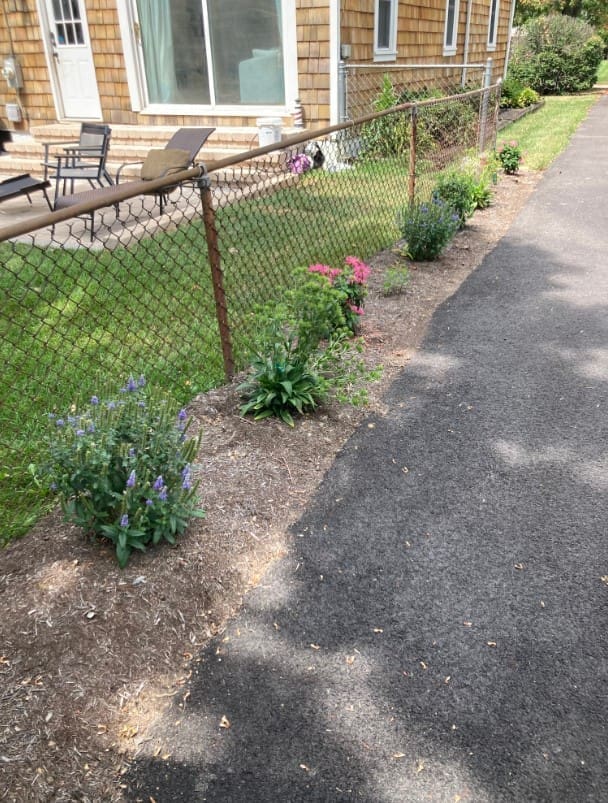
Fence lines make for great places to add native habitat.
This gardener loves all the pollinators that have visited. Bees, monarchs, black swallowtails – at both caterpillar and butterfly stage. Very rewarding!
This person has fed birds for three years, but wanted to add plants that will feed the birds. They added buttonbush, elderberry, black-eyed Susan’s, coneflower, blanket flower, beautyberry, blueberry, and this Fall they are adding two serviceberry trees.
This garden received a lovely extension to provide more resources for the birds. A large diversity of new seed and fruit-producing plants were added which will make for fun viewing this winter. American Goldfinch have already visited the coneflowers.
This property owner will add another flower bed for color and beauty for birds, butterflies, and bees.
A new flower bed has been established.
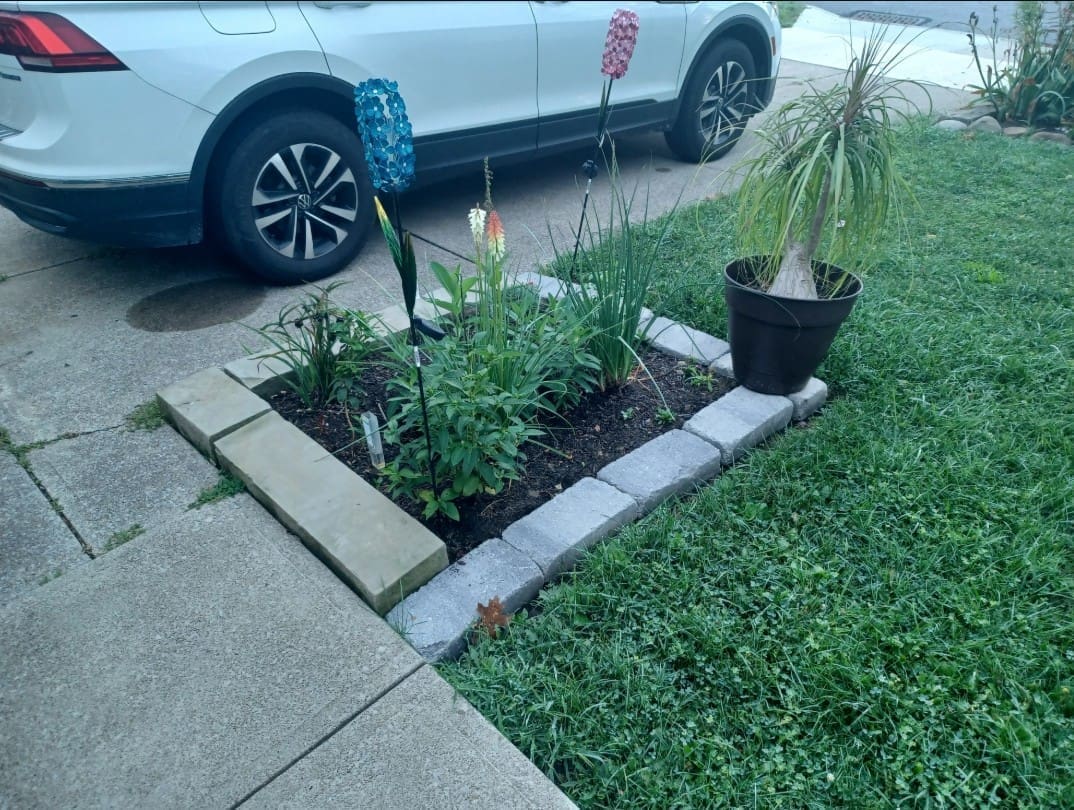
This tiny strip between natives will get a native plant treatment! Both households are excited to see what they attract.
Not many birds yet but the bees loved it! Looking forward to next year when the plants fill out a bit.
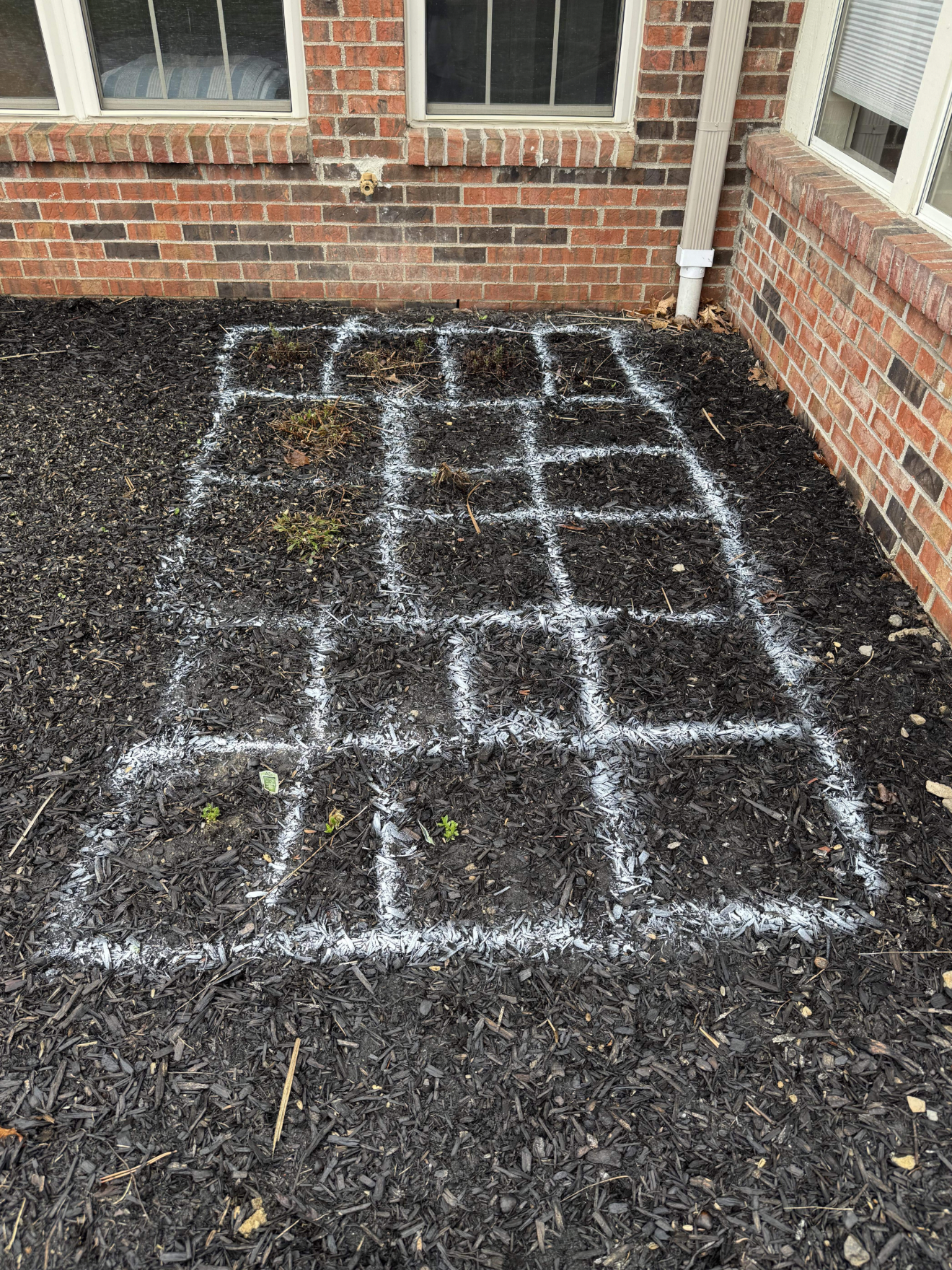
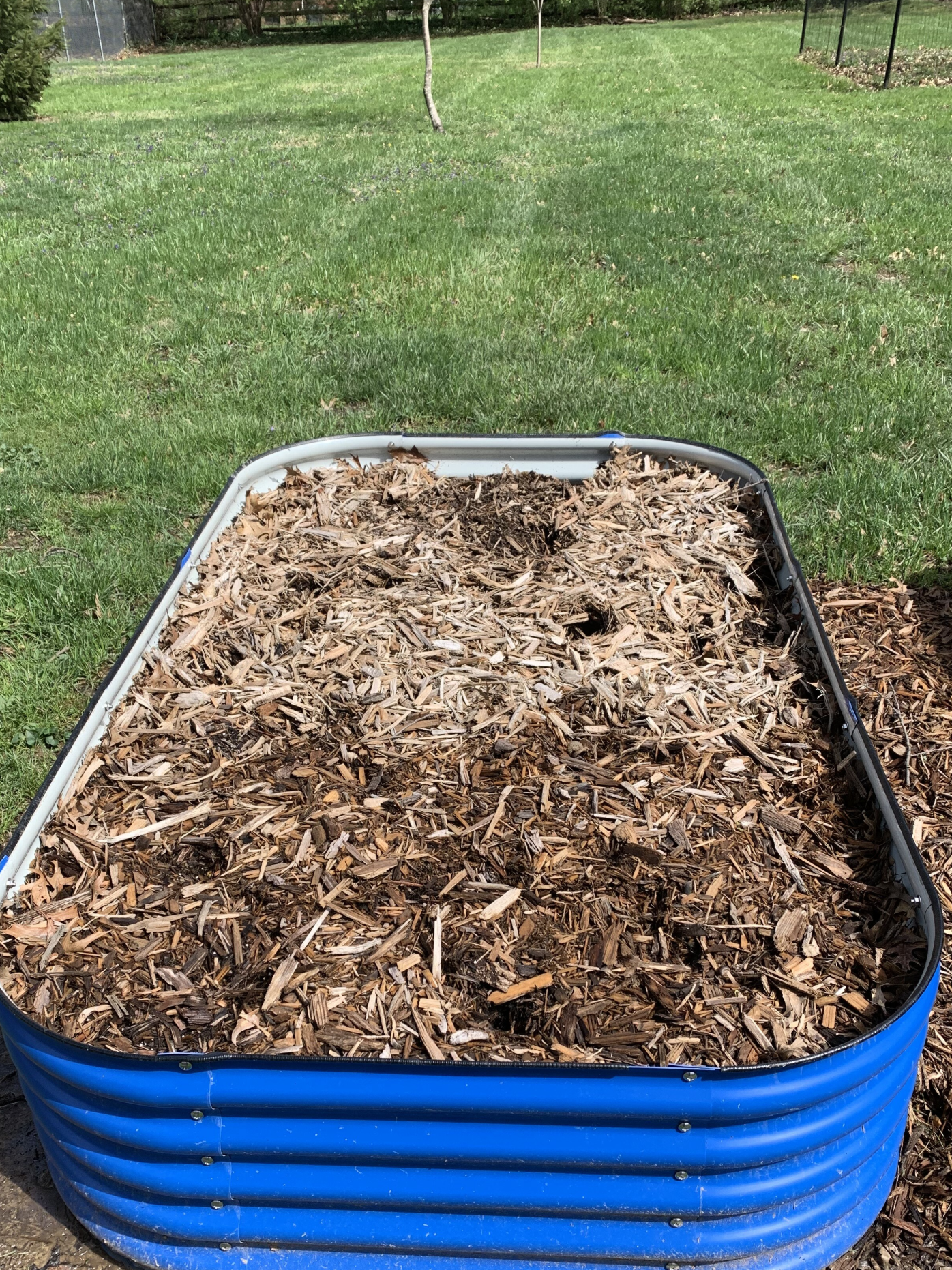
A new bed awaiting its new native plants.
The birds are loving this newly-planted bed
Homeowner plans to turn this messy beds into beautiful, deer-resistant gardens with some native plants that attract pollinators.
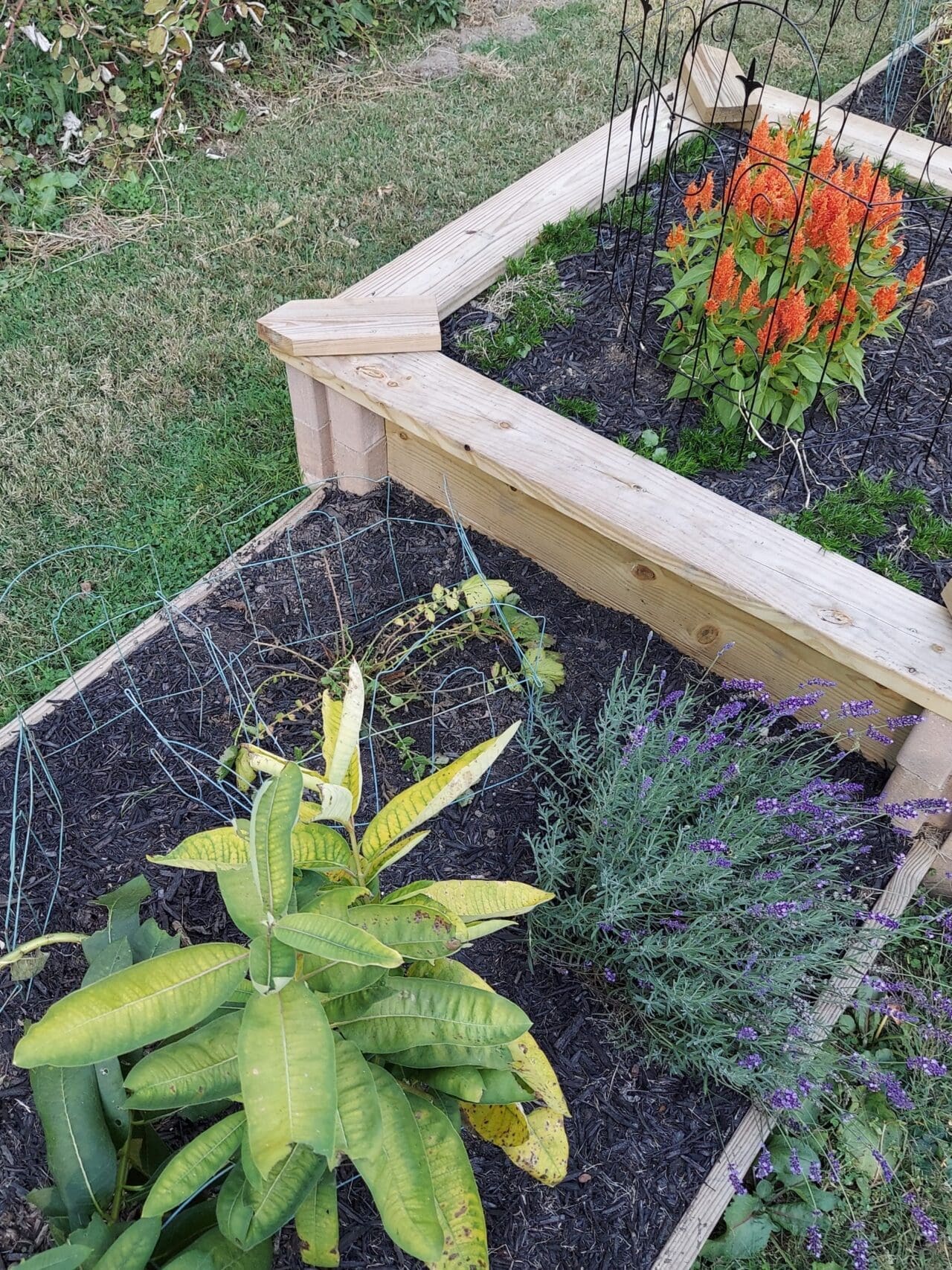
Lovely rebuilt beds supported milkweeds which were monarchs-loved, along with creeping phlox, and a few others non-natives for color and interest. As plants fill in and develop, this is sure to be a prime spot for bees, birds, and butterflies.
Converting vegetable garden to flowers to attract more birds on this property owner’s site.
This shade garden saw some bloomers, but not as vibrant as desired. Modifications will be made for next year.
Another anise hyssop will be added to this perennial garden.
We are not always successful as gardeners. The anise hyssop that was added here did not survive. These plants can be tricky and require a lot of sun, dry conditions, and limited overcrowding conditions.
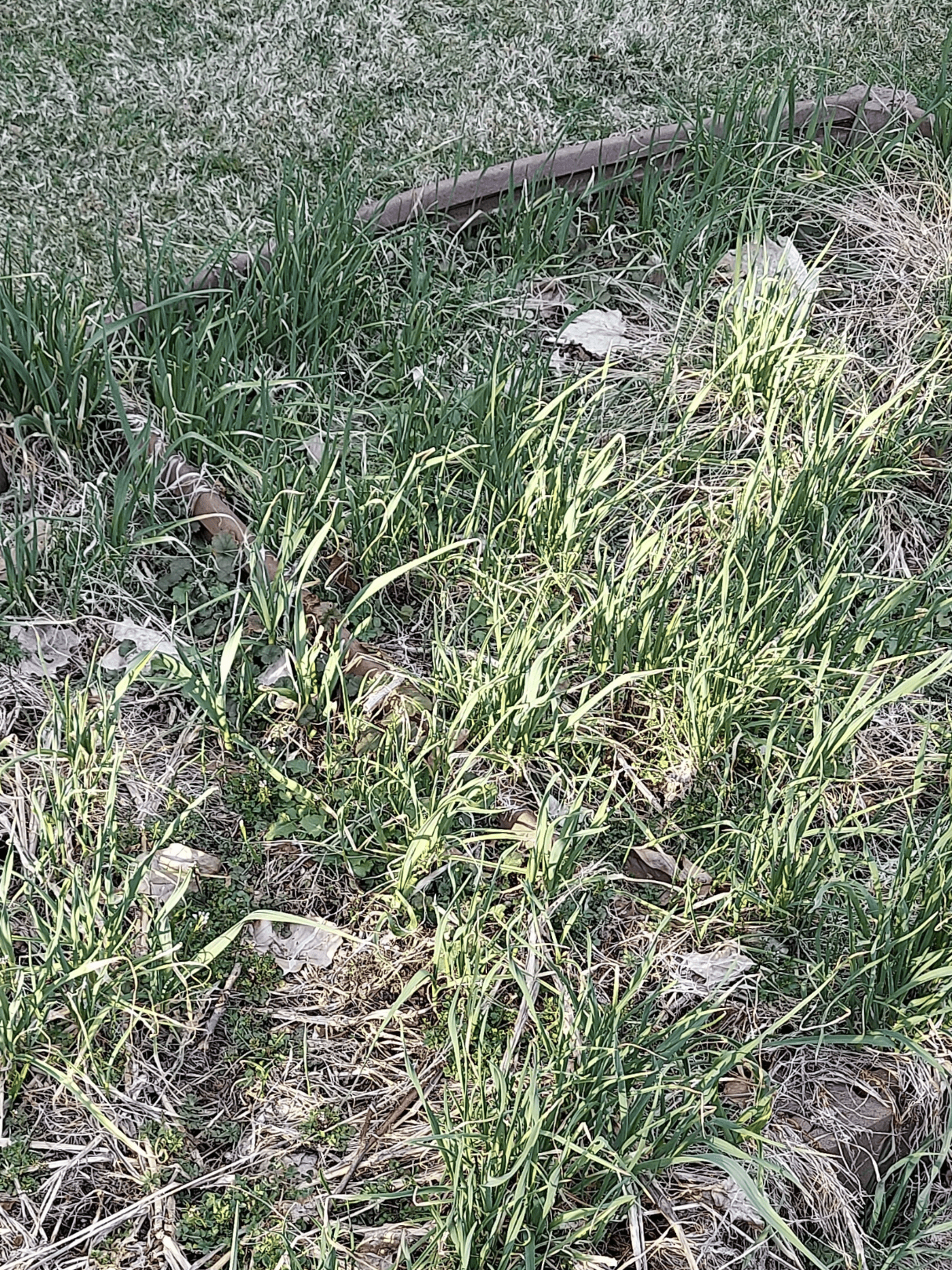
This daffodil bed will get some additions to make it more beneficial through the growing season.
New native plant additions are “sleeping” and likely to take off next year.
This property wants more varieties of birds in the yard. They are adding shrubs with fall berries.
The shrubs are settling in nicely to this spot where birds are often nesting. New foraging resources for them!
Wild geranium will be added between the small tree/shrub and the columbine.
Plants are establishing well and sure to come back bigger and flowering next year.
This property owner is adding and replacing plants for birds and butterflies.
Property continues to add and replace nonnatives for natives to support birds and bees. These newbies are growing well.
Property will make plant additions that feed birds and butterflies.
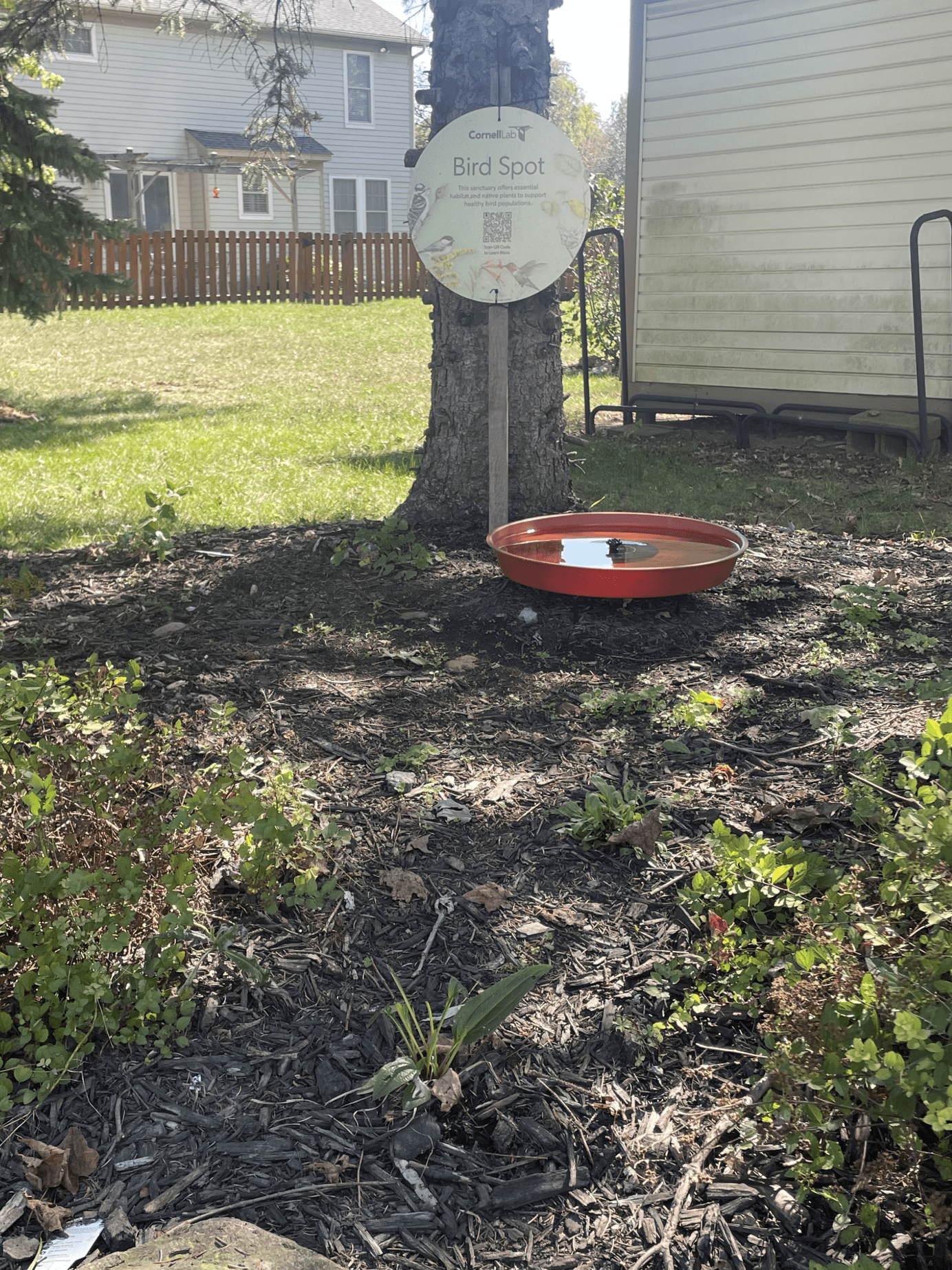
Fresh water and some new establishing native plants will make this a vibrant bird spot.
This rural property wants to keep the natural heritage of the land. Native, compact bushes and/or ground cover such as wild bergamot will be added.
Three petunias and three milkweed were victims to bunny nibbles. Hopefully they will come back next year.

Remaining Before Photos

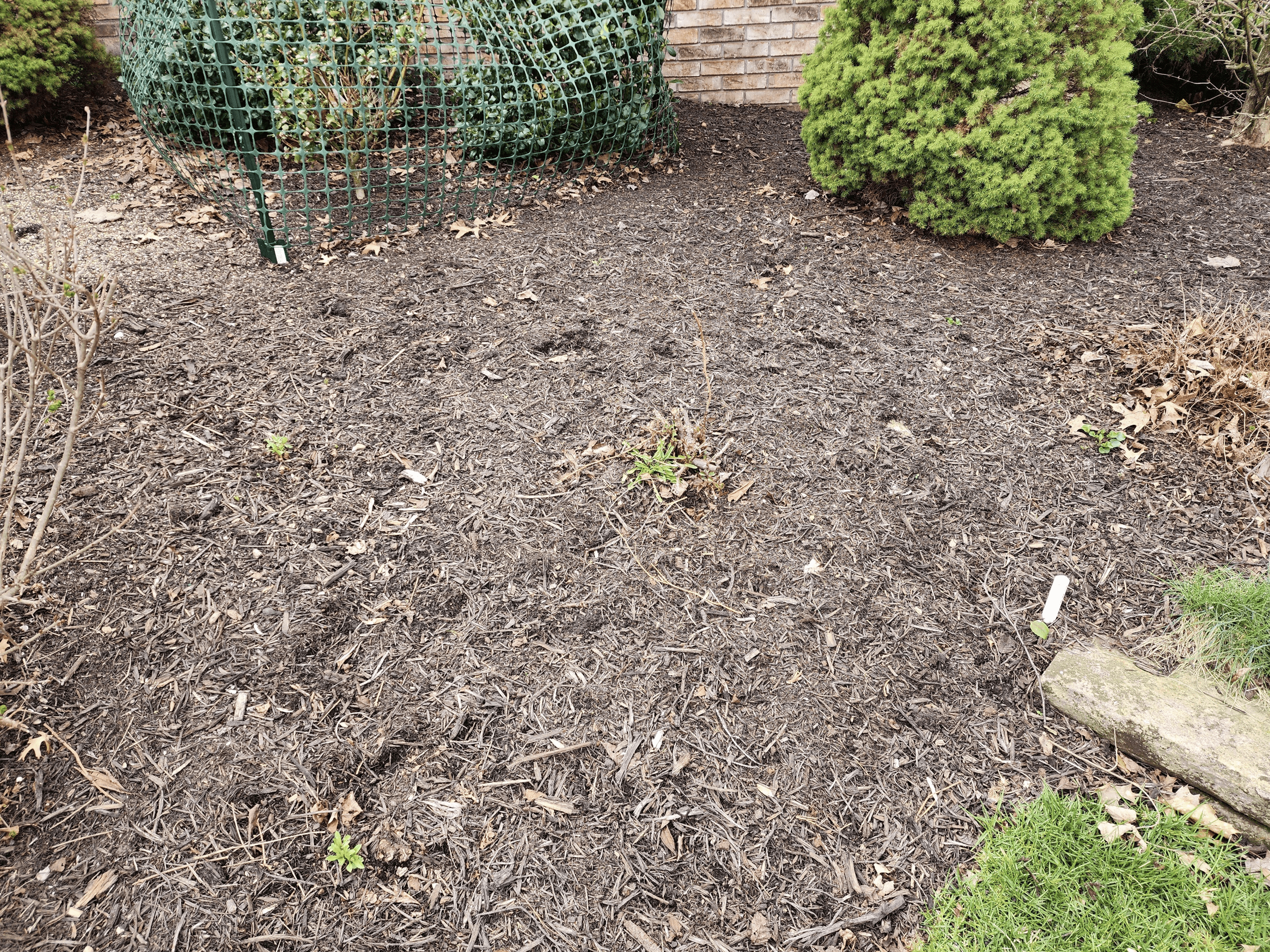
This bed is going to have a “native-plant-make-over”.
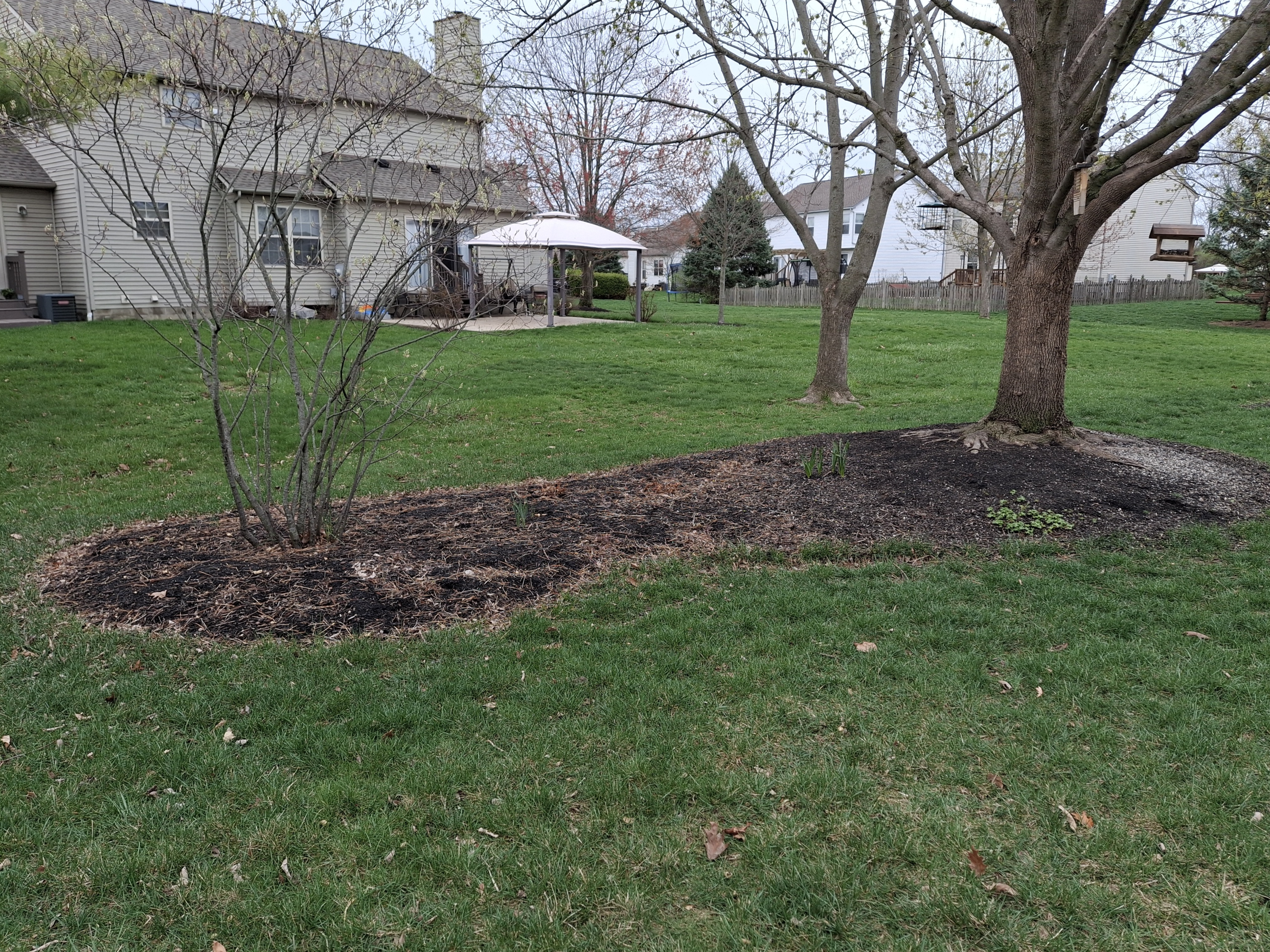
These beds will have natives to attract more birds.
Native plants will be added to this spot to support pollinators and birds.
Property owner wants to attract birds and support pollinators to their front yard.
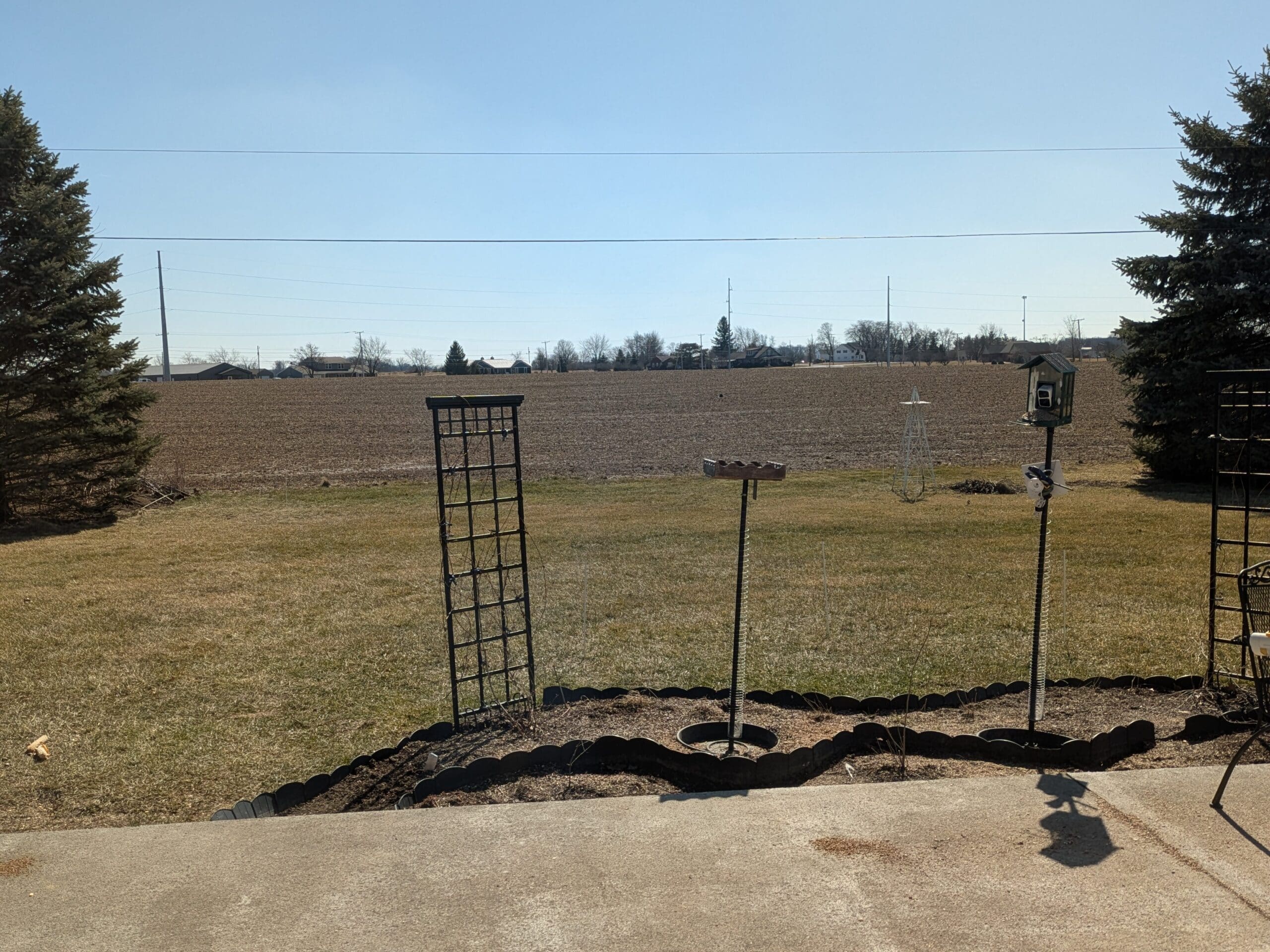
This property owner is adding natives to reduce the lawn and provide other resources near their existing feeders.
This homeowner is already doing a lot for birds. While working on this corner they decided a water feature would be another addition to make with some new native plantings.
Yard will get some native plant additions to accompany their bird feeders.
Homeowner is planting native berry trees and a pollinator garden.
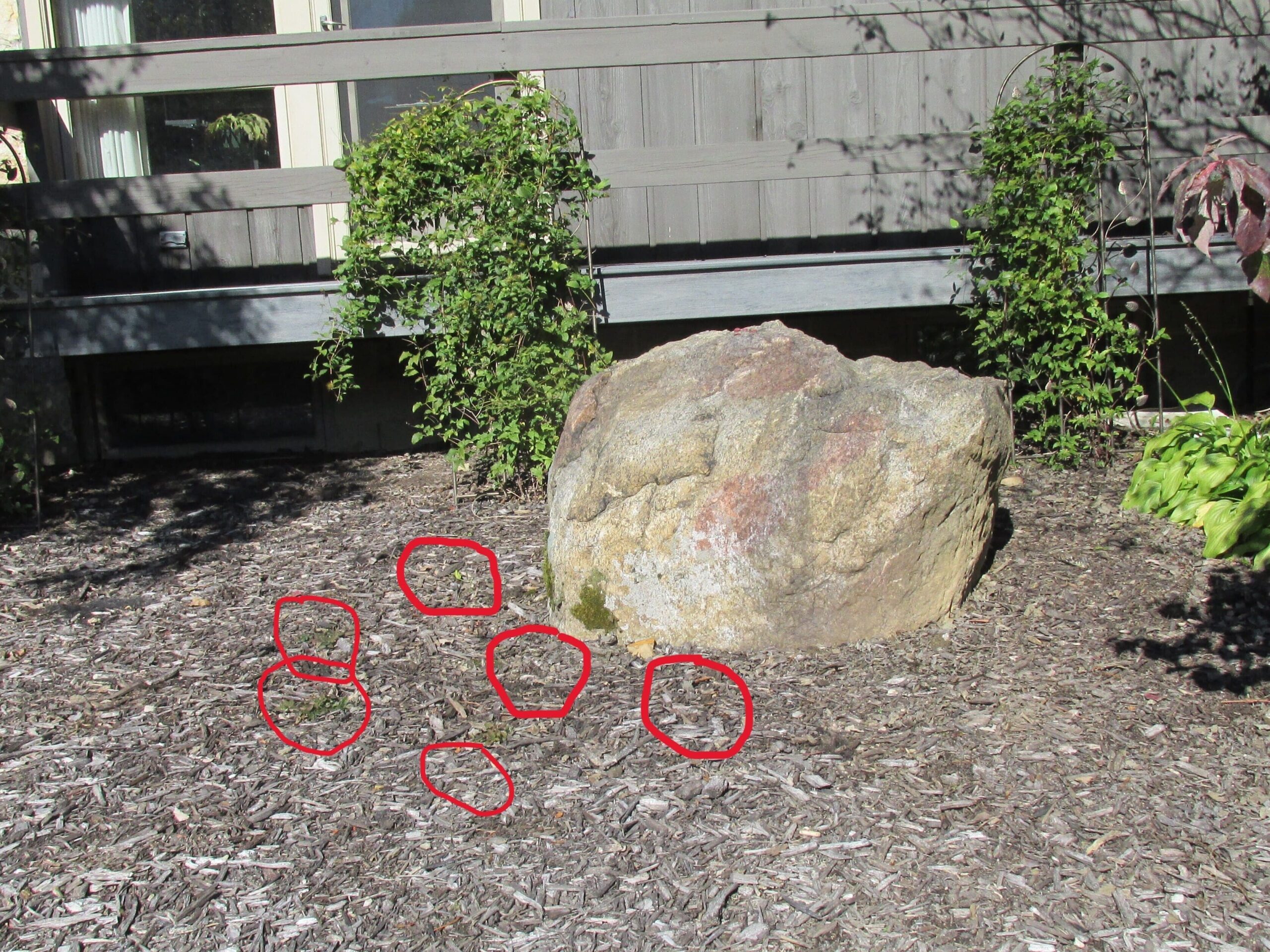
Several species of natives and blue eyed grass will be added to this spot.
This homeowner is new to the region and wants to learn what natives they can add to help support birds.
More native plants were added to this garden to help birds and insects.
Homeowner attended a conference on planting for pollinators and will add to this spot. Woodland Phlox, Hairy Mountain mint, wild ginger, and foam flower have already been added in a woodland garden.
Existing beds are being transformed after homeowner consulted with a landscape designer who specializes in regional native plants.
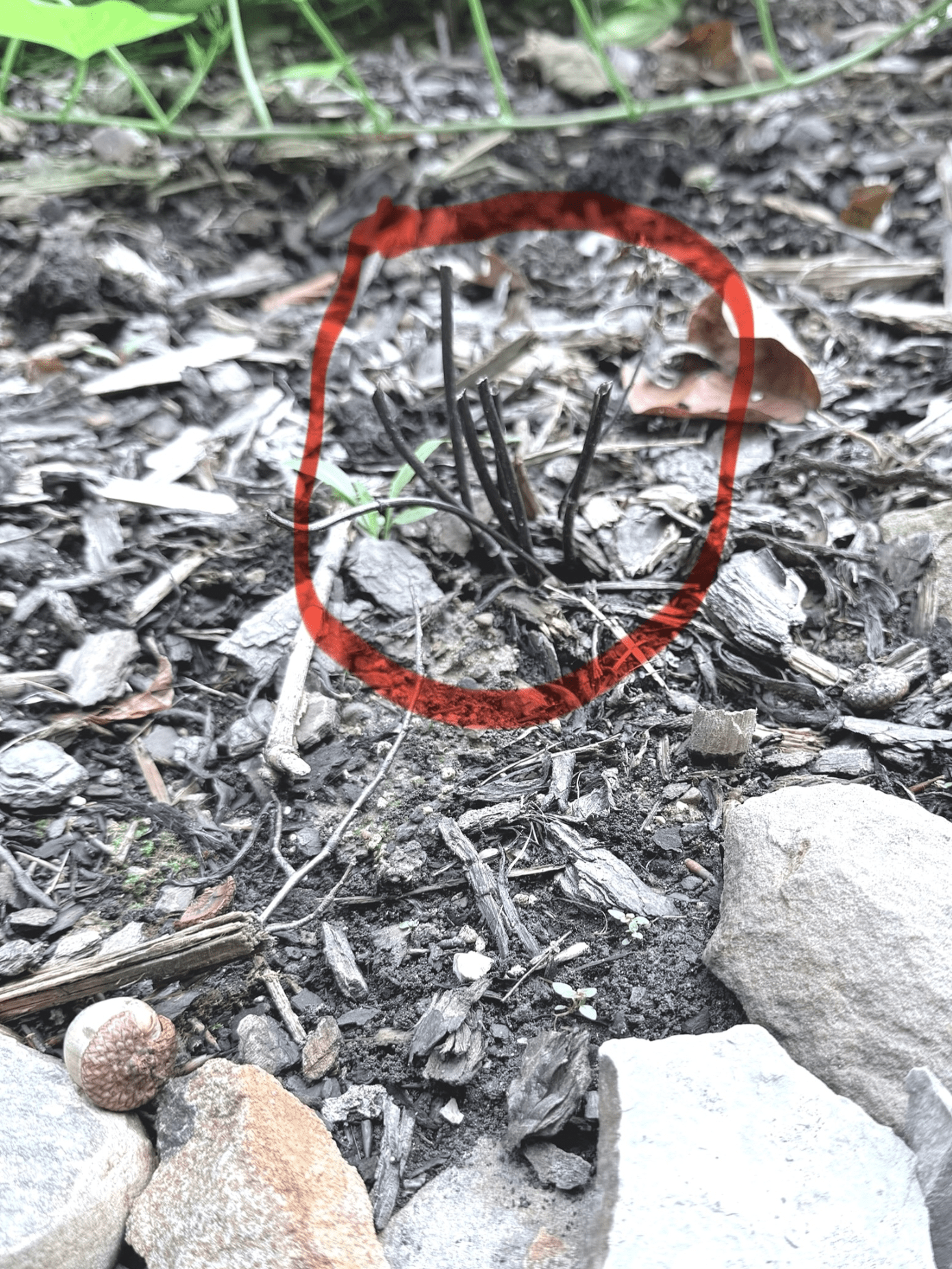
Site where new plants will be added to attract different birds to the yard.
Homeowner is working to attract different birds to the yard with native plant choices.
Birds love this woody over-story for perching, nesting and foraging. Native plants will be added in the understory to support them further.
This property is near the metropark with a a creek close by. The goal is to continue to add plants that support birds and invite more into the yard.
Farmer wants to increase native plant offerings to encourage more birds to visit.
The mower died and the new homeowner bravely took on the challenge by creating a meadow habitat after learning about Benjamin Vogt’s work.
This property started planting with natives years ago. Each year things are moved and added to increase biodiversity.
Courtyard with feeders and happy birds would like to add plants for them, too.
More plantings will be added to this yard to attract a greater diversity of birds and insects.
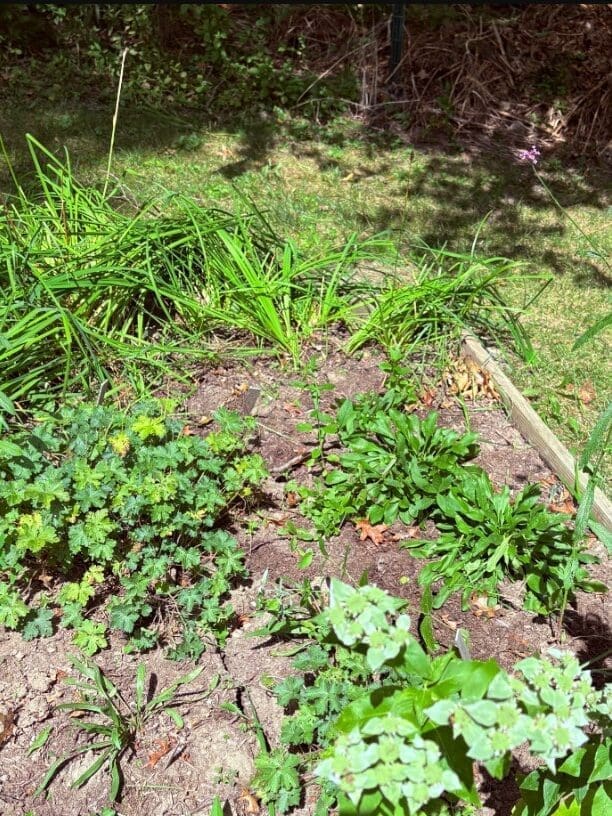
Fresh earth for some new native plant additions.
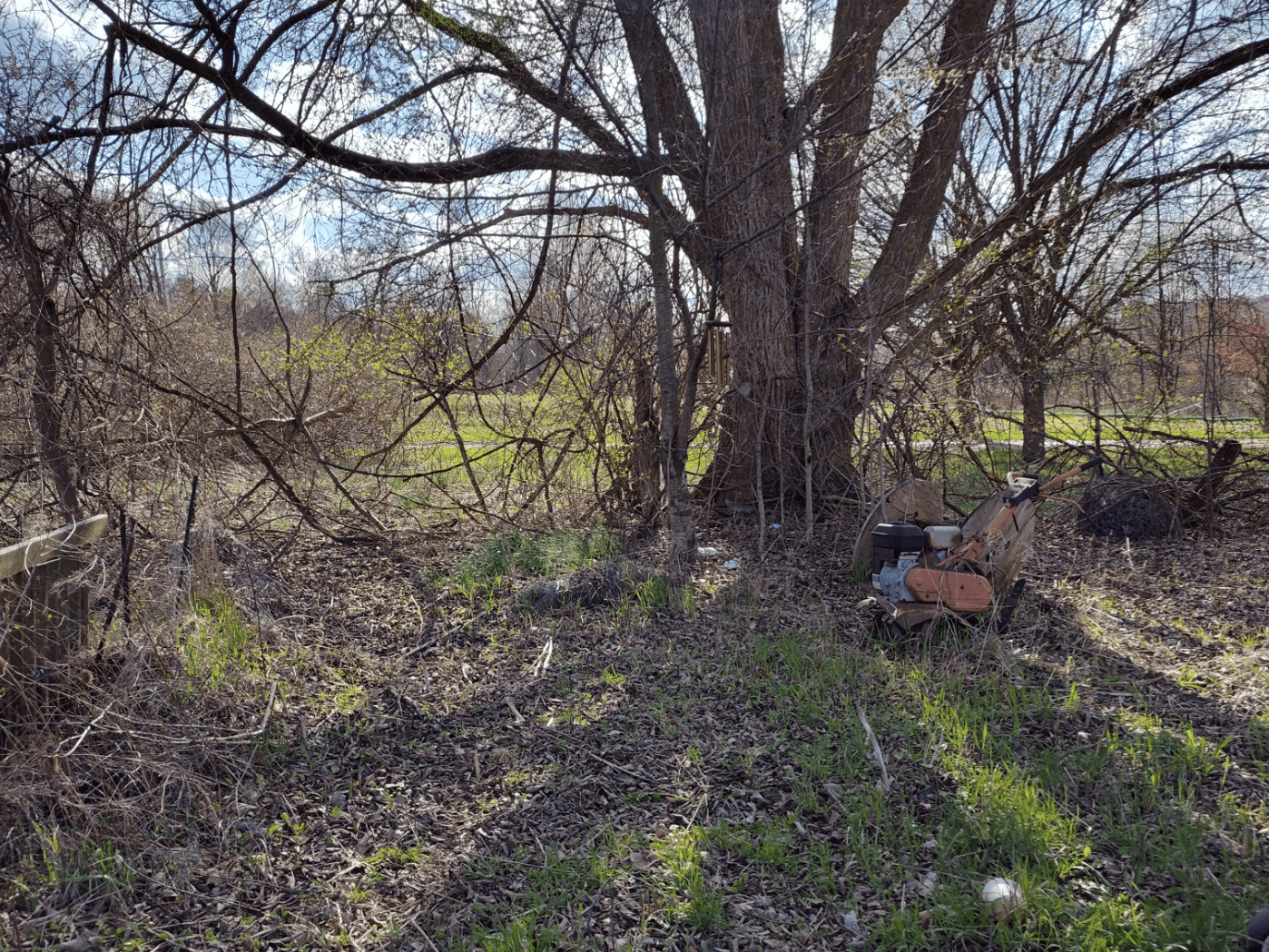
Spicebush seedlings were planted in the fall (see cages). Homeowner wants to quit mowing the back half of my back yard and start filling it with native plants.

Stay connected to the Great Backyard Bird Count.

By subscribing to stay connected to the Great Backyard Bird Count, you agree to receive communications from The Cornell Lab, Audubon, and Birds Canada. You may unsubscribe from any of the organizations' communications at any time.