

Ontario 2025

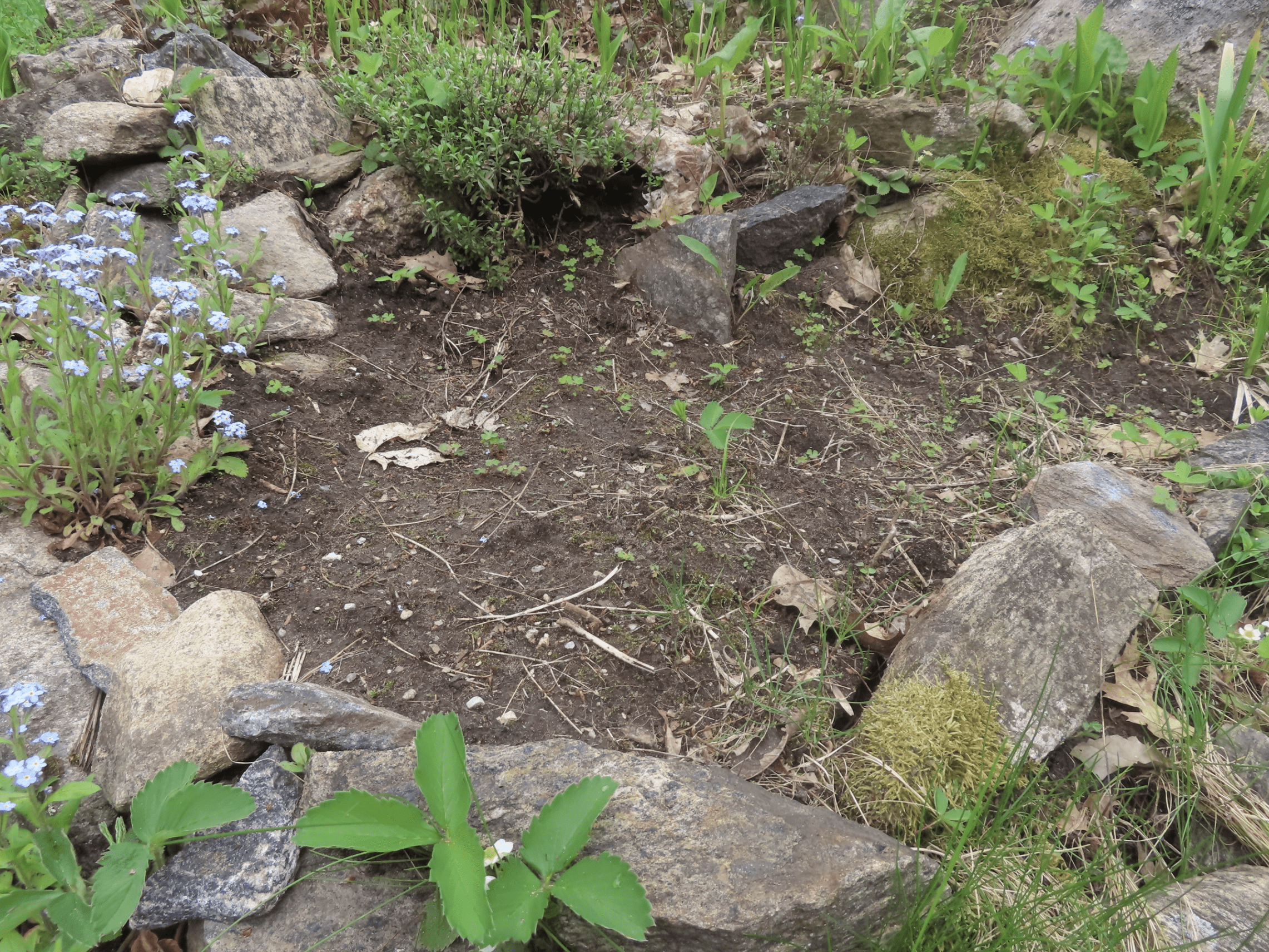
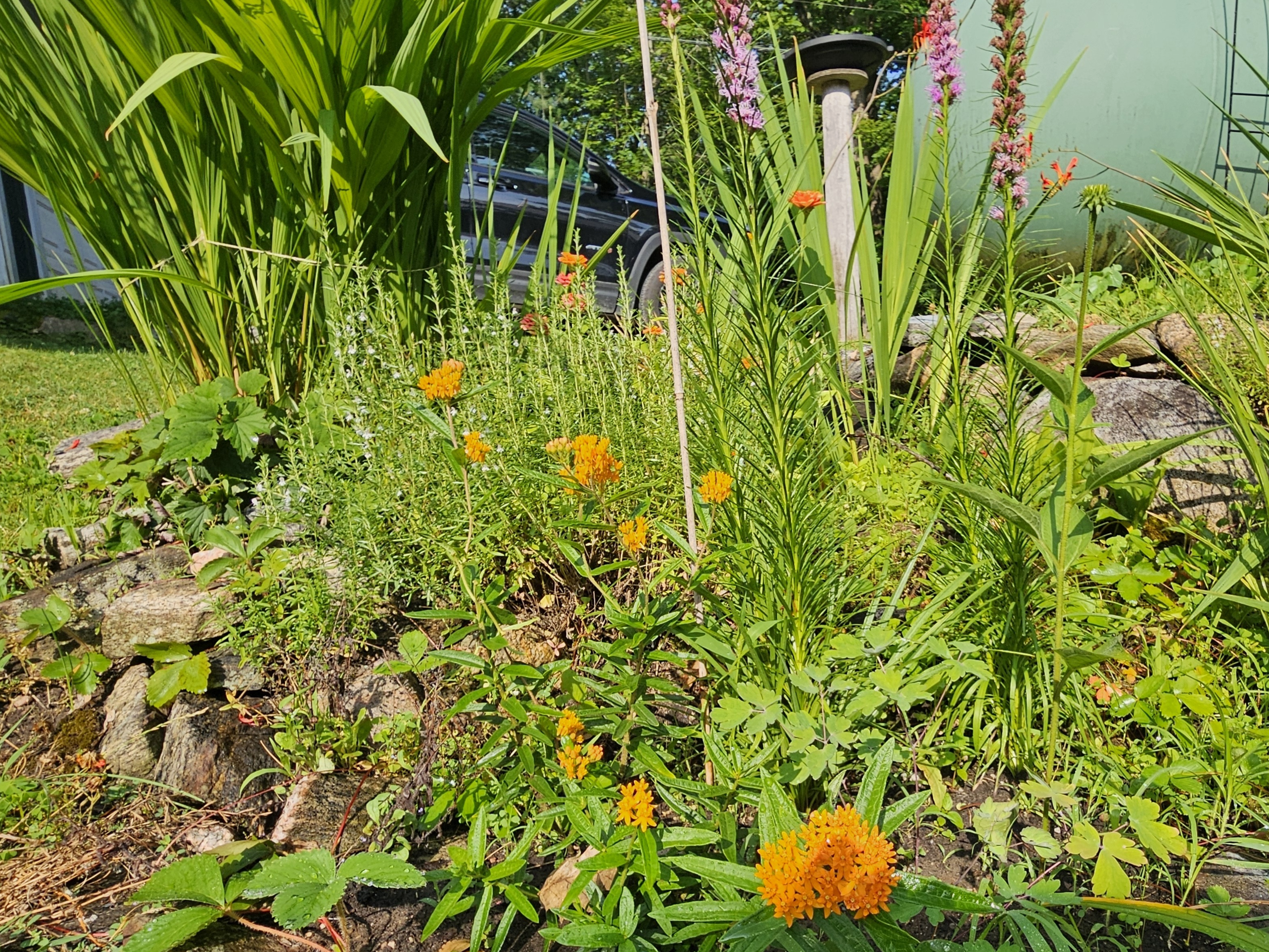
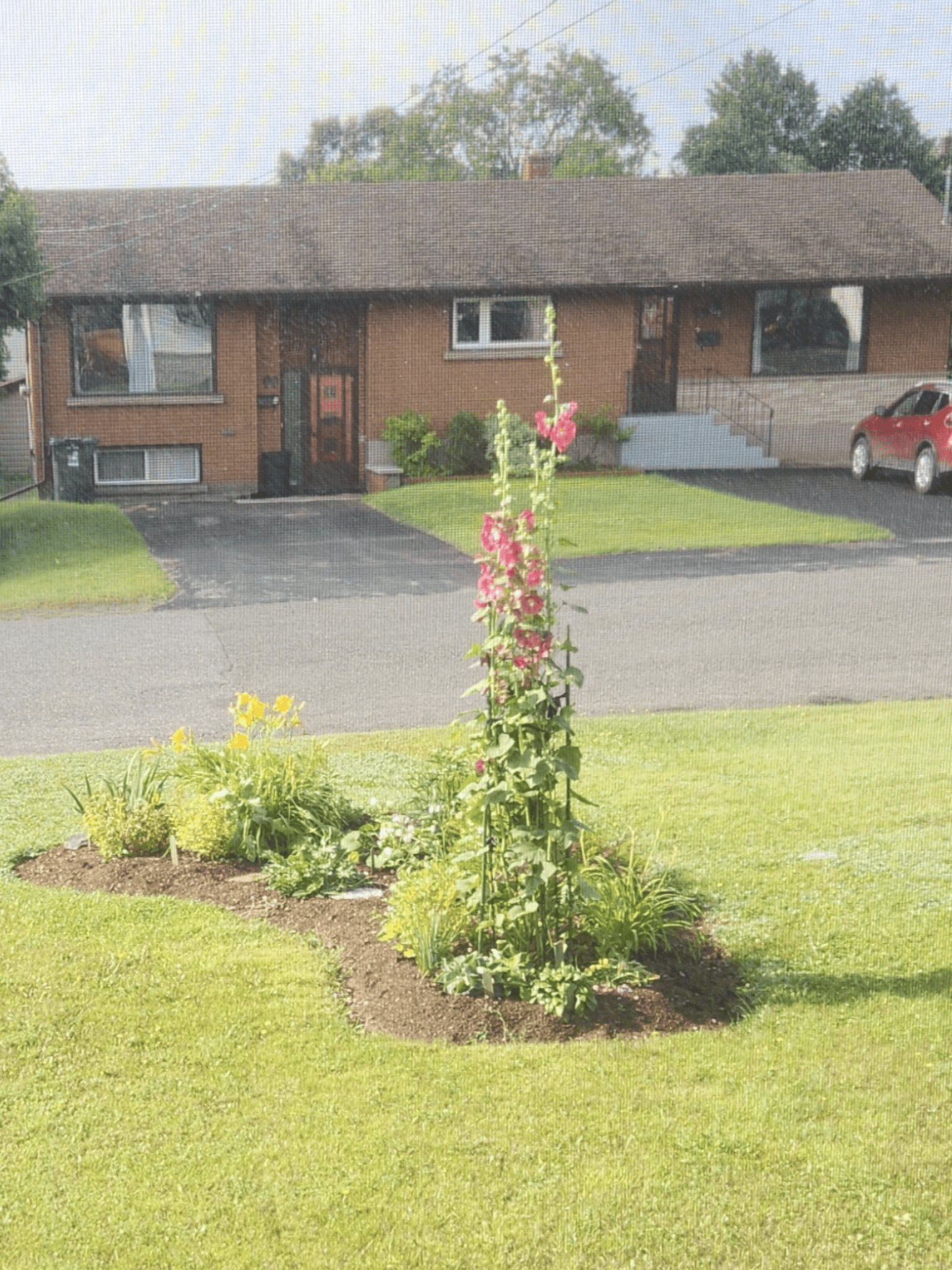
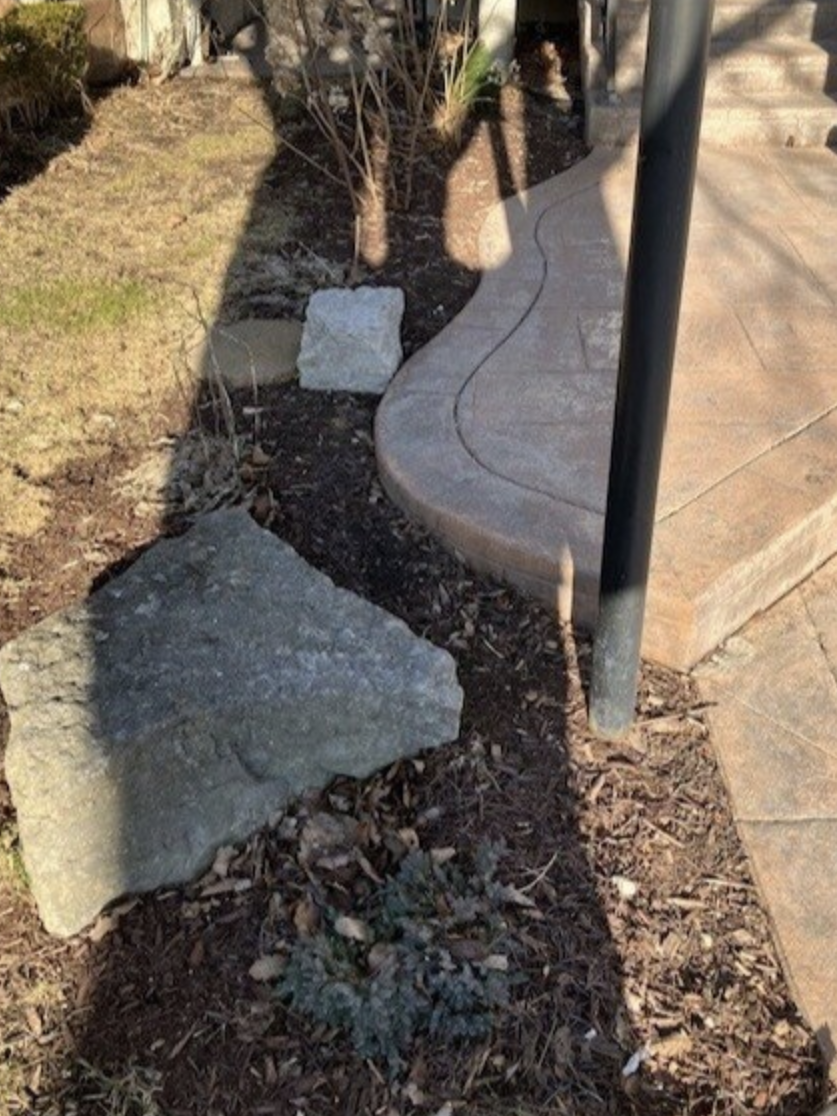
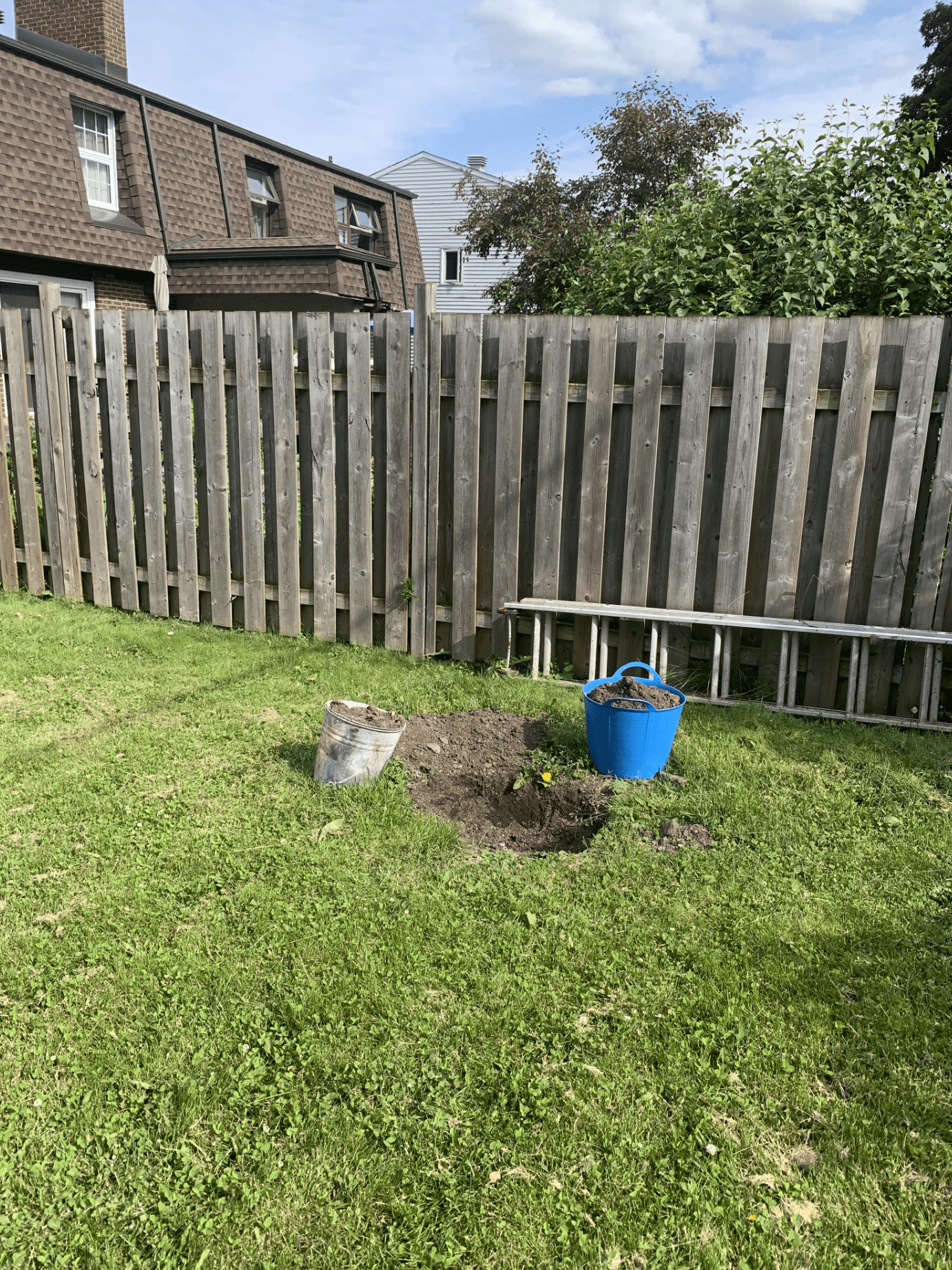
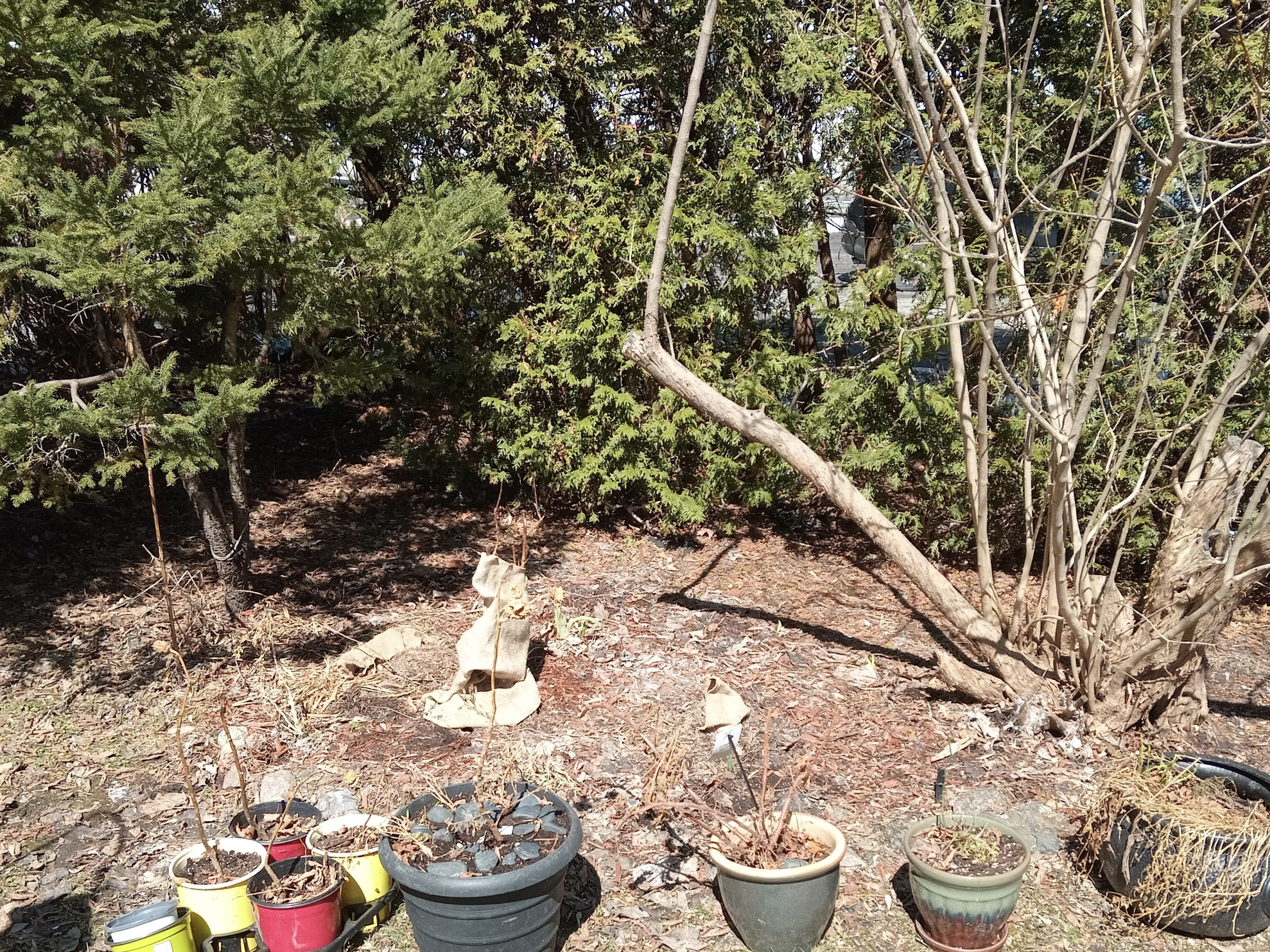
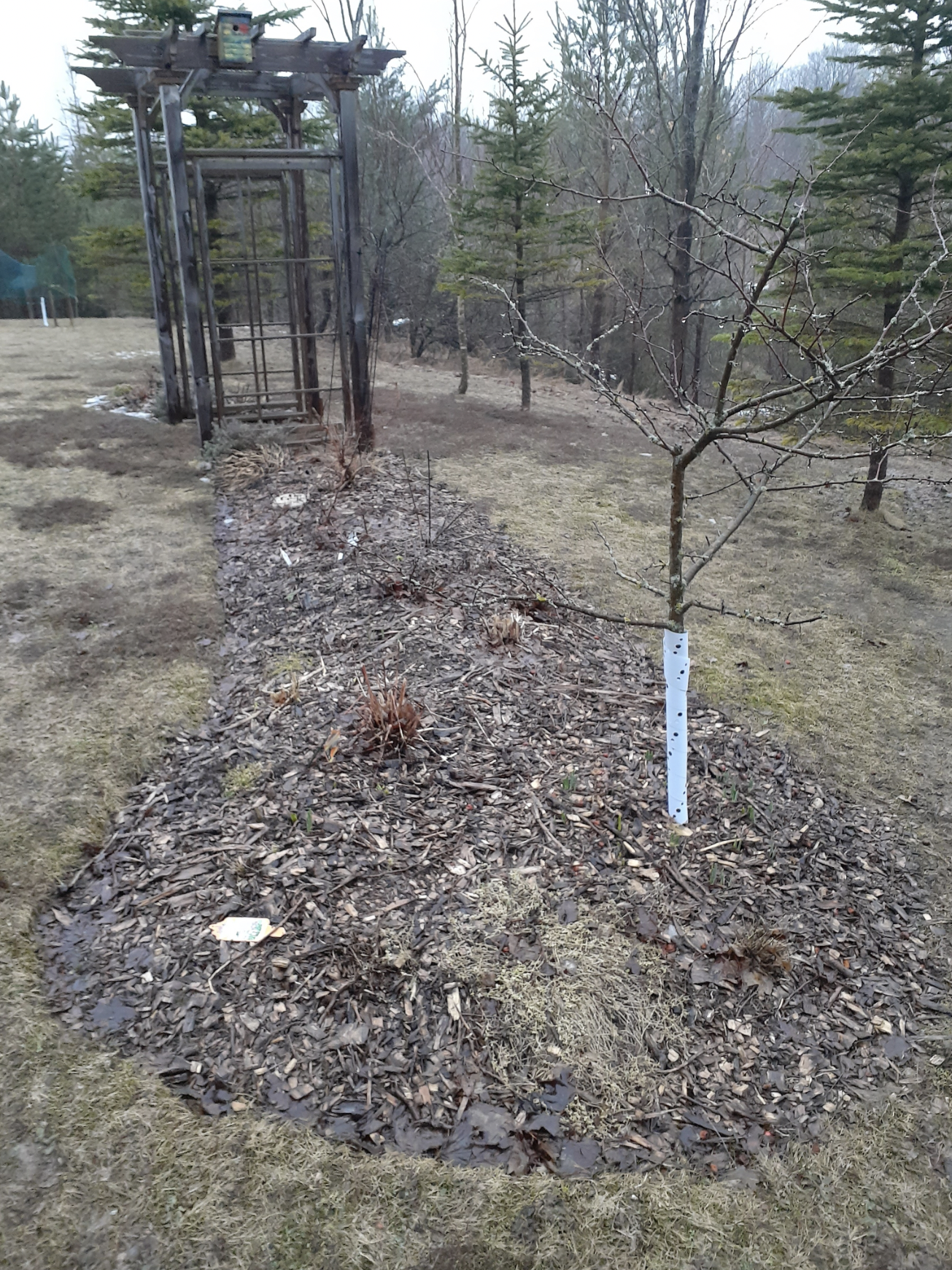
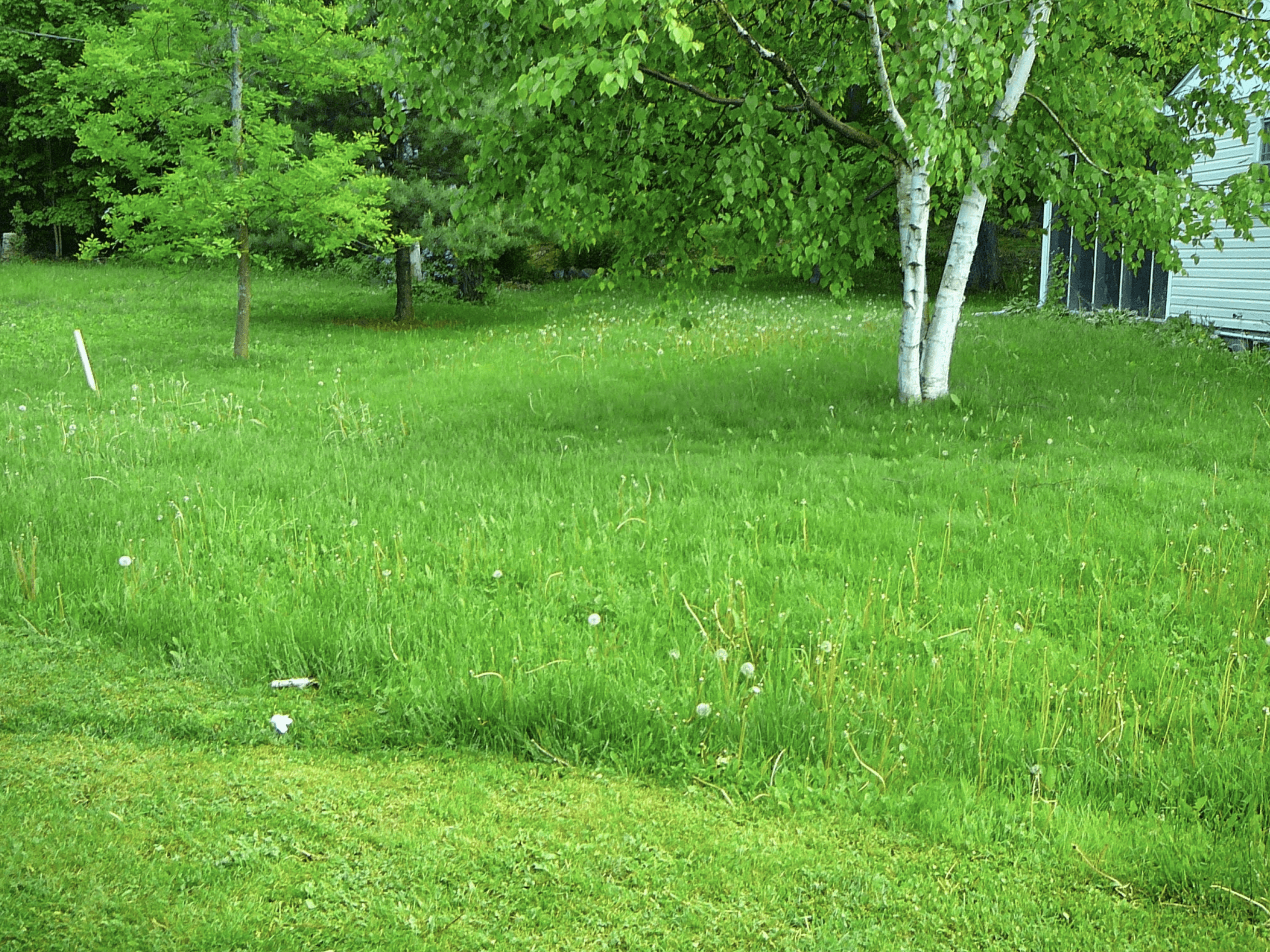
Before

After
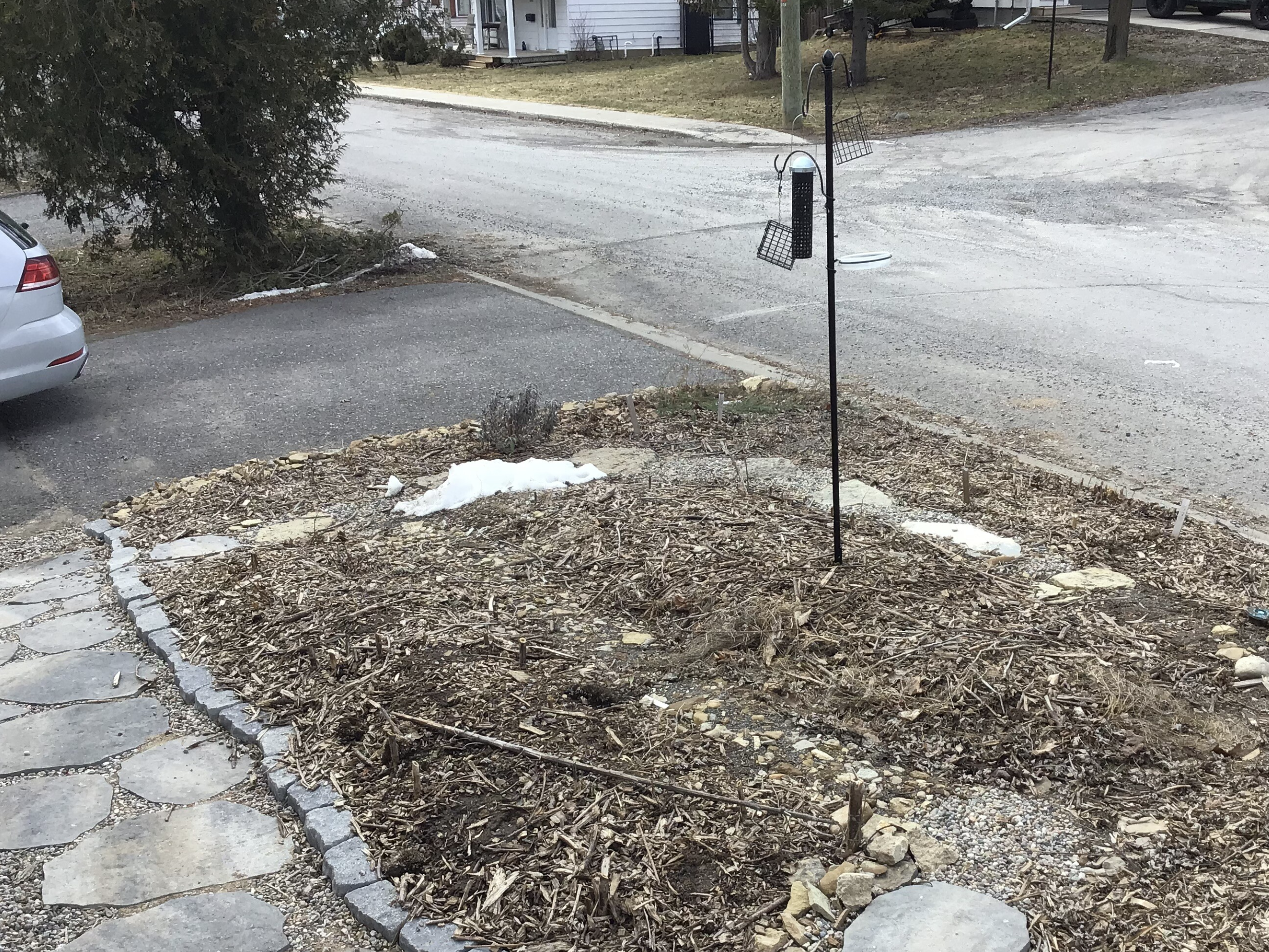
This property will integrate native plants into their beautiful gardens to help biodiversity and birds.
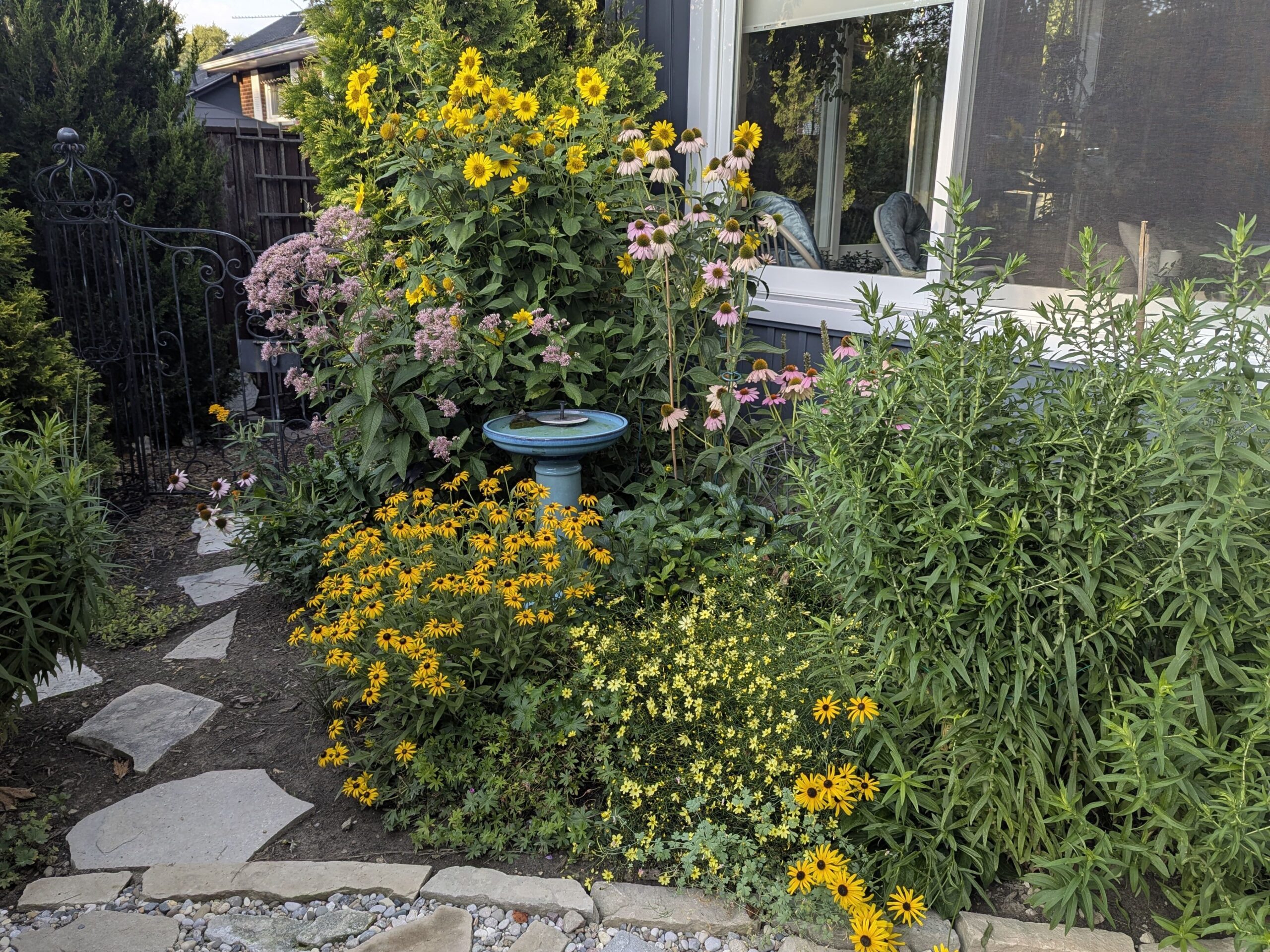
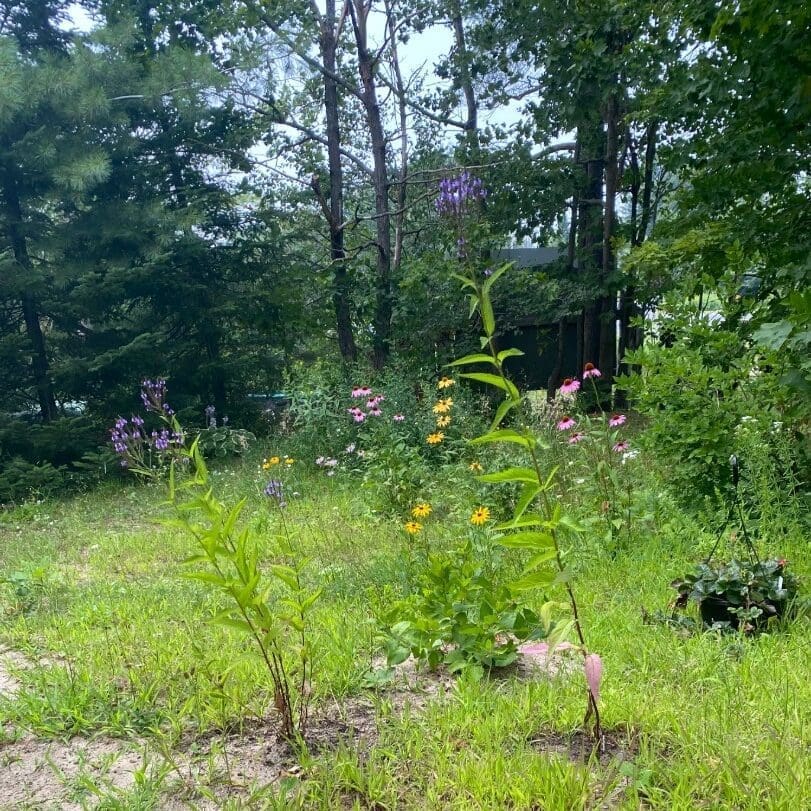
New plants attracted a variety of pollinators and the goldfinch have been happily foraging on the seeds.
Homeowner is adding more native plants to encourage pollinators and create balanced ecosystems for insects (which is helpful for birds.)
It comes as no surprise that this garden reported seeing/hearing more birds and pollinators than ever before! What incredible diversity and layers offered here. They believe some of their problem pests (such as earwigs) are being balanced by increasing biodiversity.
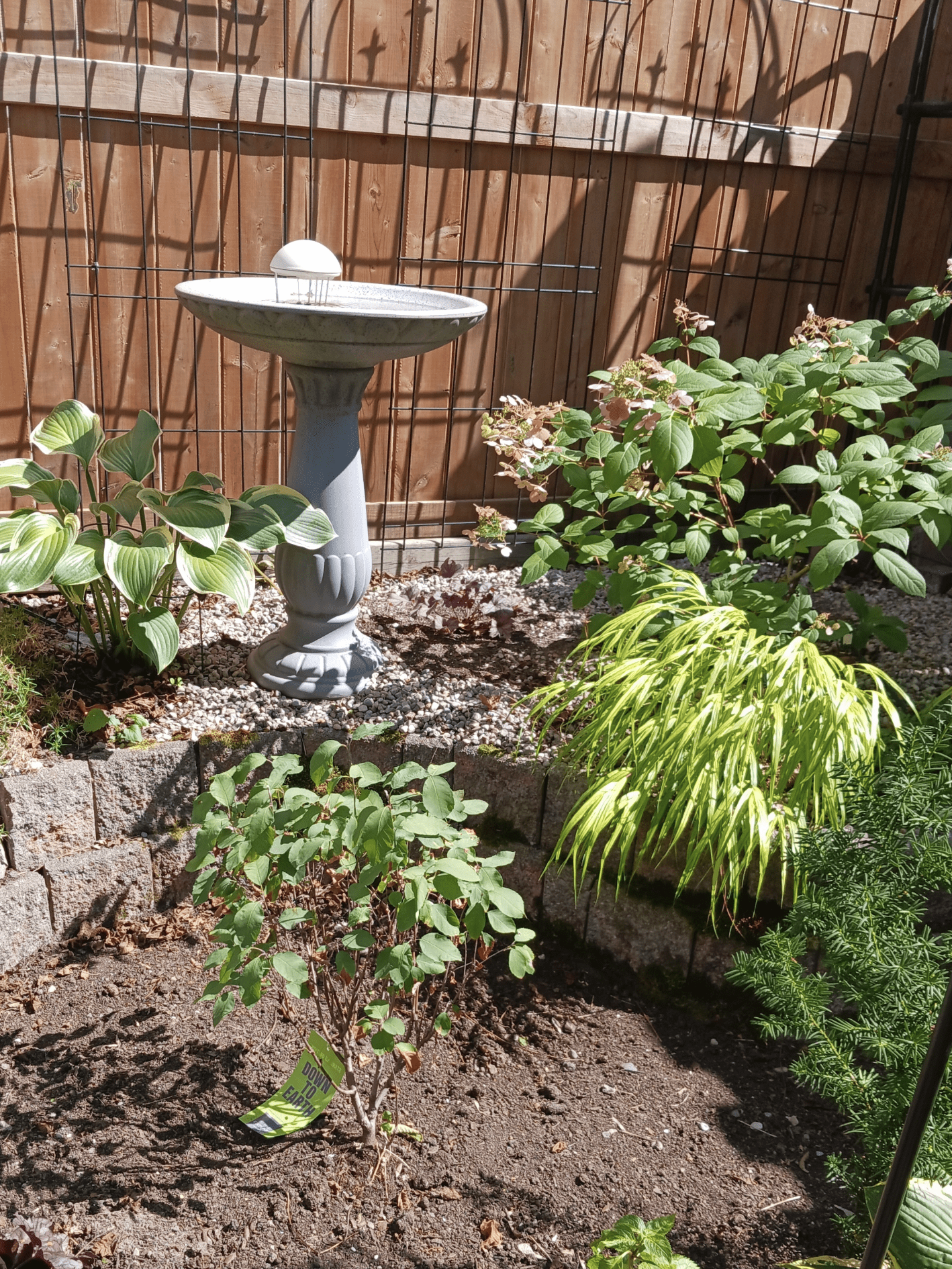
A serviceberry will be added to this small space to help birds.
Garden and water feature are establishing well and sure to make several pollinators and birds day!
Homeowner is continuing to add natives to unused corners to support pollinators and birds.
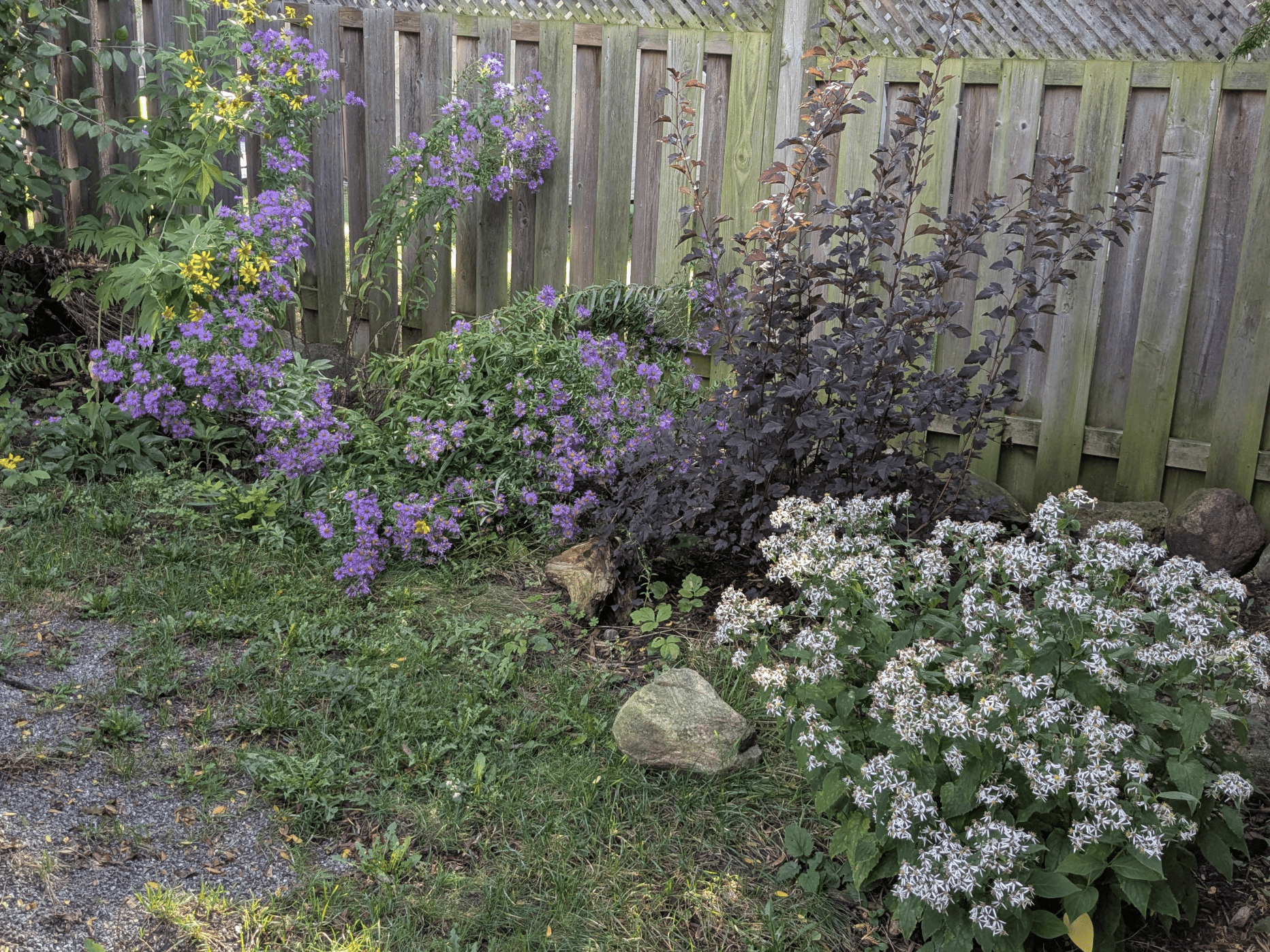
This part-shade garden saw additional asters, coneflower, and bee balm attract lots of bees, supported nesting American Robins, and a Northern Flicker was seen on this site after being absent for many seasons.
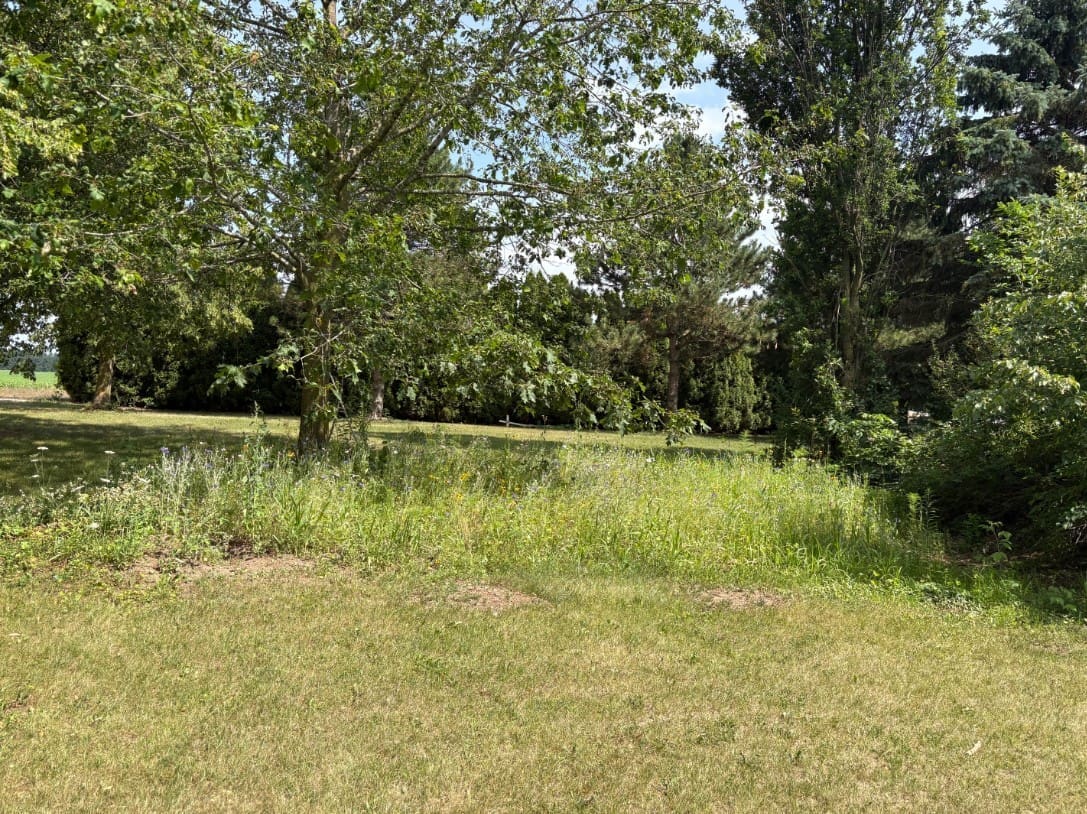
In this spot, owner took out a nonnative barberry and will be adding a ninebark.
New natives thrived and more bees were noticed while goldfinch enjoyed foraging in these gardens.
Lots of potential in this sunny site to plant for birds and biodiversity.
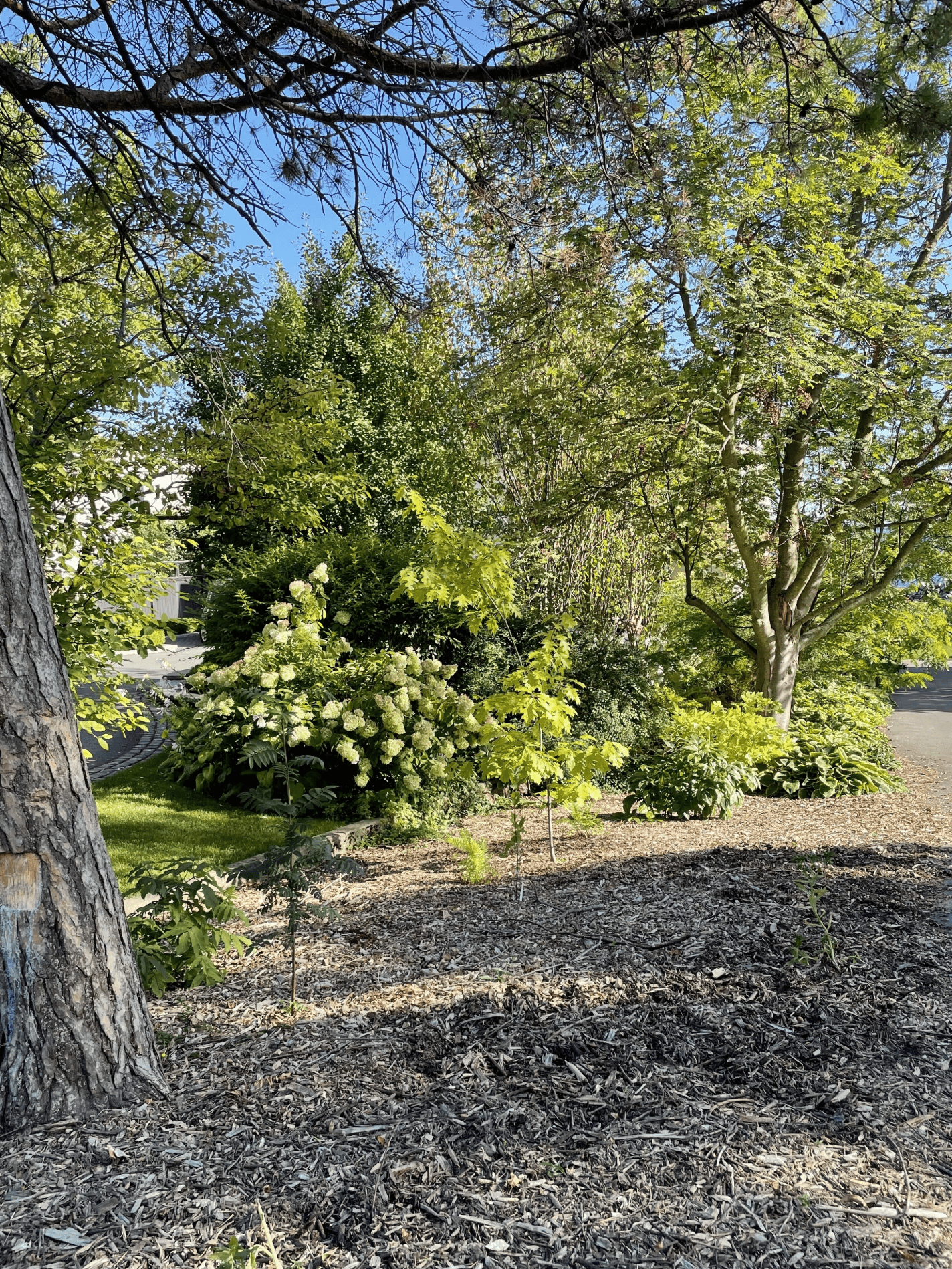
Lovely garden provides an excellent native plant soft landing under this tree while also is feeding a lot of resident pollinators and birds.
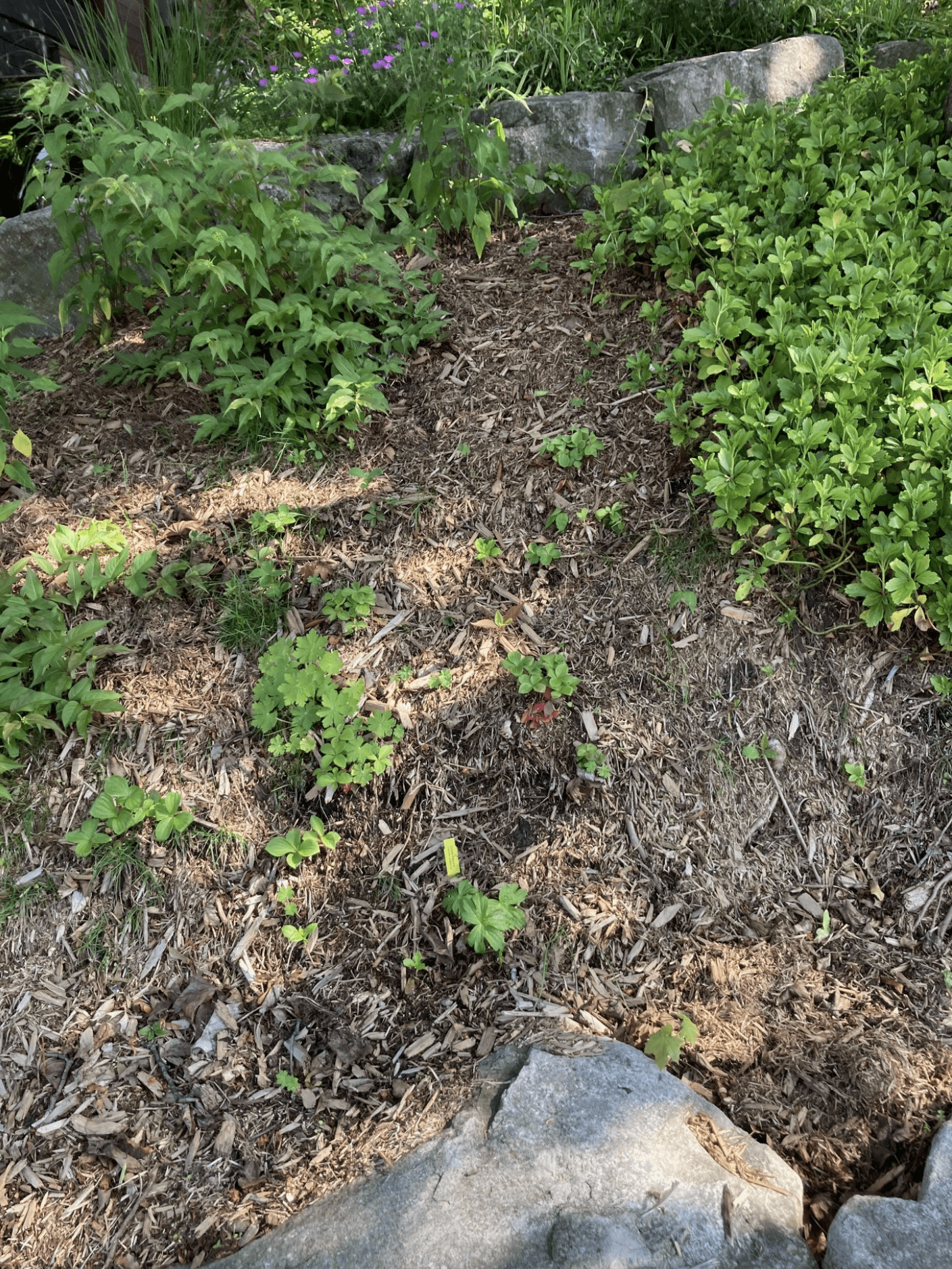
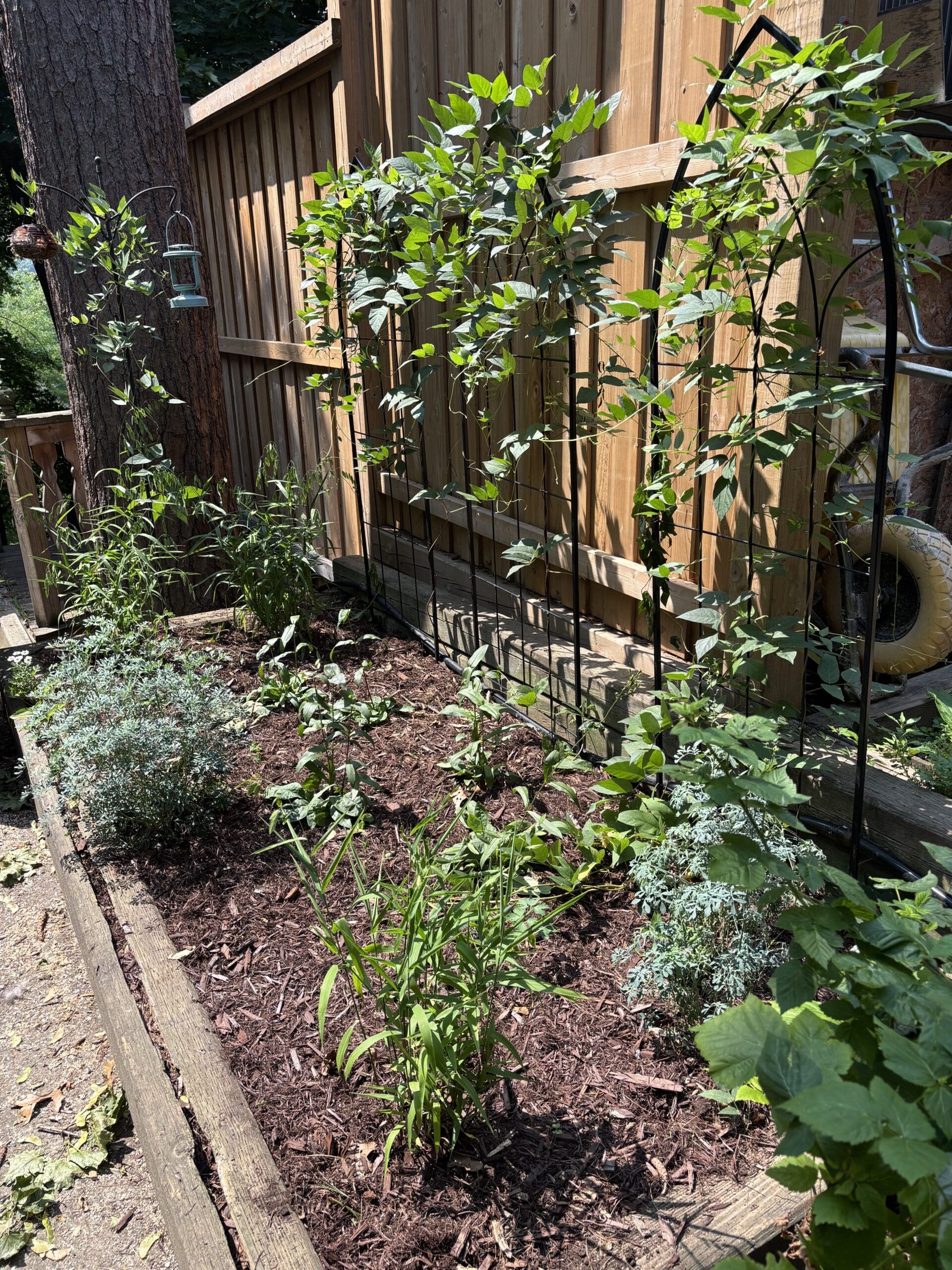
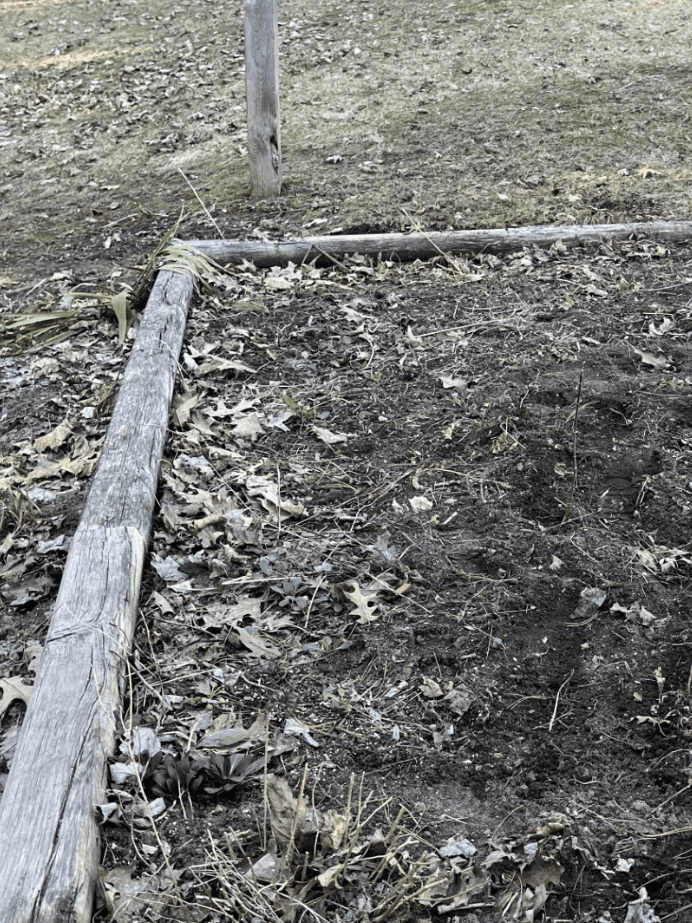
This urban raised bed is in a sandy shade spot. The plan is to add grasses, foxglove, columbines, and cranesbill.
The oats gramma did well and the foxglove is establishing. Columbine grew but died back ad grew again–likely will bloom strong in the spring. Shade garden is coming along and hopefully the birds explore it more next year.
Homeowner is adding natives to front garden for the birds and kids to enjoy.
Birds love these new additions! Goldfinch, chickadees and Blue Jays are seen daily in this patch.
Nonnatives will be removed and swamp rose, wild bergamot, blue flag iris and New Jersey tea will be added.
Other plants were removed, and swamp rose, wild bergamot, blue flag iris and New Jersey tea were added
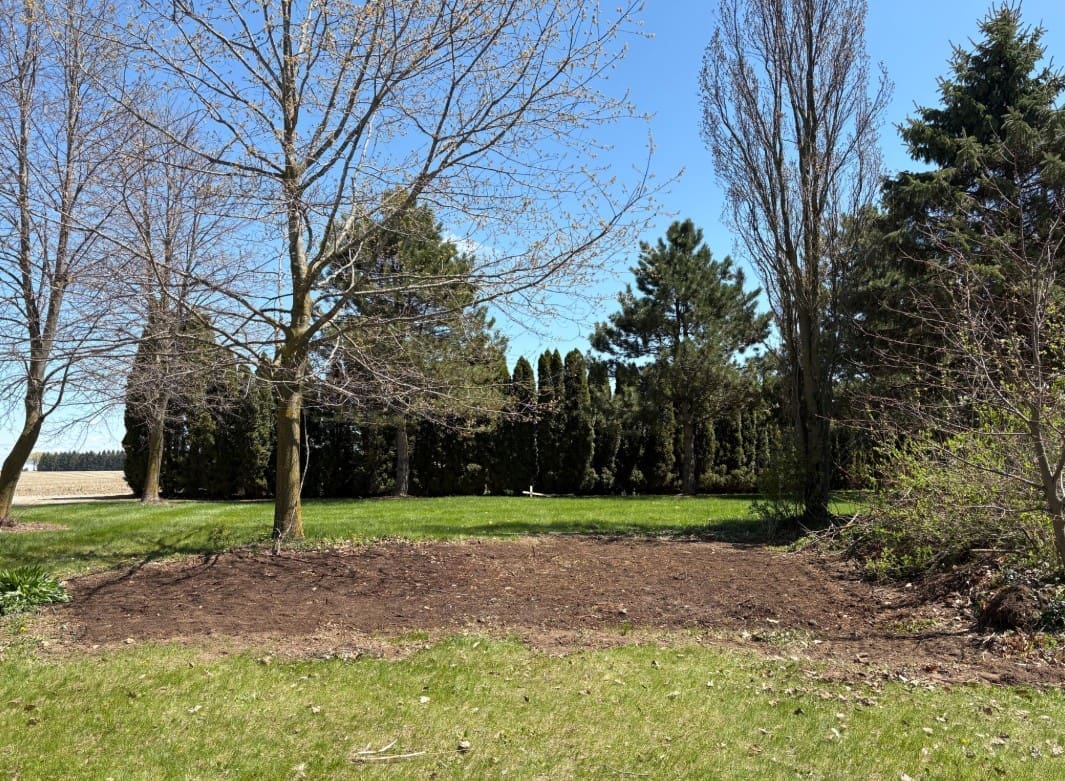
This property is being rewilded from old farm fields. This is a bed over the septic has nonnatives which will be removed and a mixture of native flowers, grasses and shrub will be added.
Coneflower, bee balm, prairie smoke, asters, and anise-hyssop were added. Nibbling deer caused the need for protection.
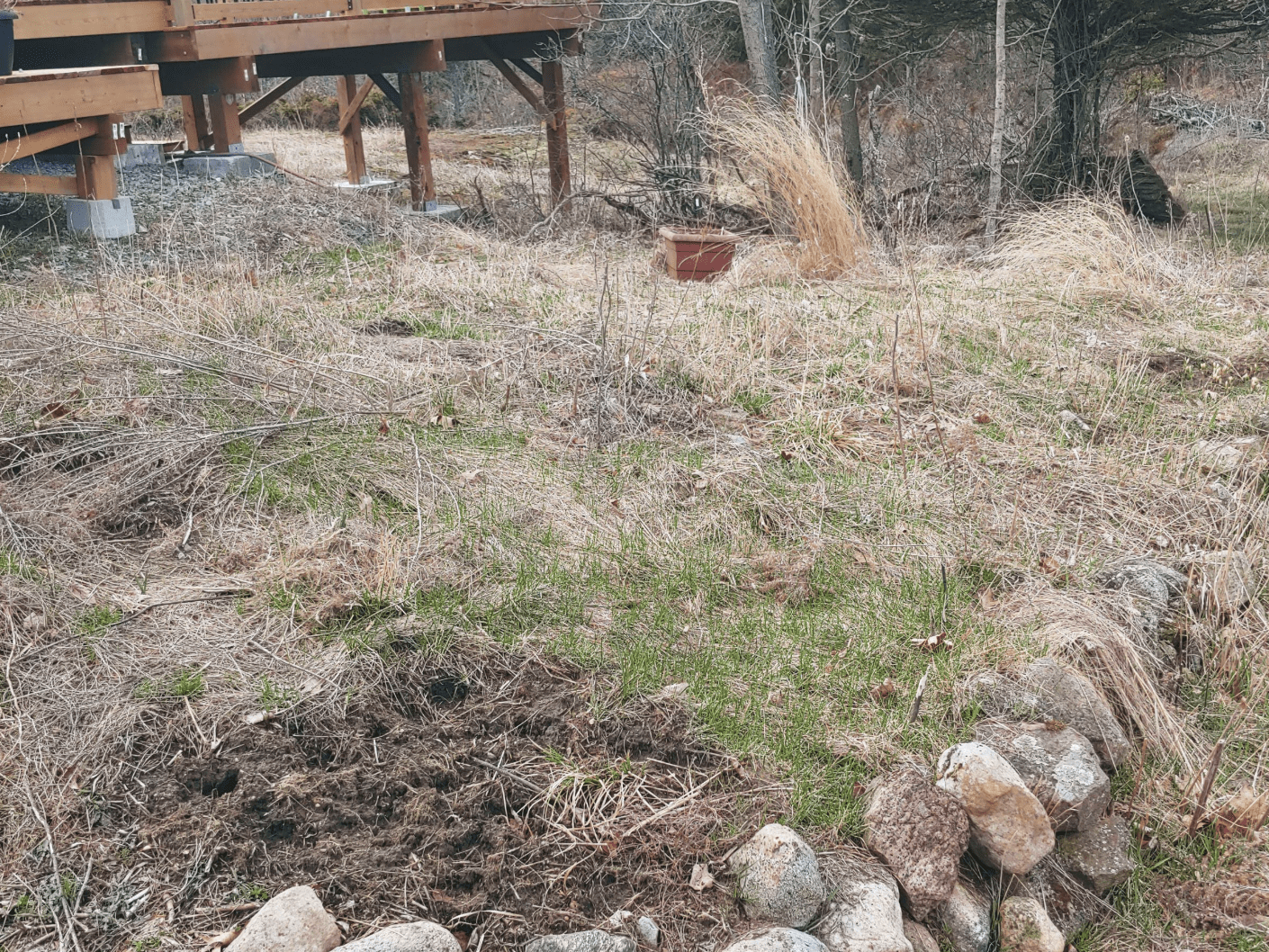
Deck will get some lovely native plants added around it.
Native plants are blooming and thriving creating resources for local birds, bees, and butterflies.
Homeowner is removing lawn create an oasis for birds, insects, and other wildlife.
This property sees so many birds due to their feeders but insect diversity seemed to be increased with native plantings.
Native plants are being added to provide habitat for insects, amphibians, reptiles, birds & mammals.
New natives are establishing well and making this portion of the yard even more habitat-rich.
This yard is being transformed with native plants to add beauty and function.
Lots of new native plants were added resulting in many bee, butterfly, bird and insect visitors, including monarch caterpillars on the milkweed.
In this spot, owner took out a nonnative barberry and will be adding a ninebark.
Native shrub is establishing nicely and will provide food and habitat for local birds. Water bath is an excellent added feature!
This property wants to plant more natives birds, pollinators, and wildlife. New Jersey tea, blue vervain, and orange butterfly weed are a few in the plans.
New Jersey Tea and Blue Vervain attracted butterflies, hummingbirds and bees.
The part shade garden will get a mix of smooth blue aster, smooth oxeye, pearly everlasting, mountain mint, coreopsis, blue lobelia, spotted bee balm, and cylindrical blazing star.
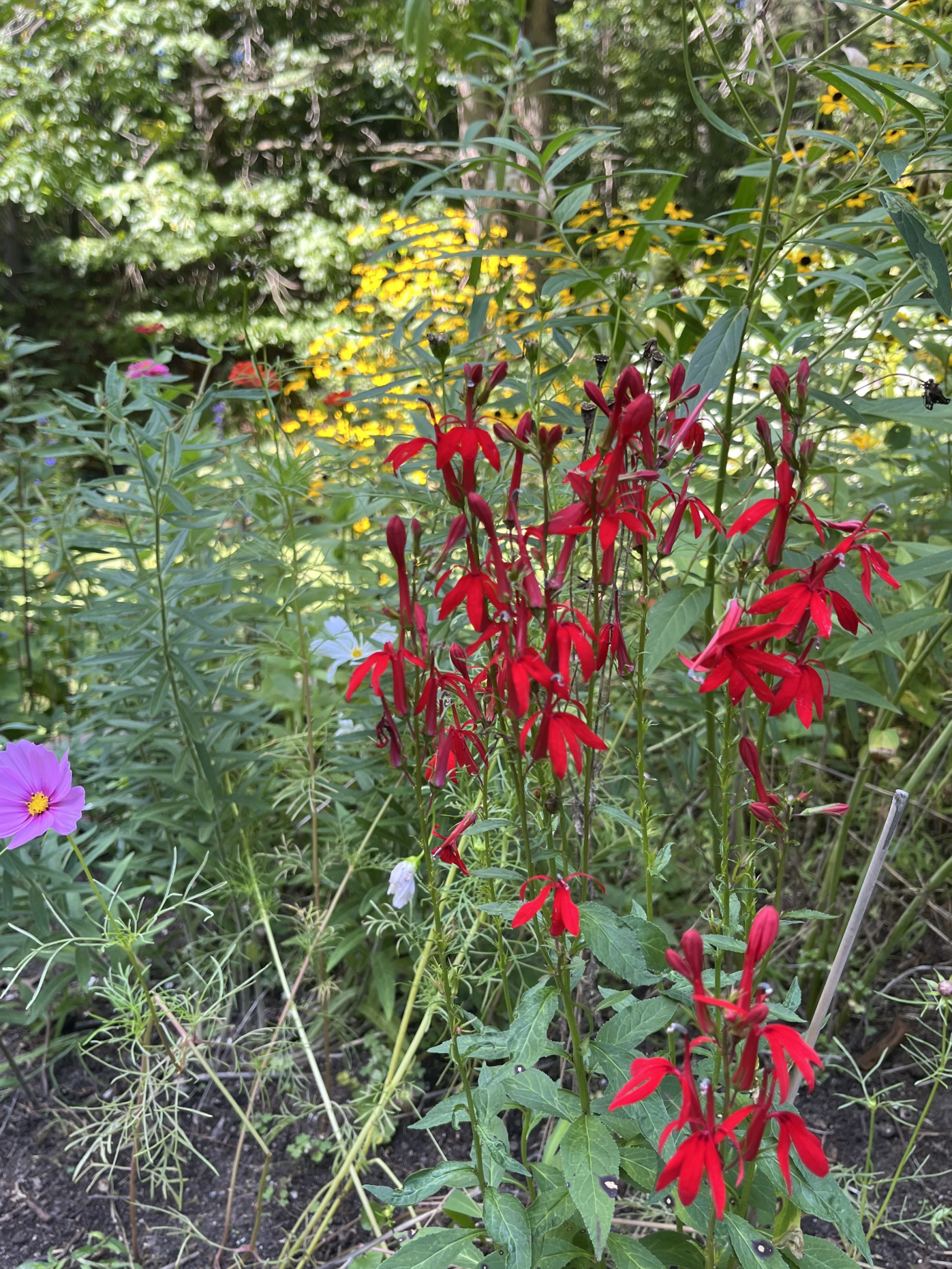
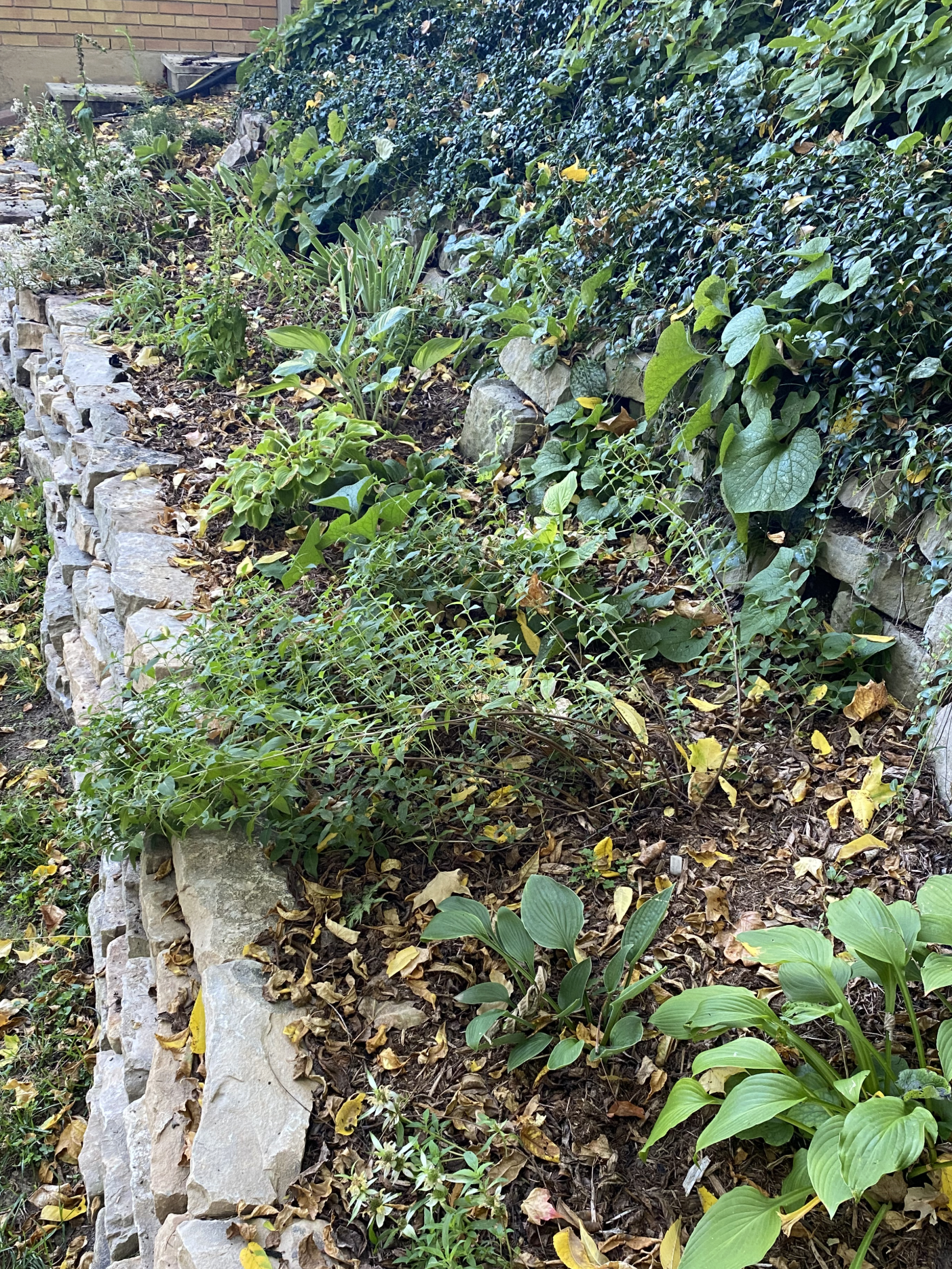
This part shade garden now has pearly everlasting, mountain mint, blue lobelia, Canadian wild ginger, and bee balm.
Native plants for pollinators and birds will be added here.
New plants are filling in well
Plants to support biodiversity.
This gardener saw lots of bees in their new native plant garden.
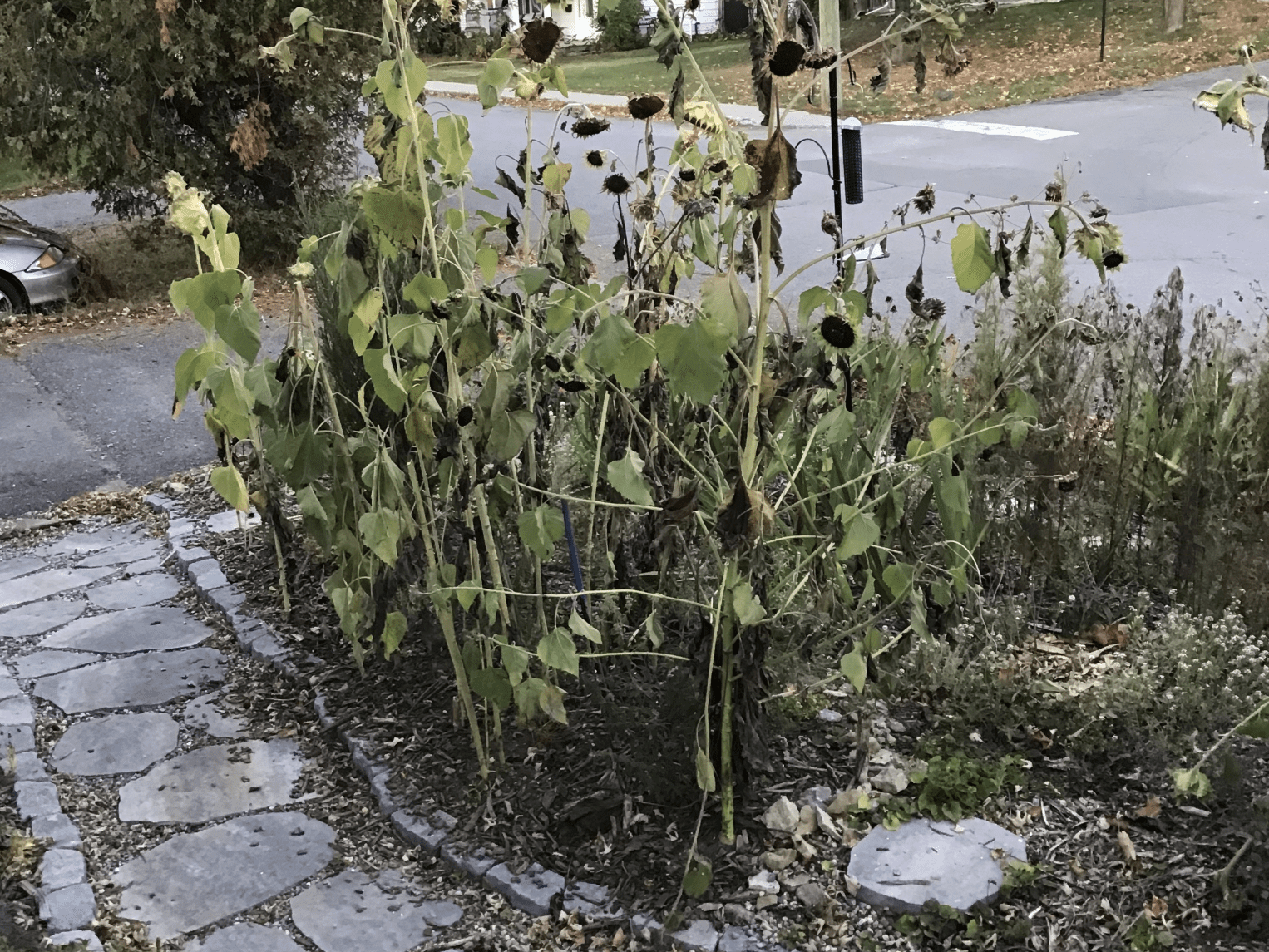
Property owner loves sunflowers as much as birds, butterflies, and bees do, so they will be added to this spot for summer and fall foraging.
Birds and bees are loving the sunflowers.
New spot awaiting some native plant additions.
Butterfly weed other natives attracted bees and hummingbirds.
The love of birds is real on this property and they are working to add plants to better support them.
Rabbits liked the young plants but left the common evening primrose alone, which the pollinators enjoyed.
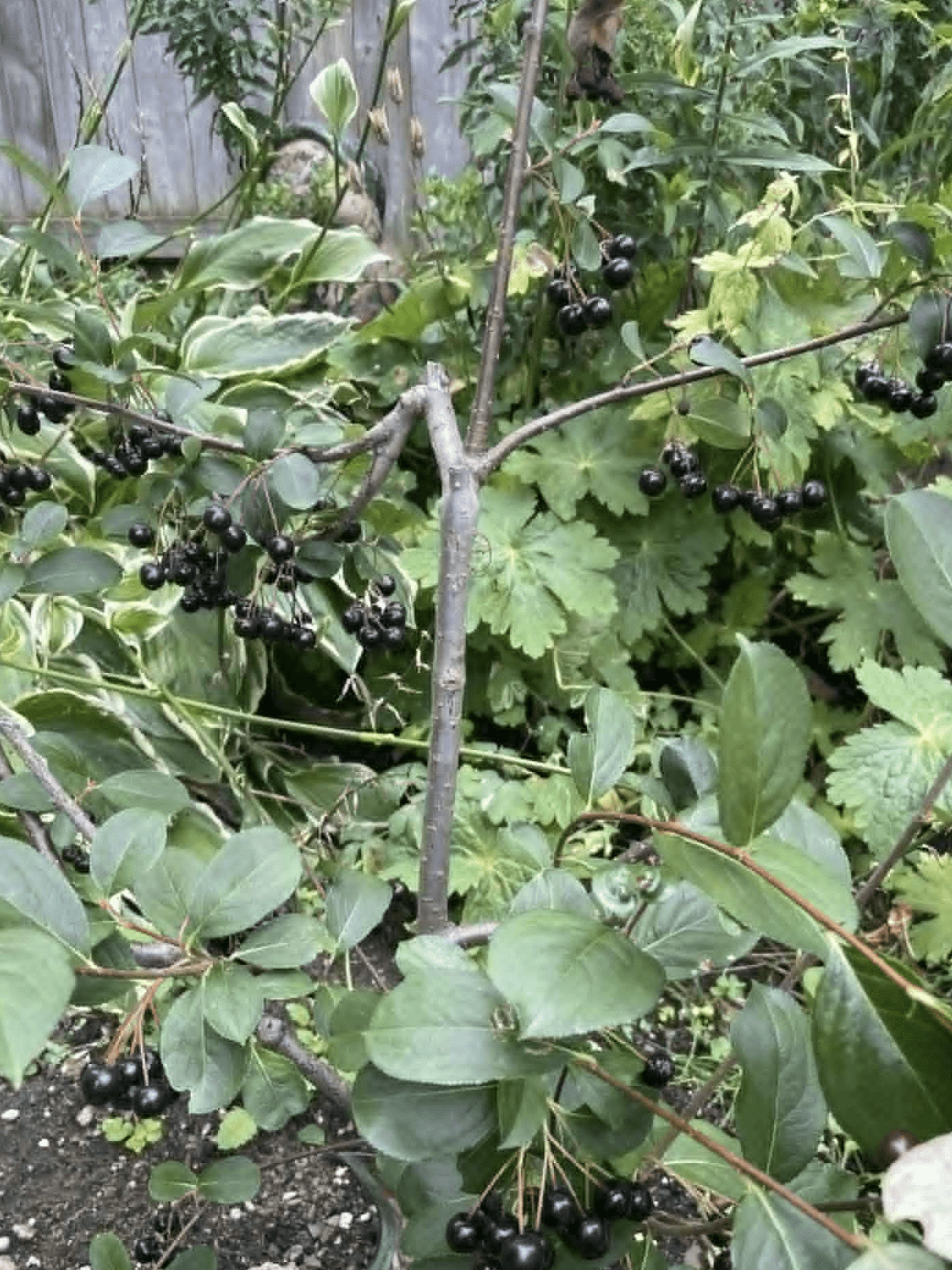
A black chokeberry bush was planted for the birds.
Black chokeberries produced an excellent crop in the first year. Homeowner is eagerly awaiting the birds to find the new food source.
New spot awaiting new plants for birds and biodiversity.
Birds were seen eating the seeds and lots of bees buzzed around the flowers.
New native installation going in here.
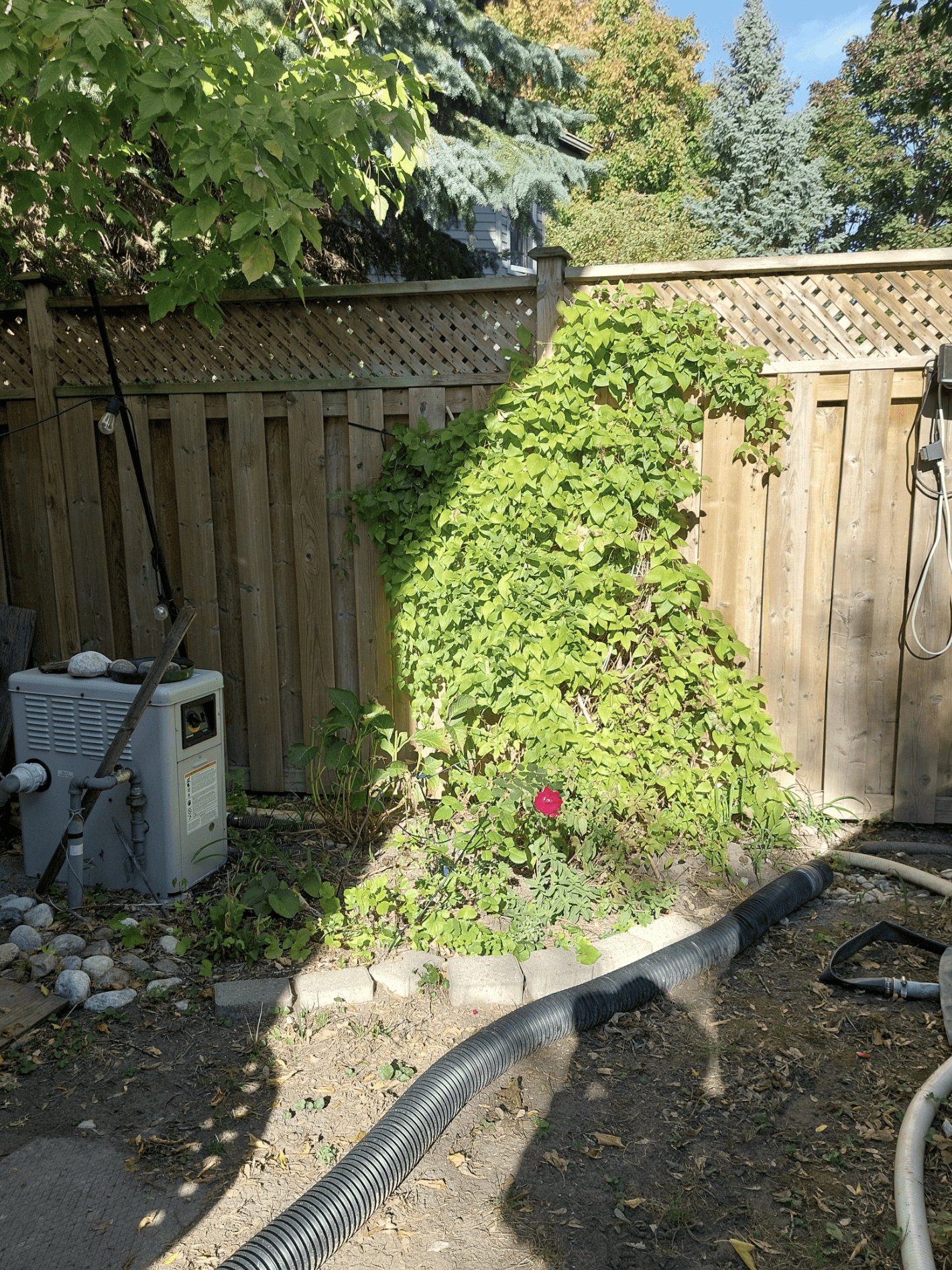
Climbing vine took off this year!
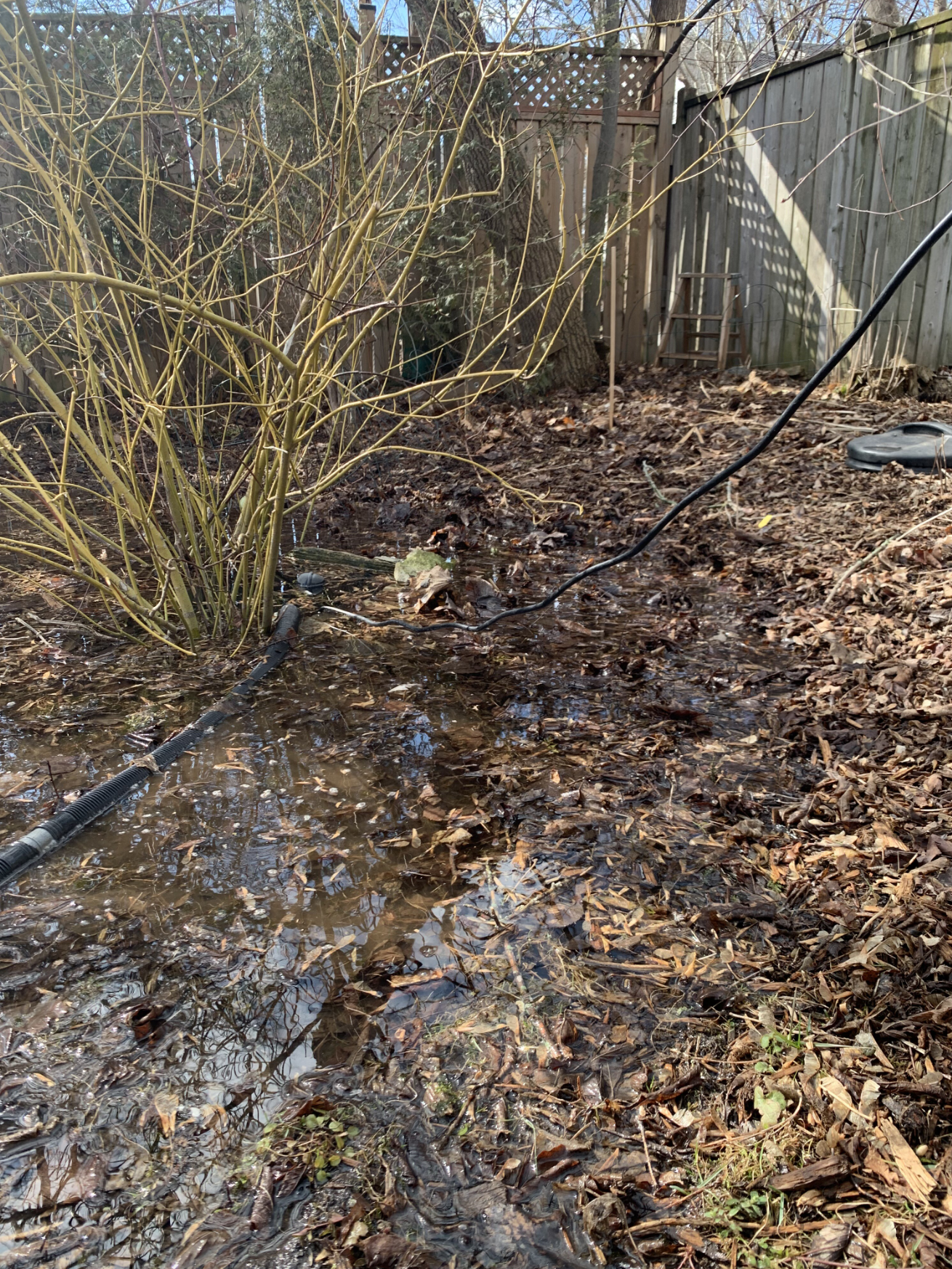
This site is very wet in the early spring making it difficult to garden as the soil is a heavy clay and dries out by summer.
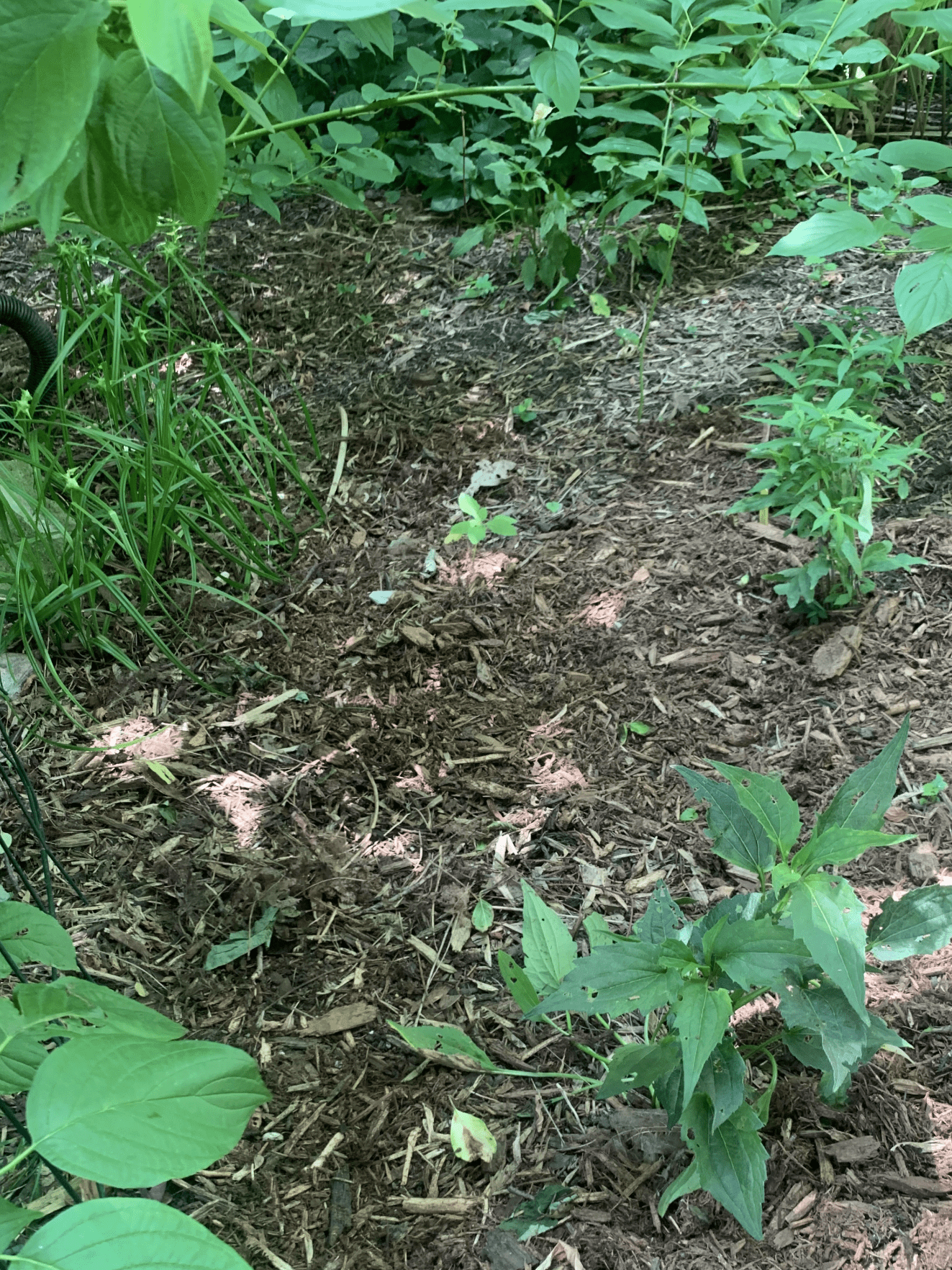
Wet area has some new natives that will hopefully take off next year.
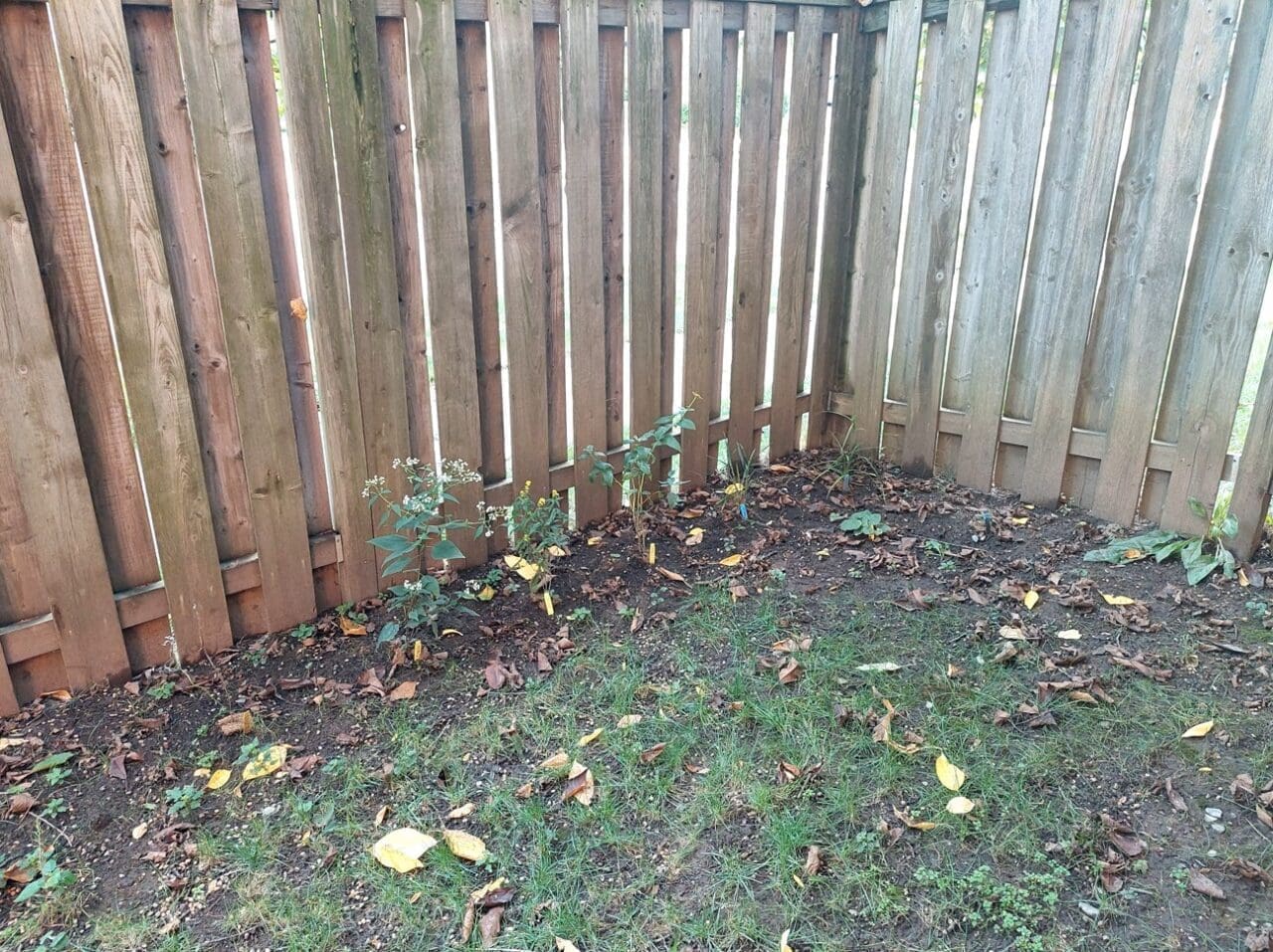
This unused corner will be livened up with native plants.
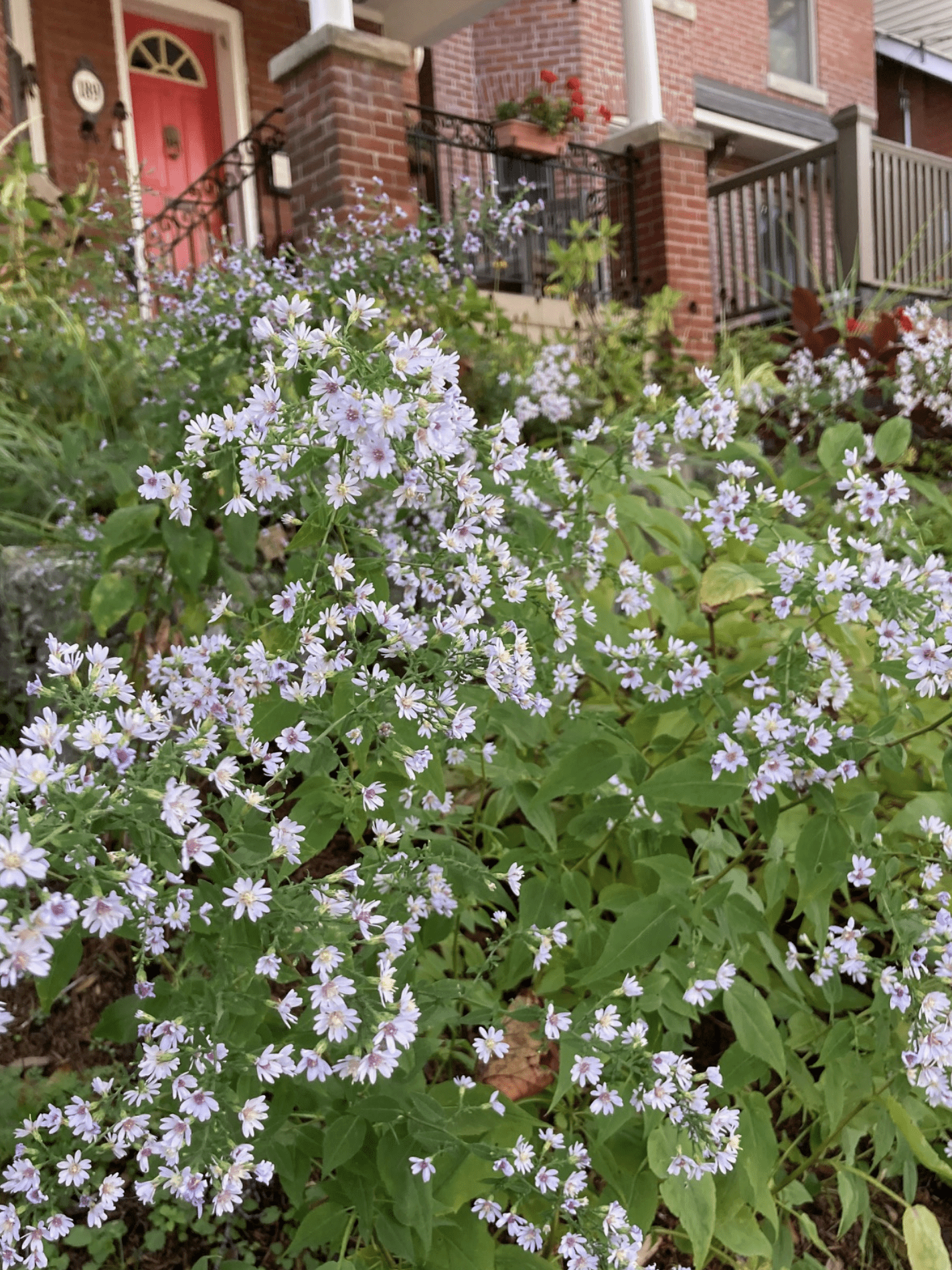
Asters are flowering.
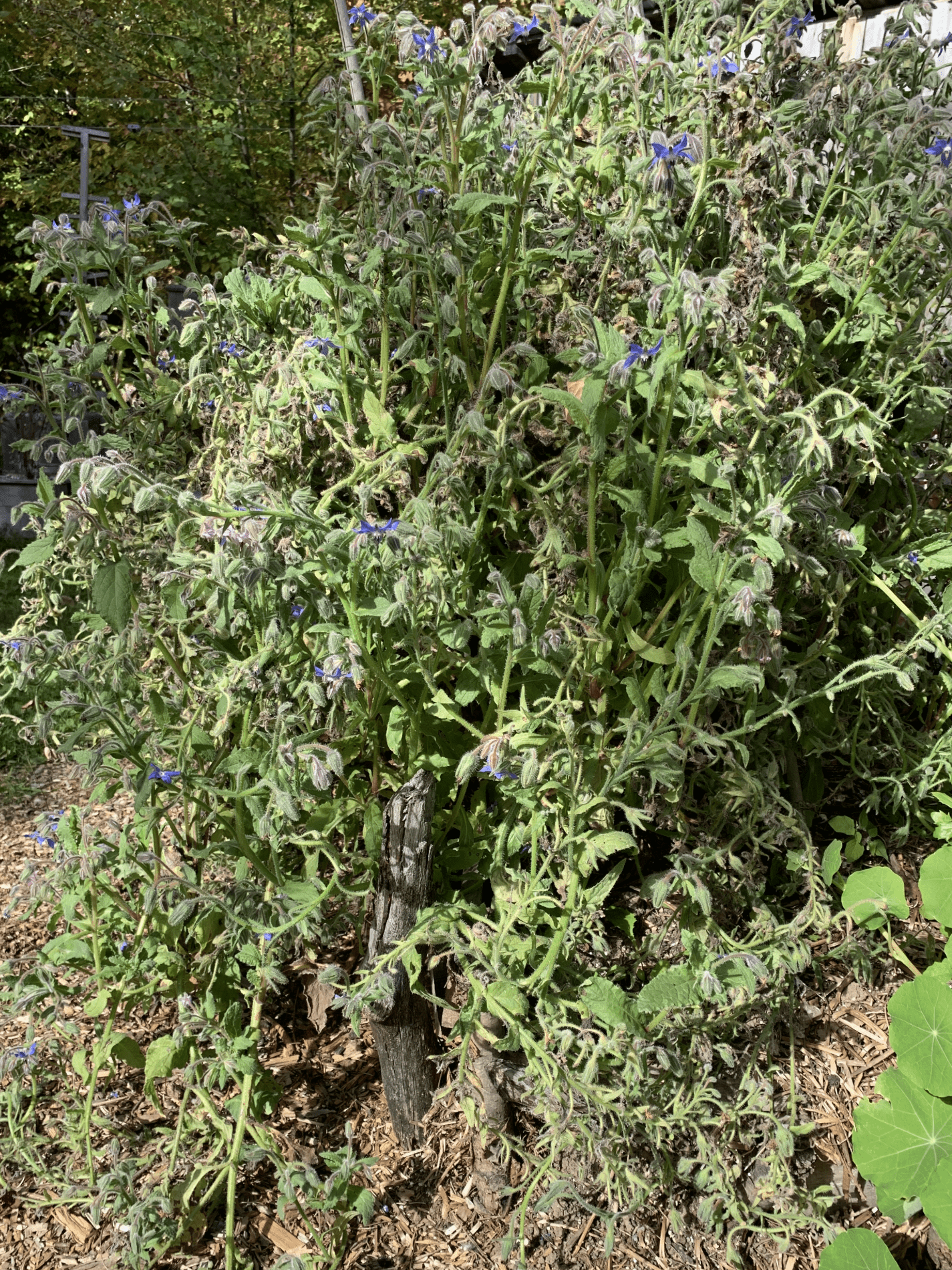
Budding borage will be added to the garden. Borage is not native to North America.
Borage is not native to North America, but it is loved by bees and hummingbirds.
Lots of potential for great habitat for birds.
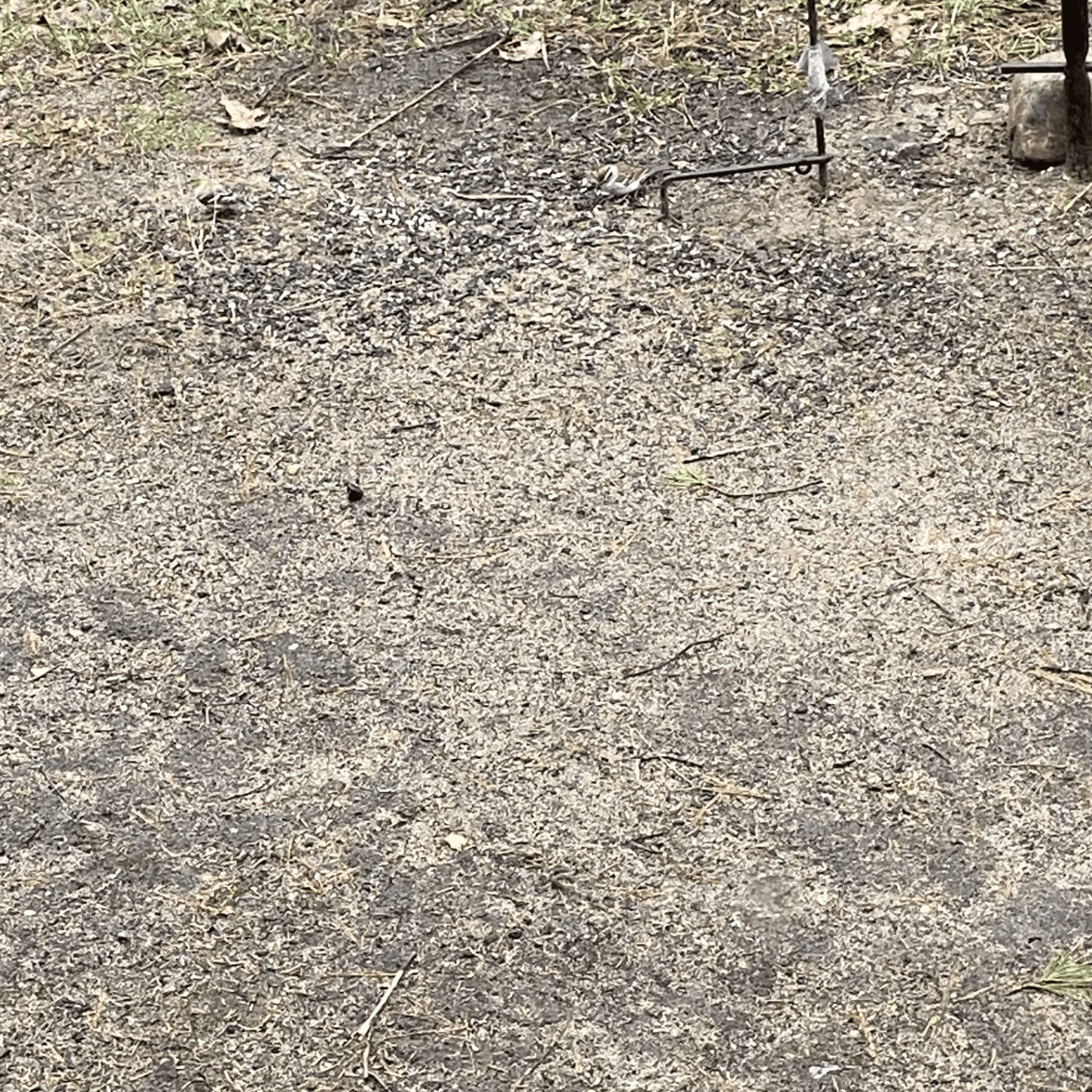
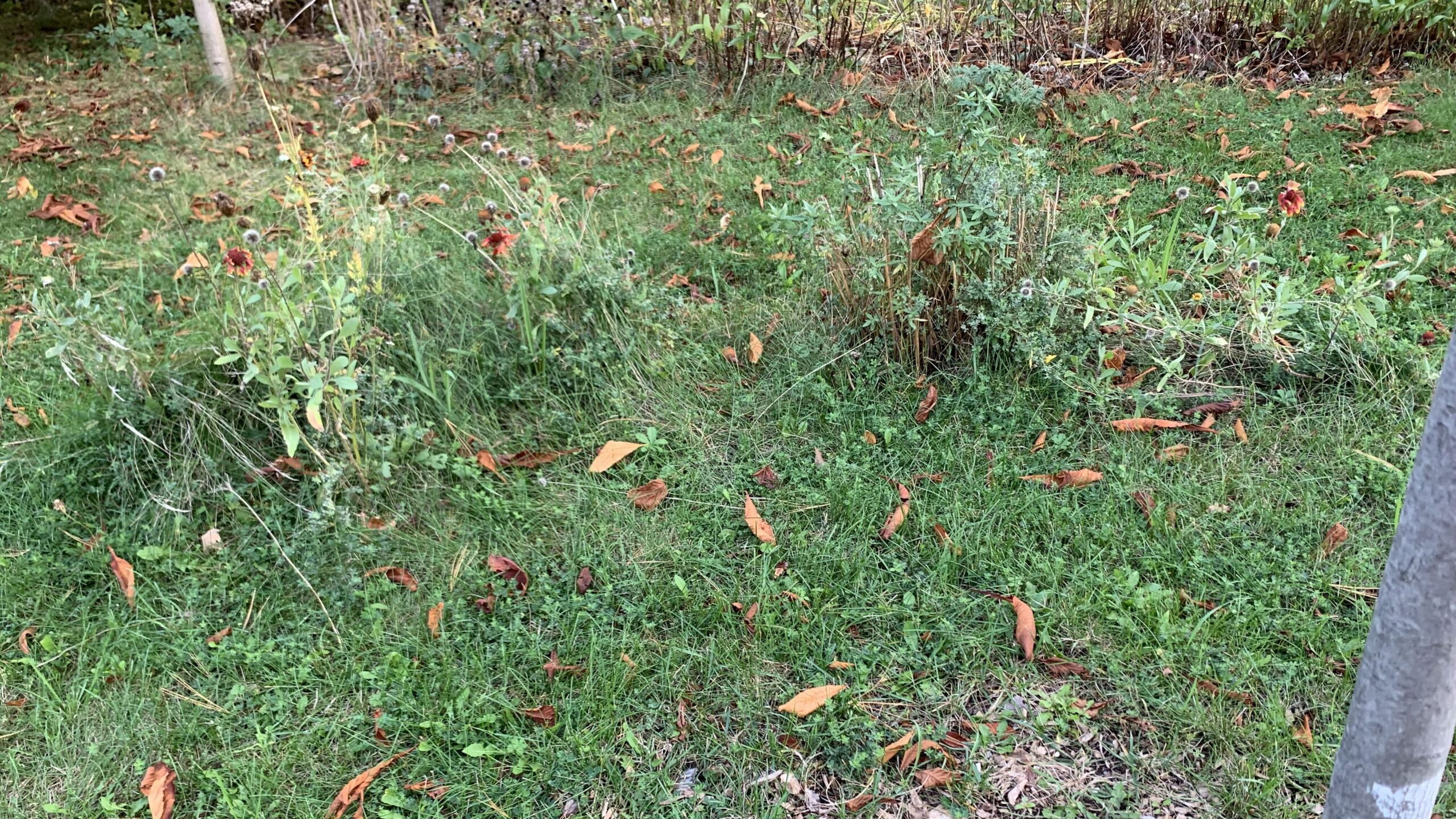
This is a post-frost picture of a garden that saw Song Sparrows, White-crowned Sparrows, goldfinch, and chickadees foraging this year.
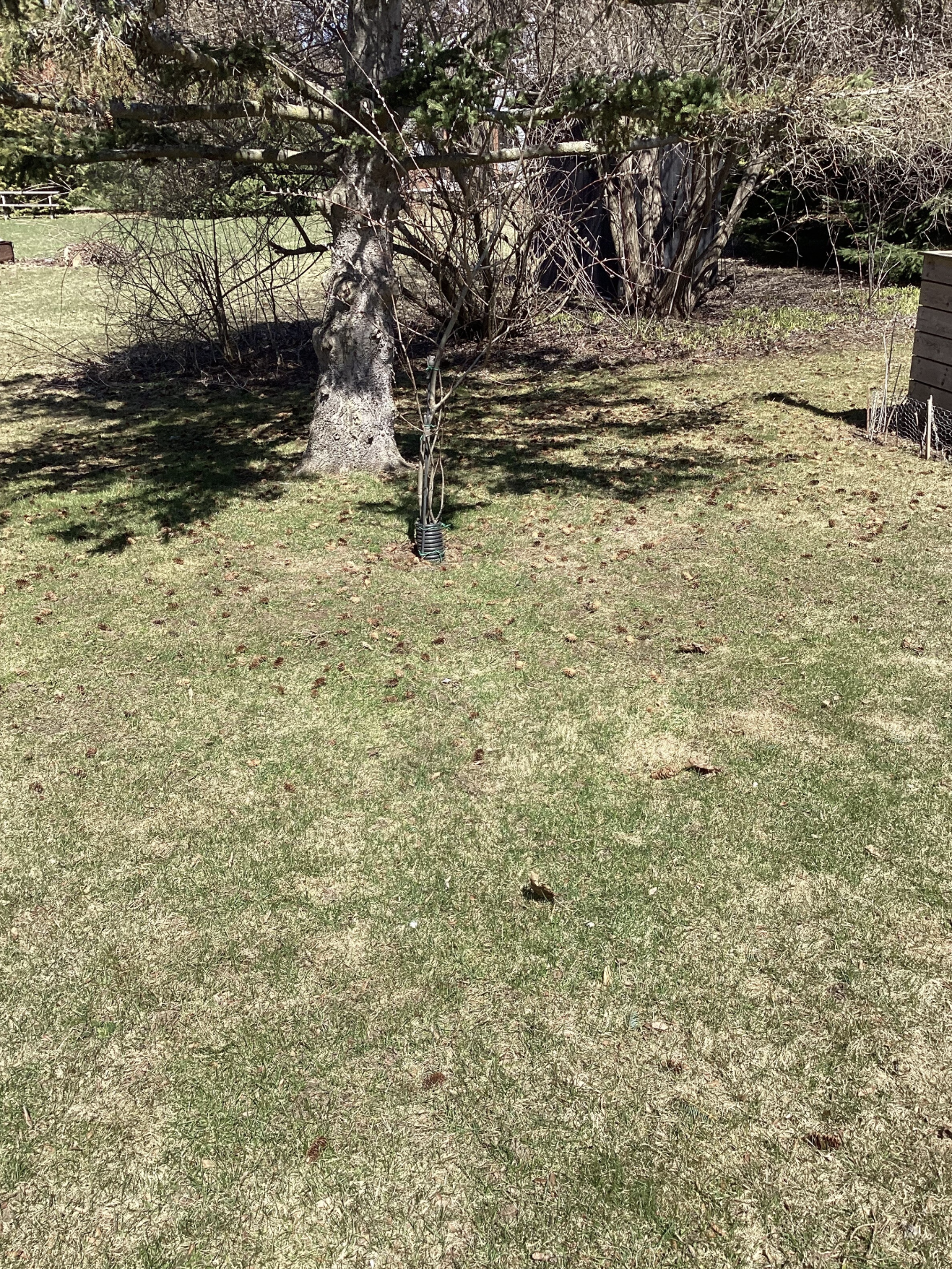
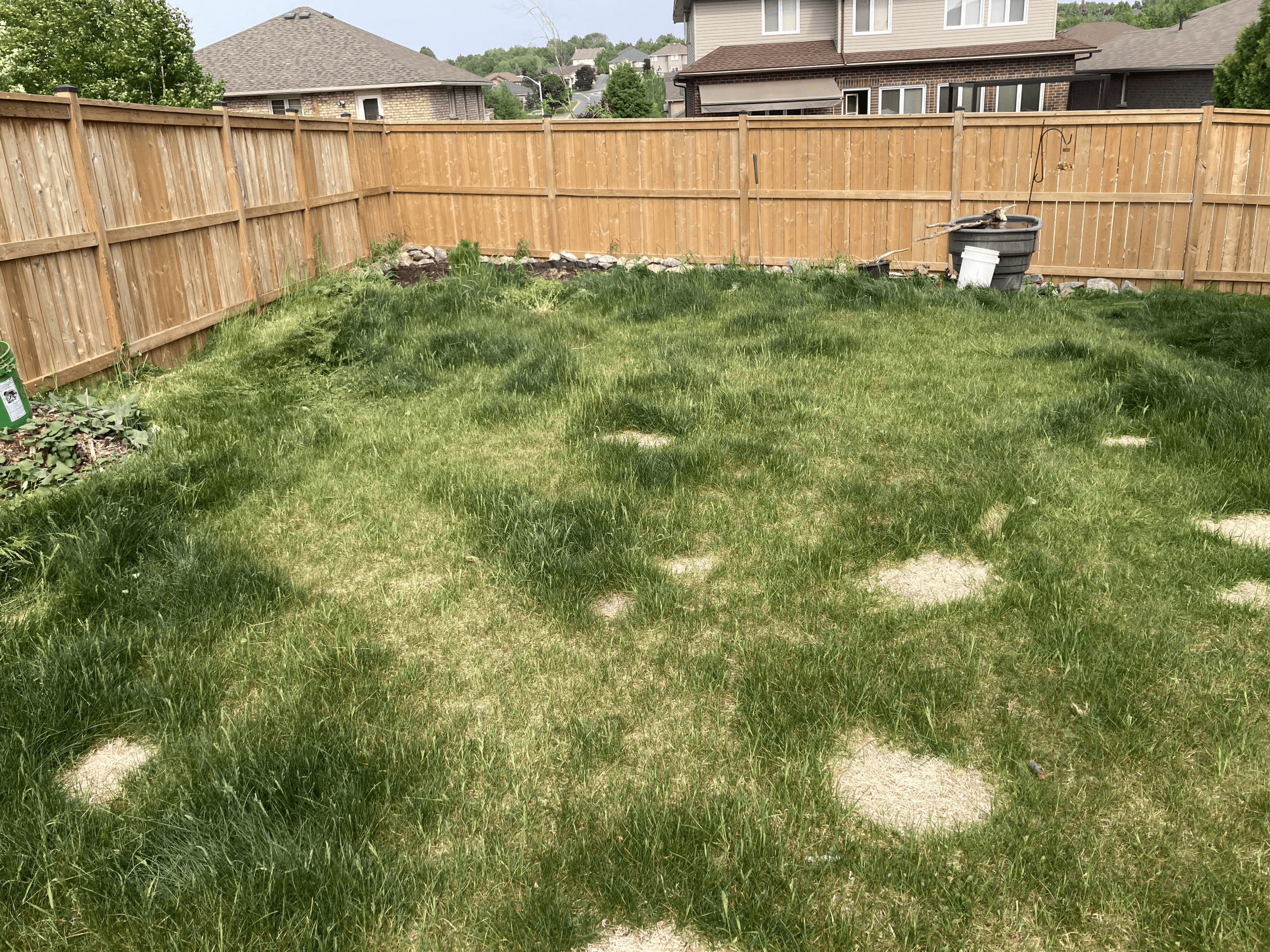
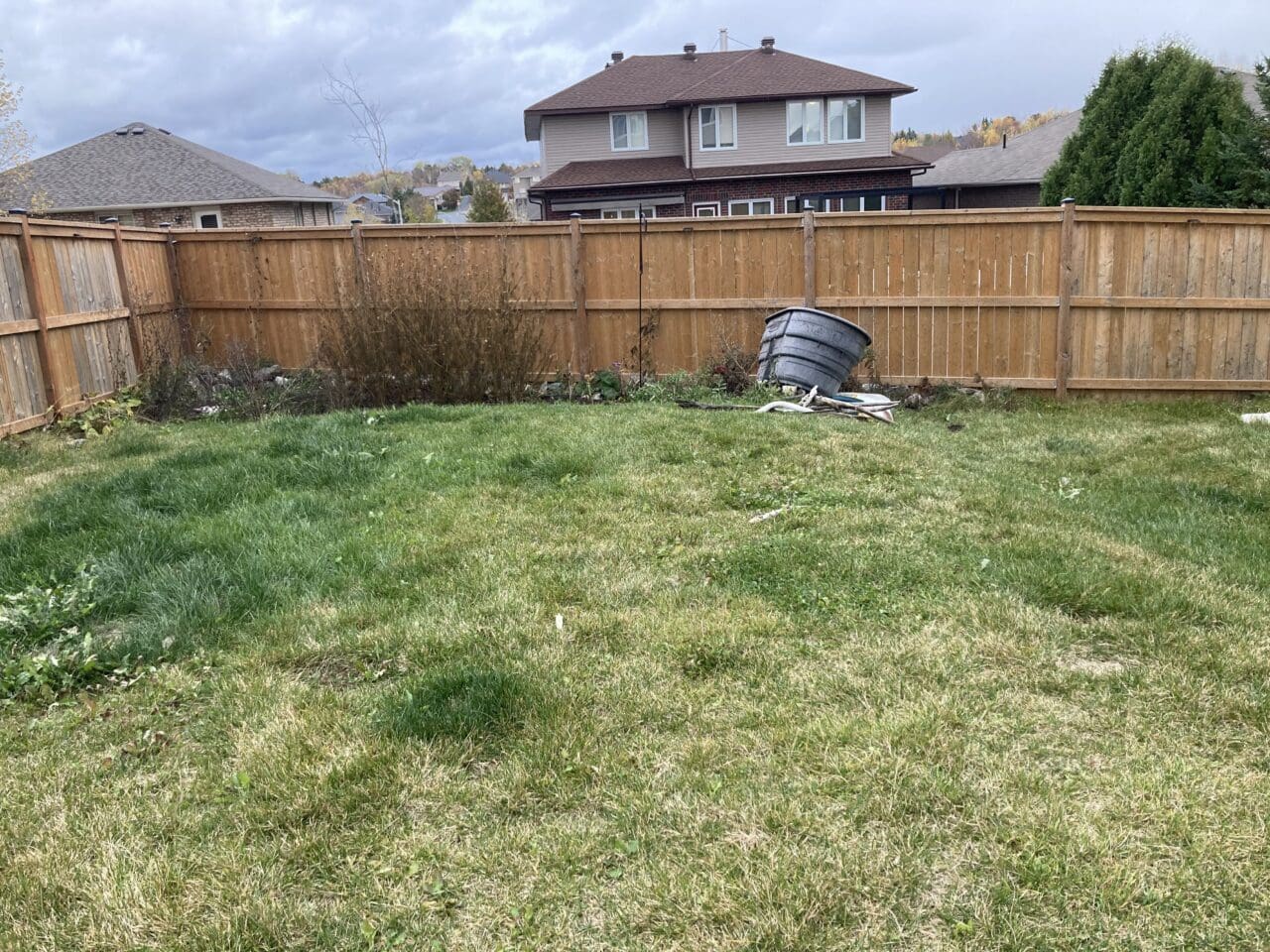
This area of weedy lawn near a serviceberry will be replaced for native plants for birds.
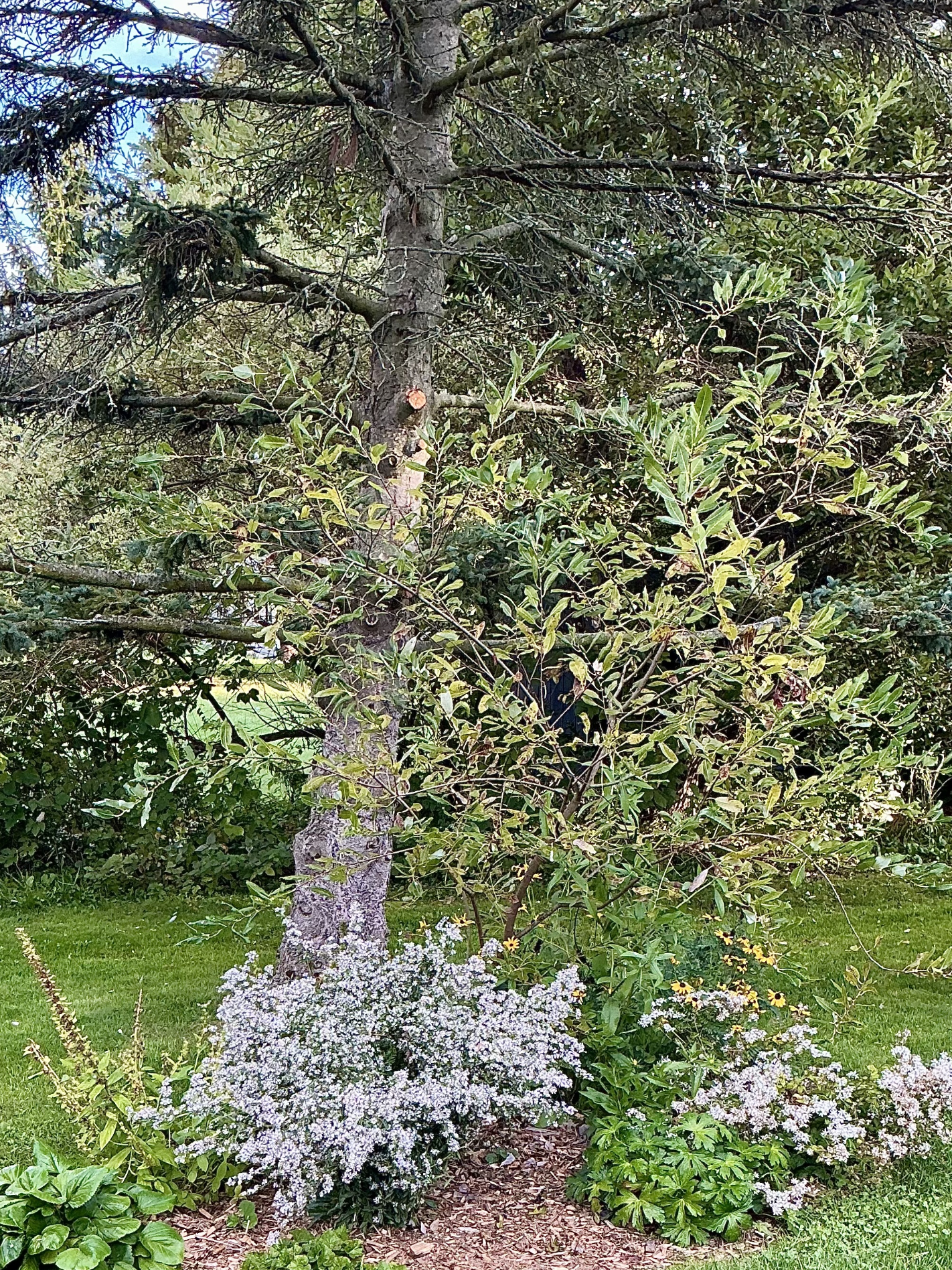
New natives are in and establishing. Spring should bring some rewards.
This area of weedy lawn near a serviceberry will be replaced for native plants for birds.
New natives are in and establishing. Spring should bring some rewards.

Remaining Before Photos

Wild bergamot and aster seeds added. A small shrub native shrub may be included, too.
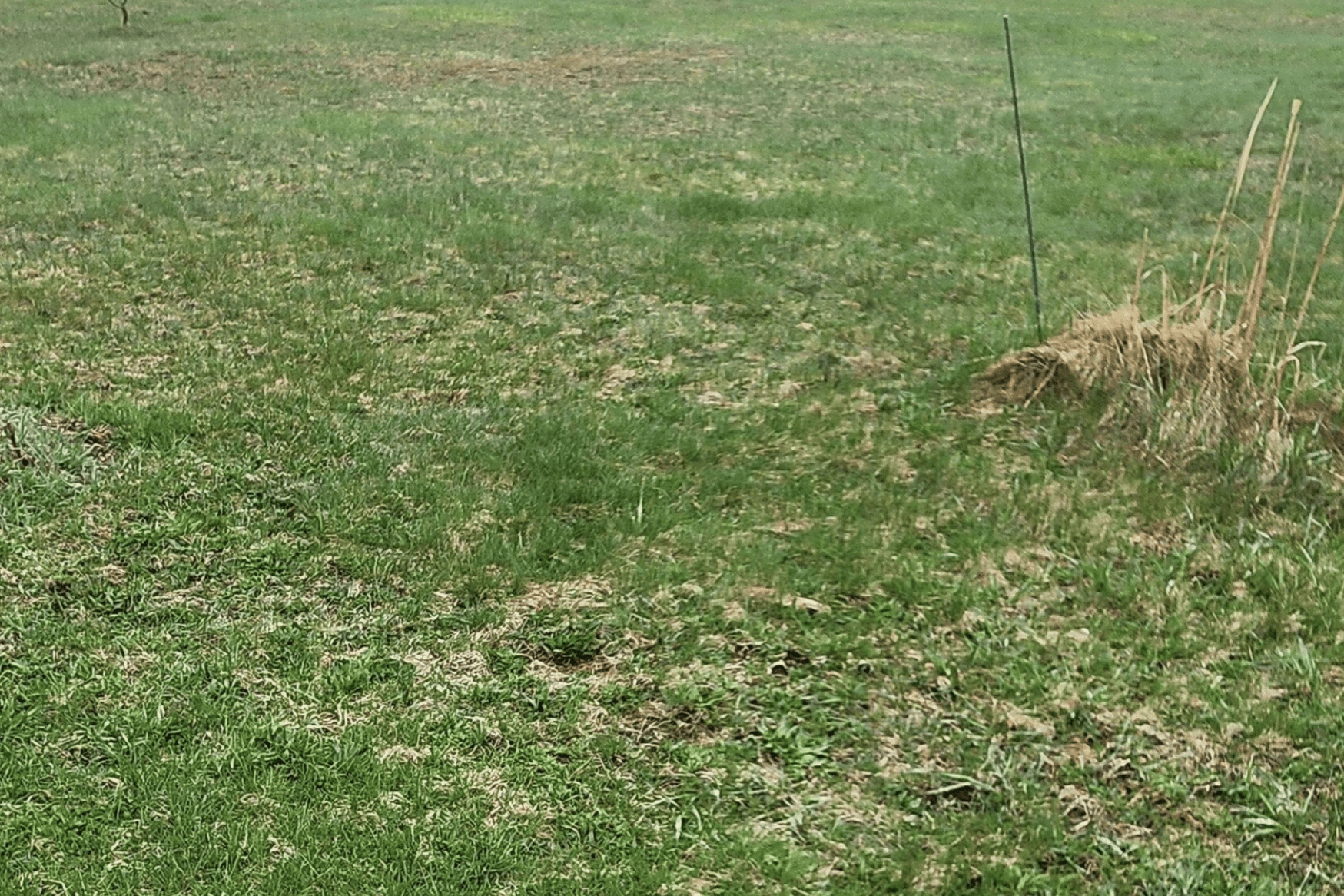
Lots of potential to add habitat to this sloped front yard adding more habitat to this lovely plot.
Homeowner is adding more habitat including aster, goldenrod, and snakeroot under the feeder along with a bird bath.
Property owner is adding nodding onion to this spot as a new native plant option.
Green coneflower, blue stem goldenrod, white wood aster will be added here.
A red osier dogwood will be added here–a great choice for birds and pollinators.
New natives will be added to this bed to support biodiversity.
There is a stunning diversity of native plants that deserve to be seen by more people. So, this homeowner is getting busy doing just that.
Shrubs provide excellent cover and food resources for birds. More plants will be added here.
Yellow gem potentilla plus wildflowers will be added for pollinators and cover for birds in the winter.
More native plants will be added to provide food and cover for biodiversity.
Another corner garden that will receive a new native plant addition.
These shrubs will be going in the ground for the birds!
Property supports native plants but some spots are overgrown and will be refreshed. Homeowner has noticed more and more trees coming down in neighborhood and wants to replace lost habitat for the birds.
The space along the new sod lawn provides about two feet in front of the fence for planting some new fun natives. Resident is a renting this home and wants to do what they can for the birds and wildlife while they live are here.
White turtlehead and orange butterfly milkweed are being added to attract pollinators and bring natives plant options to this neighborhood.
This property has a lot of native plants, including these new seed starts. They enjoy seeing the birds use the habitat they planted.
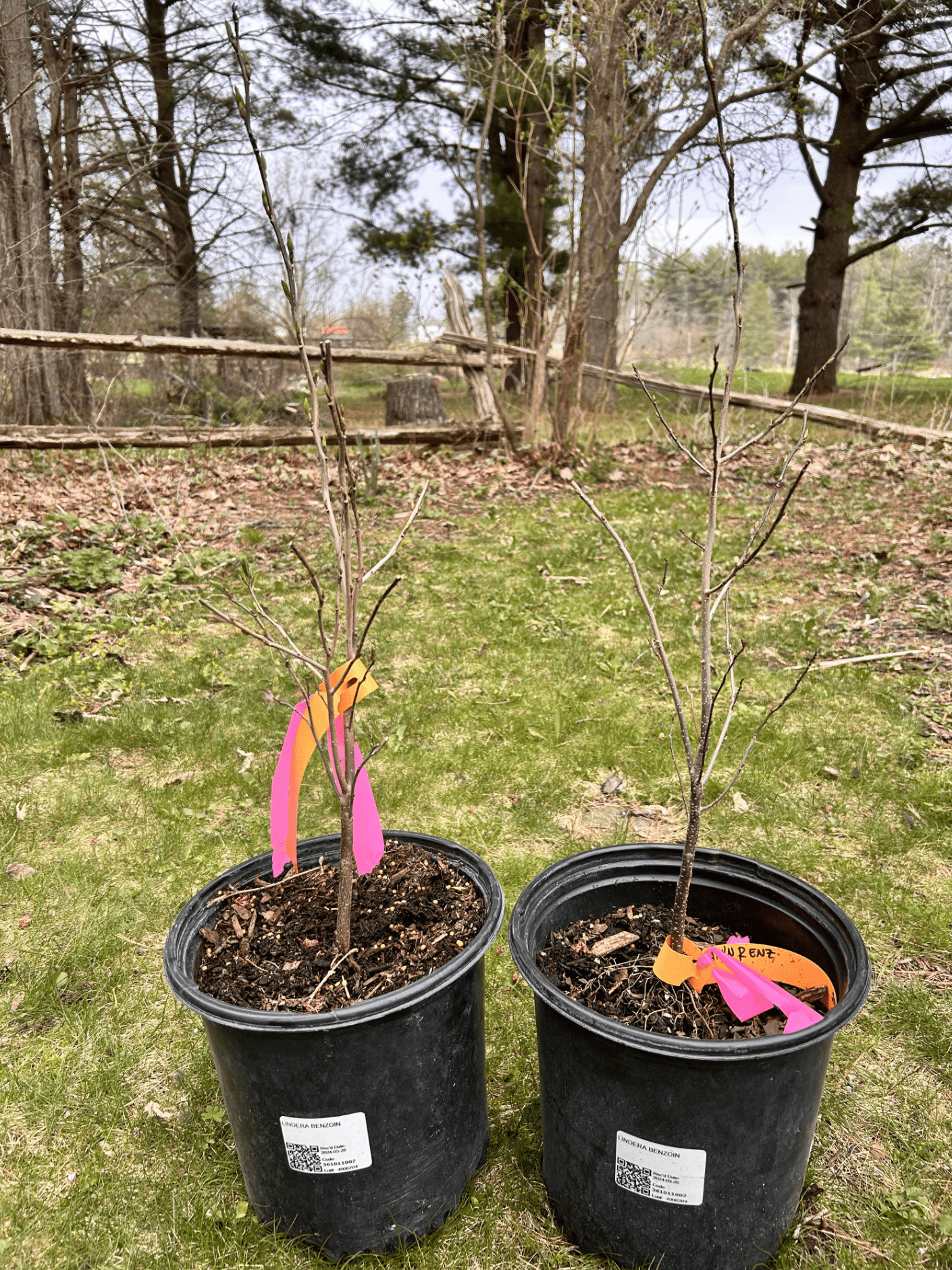
Service berry tree will be added to provide habitat.
This weedy patch has been cleared to help birds, bees, butterflies and insects. Butterfly weed and swamp milkweed will be added specifically to help resident monarchs.
Homeowner is adding Anemone canadensis, early goldenrod, Goatsbeard and butterflymilkweed
This barren new subdivision will add get a bird-friendly make-over complete with native plants, a water feature, and nest boxes.
Native plants will be added to this yard that attracts birds and provides shelter when they visit.
This portion of the garden is the starting point and sod will be removed and replaced with natives.
Beds getting ready for new native plant additions.
This new garden spot will get some native additions.
As the snow melts and the soil warms, a new garden along driveway plant will be planted with native wildlowers and veggies.
Garden awaiting new natives as the growing season approaches.
Homeowner is adding native plants to this existing bed, by gradually replacing the non-natives.
A serviceberry was added for the birds!
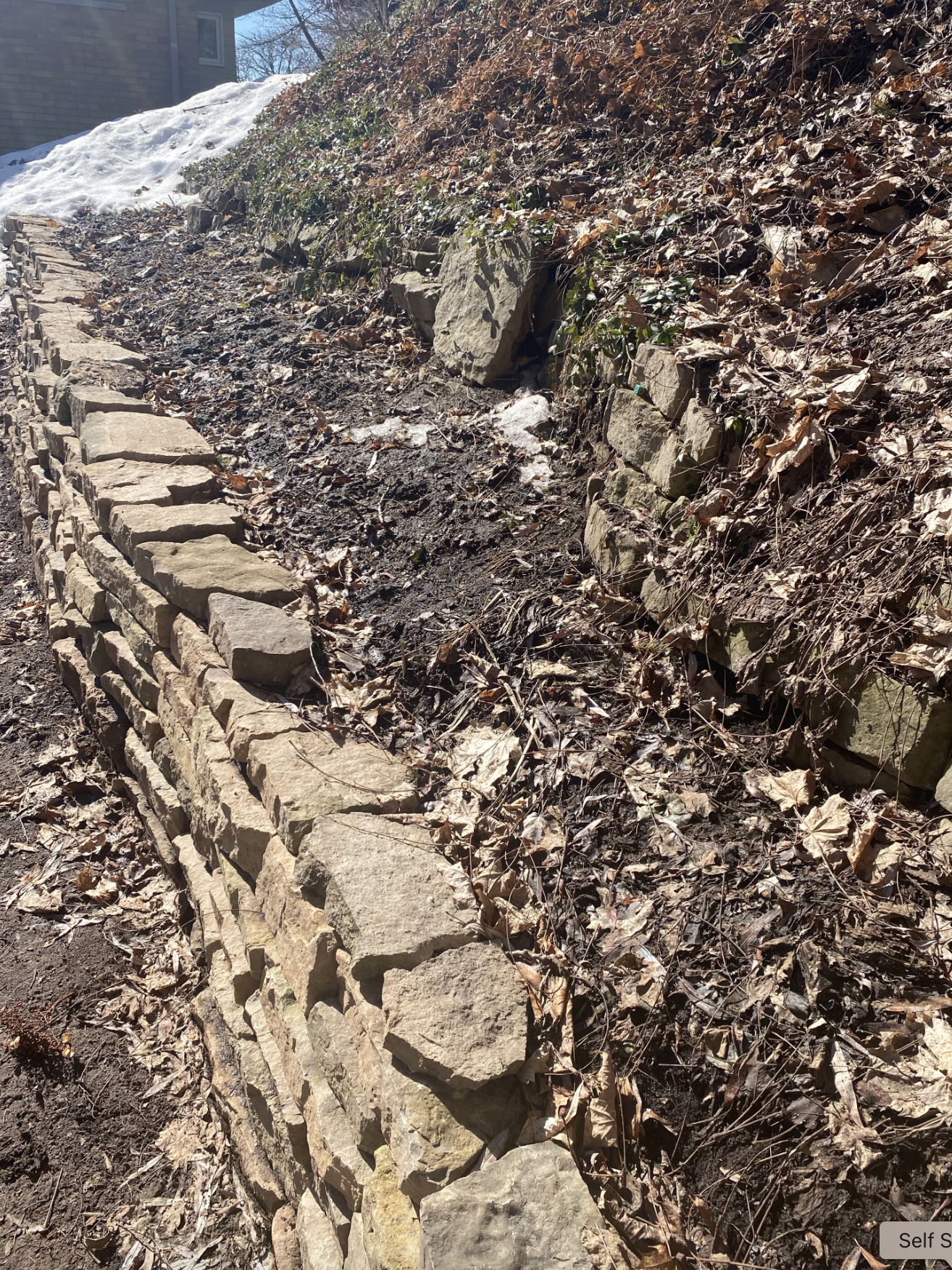
This spot is under a Norway maple where things struggle to thrive. A native shrub and ground cover will be added.
This shady spot competes with cedar trees, but native plants will be added to help support biodiversity.
Pink geranium is a pollinator favorite.
This home sits on a dry sandy soil where little has grown. Property will add natives that are more likely to be successful.
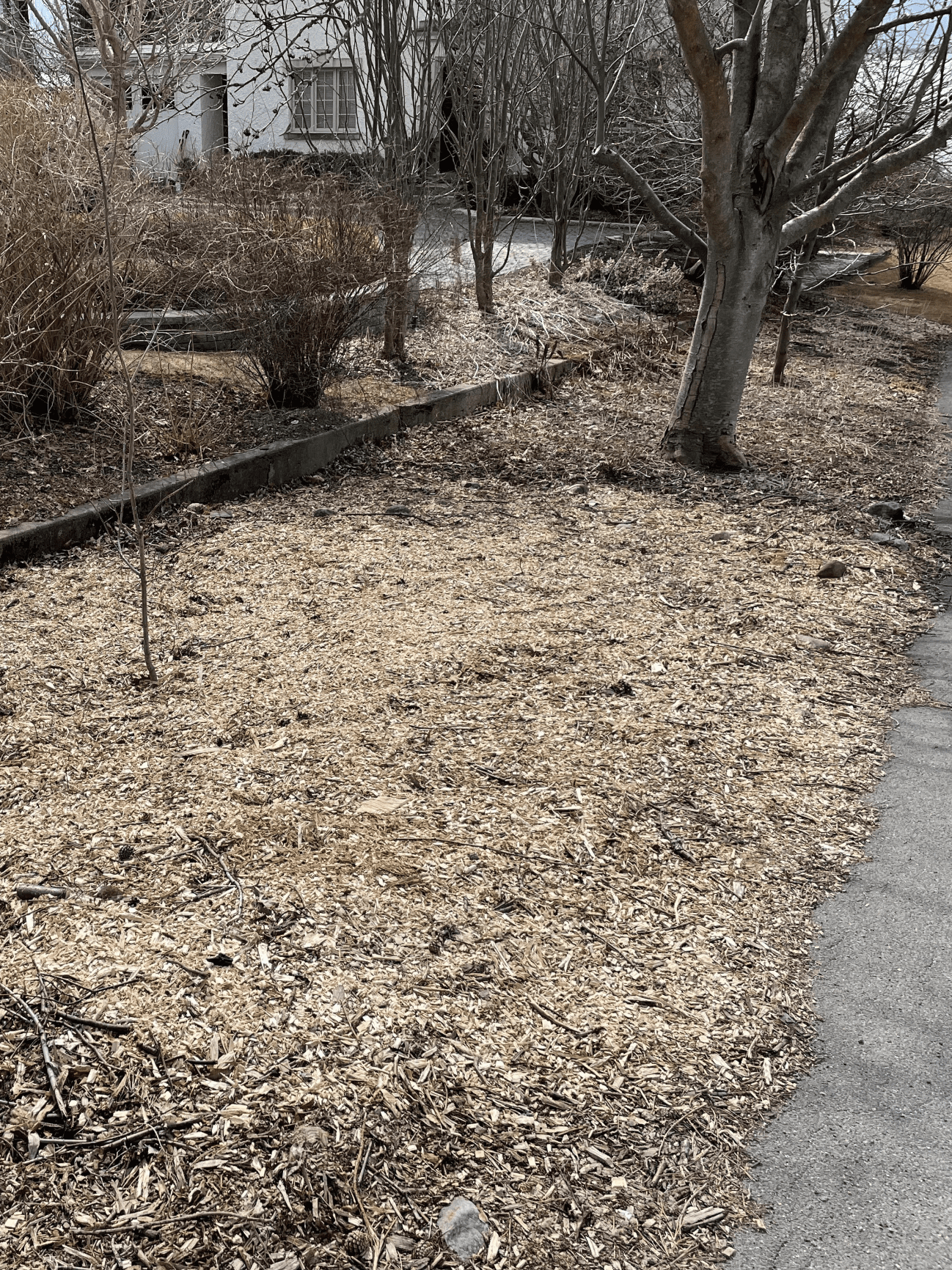
Lots of potential in this year to integrate more native habitat while removing lawn.
Rosa Acicularis, Asclepias tuberosa, Baptisia australis, Aquilegia Canadensis were added in this spot to help biodiversity.
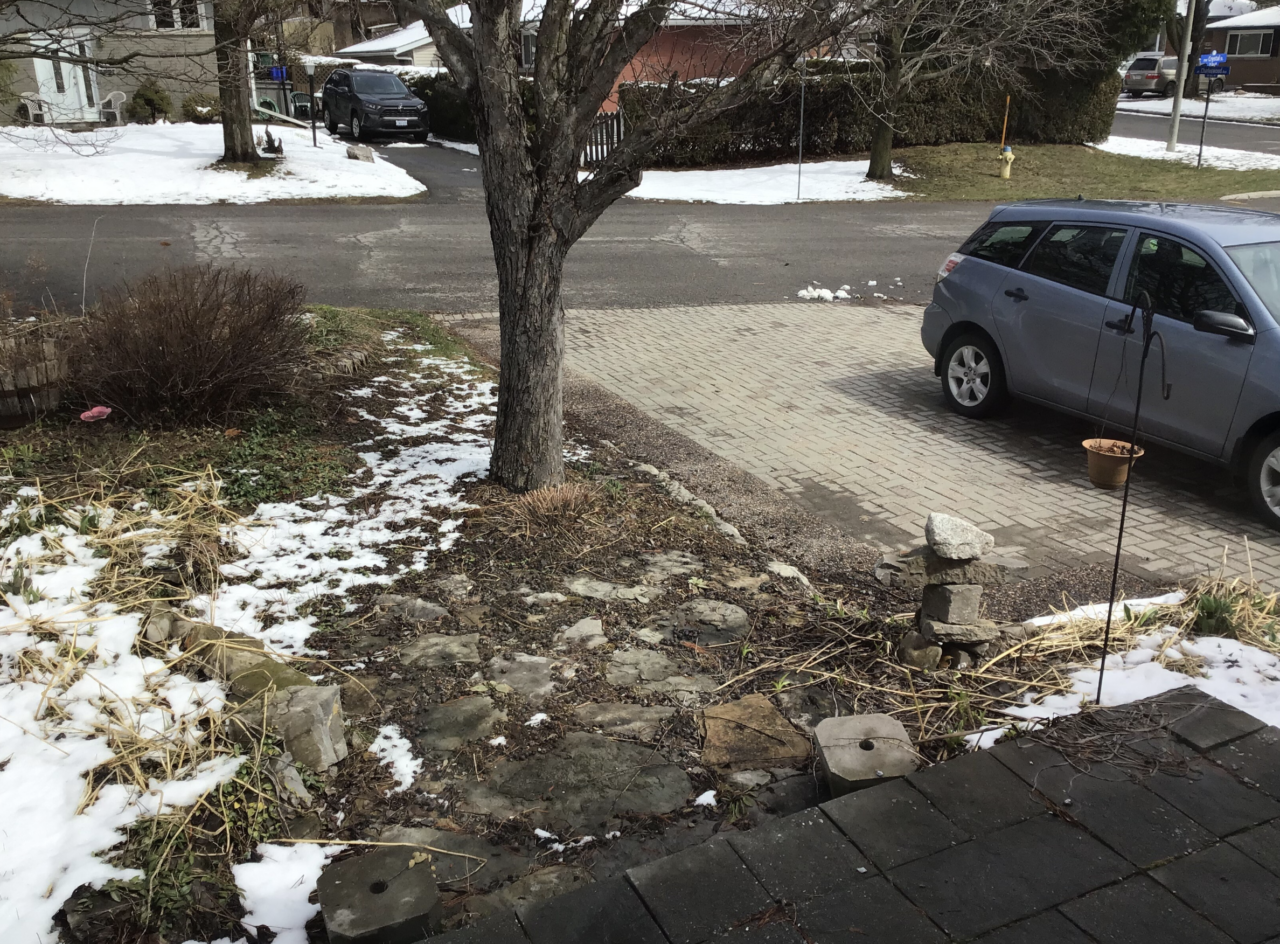
Might be snow covered now, but new native plants are coming!
This property continues to add new features to support wildlife. A new wildflower garden was put in the raised bed accompanied by other flower and shrubs.
This grassless property is already full of natives. In this corner spot a bench was removed and now it will receive a native-plant-treatment.
In this spot Rosa acicularis and eastern red columbine (for the hummingbirds) will be added.
Cornflowers and common milkweed were added to this expanding native plant garden.
This garden will get a native plant treatment to create a more diverse landscape to attract birds and pollinators.

Stay connected to the Great Backyard Bird Count.

By subscribing to stay connected to the Great Backyard Bird Count, you agree to receive communications from The Cornell Lab, Audubon, and Birds Canada. You may unsubscribe from any of the organizations' communications at any time.