

South Carolina 2025

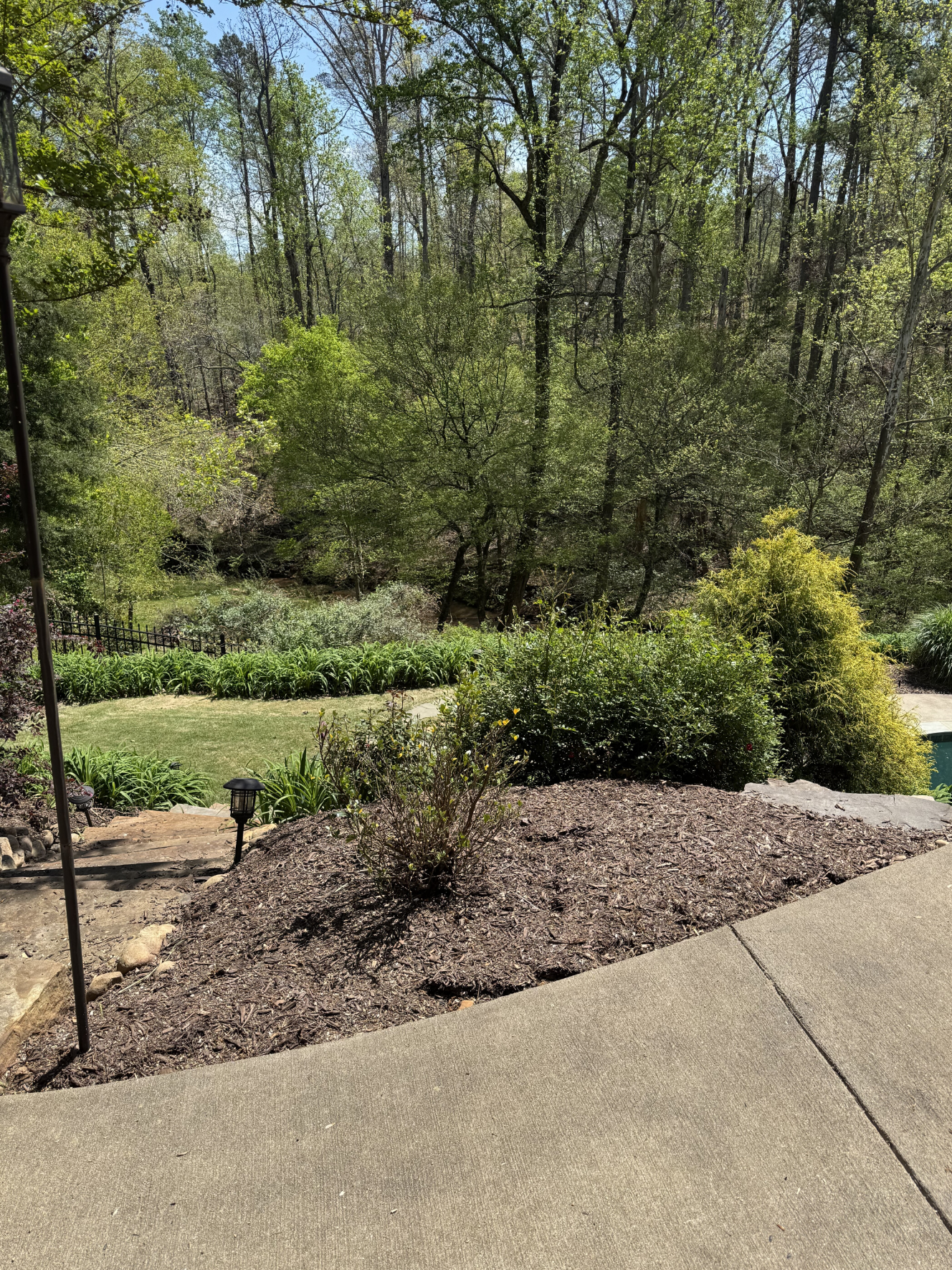
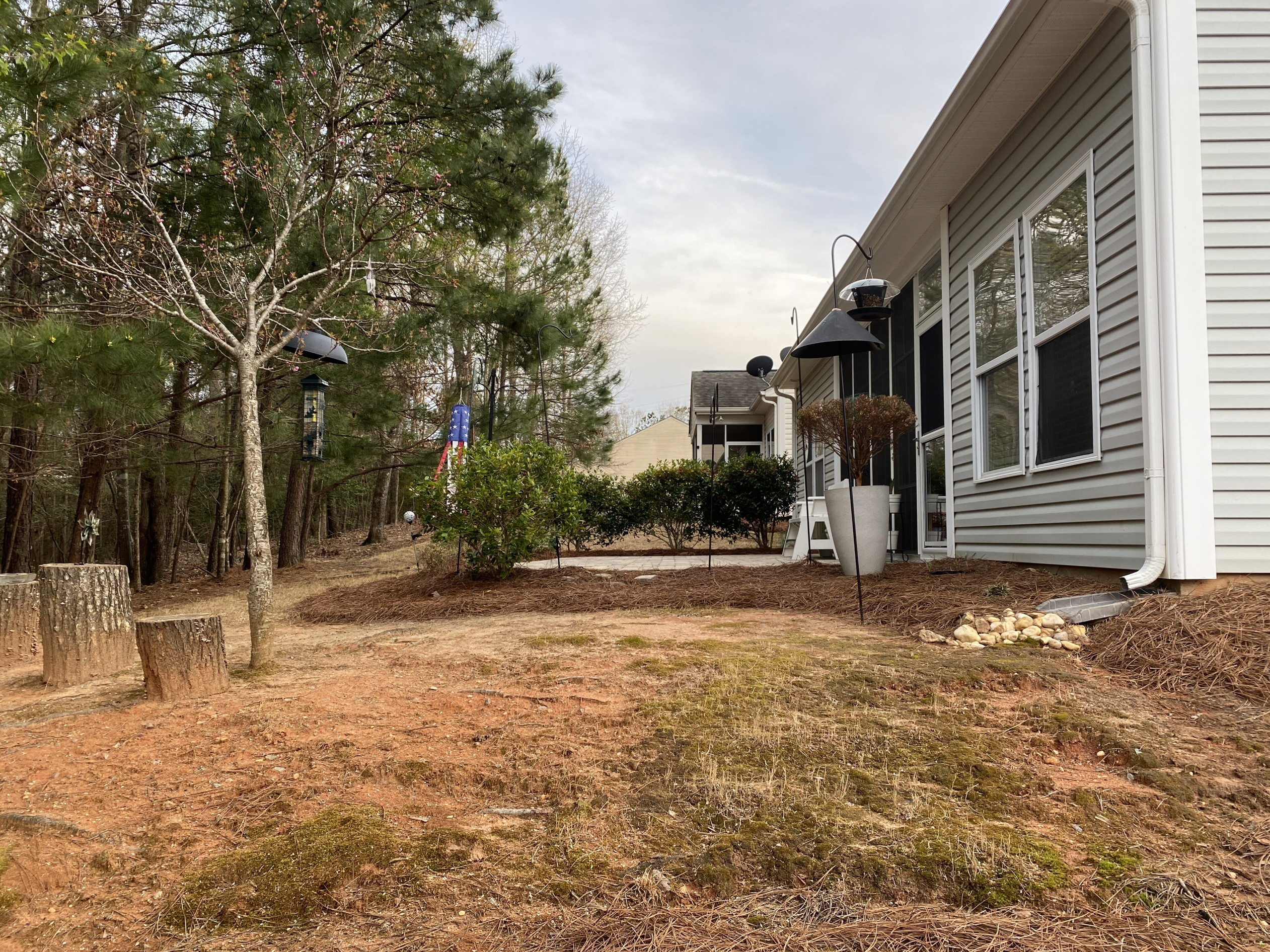
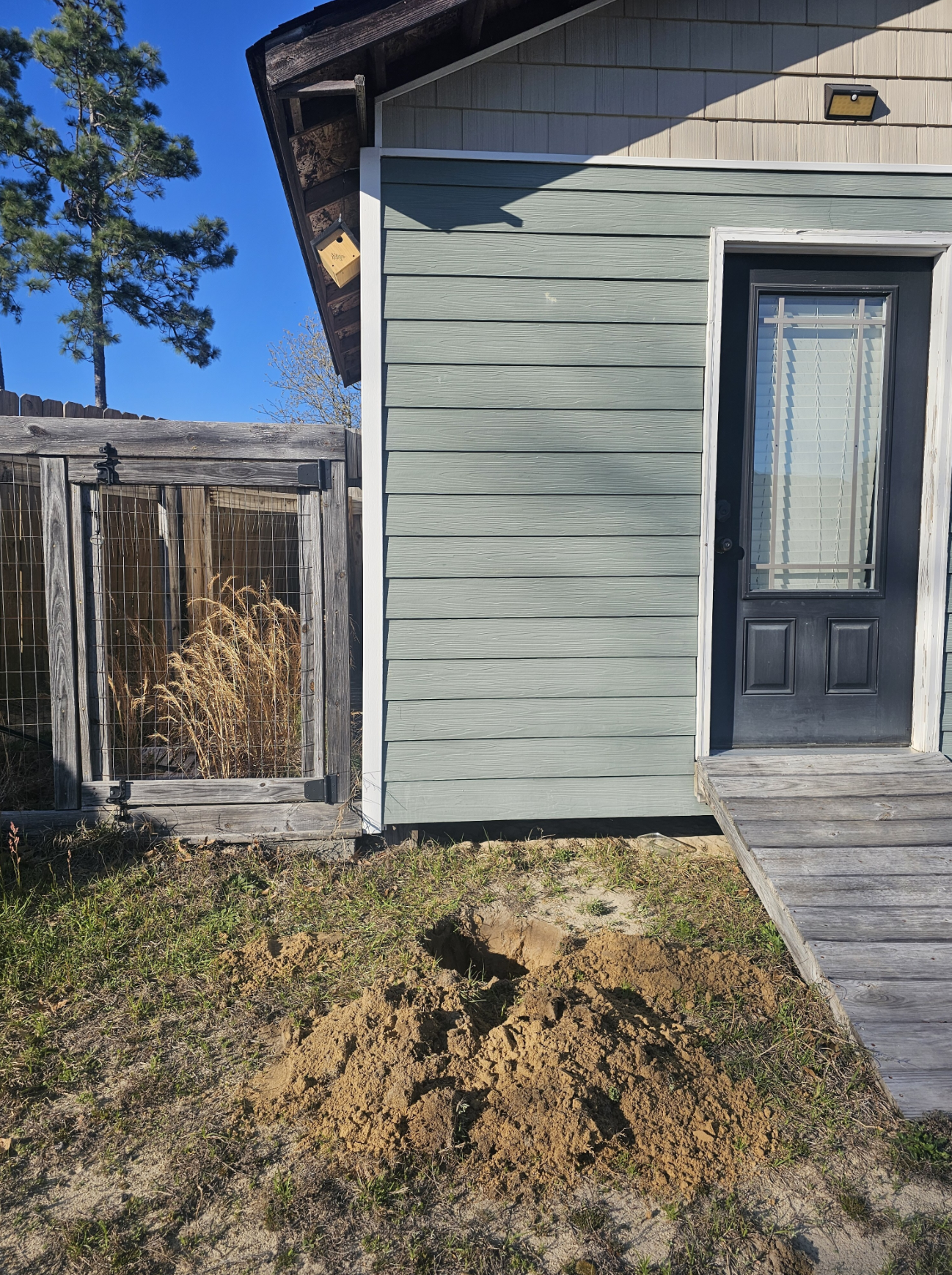
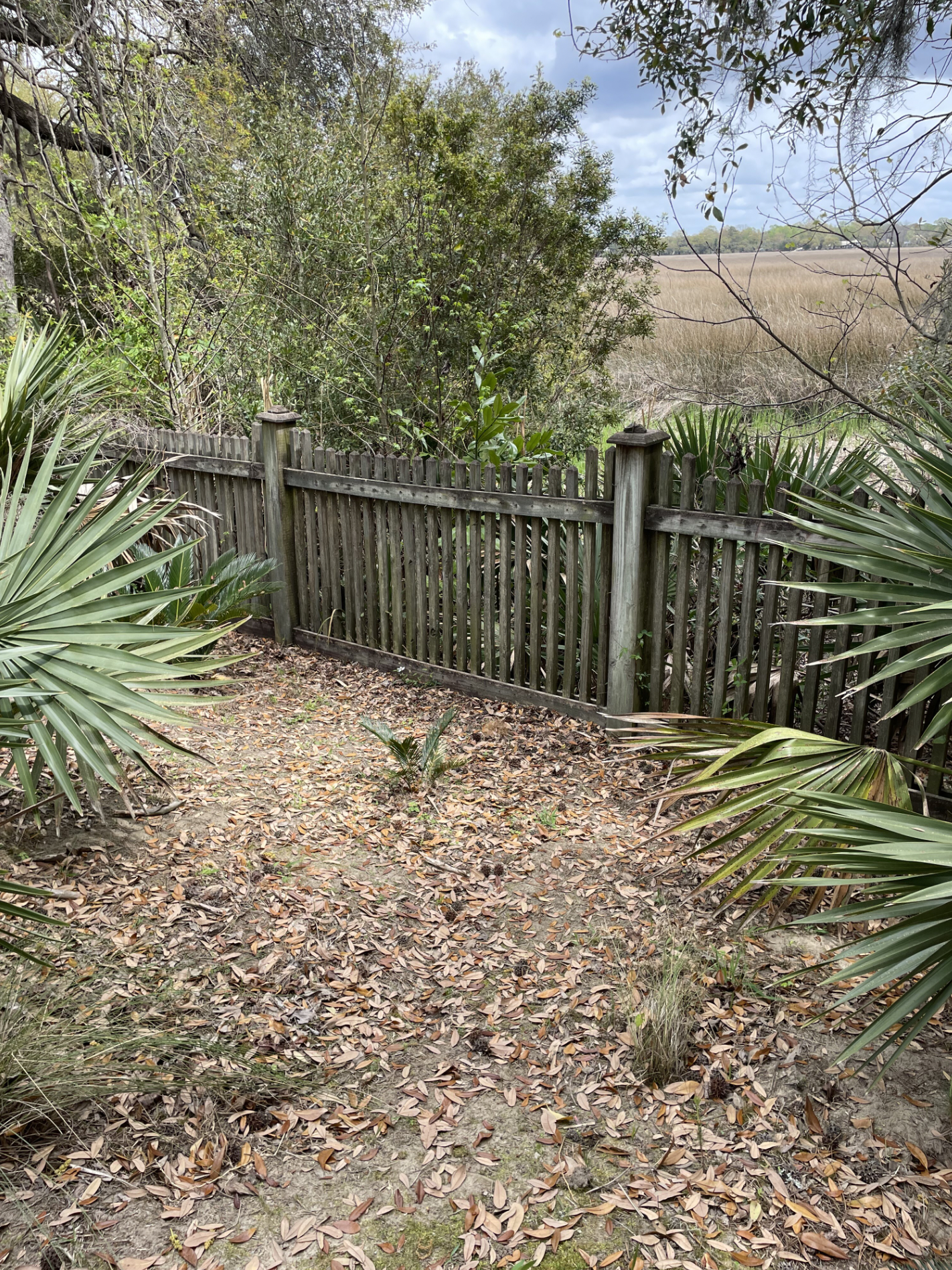
Before

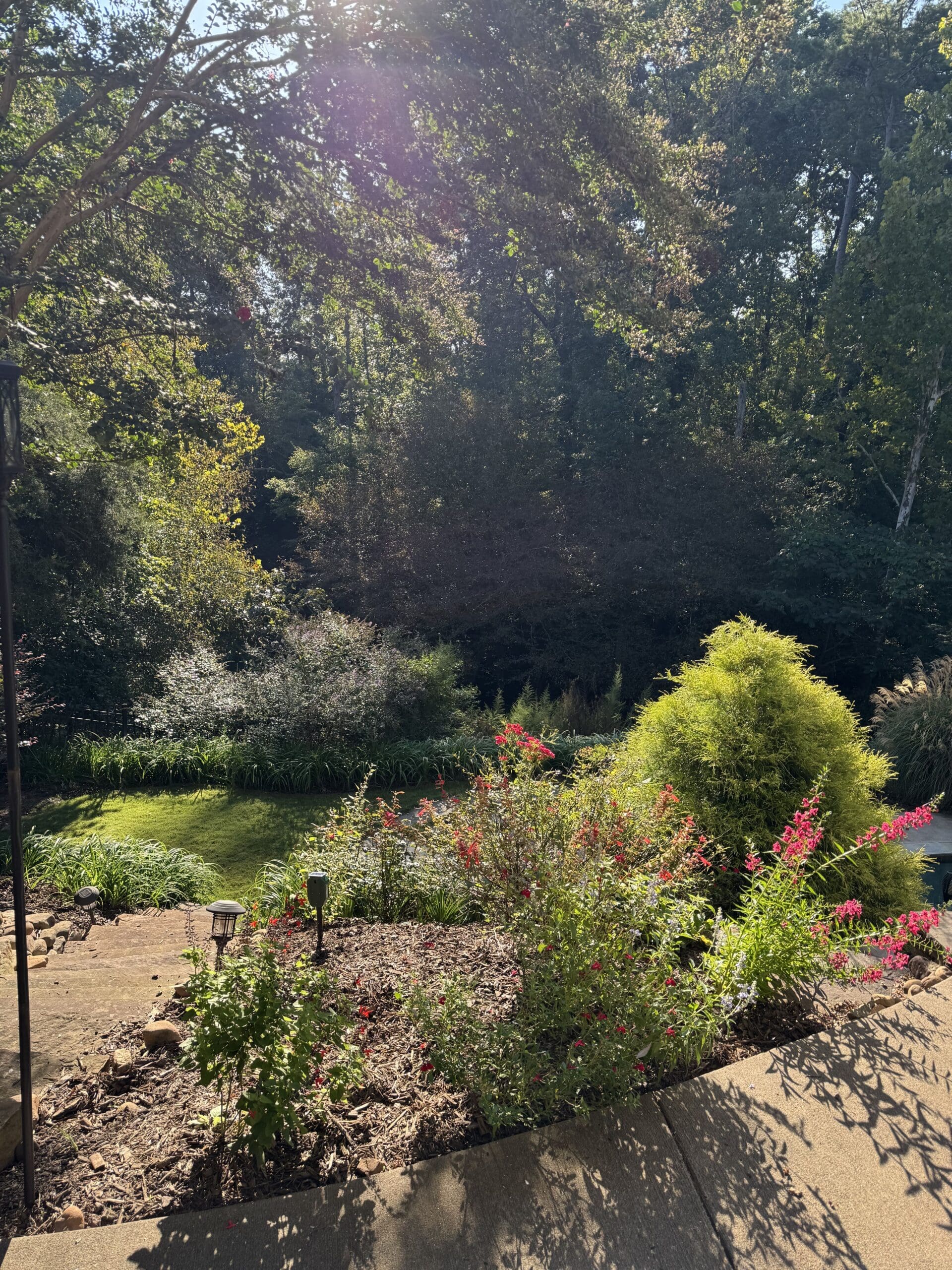
After
Property is adding native plant to support hummingbirds and butterflies.
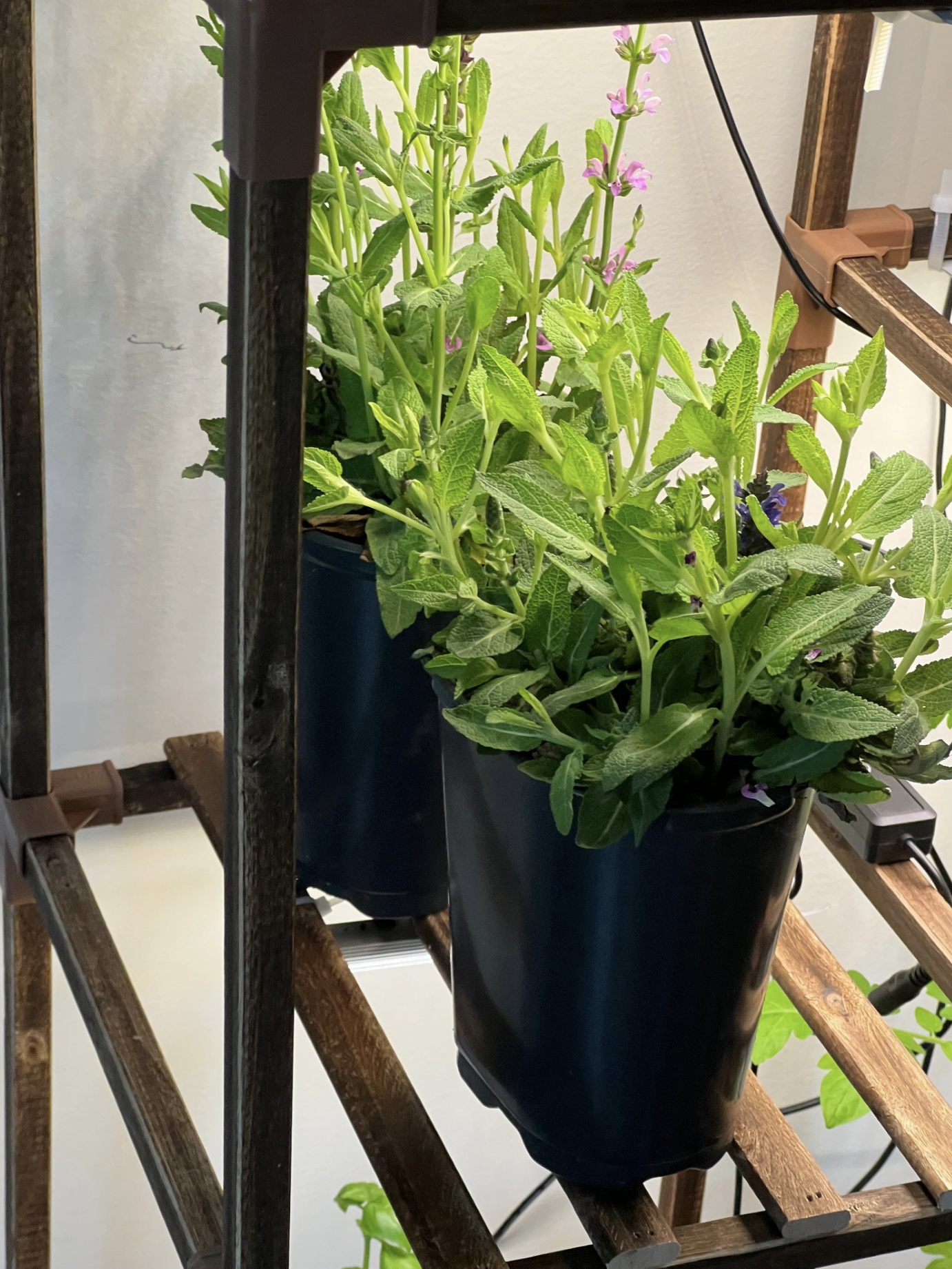
A new pot of bee balm and the salvia attracted hummingbirds, butterflies and bees. The perfect view out outside the homeowner’s office window.
Grass removed and pine straw in place with new natives being added to expand habitat for wildlife.
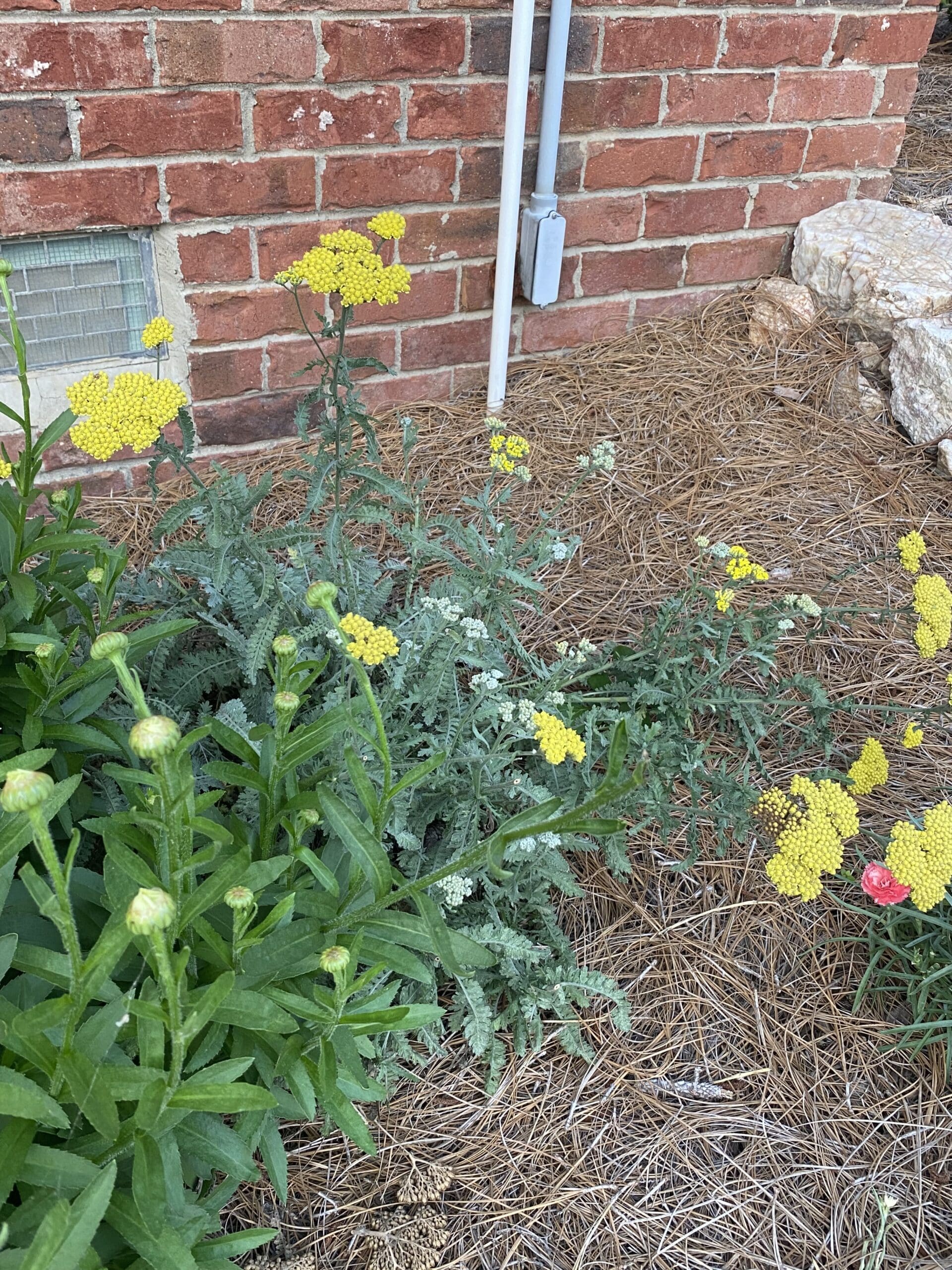
Native yarrow is a pollinator favorite. The birds will consume the seeds all winter, too.
Property owner is adding native plants to eliminate mowing along the shoreline and to support wildlife. The plan is to add blue mistflower (Conoclinium coelestinum).
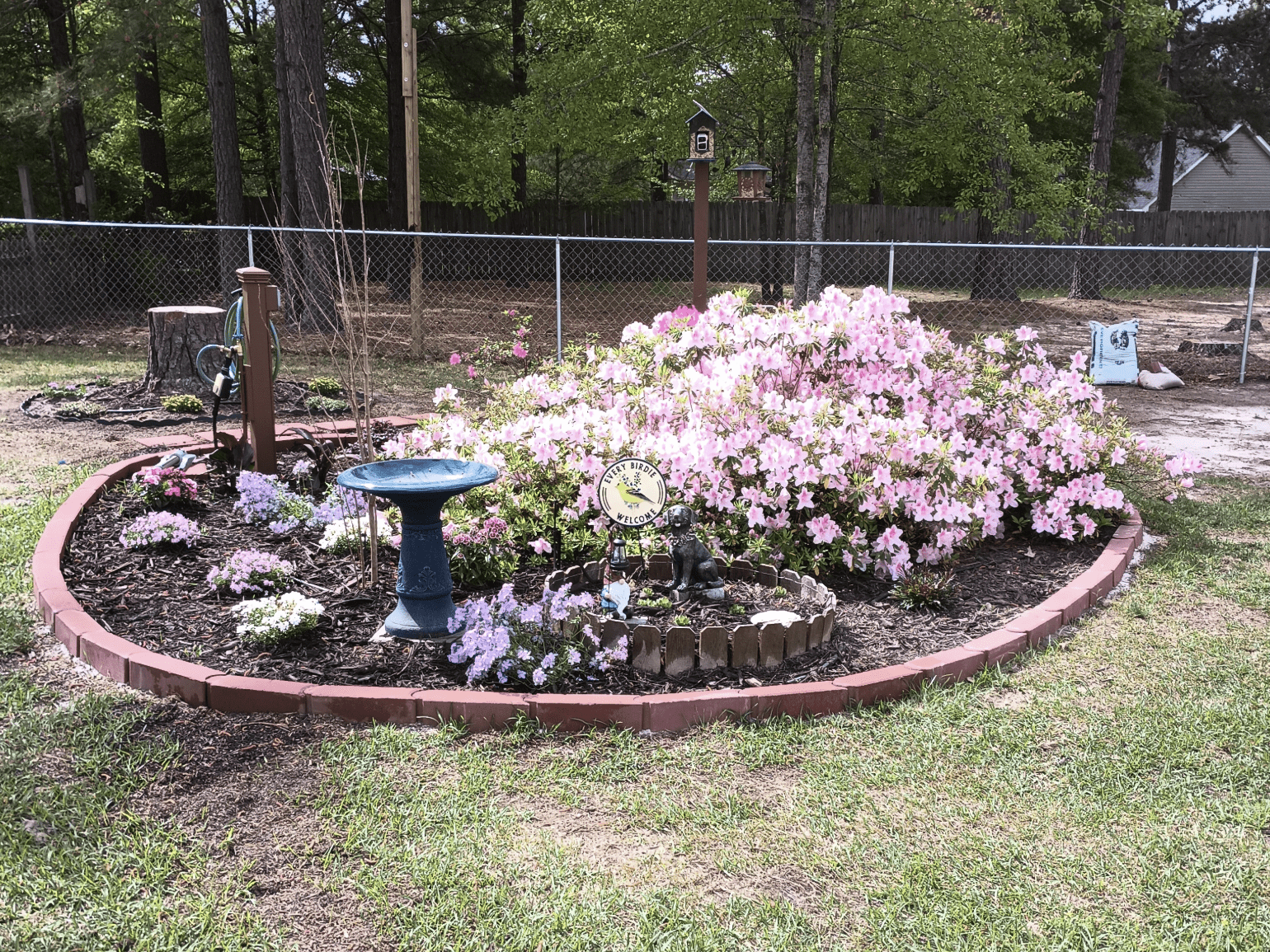
Lovely flowering gardens provide ample resources to local wildlife.
Site along the fence will be planted with natives to support biodiversity.
New bees, wasps and other insects were seen in the gardens this year.
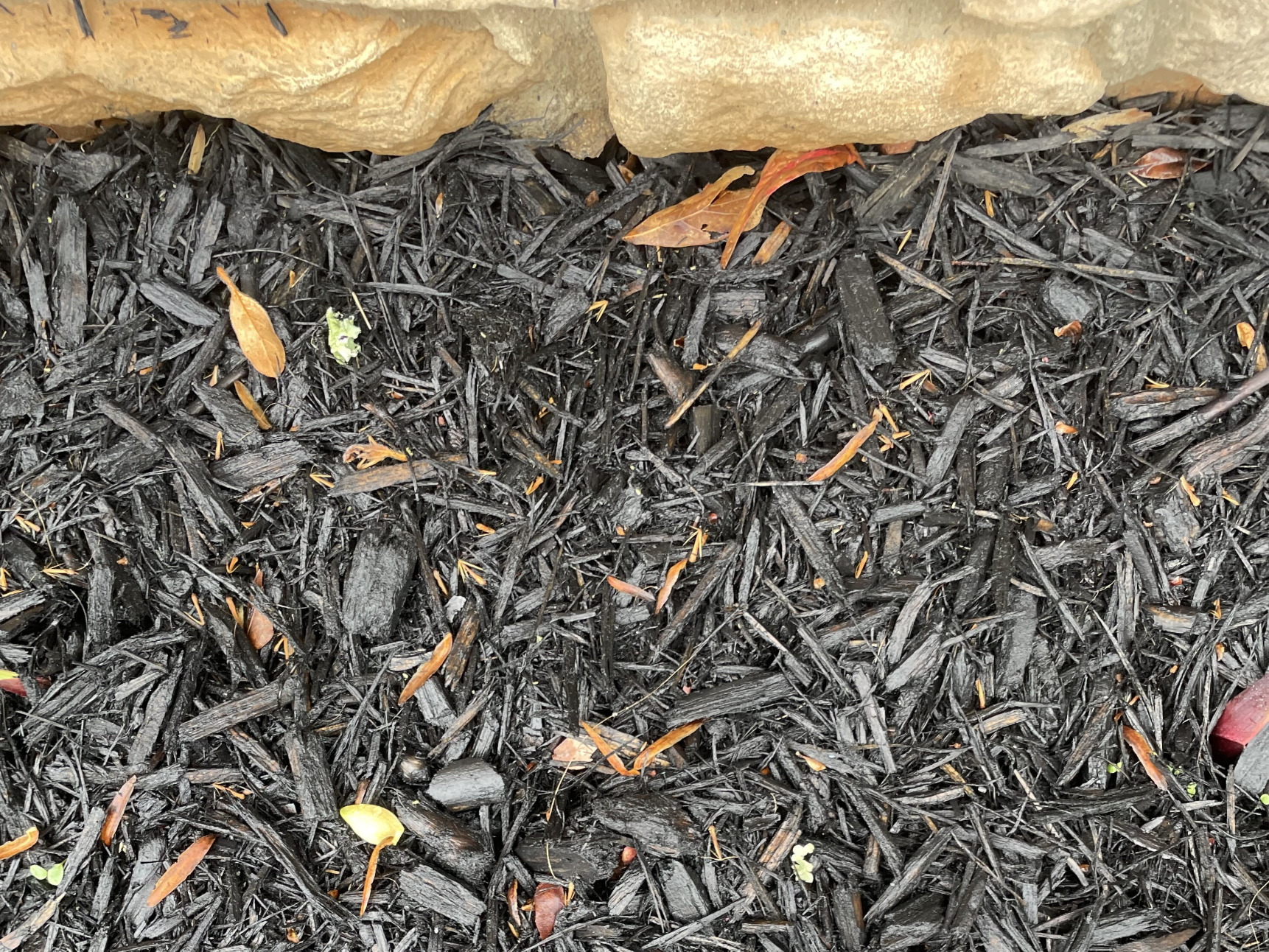
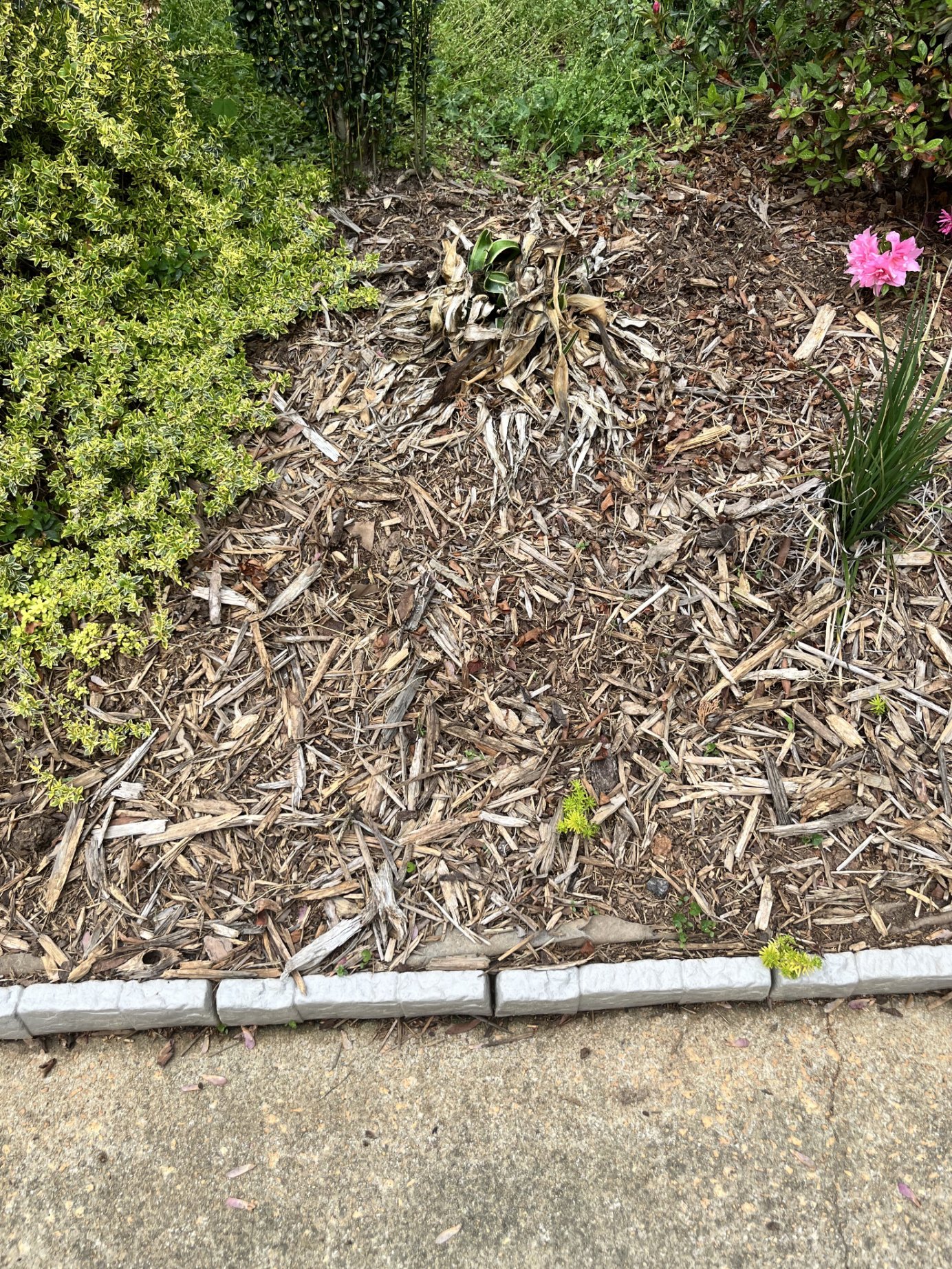
This mulch is awaiting some new native plantings.
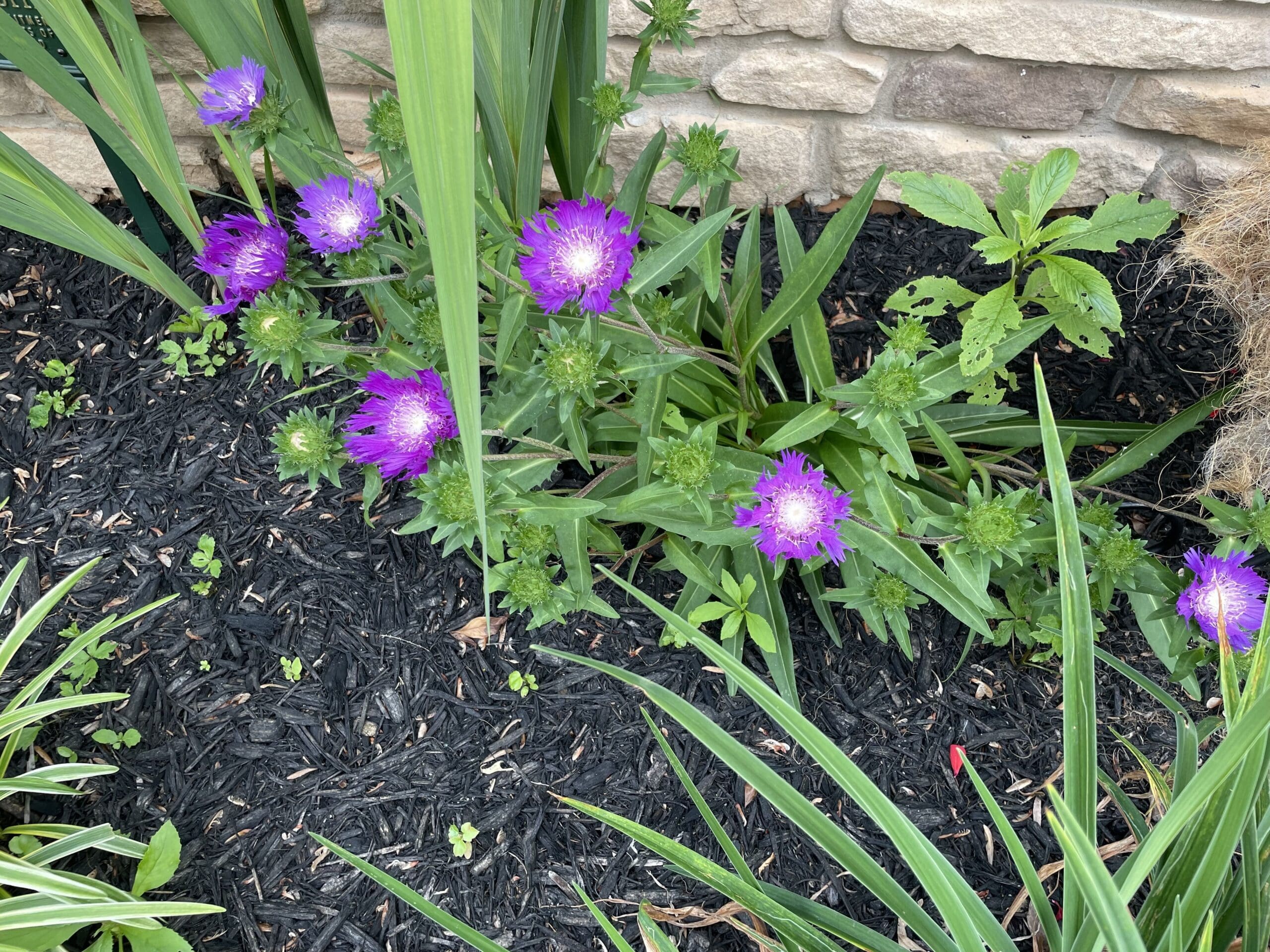
The Stoke’s aster is thriving in its new spot.
This garden on the forest edge has slow been reclaimed and transformed into habitat. The process will continue this year.
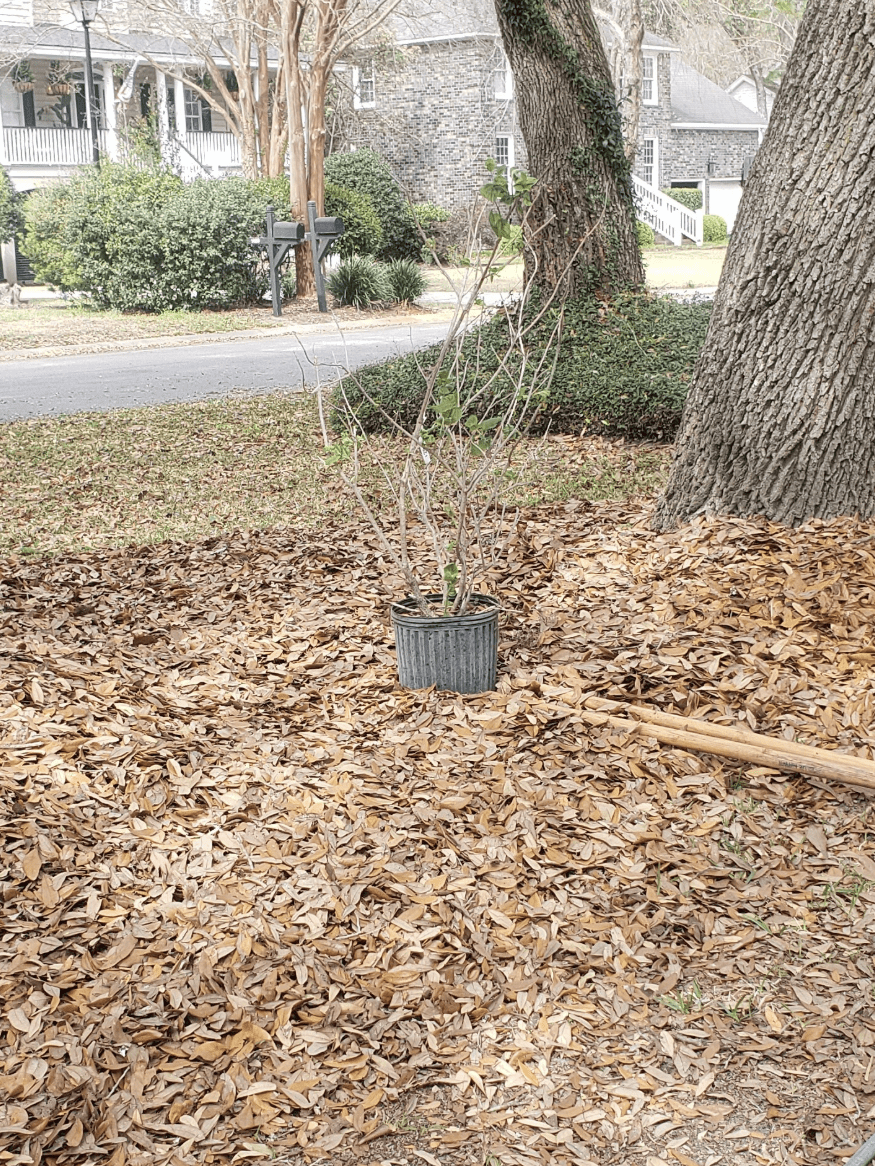
The beautyberry survived the drought and will hopefully settle in more over the winter.
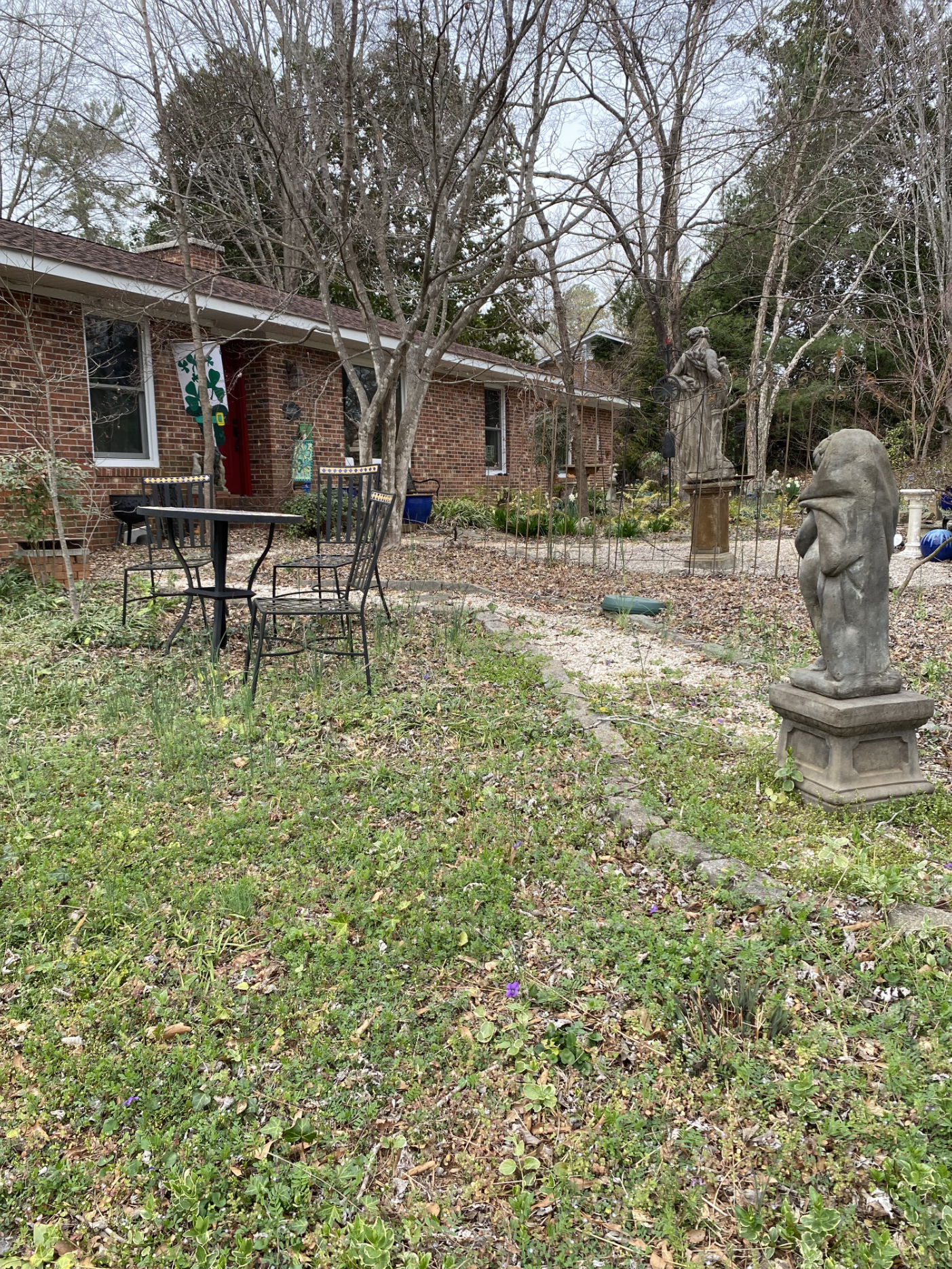
Lots of options for this front yard.
Beautyberry bushes were added. One struggled but both now are growing and one produced berries this year. As they fill-in more plants will be added to make this area a vibrant stop for birds.
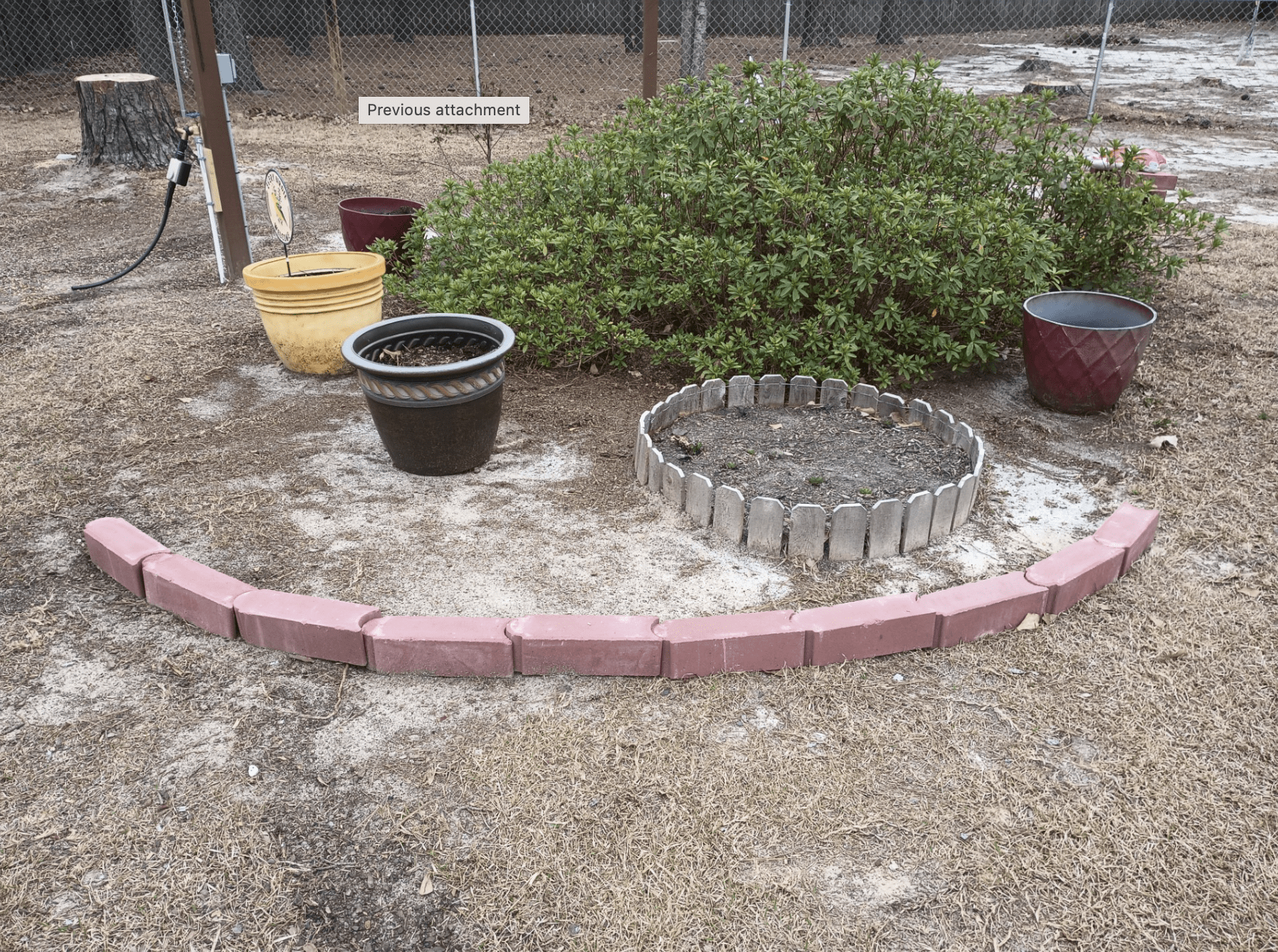
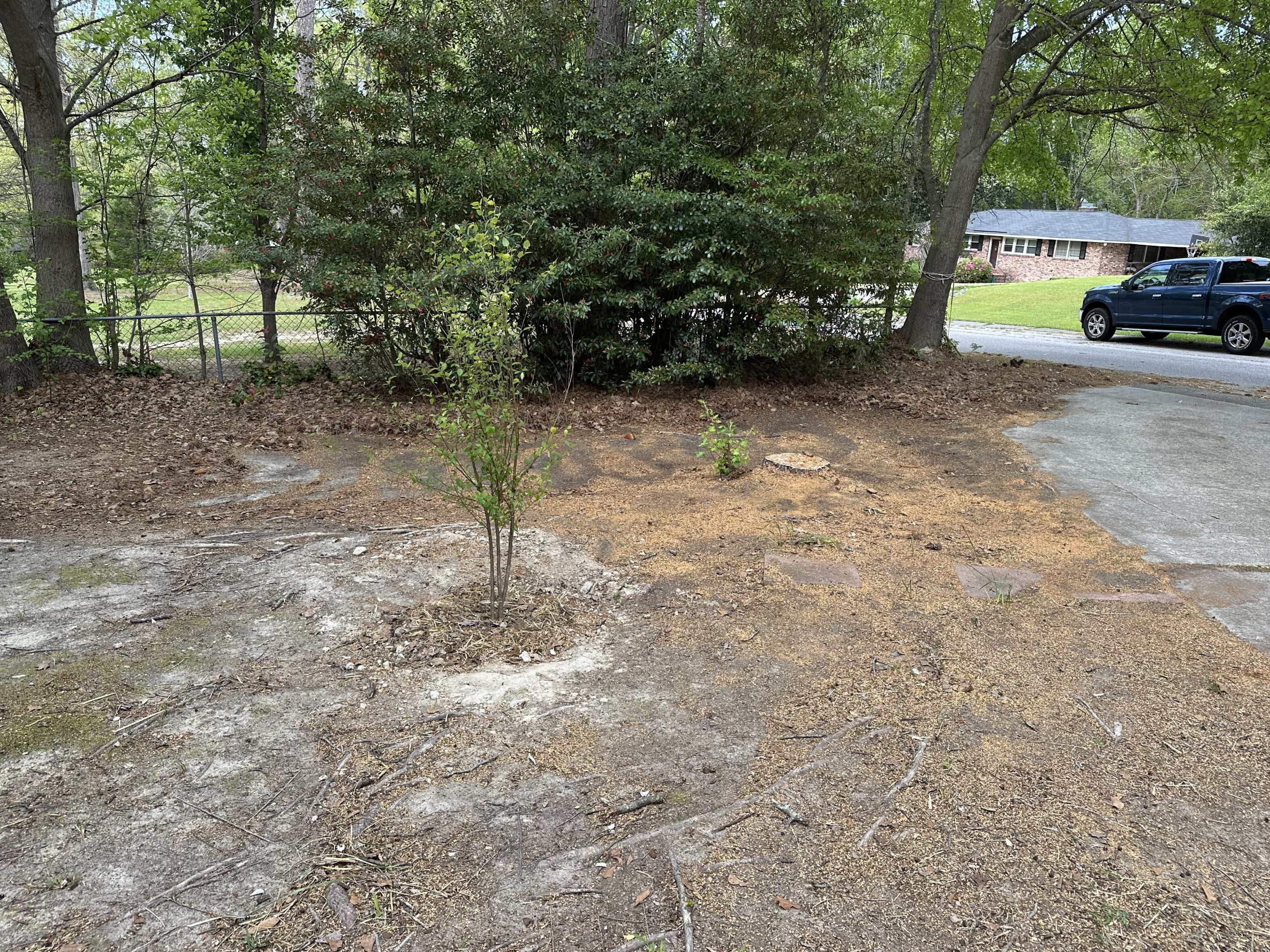
This barren space will receive a “native plant treatment” to provide resources for wildlife and pollinators.
Some plants added here to help birds
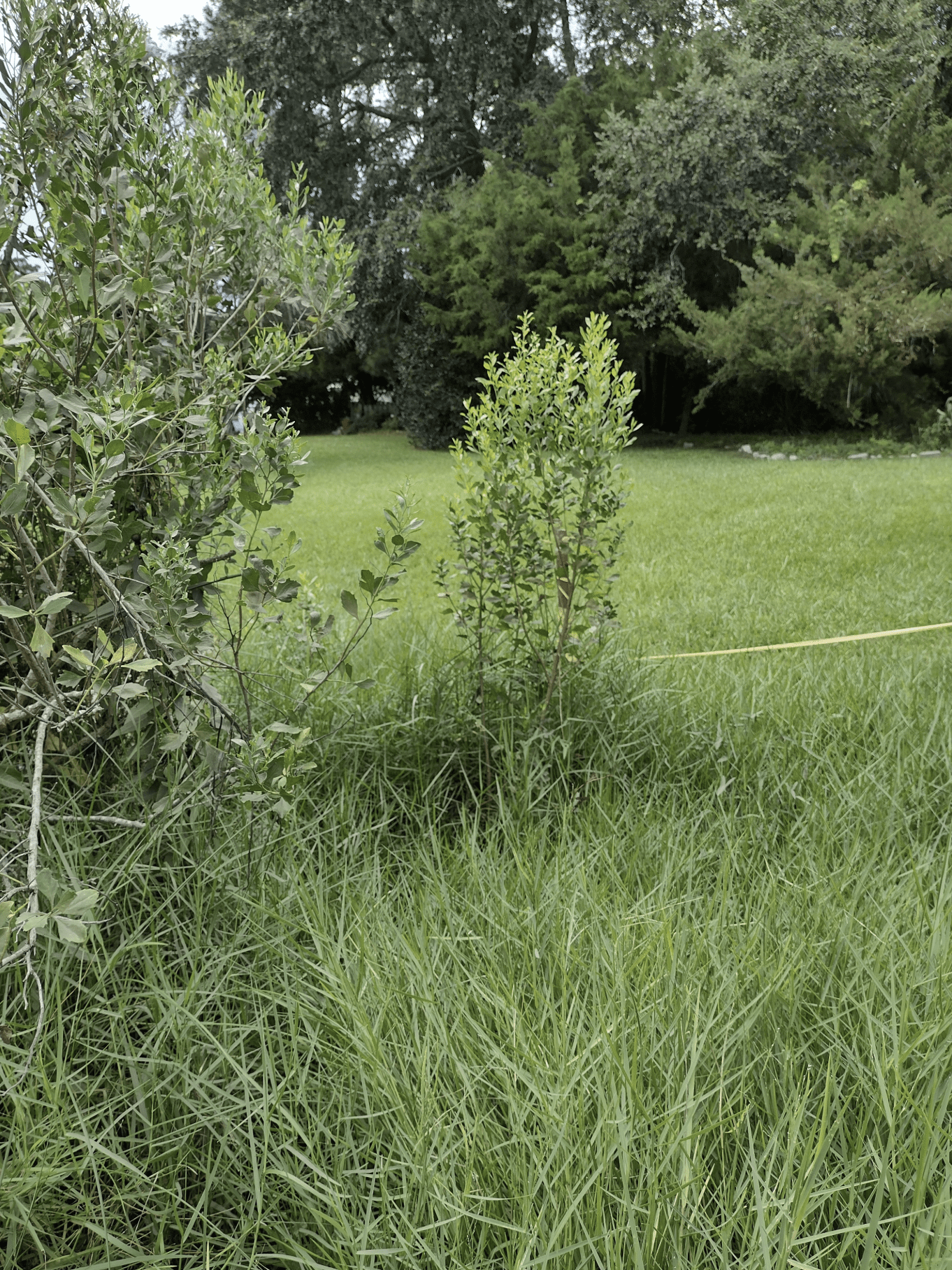
Adding a groundsel shrub to this filled in marshy area. The butterflies lay their eggs on it, which become caterpillars –food for birds and nestlings.
New shrub is establishing well and adding ecological value to the land.
Property owner is adding native plants to eliminate mowing along the shoreline and to support wildlife. The plan is to add blue mistflower (Conoclinium coelestinum).
New garden along the waters edge. Small bees, butterflies on the Blue Mistflower, and hummingbirds on the Swamp Sunflower.

Remaining Before Photos

Homeowner wants more native plants in yards to help birds.
Homeowner is add natives in all garden beds as they believe they are best for the climate, useful for birds, and beautiful. Triple win!
Certified yard that has removed the lawn but will be adding to and improving habitat for birds this spring.
Lawn was removed but storms, hurricanes and cold winters have impacted native plants, which will be tended to this spring and summer.
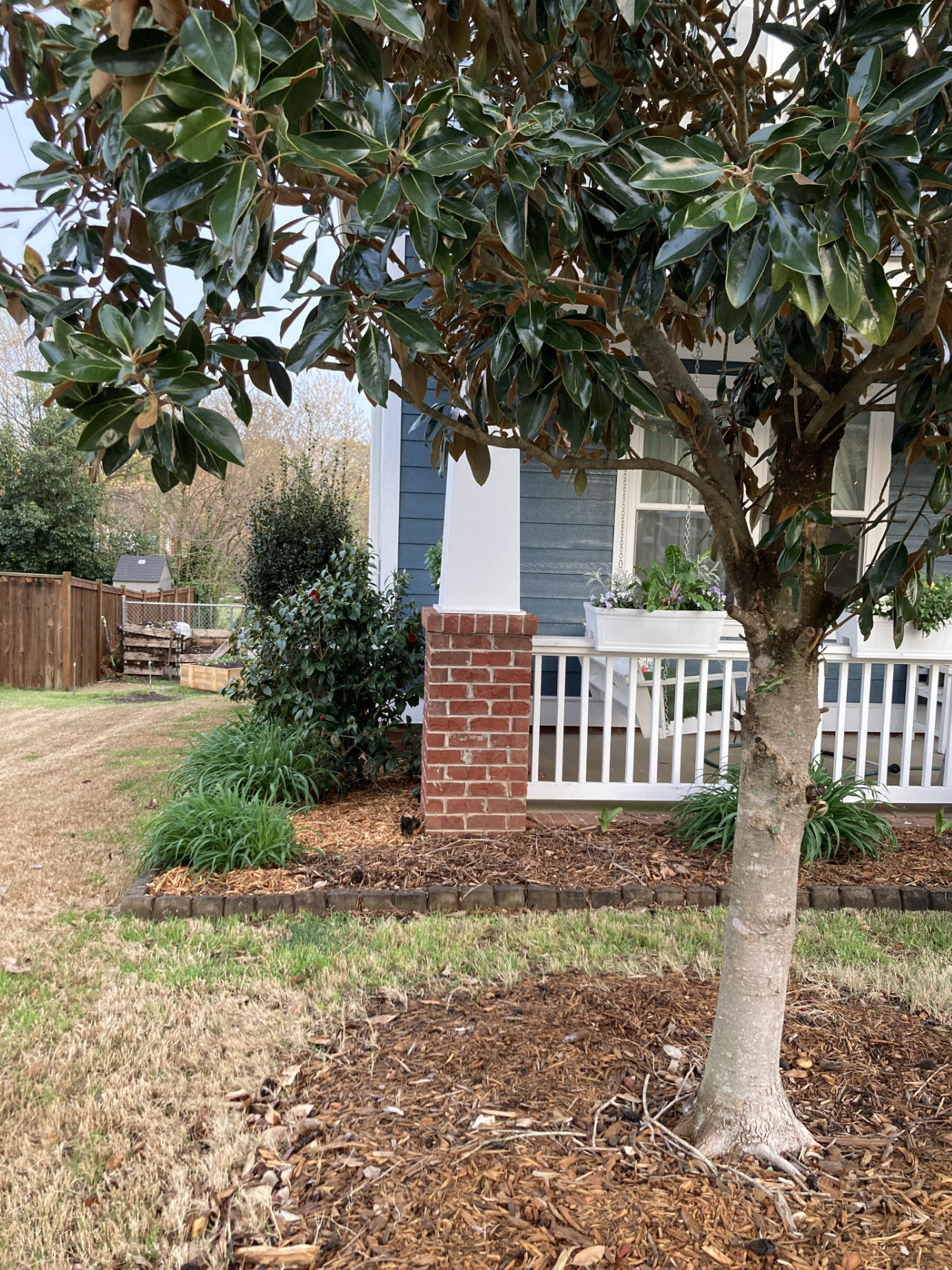
Spots around the house and tree will receive a “native plant treatment” to support biodiversity.
This salvia is about ready to be added to the gardens to support birds and butterflies.
Property has removed invasive Bradford pears and replace them with native choices for wildlife.
Several invasive Bradford pears have been removed and replaced with more beneficial native shrubs and trees.
Lots of new natives are starting to take off.
More native plants = more bird visitors!
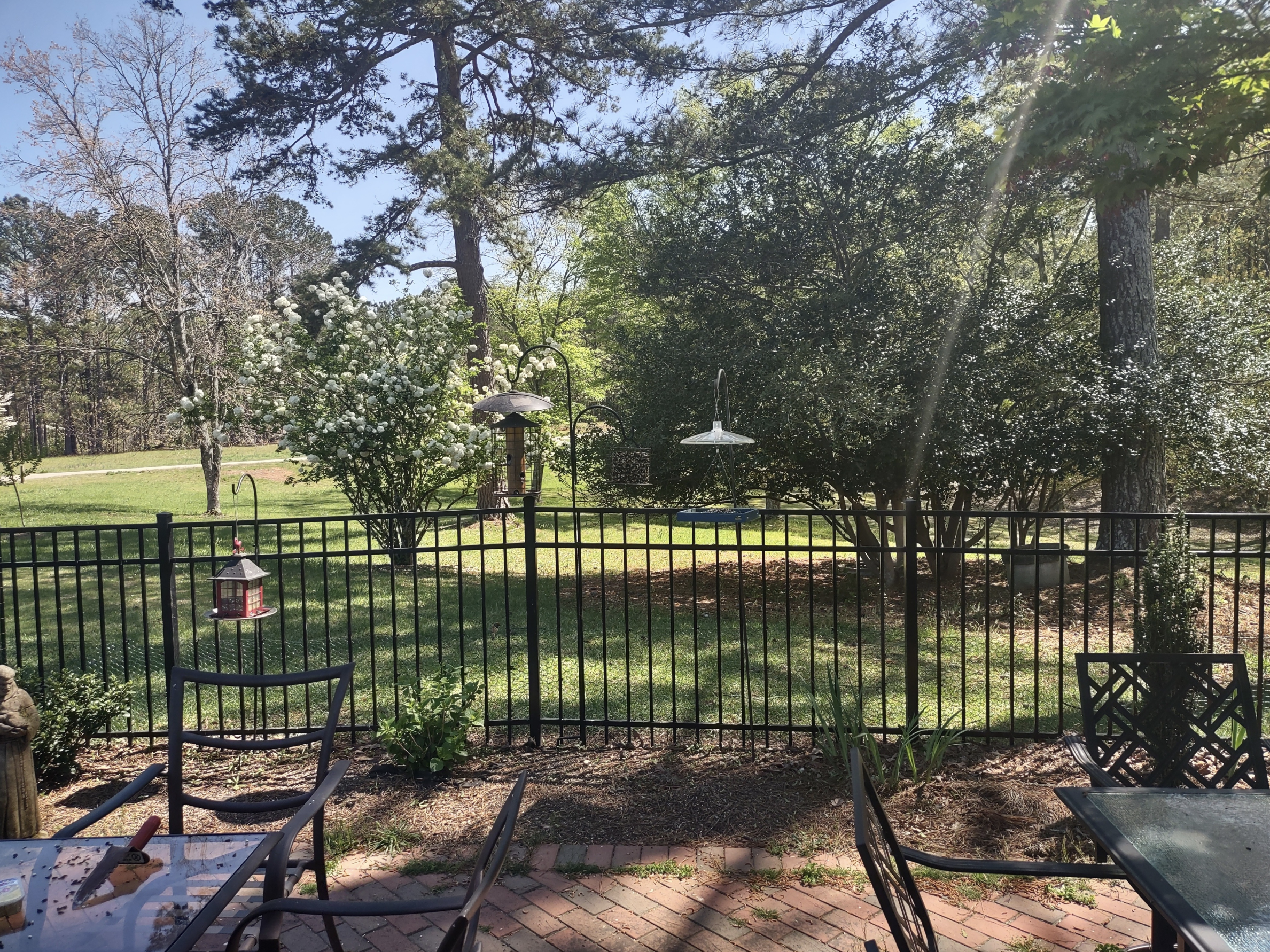
Homeowner is adding natives to this patio to attract birds, butterflies and other insects.
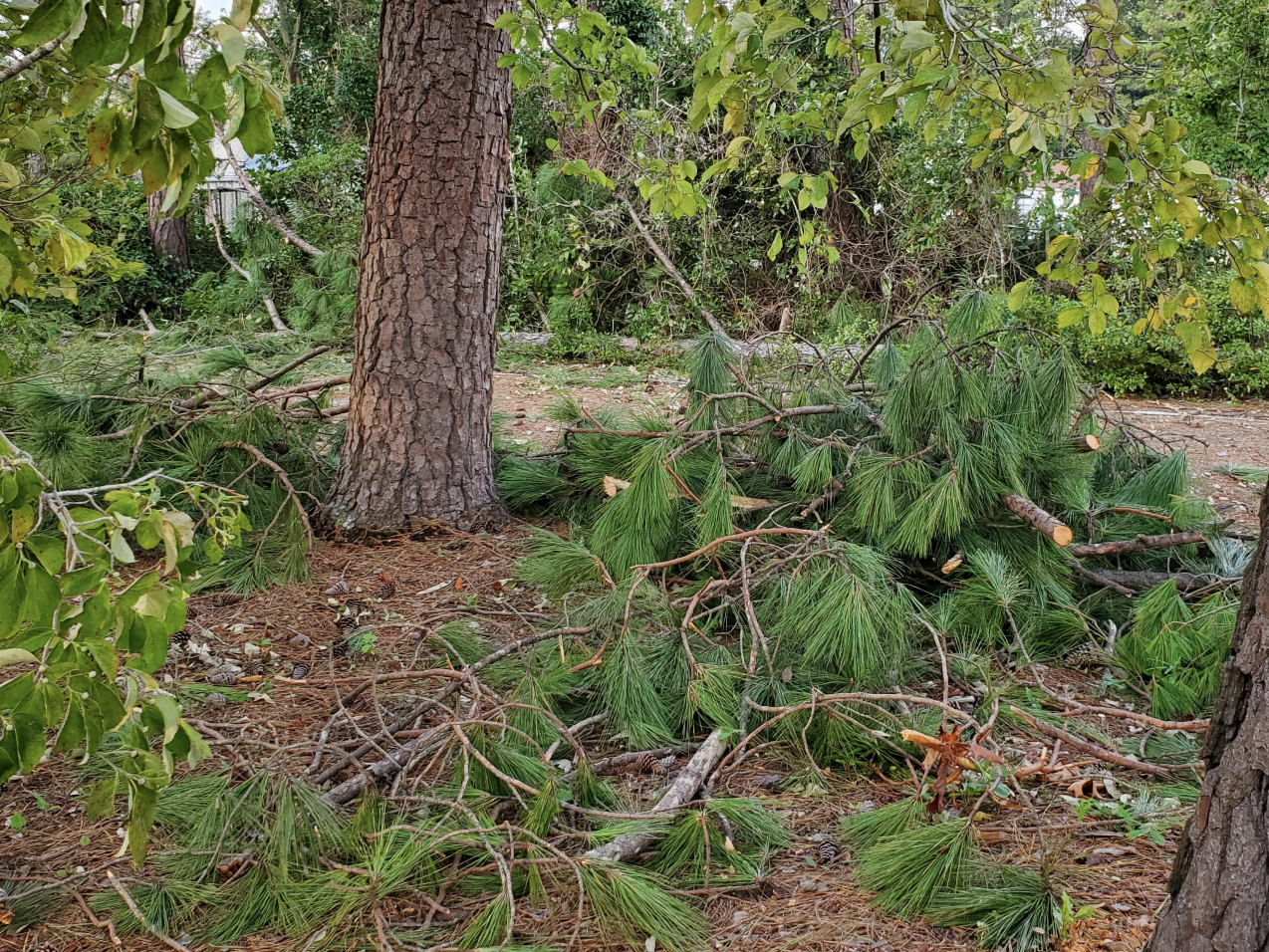
Hurricane Helene damaged pines on this property which created more light where native plants will be added.
Due to this being a rental, they will use a raised bed on the porch planted with scarlet sage and lyreleaf sage.
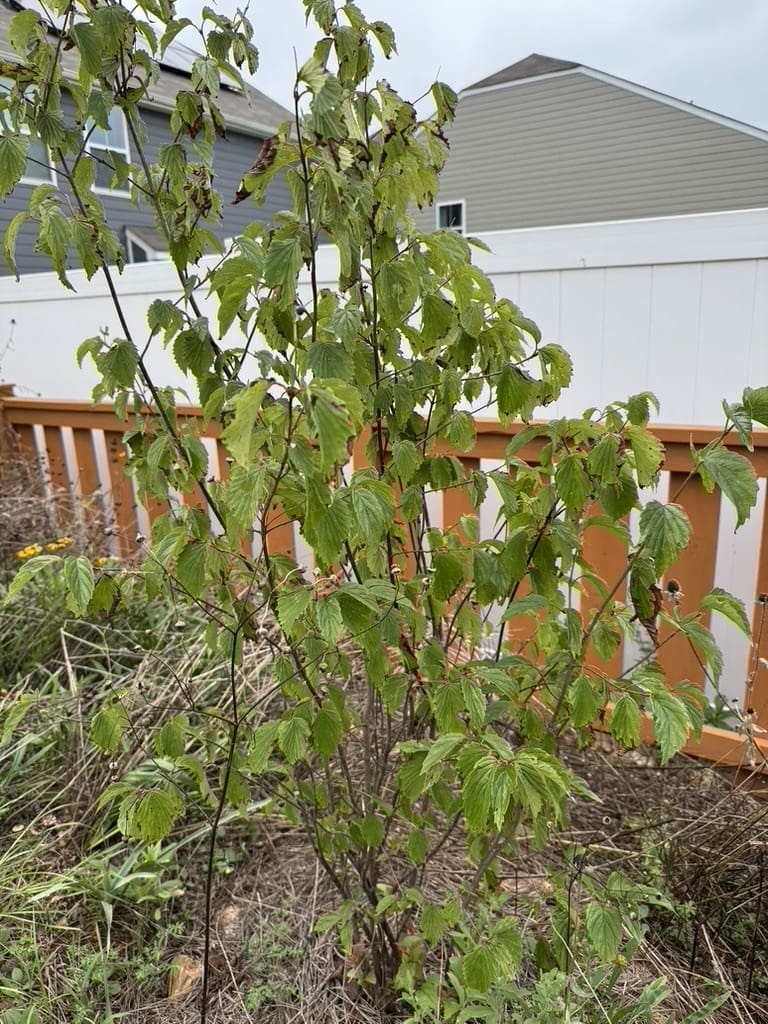
Three bird-loving berry shrubs–American beautyberry, highbush blueberry and arrowwood–will be added to support the many birds on this property.
This site has poor soil, but backs up onto woods. They will add plants to help birds, bees, and pollinators
Lots of options for native plants that can tolerate dappled sunlight.
The plan is to add purple coneflower to this garden bed.
Spring has started on this site and additional native plants will be added.
Three bird-loving berry shrubs–American beautyberry, highbush blueberry and arrowwood–will be added to support the many birds on this property.
Yard is getting a native plant treatment to help birds!

Stay connected to the Great Backyard Bird Count.

By subscribing to stay connected to the Great Backyard Bird Count, you agree to receive communications from The Cornell Lab, Audubon, and Birds Canada. You may unsubscribe from any of the organizations' communications at any time.