

Washington 2025

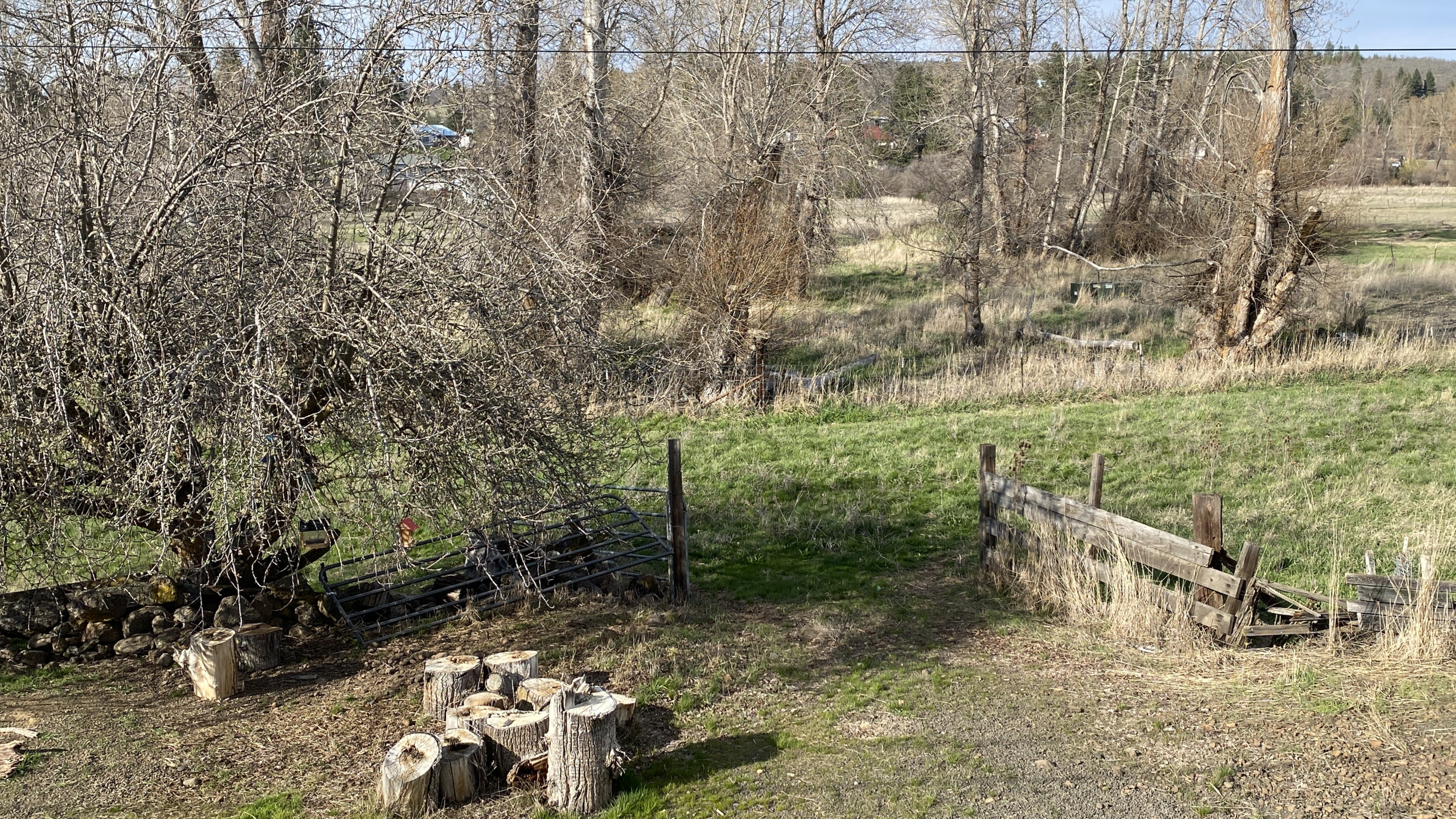
Before

After
This property has a great start on supporting biodiversity and they want to keep going!
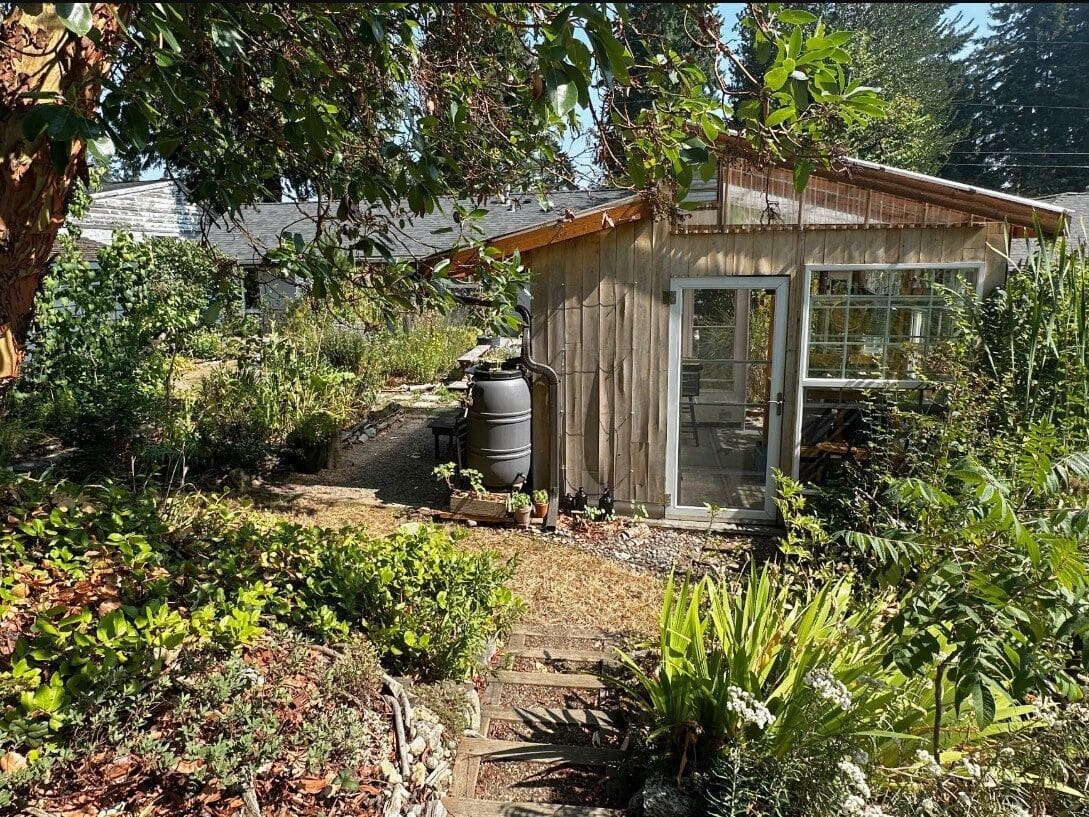
This gardener has been creating habitat since 2020, and grows their own native plants in the greenhouse. They are constantly disovering new-to-the garden insects, and also were visited by Wilson’s Warbler and Great Horned Owl.
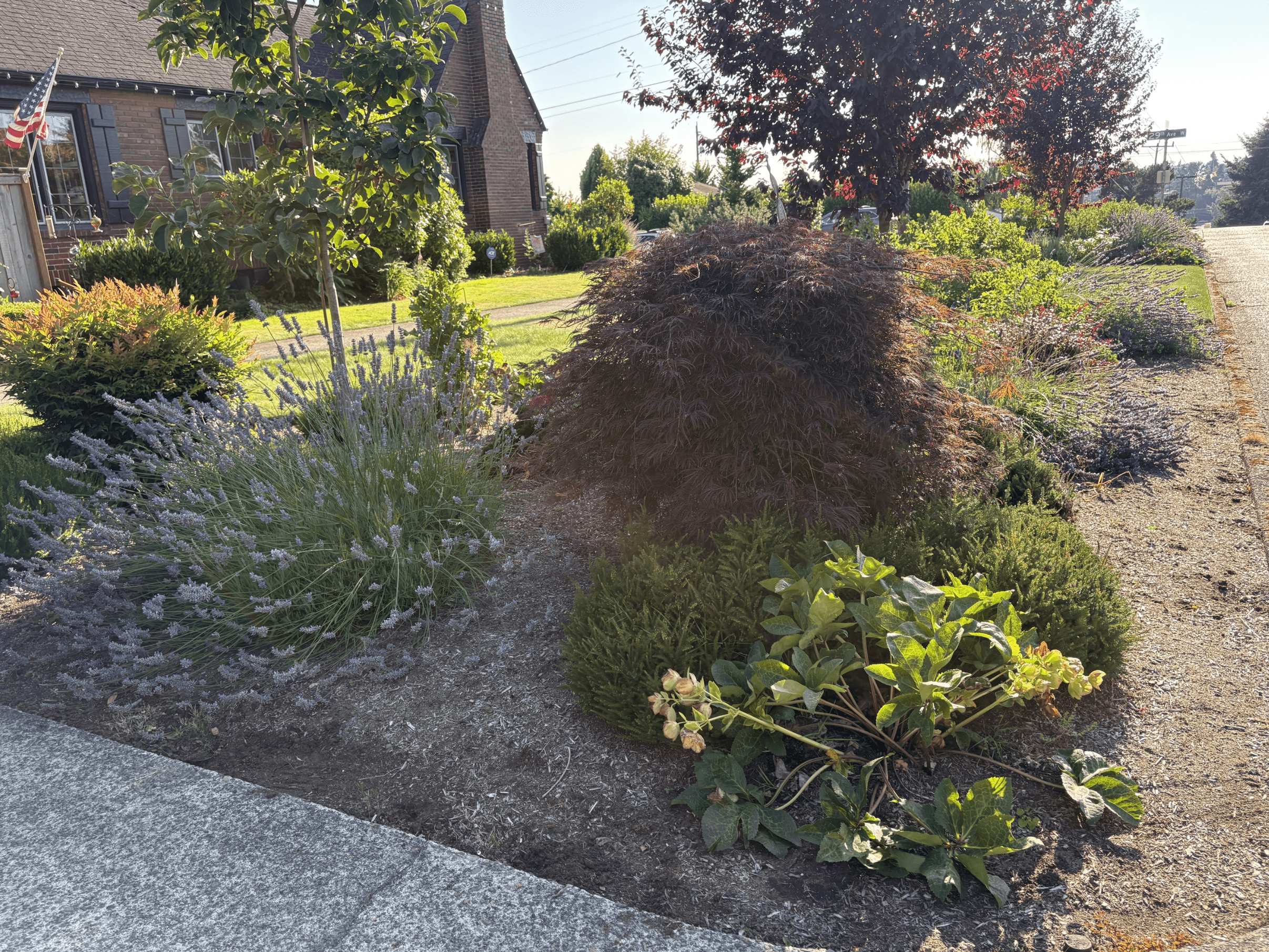
This area was a dandelion filled strip that was transformed starting a couple of years ago. More plants are added every year.
Now the site is celebrated by human and non-human visitors. Hundreds of pollinators can be seen and heard foraging in this new, diverse green space.
Video of a large border around the yard where native plants will be added to provide more habitat for wildlife.
Birds have been foraging in the new bushes and eating the new seeds.
Homeowner is replacing grass and weeds with snowberries and kinnikinnick (bearberry) ground cover to better support birds.
The new bushes are already producing snowberries!
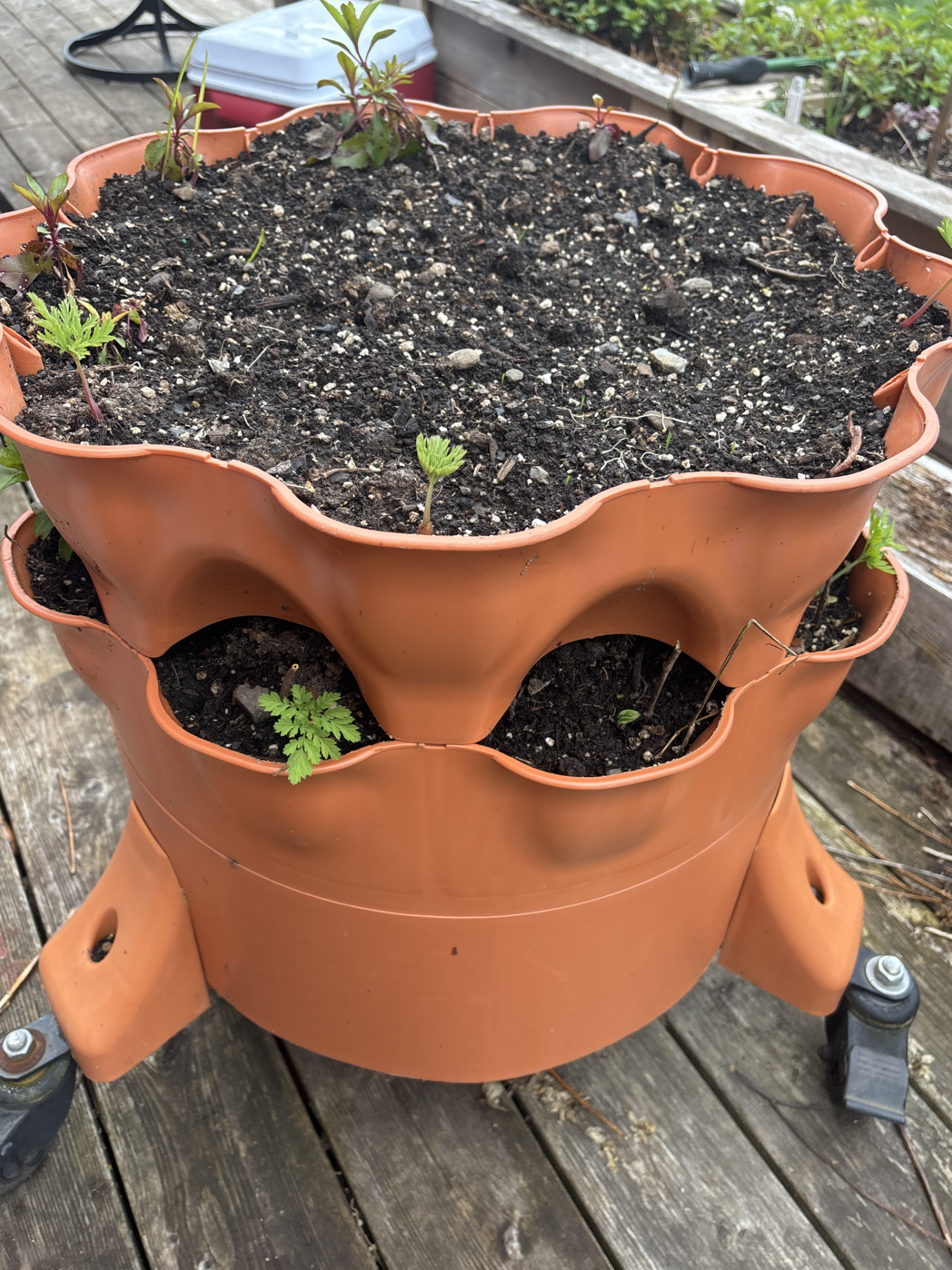
Bleeding heart (Dicentra formosa), columbine (Aquileglia formosa) and pentstemon (Pentstemon serrulatus) were added to this native plant tower to add even more resources for biodiversity.
Monkeyflower, bleeding heart, penstemon and colombine attracted Rufous and Anna’s Hummingbirds
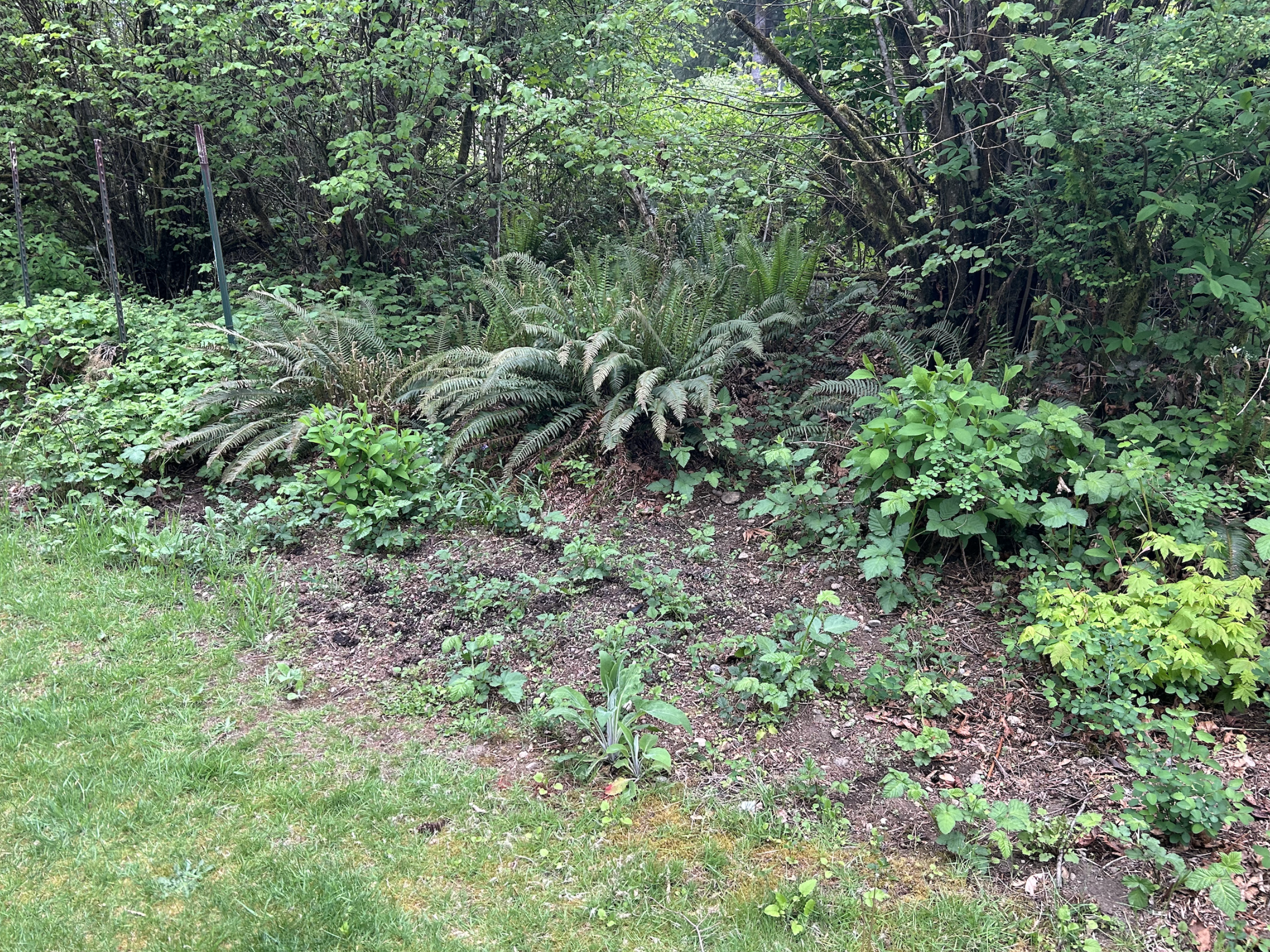
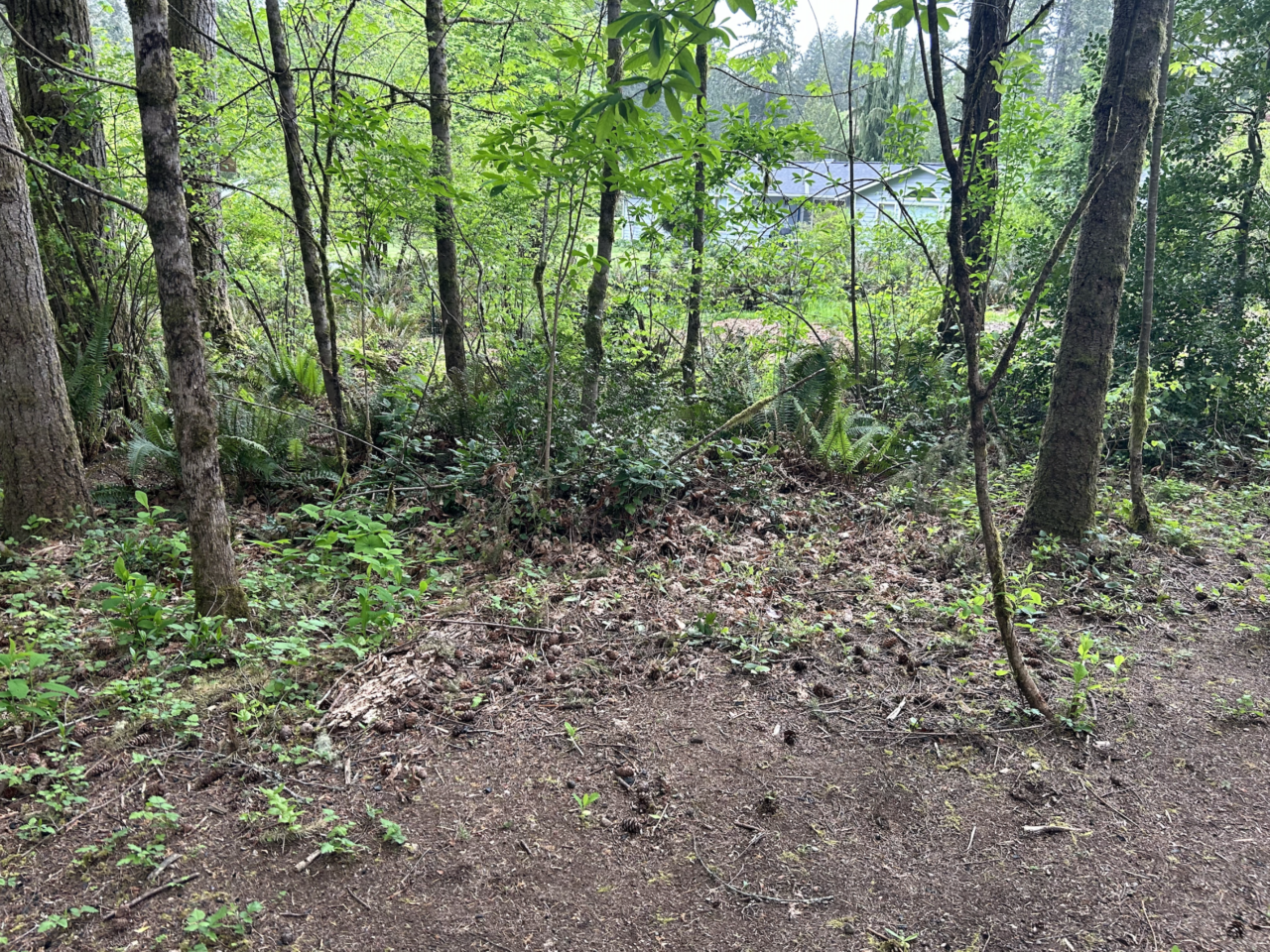
Lots of shade lots of potential for great native plants.
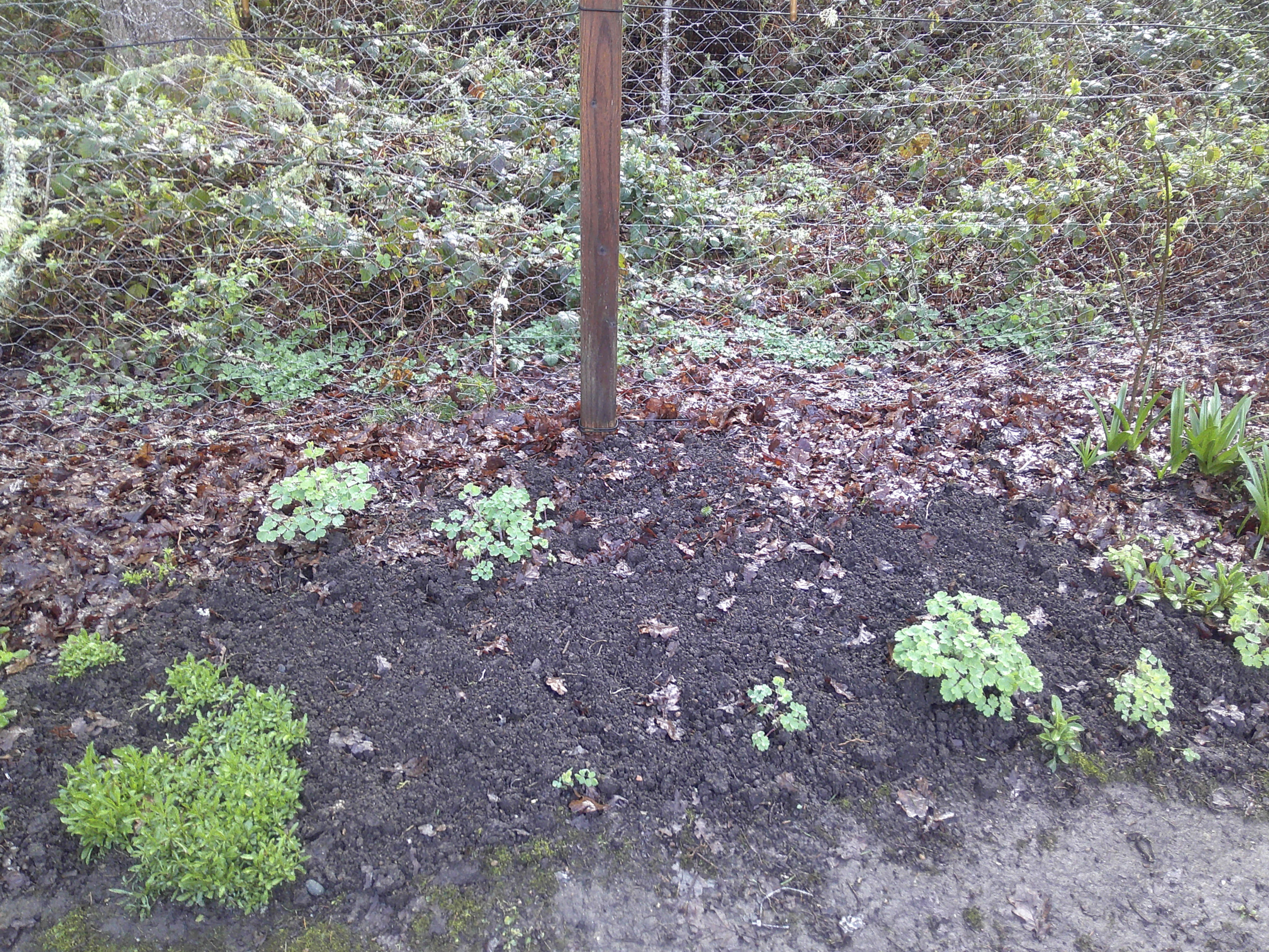
This site received 11 additional natives, wild strawberry, and a divided wood sorrel, which will be planted elsewhere. The grass will continue to be removed. And, a new wildlife sighting included a mole.
Planning on planting Canada goldenrod (Solidago canadensis) to support birds, bees and add color. There is tall Oregon grape (Mahonia aquifolium) growing in this area.
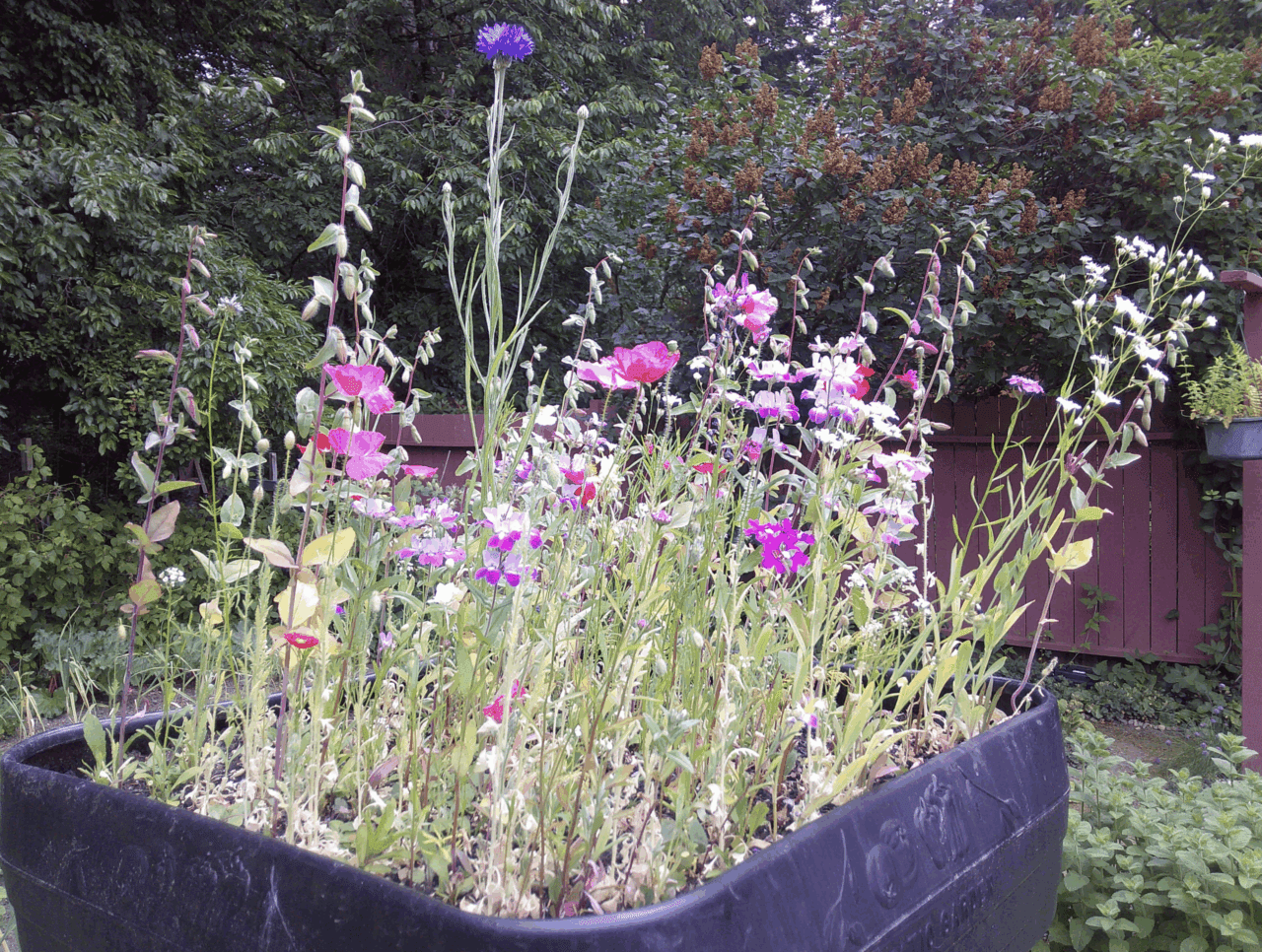
Extra watering caused weeds, but lots of bees were seen on some flowers. After homeowner visited a local nursery. they decided on native plant seed mix. Another year or two and this spot will be filled.
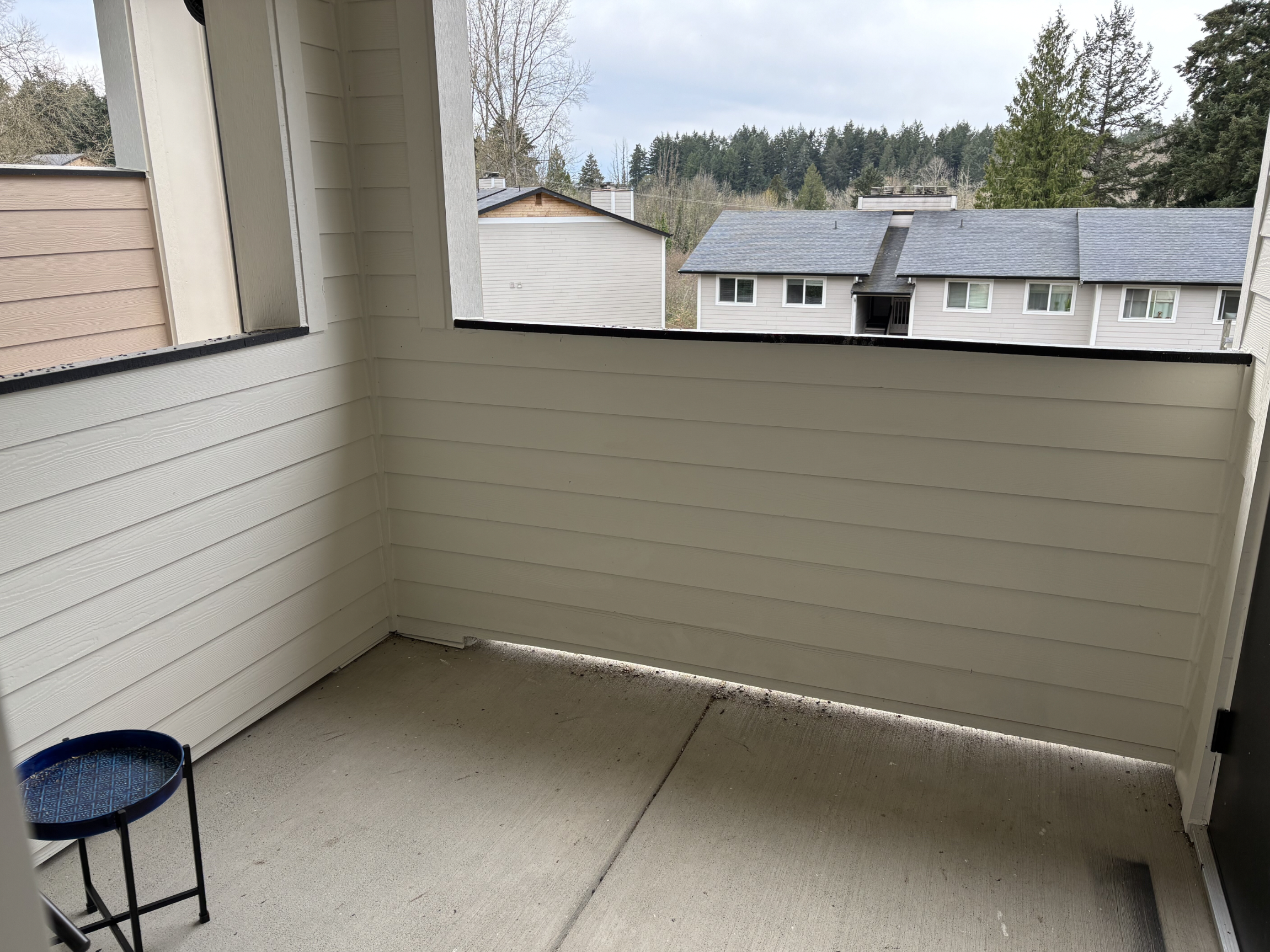
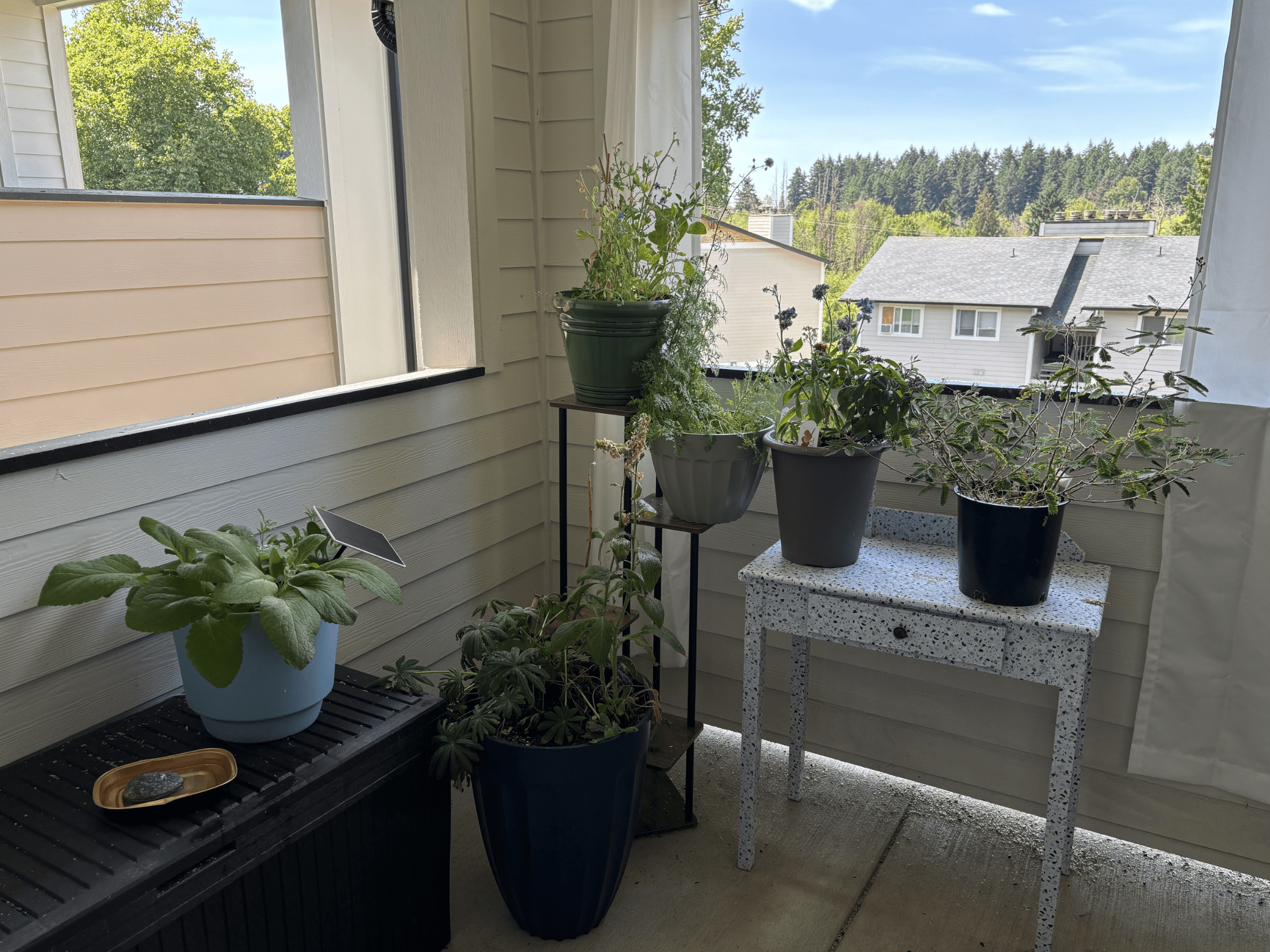
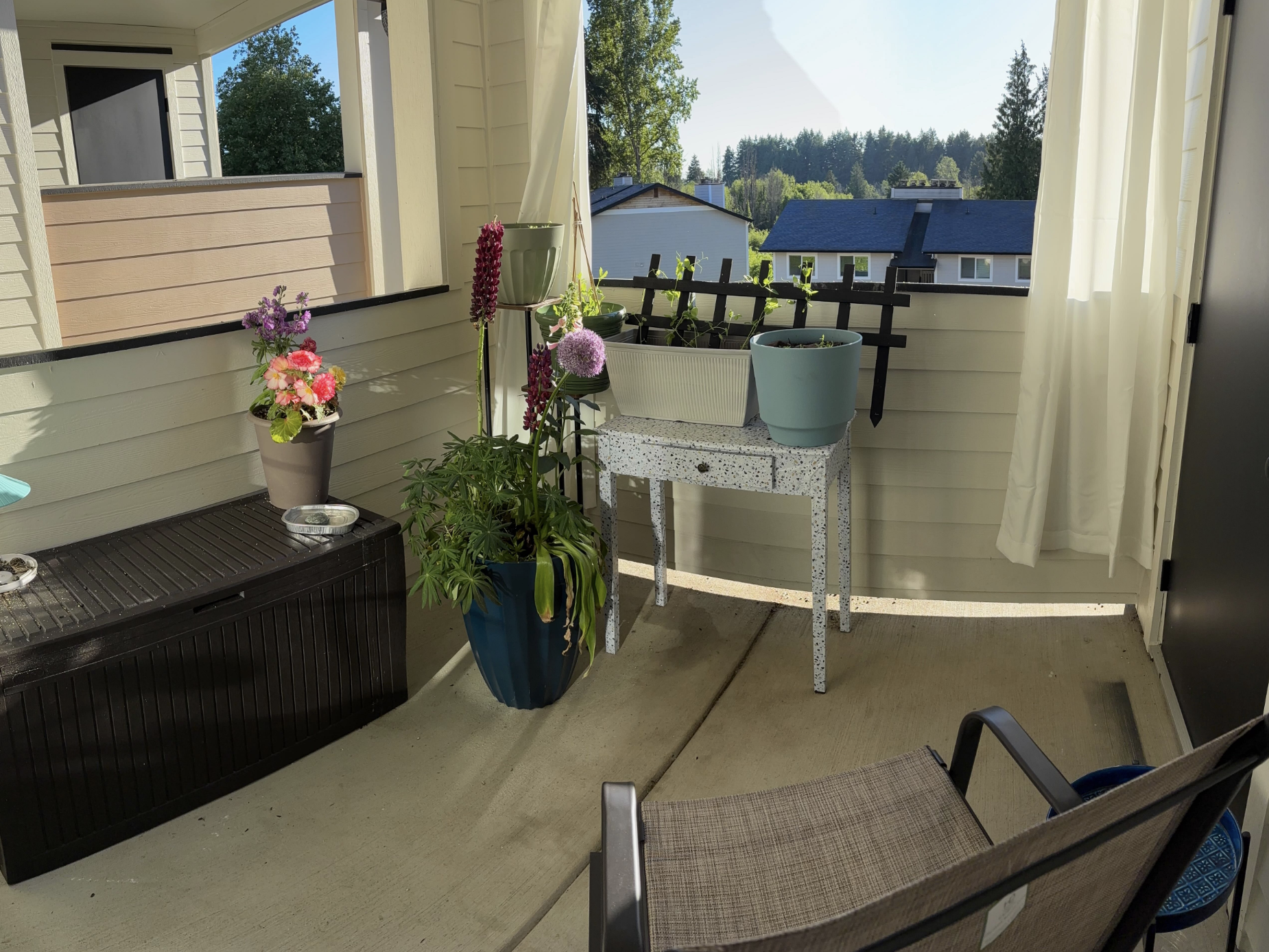
The plan is to make a better space for birds with plants to cheer up the balcony.
A delightful greenspace of plants was created on this balcony–providing habitat and a relaxing place to sit.
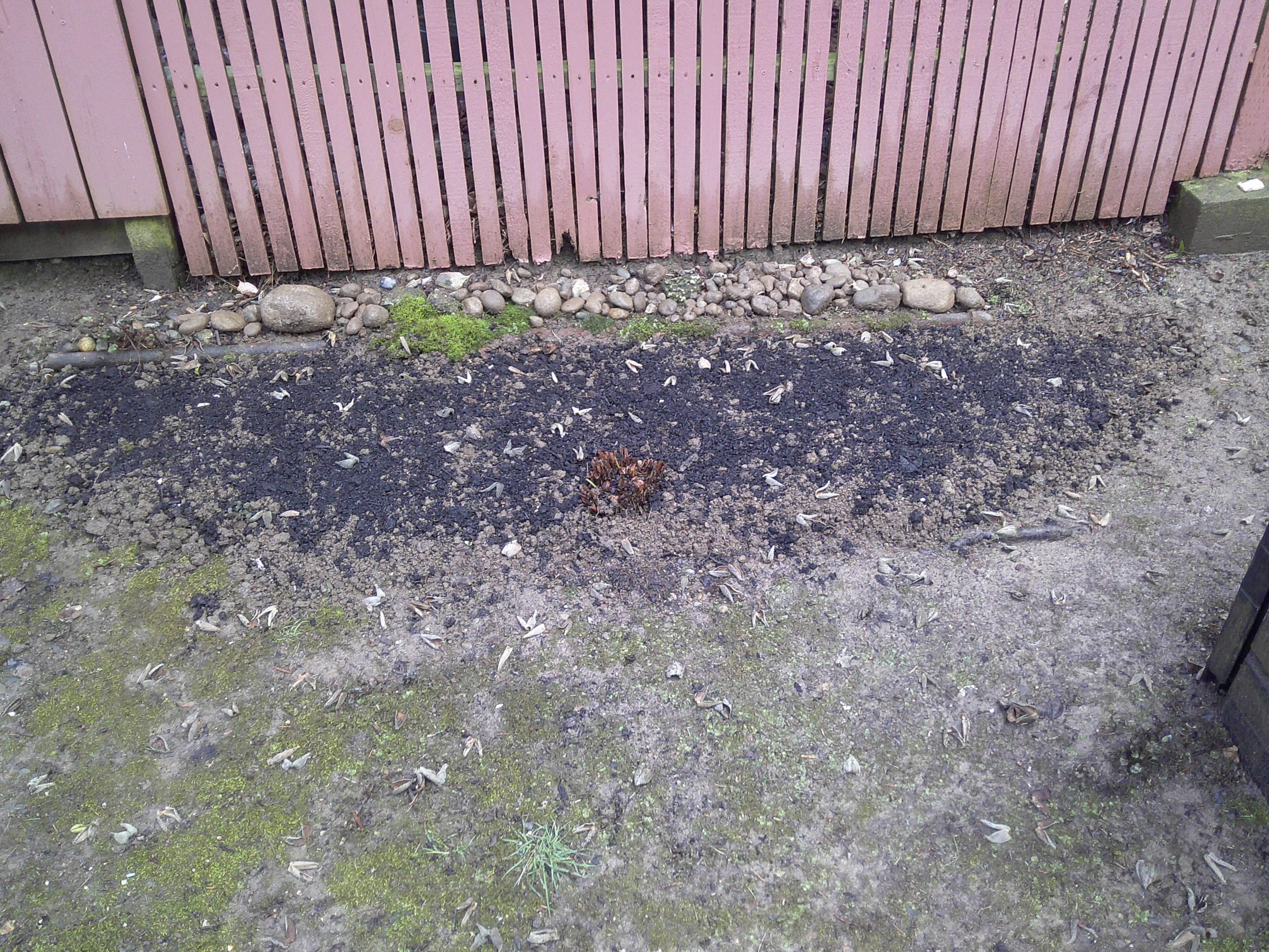
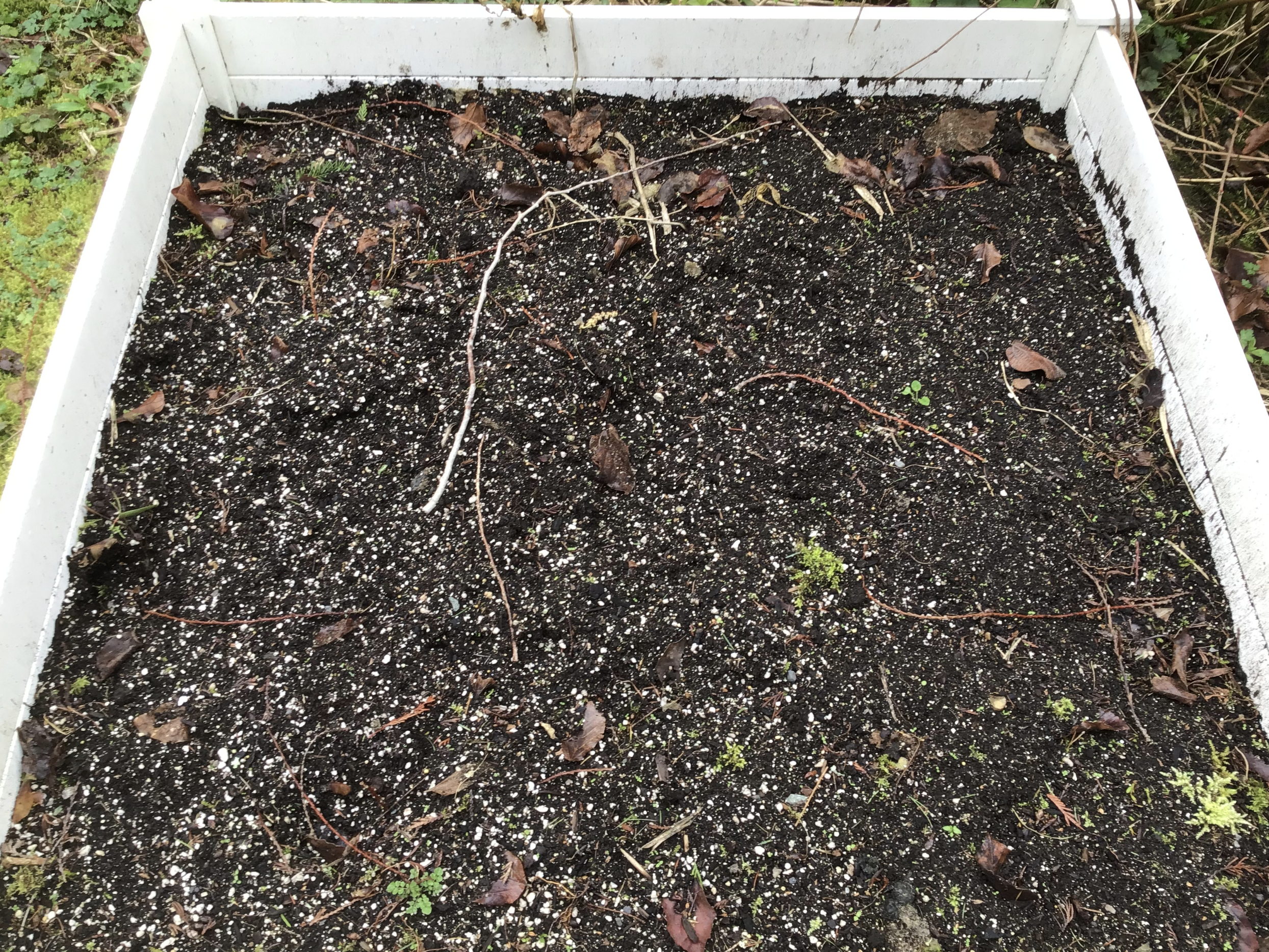
This spot is ready for a native plant or two.
Lovely flowering plants entice and support pollinators.
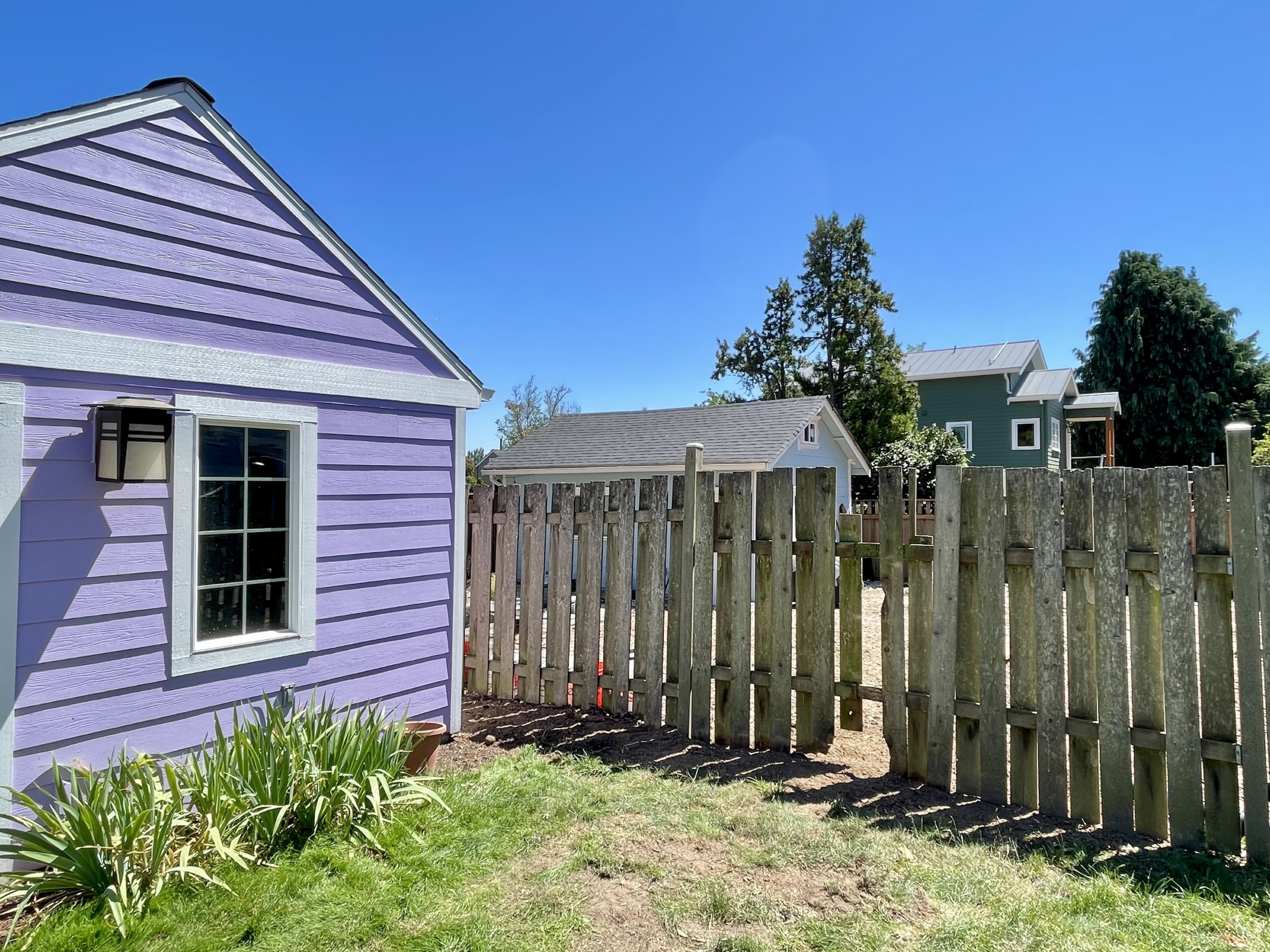
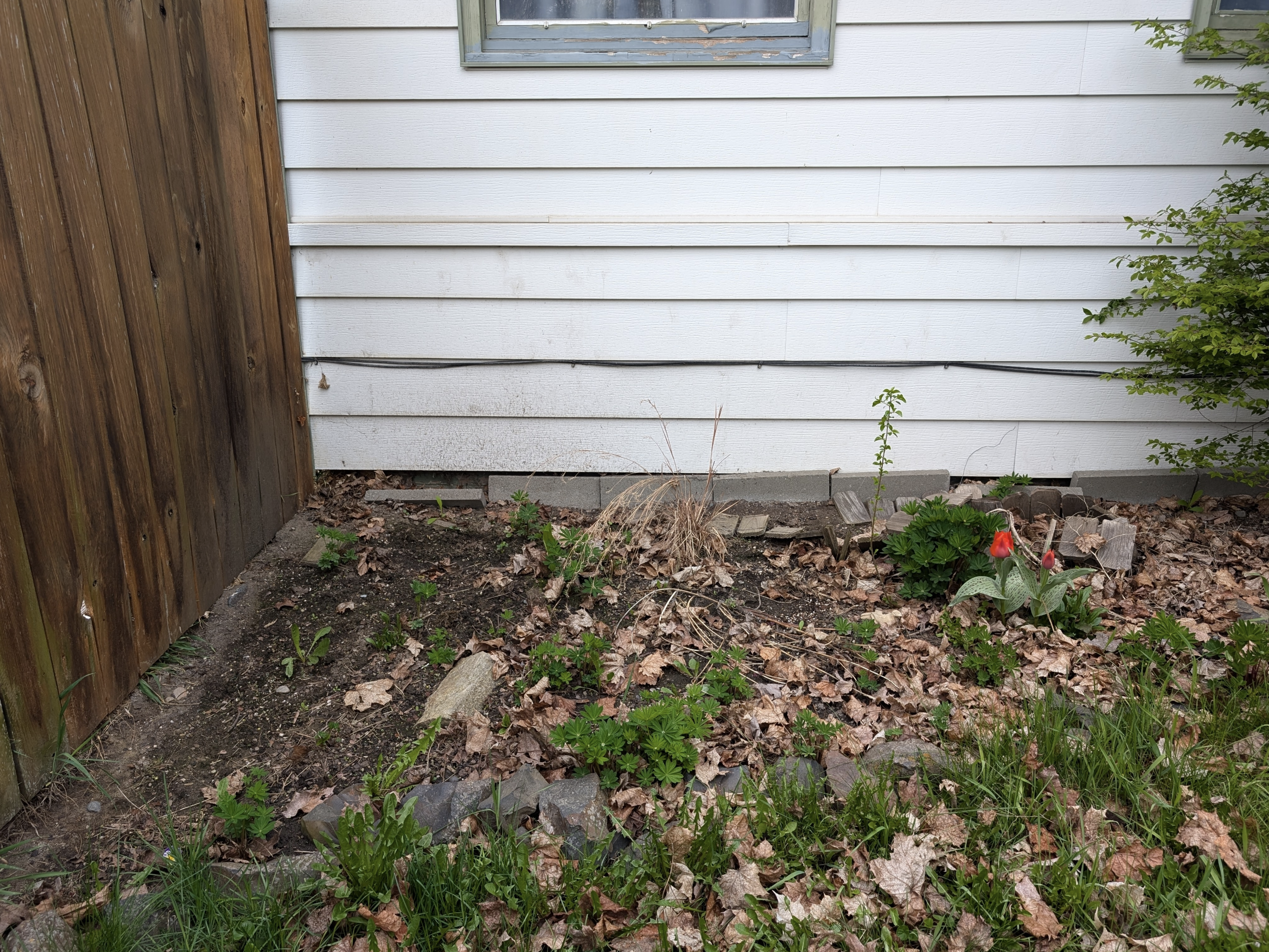
Homeowner will add a border to this sunny side of the house to provide shelter and food for birds and insects.
The Garden for Birds project gave this gardener some inspiration with their lawn-reduction goals. They are growing some native plants of their own from seed, and paying more attention to the insects and birds using their garden now.
Native gardens will get new additions to help birds and wildlife.
This gardener has added native plants to areas of their garden. The plants are making slow progress, but the snowberry, although small, was gorgeous.
Unsuccessful nonnative plants will be replaced with 6-10 native species to fill gaps in these gardens.
Ornamentals have been replaced with Evergreen Huckleberry.
Homeowner is adding a native border between yards to create a multi-story habitat for birds.
Thimbleberry, Huckleberry, Kinnickinnick were planted, and flickers, robins and juncos use the space.
What a sweet balcony garden! In addition to edibles such as carrots and peas; forbs such as lupine, foxglove, globe gilia, and bee balm are filling this space.
Black-capped Chickadees and Song Sparrows spend time among the plants.
Lots of great options for adding more native lower-story plants to this corner.
New plantings take time to establish, but as they mature they’ll support more and more biodiversity.
This yard has natives, but new ones will be added to this spot where water run-off has been an issue.
New asters, iris, and grasses are supporting a lot of pollinators.
Homeowner has been working hard over the years to remove invasive species. They will replant with native plants to increase habitat along with adding aesthetic to the yard.
New native plants are establishing nicely and likely to fill in this area next year.

Remaining Before Photos

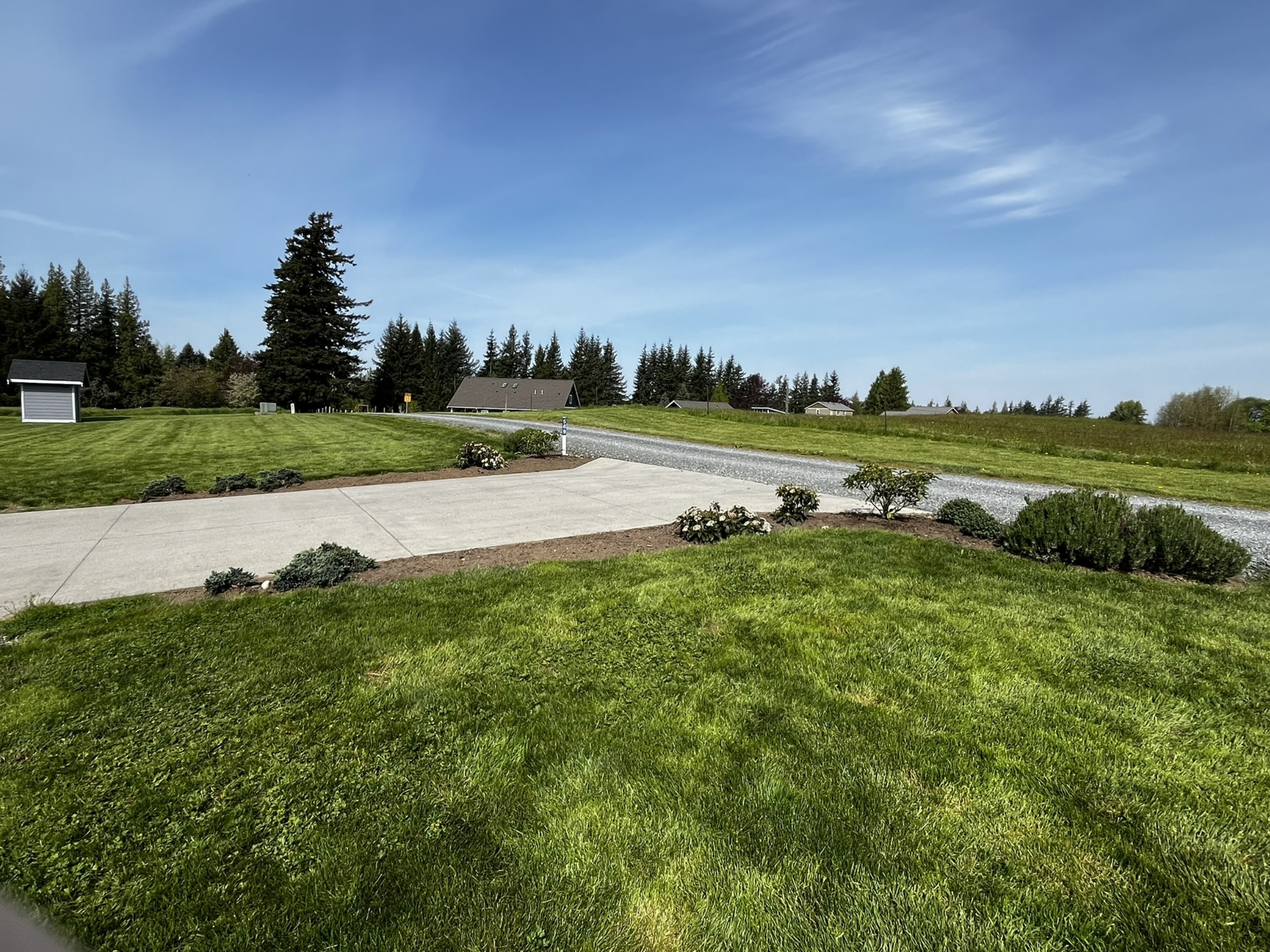
This bright spot will be “rewild” to support wildlife and mitigate fire risk. The lawn will be killed and replaced with native berry bushes.
This property is new to the homeowner who noticed there are a lot of birds and they would like to add plants to support them.
Invasive species were removed and native grass, wildflowers and a small tree will take their place.
Flowering, shade-loving native plants will be added to support the birds in this native-rich edge.
Homeowner is adding native plants to be more bird and wildlife-friendly. Species such as thimbleberry bushes and coastal strawberries are in the plans.
A spot awaiting new native forb additions!
Delphiniums will be added to this yard already full of native plants.
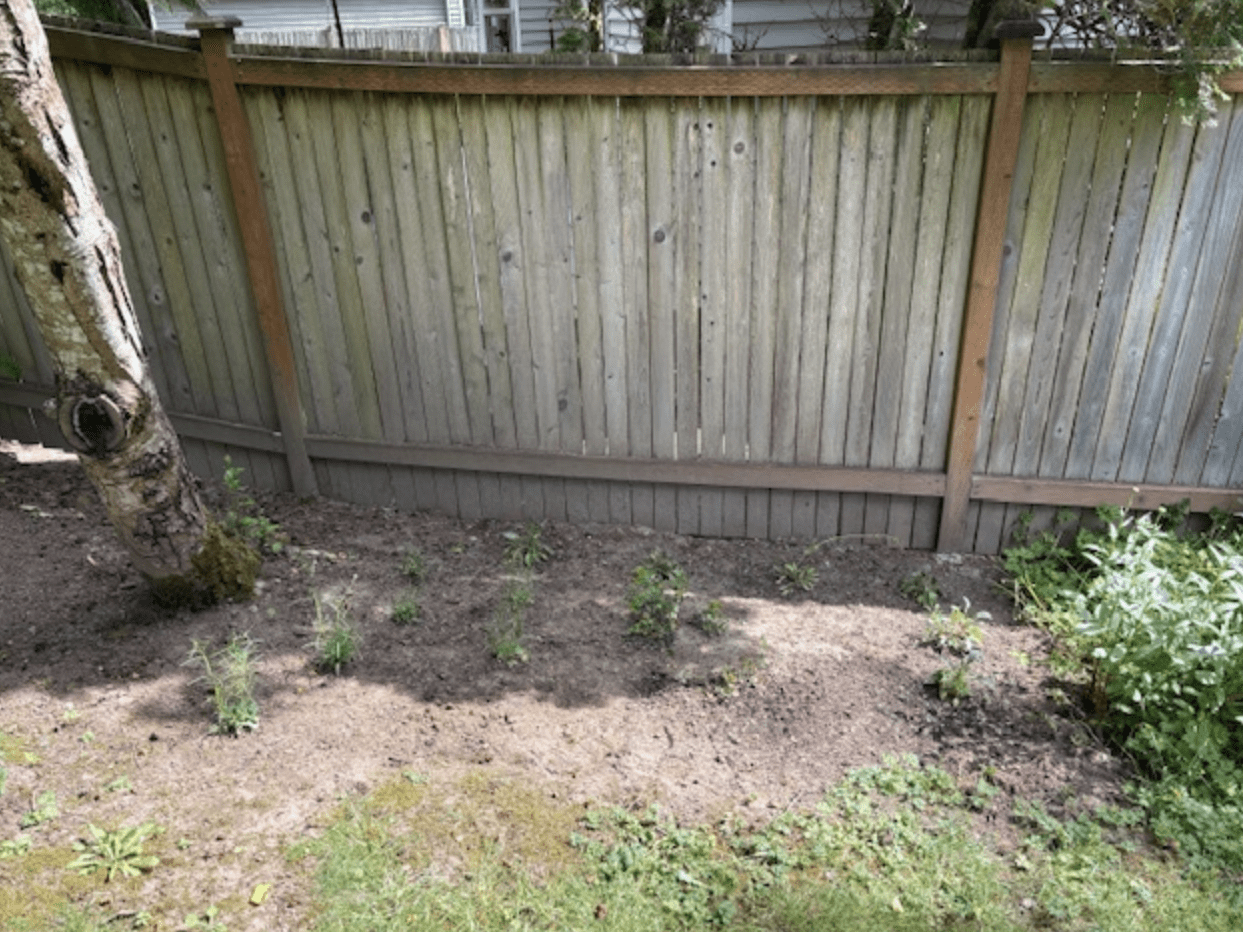
Side yard has lots of space for new native plants in front of the fence.
Space in this spot for a new native plant.
Climate change is impacting this area and the homeowner is adding natives to help adapt to the changing landscape.
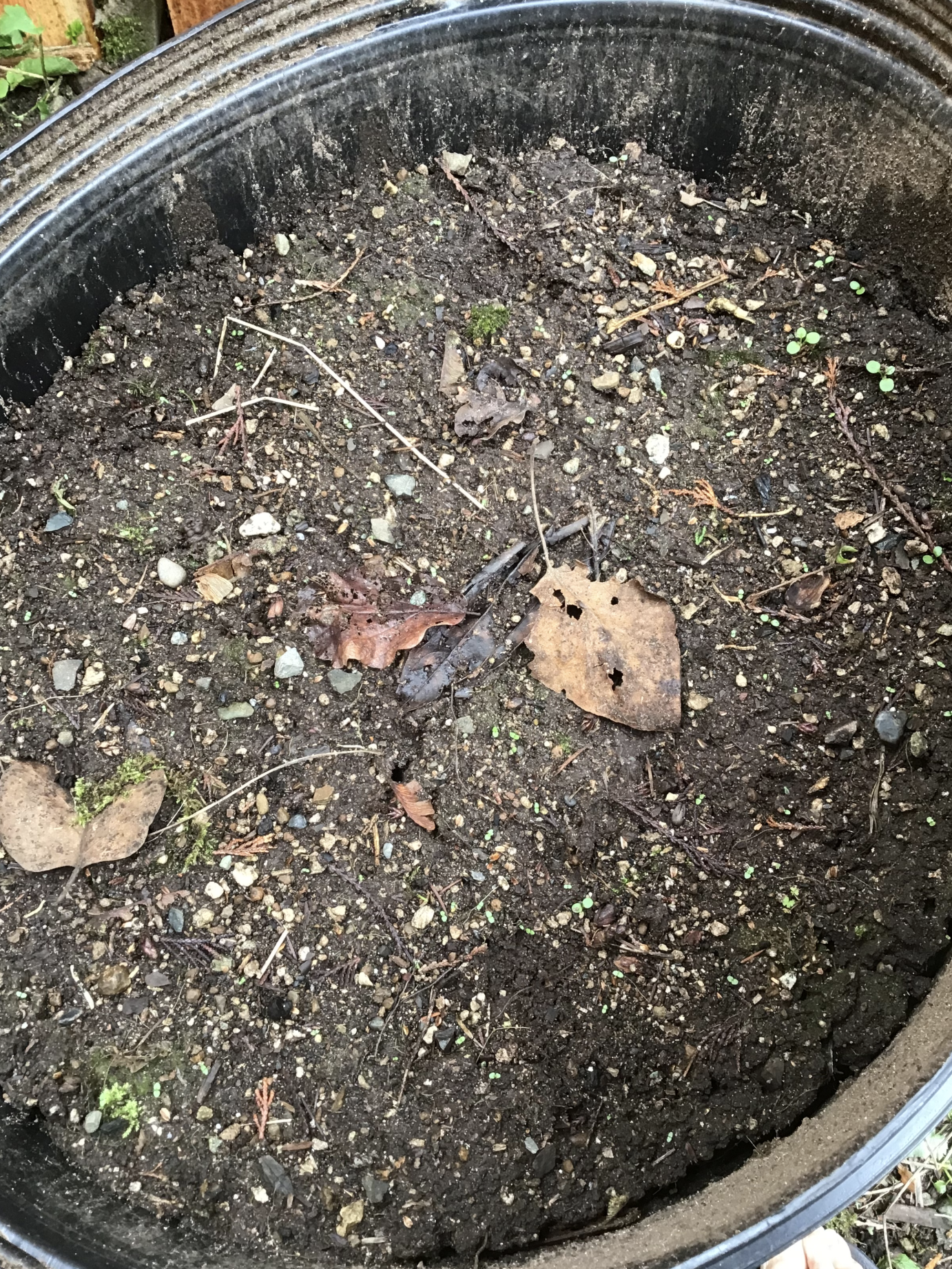
New native coming to this pot soon.
This de-lawned NWF certified habitat is a work in progress. Here, three snowberry bushes were recently added.
Homeowner is adding new natives to existing native gardens to grow habitat for birds and other wildlife.
This spot is free and has space for more native plant additions.
Additional native trees and shrubs will be integrated into these gardens to support biodiversity.
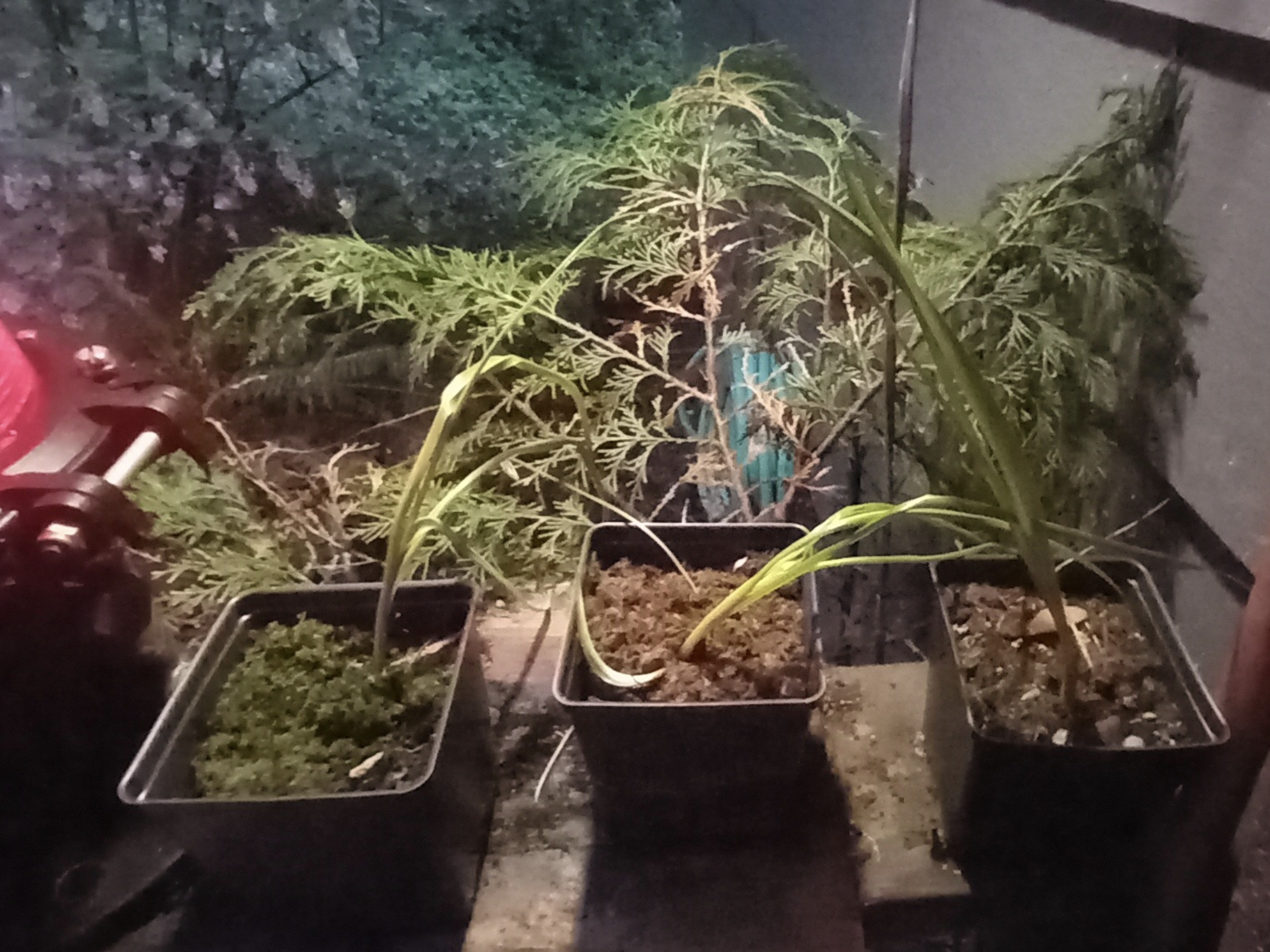
Native camas (wild hyacinth) ready to be added.
This partial sun spot is a nice blank slate to get some new native plant additions going.
Containers will get native red flowering currant, daisy and aster to help biodiversity.
This property already has have lots of native plants. Homeowner will add more for flowers that tolerate shade and to attract hummingbirds and pollinators.
New native trees and shrubs will be added to this landscape.
Coastal spruce is an excellent native resource in this region.

Stay connected to the Great Backyard Bird Count.

By subscribing to stay connected to the Great Backyard Bird Count, you agree to receive communications from The Cornell Lab, Audubon, and Birds Canada. You may unsubscribe from any of the organizations' communications at any time.