


Narli Johana Aldana Mejia
Return to other 30 All-Stars for 30 Years
Location: Cartago, Valle del Cauca, Colombia
What do you enjoy the most about the GBBC?
Spanish: Conectamos a nuestra comunidad y a quienes nos visitan con la magia de las aves en su hábitat natural y se logra un despertar de los sentidos donde la educación ambiental cobra vida y nace un profundo orgullo al reconocer el canto y el vuelo de las especies locales. A lo largo de 19 años, el Grupo de Observadores de Aves los Gavilanes de Cartago @goagcartago, KINGI agencia operadora @kingiturismo y @avesdemiterritorio hemos registrado 325 especies de aves residentes y migratorias boreales en diversos tipos de hábitat (humedales, áreas abiertas, bosques de galería, bosques secundarios, cafetales con sombrío, pastizales con árboles, cultivos de cítricos, guayaba, mango, lagunas de oxidación, equipamientos – parques urbanos e instituciones educativas en Cartago, Valle del Cauca, Colombia (Aldana et al, 2026). Con el respaldo de este programa de monitoreo internacional, transformamos cada encuentro en acciones de conservación para defender nuestros ecosistemas estratégicos y hacer brillar las rutas de aviturismo: Carpinterito Punteado, Ruta Garzón Azul, Ruta Pato Aguja, Ruta Cormorán Neotropical, Ruta Dacnis Turquesa y Pato Crestudo de Cartago.
English translated: We connect our community and our visitors with the magic of birds in their natural habitat, sparking an awakening of the senses where environmental education comes to life. A deep sense of pride emerges as people learn to recognize the songs and flight patterns of local species. Over the past 19 years, the *Los Gavilanes de Cartago* Birdwatching Group (@goagcartago), the tour operator KINGI (@kingiturismo), and the initiative *Aves de mi Territorio* have documented 325 resident and migratory (boreal) bird species across a diverse range of habitats—including wetlands, open areas, gallery forests, secondary forests, shaded coffee plantations, wooded pastures, citrus, guava, and mango orchards, oxidation ponds, and urban spaces such as parks and educational institutions in Cartago, Valle del Cauca, Colombia (Aldana et al., 2026). Supported by this international monitoring program, we transform every encounter into conservation action, safeguarding our vital ecosystems and highlighting our specialized birdwatching routes: the *Carpinterito Punteado* (Piculet), *Garzón Azul* (Great Blue Heron), *Pato Aguja* (Anhinga), *Cormorán Neotropical* (Neotropic Cormorant), *Dacnis Turquesa* (Turquoise Dacnis), and *Pato Crestudo* (Crested Duck) routes in Cartago.
Do you have a favorite GBBC moment, story, or experience you would like to share?
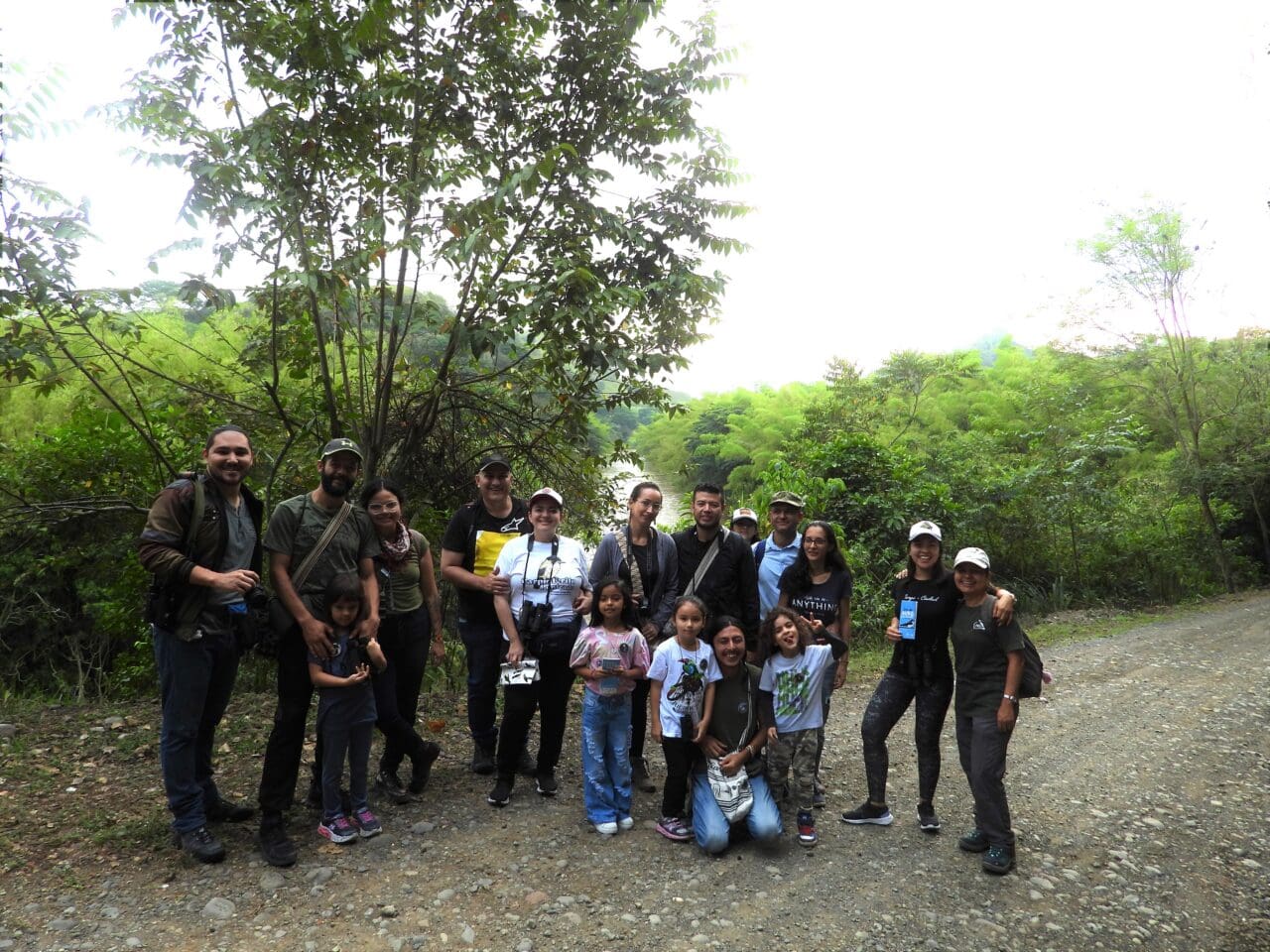
Spanish: Hemos participado por seis años consecutivos en GBBC y en el 2023 la integrante Ariadna Martínez del Grupo de Observadores de Aves los Gavilanes de Cartago cumplió 6 años y la mamá Sthefanie Reyes coordino la celebración tipo picnic en el que la acompañamos los integrantes del grupo, la comunidad y turistas que desearon participar en este evento. Fue gratificante para el grupo celebrar la vida de Ariadna, nuestra semilla ambiental en un evento de ciencia ciudadana y donde las aves nos convocan a participar y unirnos en comunidad, a vivir el presente y conservar la biodiversidad del territorio. El GBBC nos da esperanza a los lideres ambientales al permitir estos encuentros donde podemos mostrar que somos uno con la naturaleza, somos parte integral de ella.
English Translated: We have participated in the GBBC for six consecutive years. In 2023, Ariadna Martínez—a member of the “Los Gavilanes de Cartago” birdwatching group—celebrated her sixth birthday. Her mother, Sthefanie Reyes, organized a picnic-style celebration, which was attended by fellow group members, the local community, and tourists who wished to join in. It was a rewarding experience for the group to celebrate the life of Ariadna—our “environmental seed”—within the context of a citizen science event; an event where birds bring us together as a community, encouraging us to live in the present and conserve the region’s biodiversity. For us environmental leaders, the GBBC offers hope by facilitating these gatherings, where we can demonstrate that we are one with nature—that we are an integral part of it.
Who, if anyone, do you enjoy birding with? And, do you have a favorite place?
Spanish: Con el Grupo de Observadores de Aves los Gavilanes de Cartago, con los turistas de KINGI agencia operadora, con mis amigos y acompañantes de los festivales de aves de Colombia, rutas del congreso de aviturismo de Manizales y rutas de la Colombia BirdFair en Cali. Las aves han hecho que me encuentre conmigo misma, son mi soporte y me permiten estar en el presente y conectar con la esencia de cada ser humano que caminamos juntos y observamos las aves y la naturaleza, las aves me han llevado a conocer lugares y personas que jamás pensé lograr.
Spanish: Colombia es el primer país de aves en el mundo con un registro 1986 (Echeverry et al, 2026). Un lugar favorito es Parque Nacional Natural Los Nevados para ver al Barbudito Canelo / Oxypogon Stuebelii / Buffy Helmetcrest especie endémica de Colombia y se encuentra en categoría de amenaza EN – libro de aves rojo de Colombia y contemplar los paisajes del PNN Los Nevados. Hay sitios de interés de eBird de Colombia que si hubiera la oportunidad de conocer serián: Parque Nacional Natural Tayrona en Santa Marta, Santuario de Fauna y Flora Los Flamencos en Riohacha. La bota caucana piedemonte andino amazónico es un saliente del departamento colombiano del Cauca, localizado entre los departamentos de Caquetá, Huila, Nariño y Putumayo, Sierra nevada de Santa Marta, Amazonas, Choco biogeográfico y Guajira #colombiaelpaisdelasaves
English Translated: Through the “Los Gavilanes de Cartago” birdwatching group, the tourists from the tour operator KINGI, and my friends and companions from Colombia’s bird festivals—including those I met during the bird tourism congress in Manizales and the Colombia BirdFair in Cali—I have found a path to self-discovery. Birds are my anchor; they ground me in the present moment and allow me to connect with the true essence of the people with whom I walk, observe birds, and explore nature. Birds have led me to discover places and meet people I never imagined I would ever encounter.
English Translated: Colombia is the world’s leading country for bird diversity, with 1,986 species recorded (Echeverry et al., 2026). A prime destination is Los Nevados National Natural Park, where one can observe the Buffy Helmetcrest (*Oxypogon stuebelii*)—a species endemic to Colombia and classified as Endangered (EN) in the country’s Red Book of Birds—while also taking in the park’s stunning landscapes. Other notable birding hotspots in Colombia, as identified by eBird, include Tayrona National Natural Park in Santa Marta and the Los Flamencos Fauna and Flora Sanctuary in Riohacha. The “Bota Caucana”—a region situated at the foothills of the Andes where they meet the Amazon—is a projection of the department of Cauca, located amidst the departments of Caquetá, Huila, Nariño, and Putumayo. Other significant regions for birdlife include the Sierra Nevada de Santa Marta, the Amazon, the Chocó biogeographic region, and La Guajira. #ColombiaTheCountryOfBirds
Do you have a spark bird or spark moment?
Spanish: De las aves me gustan varias especies, me identifico con los colibríes y el que más me gusta es el Aglaiocercus Kingii / Silfo coliverde / Long-tailed Sylph el cual fue mi inspiración para el logosimbolo de mi empresa KINGI “turismo con propósito” agencia operadora de Cartago en el 2020. Me gusta Dacnis hartlaubi / Dacnis Turquesa / Turquoise Dacnis porque mi color preferido es el azul turquesa y es una especie endémica y se encuentra en categoría de amenaza Vulnerable y Picumnus granadensis / Carpinterito Punteado / Grayish Piculet es una especie endémica y porque es el ave emblemática de Cartago según el Acuerdo 38 de 2021 avalado por el concejo municipal que lídere con la concejal Sandra Álzate, estos acuerdos son políticas locales de conservación de la biodiversidad, educación ambiental y turismo de naturaleza. En el 2024 los colectivos ambientales fuimos ganadores de la comparsa Biodiversidad y paz, tambora bordada Cartago vuela hacia la paz, donde se bordó nuestra ave emblemática Carpinterito punteado para visibilizarla como símbolo de la paz y protección de la biodiversidad en los ecosistemas estratégicos de Cartago (Carnaval del sol y el bordado; Corporación Latente; Alcaldía de Cartago). Se utilizaron técnicas mixtas como bordado, estampado, pintura en tela, recamado con pedrería con el fin de crear una composición diversa de colores y materiales. Utilizando prácticas sostenibles con el medio ambiente al usar retazos de tela para aplicación y trapillo y se realizaron 11 puntadas (Pasado: hojas, pico, cola del ave; Punto escapulario: tallos; Rococo: flor; brasilera: flor; Nudo francés: flor; Puntada costal: tronco del árbol; Cadeneta: tallos, pico; Cordón: tallos; Aplicaciones: ala; Punto lanzado: abdomen, rostro, coronilla; Recamado en pedrería murano: coronilla. Se vincularon 51 personas donde se evidencia el trabajo en equipo, disciplina, empatía, liderazgo, sensibilidad, por medio de 140 horas de trabajo bordando, elaboración de vestuario, pasacalles y se tuvieron diferentes roles en la comparsa: llevar el pasacalle de colectivos ambientales, biodiversidad y paz, tambora bordada Cartago vuela hacia la paz, bandera de Cartago y bandera de la paz, Tayamba representando el río La Vieja, aves: Martín pescador mayor, Cotorra cheja, Carpinterito punteado, Gallinazo común, árbol Ceiba, Zarigüeya, Flamenco rosado, Azulejo común, Guacamaya Macao, Gallito de Roca, Currucutú, tangara real, tangara esmeralda; oso de anteojos, zarigüeya y coral. En el 2025 realizamos las presentaciones sketch “El penúltimo nido de la carpinterita punteada”, talleres y salidas de campo donde 90 niños y jóvenes de 3 instituciones educativas urbanas de Cartago, el personaje logró transmitir mensajes de conservación, identidad territorial aprendieron y conocieron su ave emblemática, construyendo identidad cultural y apropiación del patrimonio natural de manera lúdica y memorable con el proyecto @avesdemiterritorio ganador en la convocatoria ESTIMULOS 2025 de la secretaria de cultura del Valle del Cauca.
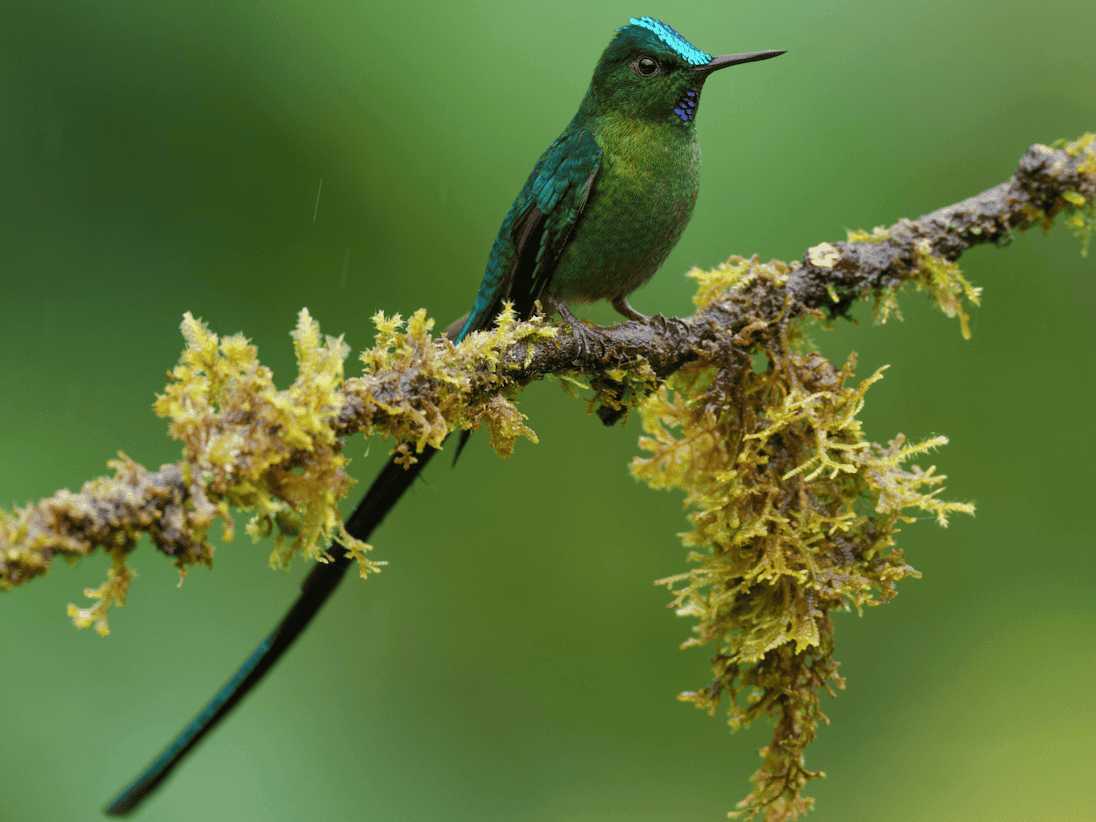
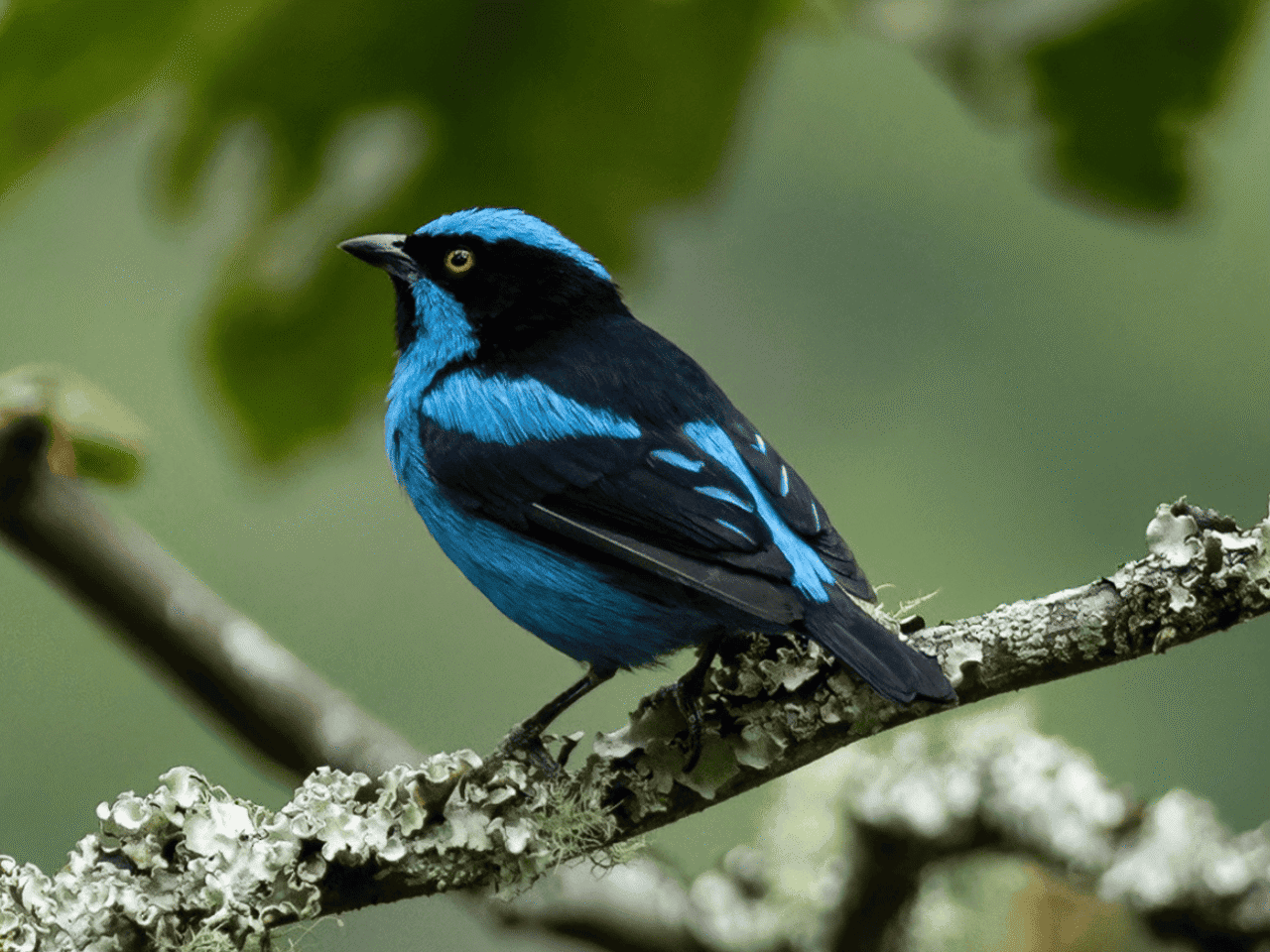

English Translated: Among birds, there are several species I am fond of; I particularly identify with hummingbirds. My favorite is the *Aglaiocercus kingii* (Long-tailed Sylph), which served as the inspiration for the logo of my company, KINGI—“tourism with a purpose”—an agency based in Cartago, established in 2020. I also appreciate the *Dacnis hartlaubi* (Turquoise Dacnis)—partly because turquoise is my favorite color, but also because it is an endemic species currently classified as vulnerable. Another significant species is the *Picumnus granadensis* (Grayish Piculet), which is not only endemic but also the official emblematic bird of Cartago, as designated by Agreement 38 of 2021—a measure I championed alongside Councilwoman Sandra Álzate. Such agreements function as local policies for biodiversity conservation, environmental education, and nature-based tourism. In 2024, our environmental collectives won the “Biodiversity and Peace” parade category with a project titled “Embroidered Drum: Cartago Flies Toward Peace,” which featured an embroidered image of our emblematic Grayish Piculet. This initiative aimed to highlight the bird as a symbol of peace and the protection of biodiversity within Cartago’s strategic ecosystems (in collaboration with the *Carnaval del Sol y el Bordado*, *Corporación Latente*, and the Cartago Municipal Government). The piece incorporated mixed media—including embroidery, fabric printing, textile painting, and beadwork—to create a diverse composition of colors and materials. Adopting environmentally sustainable practices, the project utilized fabric scraps for appliqué and textile strips (*trapillo*). Eleven different embroidery stitches were employed: *pasado* (long-and-short stitch) for leaves, beaks, and bird tails; *punto escapulario* (herringbone stitch) for stems; *rococó* (bullion stitch) and Brazilian embroidery for flowers; French knots for flowers; *puntada costal* (cross-stitch variant) for tree trunks; chain stitch for stems and beaks; *cordón* (stem/outline stitch) for stems; appliqué for wings; *punto lanzado* (straight stitch) for abdomens, faces, and crowns; and beadwork using Murano glass for the crowns. A total of 51 participants were involved, demonstrating teamwork, discipline, empathy, leadership, and sensitivity throughout 140 hours of embroidery and costume creation. The group participated in a *pasacalles* (street parade) with various roles: carrying banners for environmental, biodiversity, and peace collectives; a drum embroidered with the theme “Cartago Flies Toward Peace”; the flags of Cartago and peace; a *Tayamba* (a traditional symbolic figure) representing the La Vieja River; and costumes depicting various birds—such as the Ringed Kingfisher, Orange-chinned Parakeet, Olivaceous Piculet, Black Vulture, Ceiba tree, Opossum, American Flamingo, Blue-gray Tanager, Macaw, Andean Cock-of-the-rock, Tropical Screech-Owl, Royal Tanager, and Emerald Tanager—as well as the Spectacled Bear, Opossum, and a coral snake. In 2025, the project included the performance of a sketch titled “The Penultimate Nest of the Olivaceous Piculet,” along with workshops and field trips for 90 children and youths from three urban educational institutions in Cartago. Through these activities, the characters conveyed messages about conservation and territorial identity; participants learned about their local emblematic bird, fostering cultural identity and a sense of ownership over their natural heritage in a playful and memorable way. This initiative, @avesdemiterritorio, was a winner in the 2025 “ESTIMULOS” (Incentives) grant program organized by the Valle del Cauca Secretariat of Culture.
Stay connected to the Great Backyard Bird Count.
By subscribing to stay connected to the Great Backyard Bird Count, you agree to receive communications from The Cornell Lab, Audubon, and Birds Canada. You may unsubscribe from any of the organizations' communications at any time.